Best Dogs For Families With Kids
Breed temperament research and decades of trainer and veterinary behaviorist observation converge on a fairly consistent profile for family dogs: high tolerance for unpredictable handling, low reactivity to sudden noise or movement, and a general eagerness to affiliate with people rather than guard resources or space. Breeds that were developed to work closely alongside humans — retrievers bred to work all day beside hunters, herding breeds bred to take direction constantly — tend to carry that cooperative, people-focused temperament into family life, which is a large part of why retrievers dominate "family dog" recommendations across nearly every major kennel club and veterinary source. Size is a secondary consideration here, not a primary one, despite how often people assume a large dog is automatically riskier around small children. A large, patient breed with a high bite-inhibition threshold and low startle response is frequently safer around toddlers than a small, high-strung breed prone to snapping when startled or handled roughly, precisely because a small dog in pain or fear has fewer options besides biting to communicate distress, while a larger dog with good temperament training has more behavioral range to simply move away. That said, any dog's size relative to a young child does matter for accidental knock-downs during play, which is a real, separate consideration from bite risk. Energy level needs honest matching to the household's actual activity level rather than aspiration. A herding breed selected for its reputed family-friendliness but landing in a low-activity household with young kids can become anxious and nippy — herding breeds in particular sometimes redirect their herding instinct onto running children, nipping at heels, which reads as aggression but is closer to misapplied working drive. Breeds genuinely suited to family life with kids tend to have moderate rather than extreme energy, enough to play but not so much that under-exercise becomes a behavioral problem in a household where the primary caretakers are also managing children's schedules. No breed guarantees safety with children, and this is the point breed lists most often understate. Individual temperament, the specific dog's socialization history, and — critically — how well parents supervise and teach children to interact respectfully with a dog matter more than breed selection alone. The American Veterinary Medical Association and most pediatric injury-prevention research emphasize that dog bites to children most often happen with a familiar family dog during unsupervised interaction, not a "dangerous breed" attacking a stranger's child, which reframes breed choice as one risk factor among several rather than the deciding one. Inclusion here rests on documented low aggression scores, high trainability, and a consistent multi-source reputation across AKC breed descriptions, veterinary behaviorist literature, and breed-club temperament surveys for tolerance and people-orientation — not popularity or cuteness. Prospective family-dog owners should still meet a specific dog, ask breeders and shelters directly about that dog's history around children, and commit to active supervision and training regardless of which breed they choose, since temperament within a breed varies individually more than most marketing admits. Beyond the retrievers that dominate this category, several other breeds deserve mention for families specifically: the Beagle's sturdy build and generally tolerant, food-motivated temperament make it a longtime family favorite, the Bull Terrier and American Staffordshire Terrier — despite public perception shaped heavily by media coverage rather than temperament data — score well on formal temperament testing for patience and low aggression when responsibly bred and socialized, and the Newfoundland's famously gentle giant reputation is well-documented enough that the breed has earned the nickname "nanny dog" in some circles, historically used to watch over children near water given the breed's water-rescue background. It's worth directly naming the disconnect between certain breeds' public reputation and their actual documented temperament data, since a family relying on general perception rather than research can both wrongly rule out a genuinely well-suited breed and wrongly choose a poorly-suited one based on looks or popularity alone. Formal temperament testing organizations and veterinary behaviorist literature are more reliable guides than media coverage or anecdote, and any family seriously considering a specific breed — especially one with a mixed public reputation — should look at that underlying data directly, ideally alongside a conversation with a breed-specific rescue group, which typically has deep firsthand experience with how that breed actually behaves in real family homes across many individual dogs. It's worth naming a specific age-related nuance families sometimes overlook: a breed's documented tolerance for children doesn't mean unlimited tolerance regardless of a child's specific behavior, and even the most patient breed benefits from a family actively teaching kids — starting as early as the child can understand simple instructions — to recognize a dog's own signals for needing space (moving away, a raised paw, turning the head aside), since teaching mutual respect in both directions produces a more durable, stress-free relationship over years than relying on the dog's patience alone to absorb every interaction.
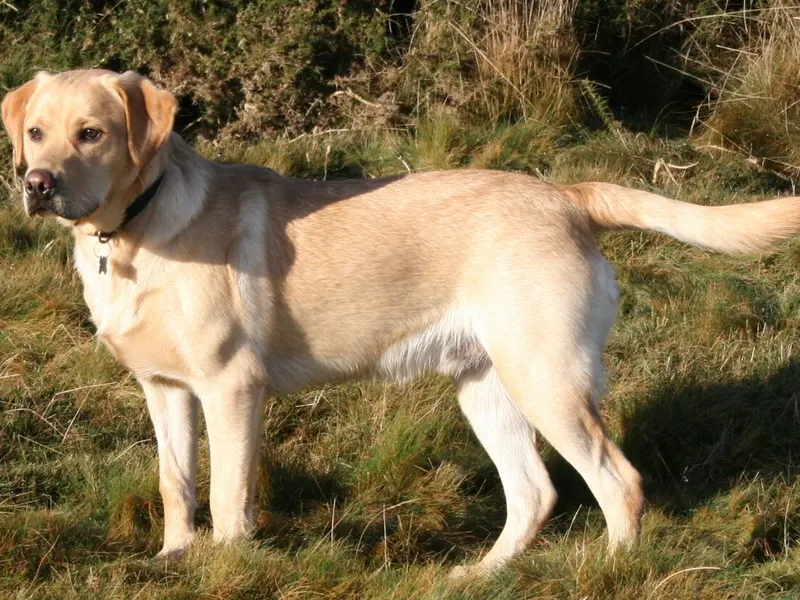
Labrador Retriever
Sporting
55–80 lbs · 10–12 yrs
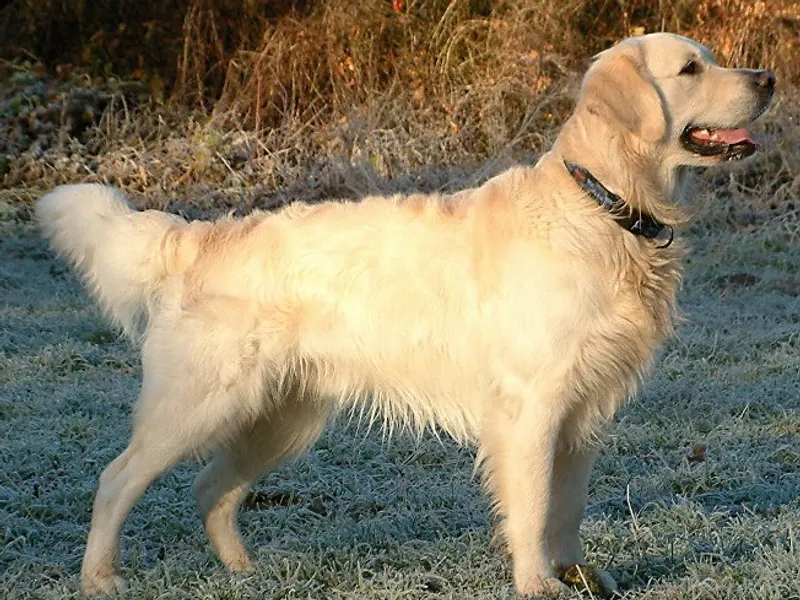
Golden Retriever
Sporting
55–75 lbs · 10–12 yrs
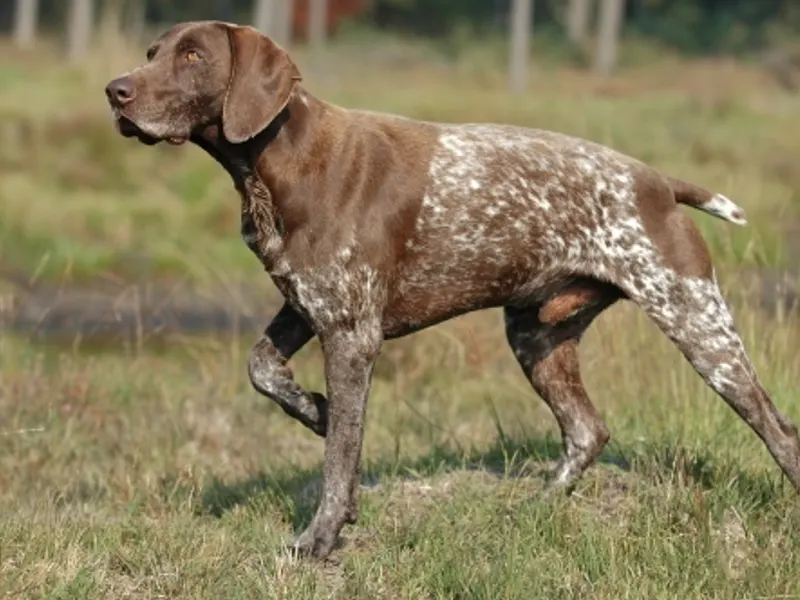
German Shorthaired Pointer
Sporting
45–70 lbs · 10–12 yrs
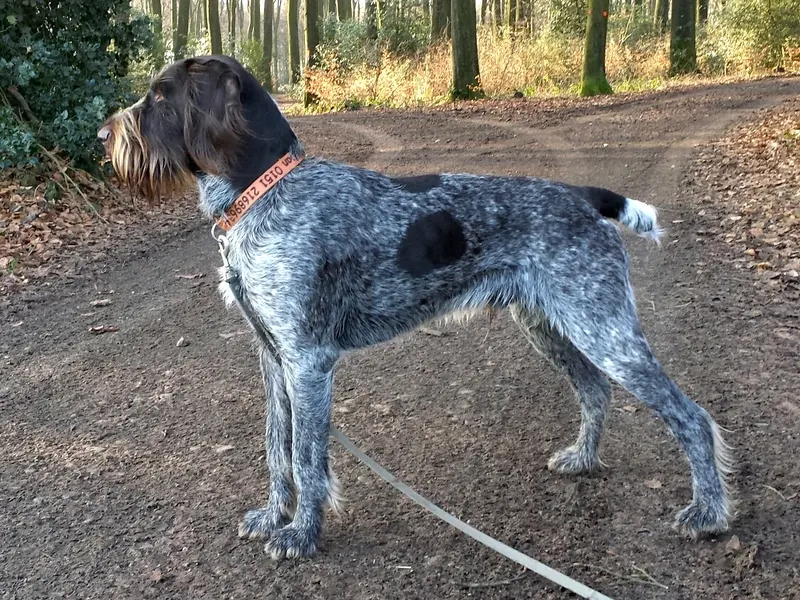
German Wirehaired Pointer
Sporting
50–70 lbs · 12–14 yrs
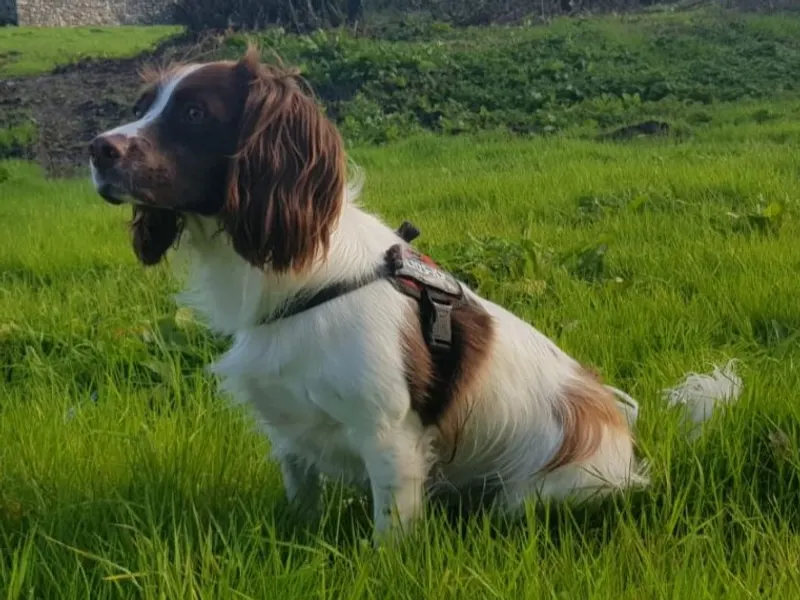
English Springer Spaniel
Sporting
40–50 lbs · 12–14 yrs
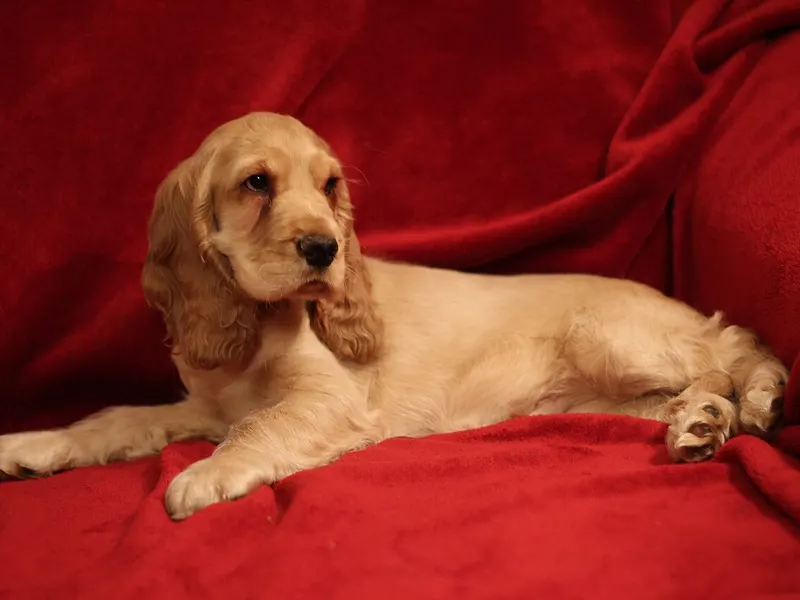
English Cocker Spaniel
Sporting
26–34 lbs · 12–14 yrs
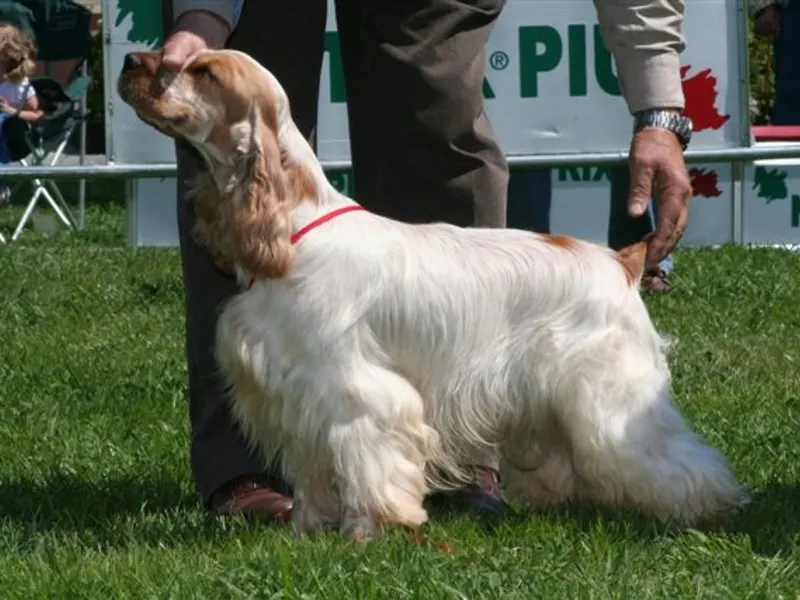
Cocker Spaniel
Sporting
20–30 lbs · 12–15 yrs
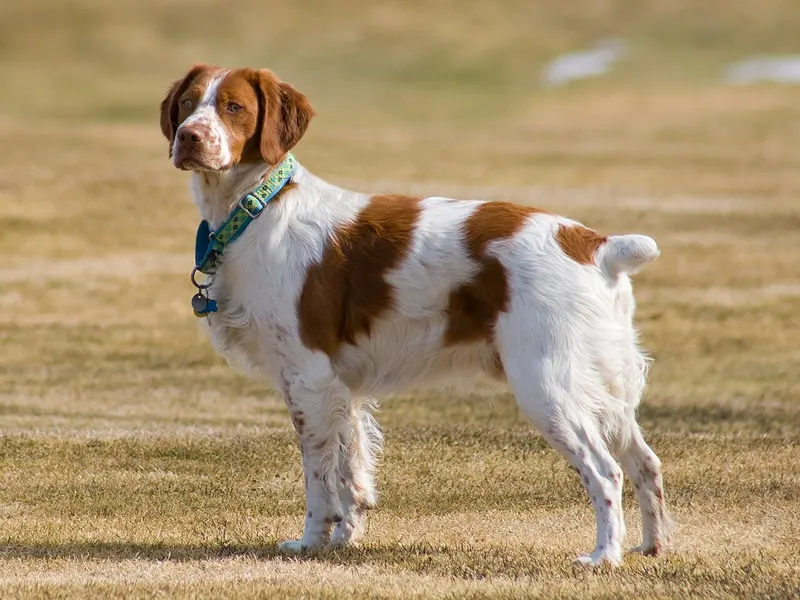
Brittany
Sporting
30–40 lbs · 12–14 yrs
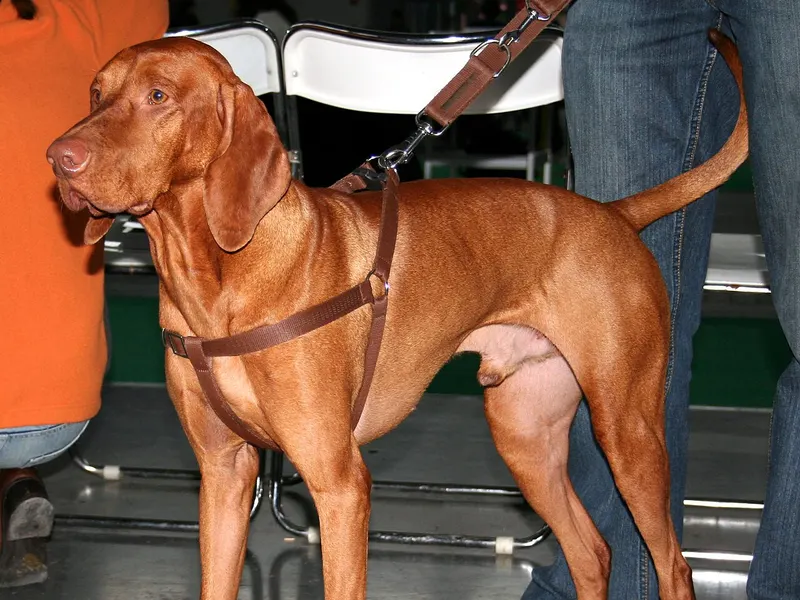
Vizsla
Sporting
44–60 lbs · 12–14 yrs
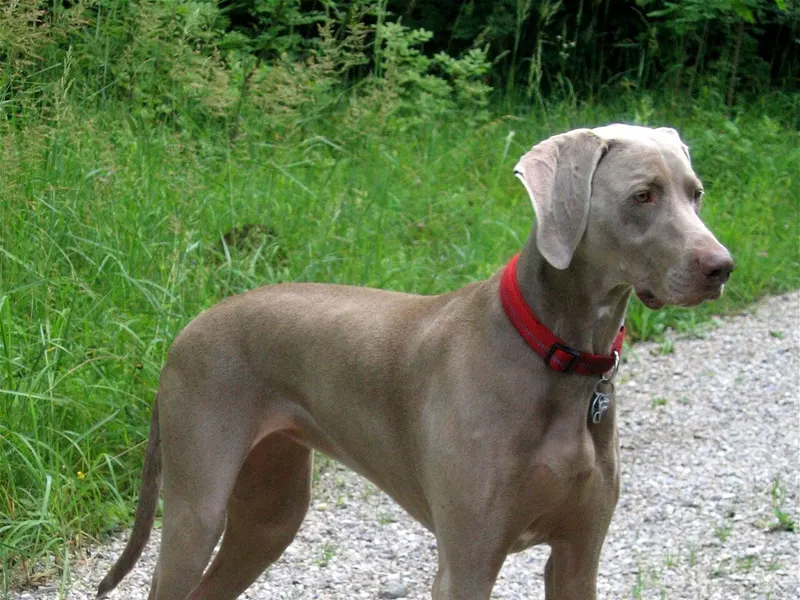
Weimaraner
Sporting
55–90 lbs · 10–13 yrs
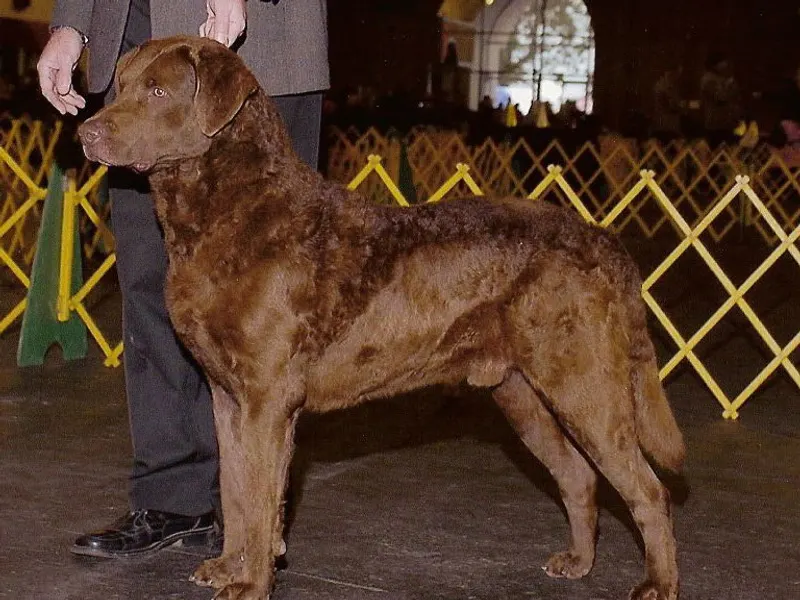
Chesapeake Bay Retriever
Sporting
55–80 lbs · 10–13 yrs
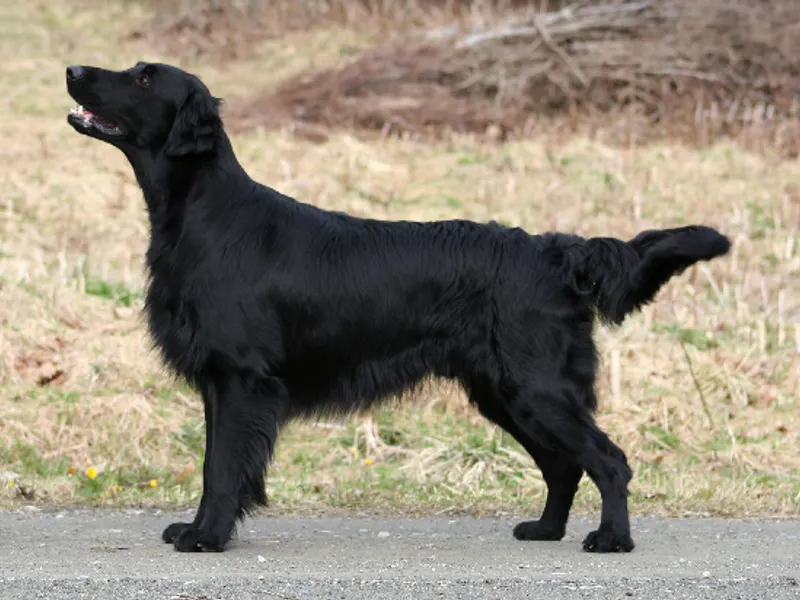
Flat-Coated Retriever
Sporting
55–70 lbs · 8–10 yrs
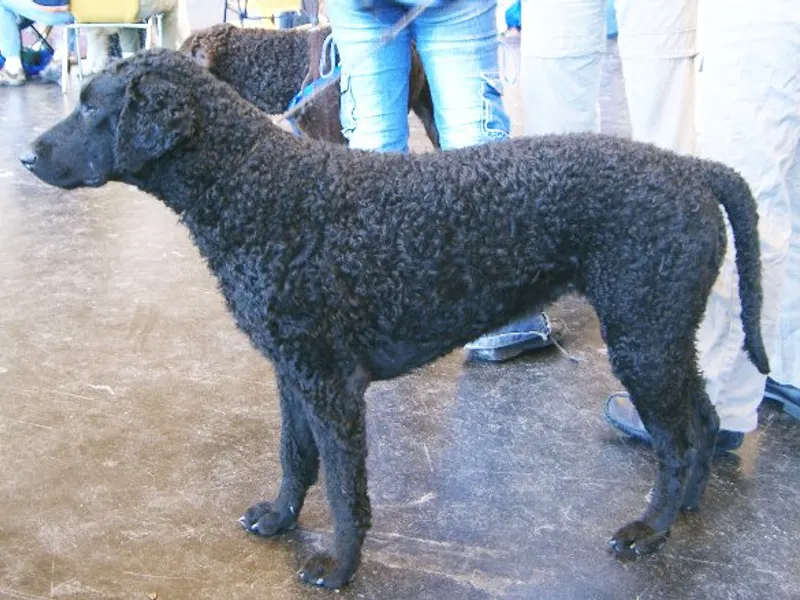
Curly-Coated Retriever
Sporting
60–95 lbs · 10–12 yrs
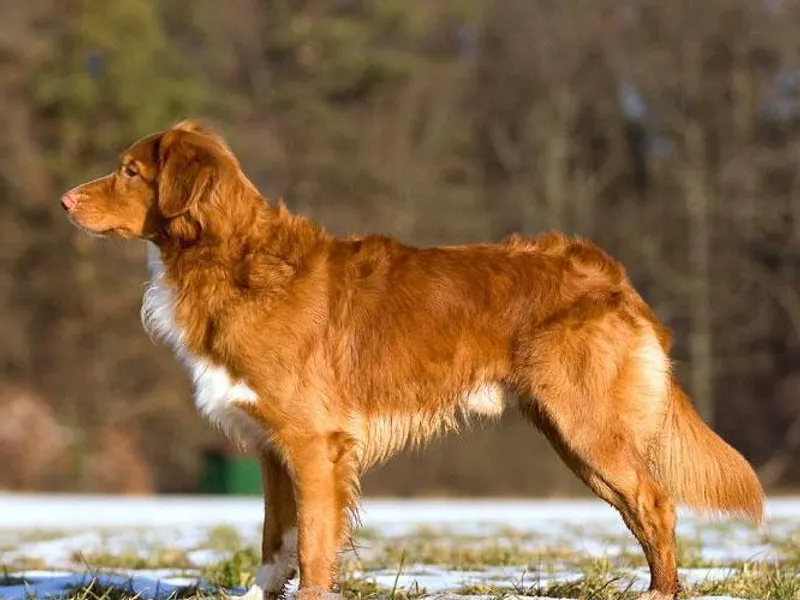
Nova Scotia Duck Tolling Retriever
Sporting
35–50 lbs · 12–14 yrs
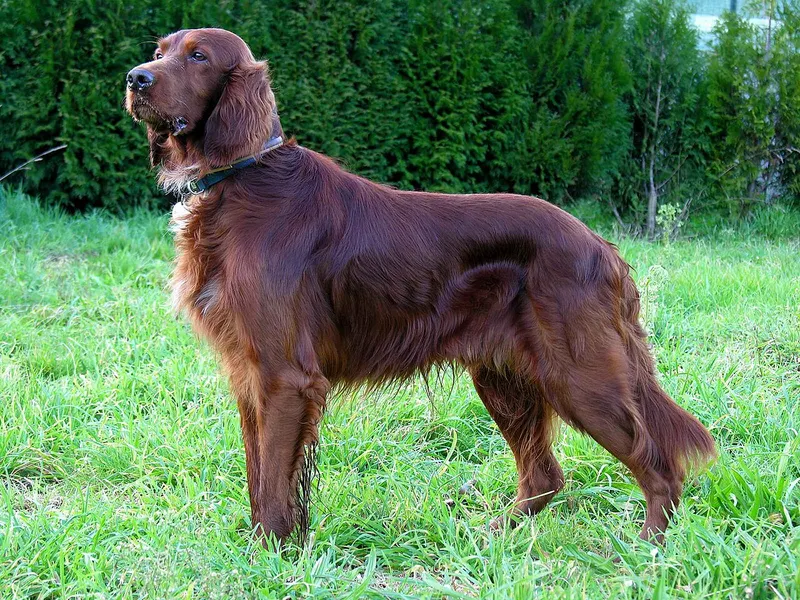
Irish Setter
Sporting
60–70 lbs · 12–15 yrs
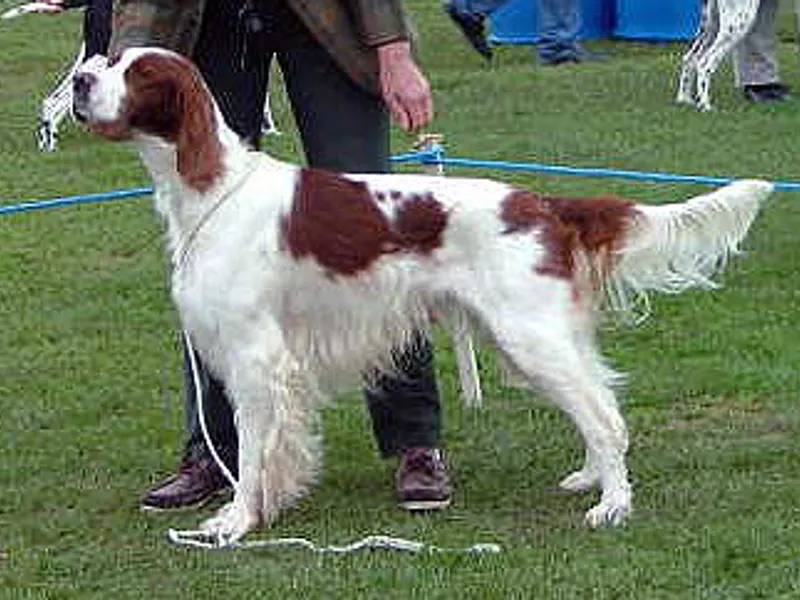
Irish Red and White Setter
Sporting
45–70 lbs · 11–13 yrs
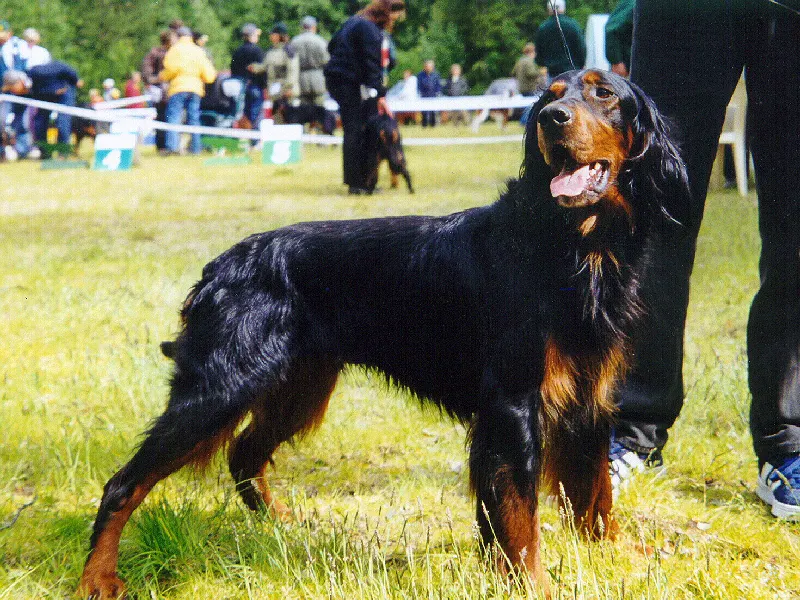
Gordon Setter
Sporting
45–80 lbs · 10–12 yrs
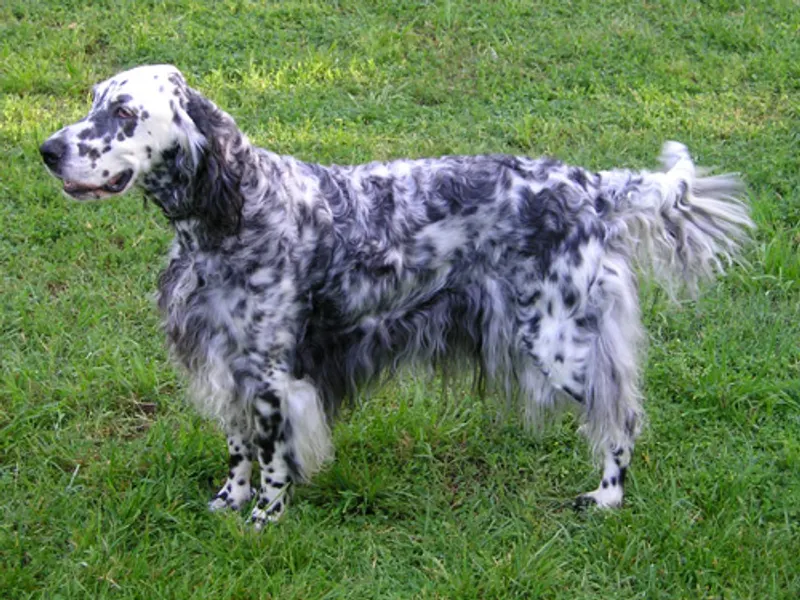
English Setter
Sporting
45–80 lbs · 11–15 yrs
Pointer
Sporting
45–75 lbs · 12–17 yrs
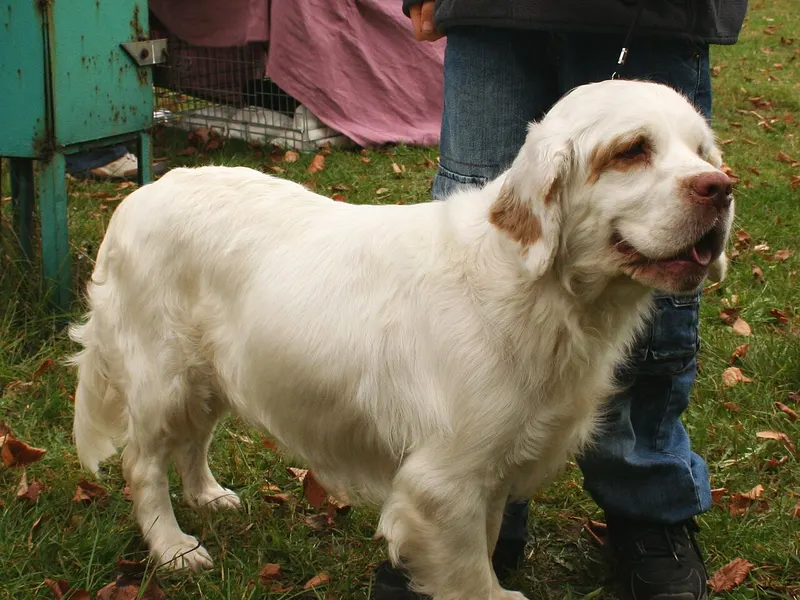
Clumber Spaniel
Sporting
40–85 lbs · 10–12 yrs
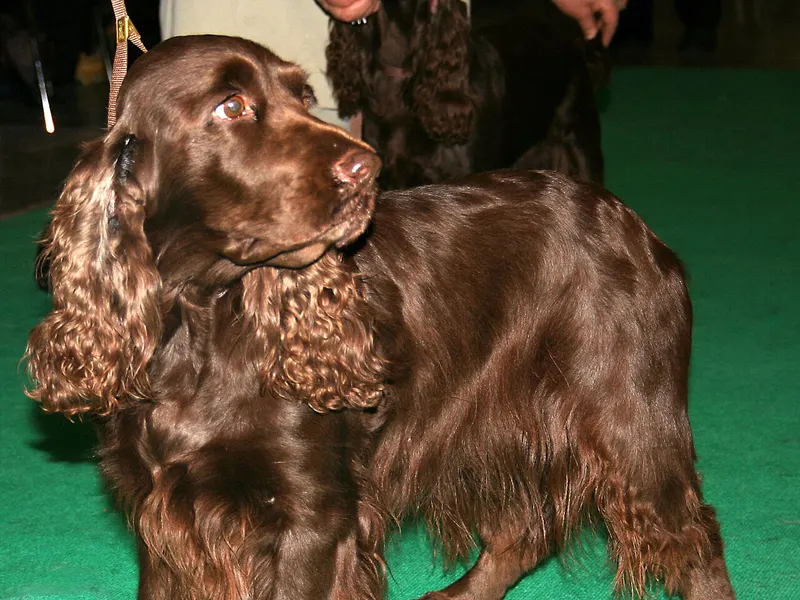
Field Spaniel
Sporting
35–50 lbs · 10–12 yrs
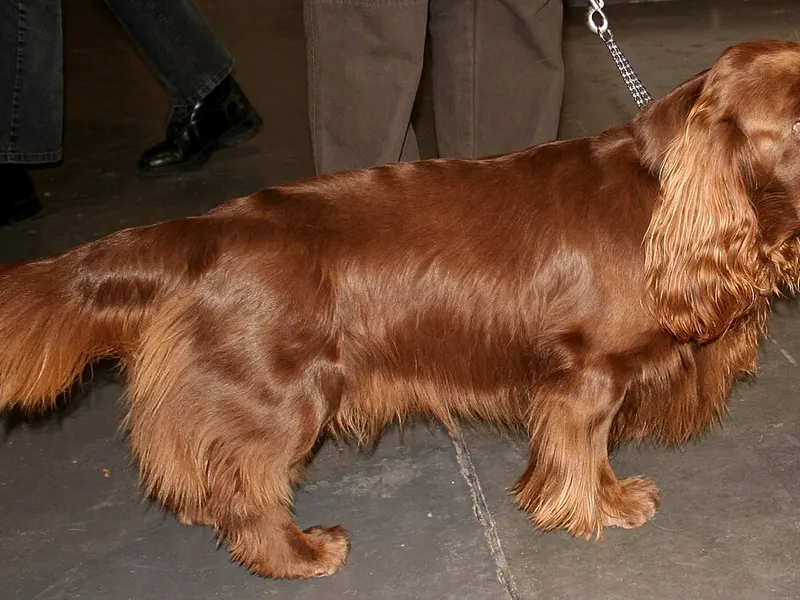
Sussex Spaniel
Sporting
35–45 lbs · 11–13 yrs
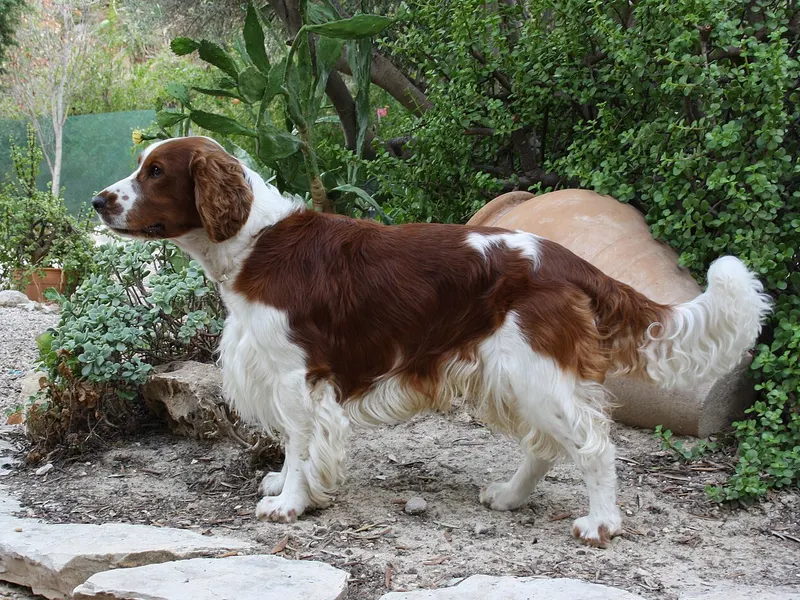
Welsh Springer Spaniel
Sporting
35–45 lbs · 12–15 yrs
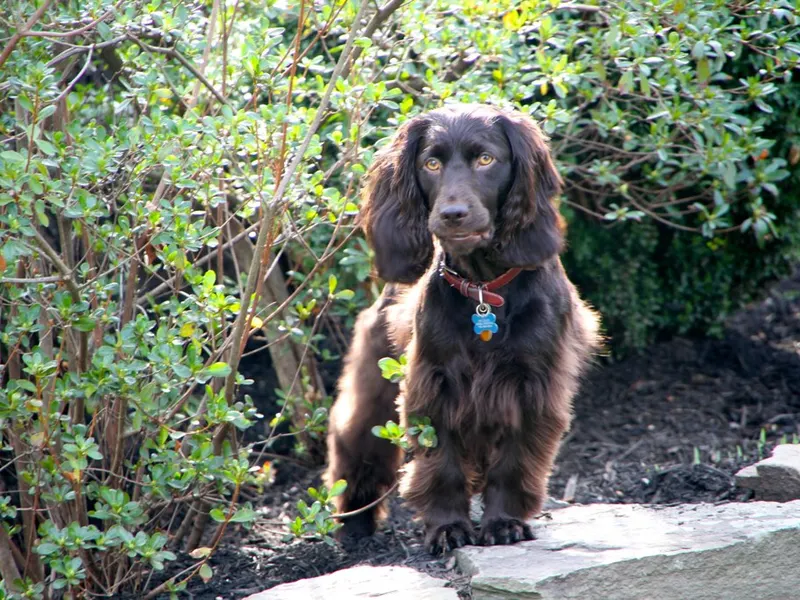
Boykin Spaniel
Sporting
25–40 lbs · 10–15 yrs
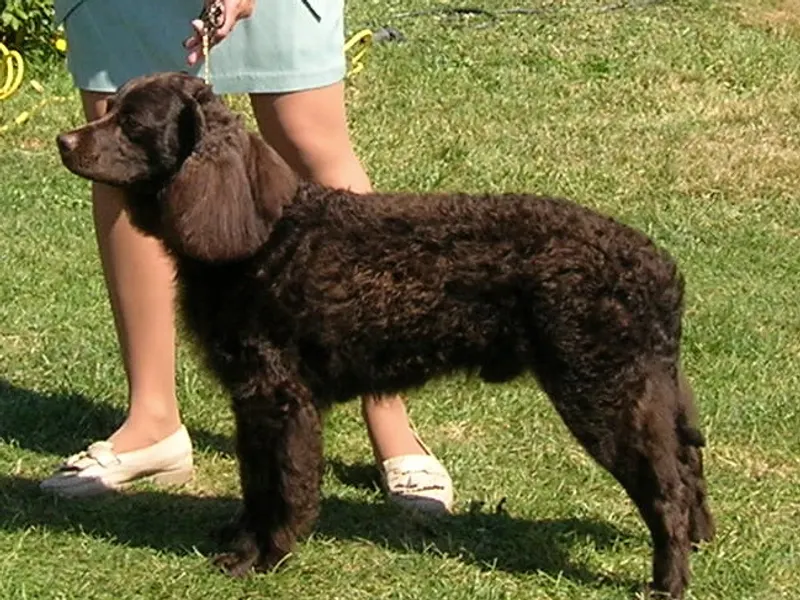
American Water Spaniel
Sporting
25–45 lbs · 10–14 yrs
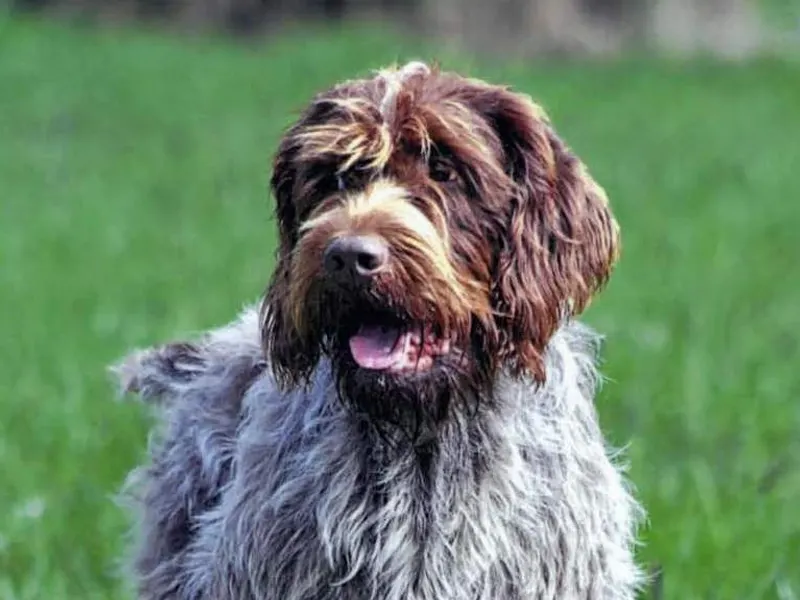
Wirehaired Pointing Griffon
Sporting
35–70 lbs · 12–14 yrs
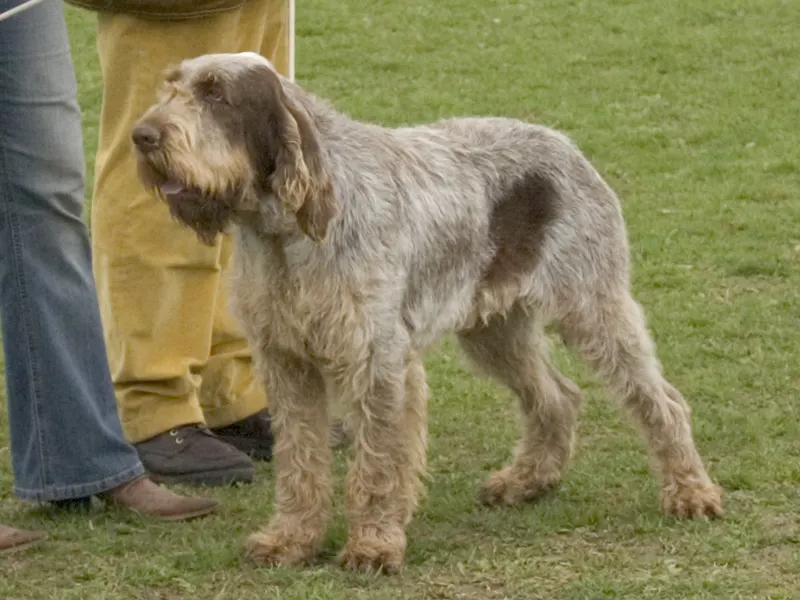
Spinone Italiano
Sporting
62–85 lbs · 10–12 yrs
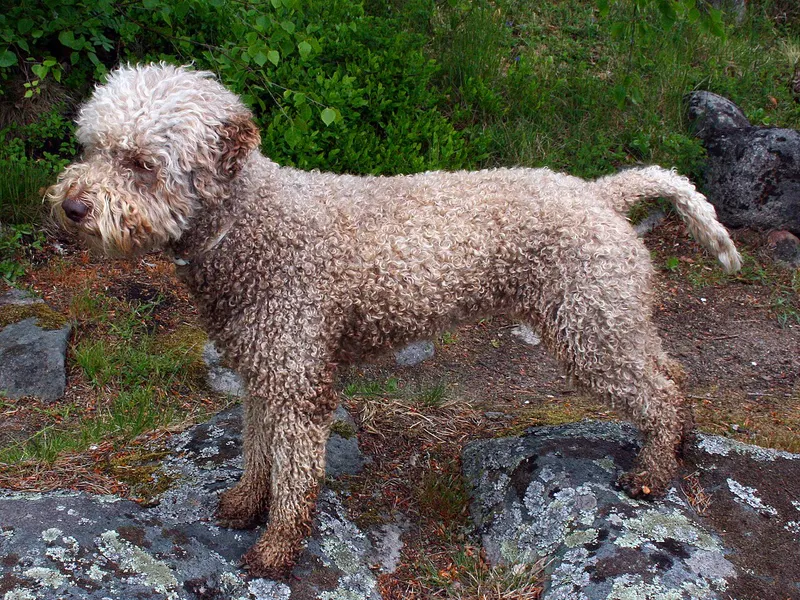
Lagotto Romagnolo
Sporting
24–35 lbs · 15–17 yrs
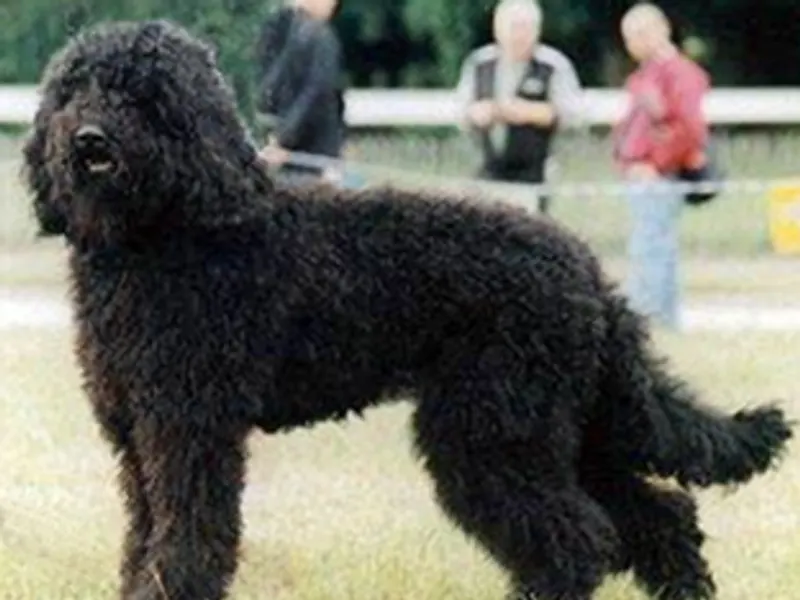
Barbet
Sporting
35–65 lbs · 13–15 yrs
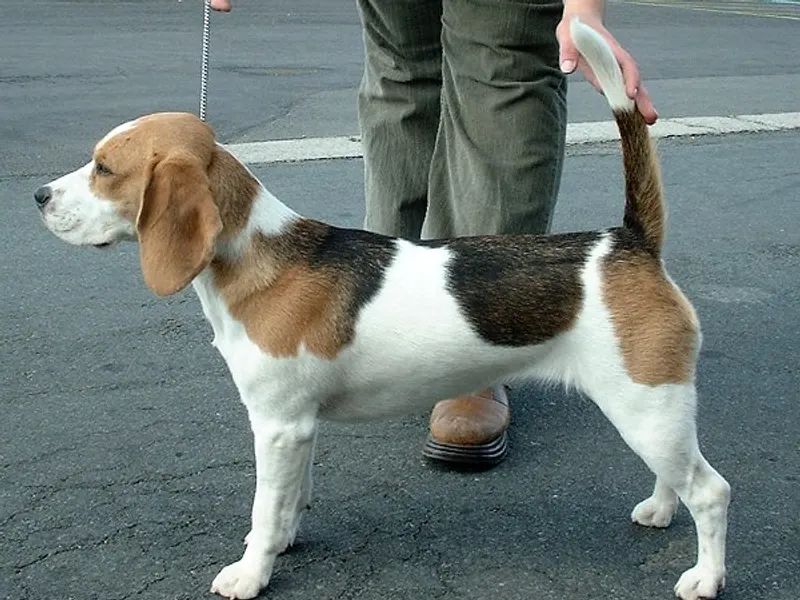
Beagle
Hound
18–30 lbs · 10–15 yrs
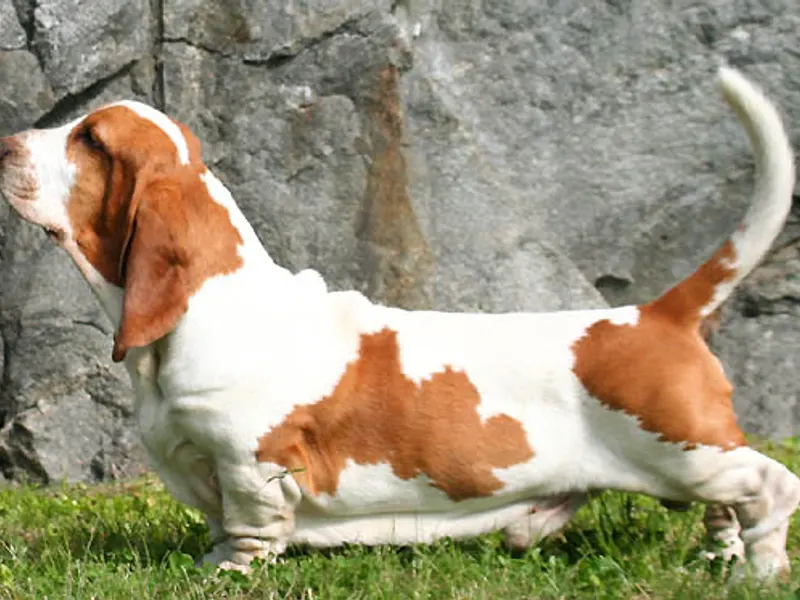
Basset Hound
Hound
40–65 lbs · 12–13 yrs
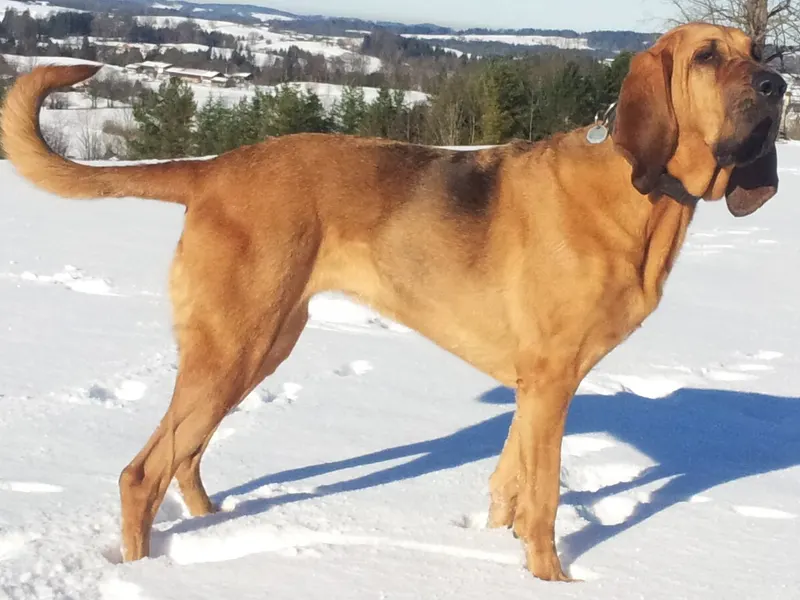
Bloodhound
Hound
80–110 lbs · 10–12 yrs
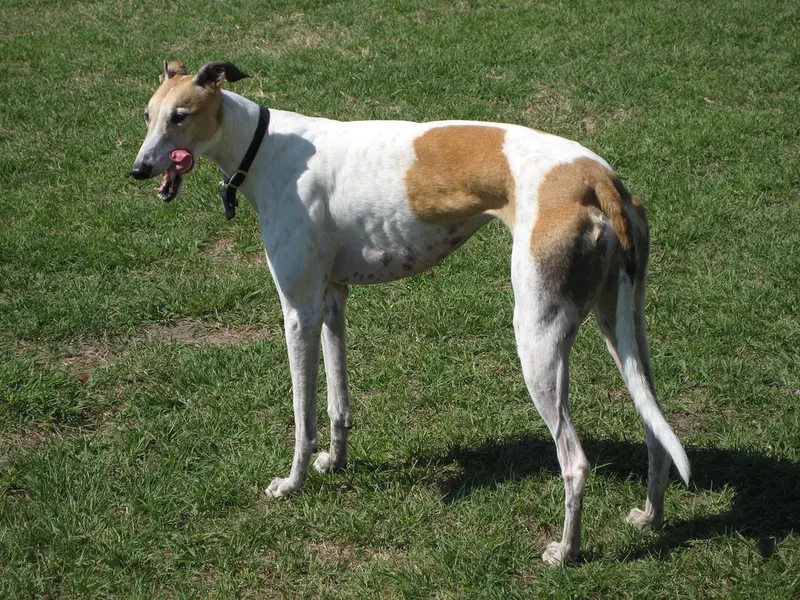
Greyhound
Hound
60–88 lbs · 10–14 yrs
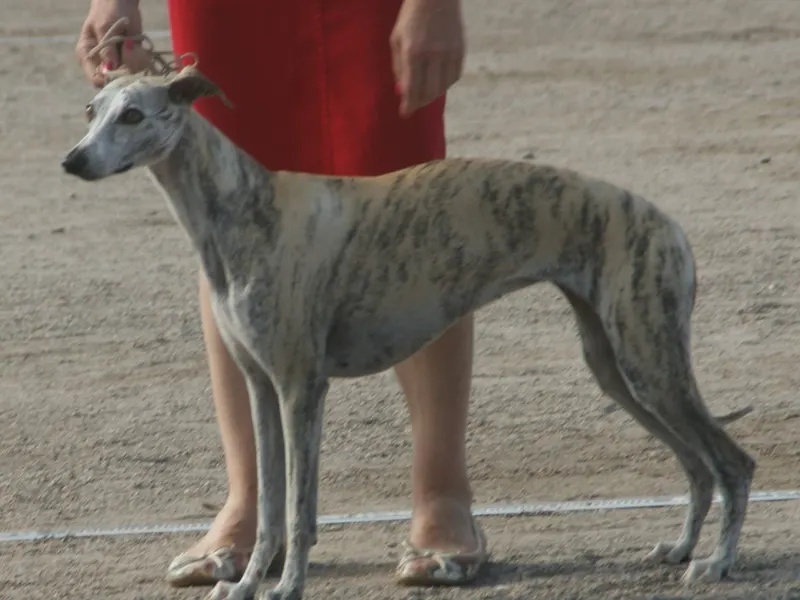
Whippet
Hound
25–40 lbs · 12–15 yrs
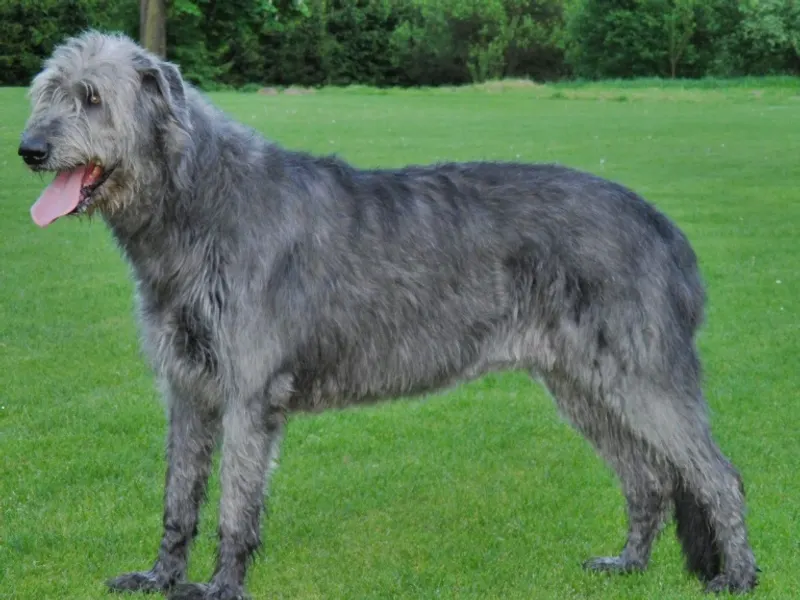
Irish Wolfhound
Hound
105–180 lbs · 6–8 yrs
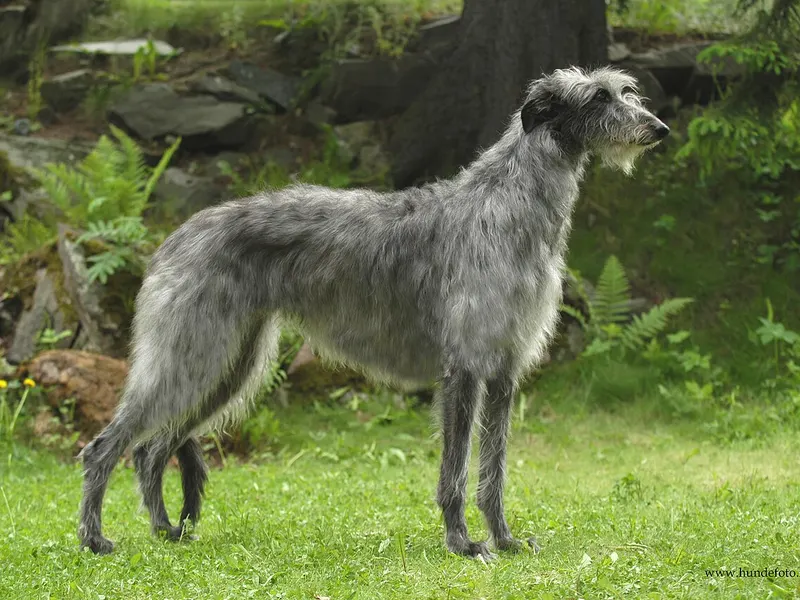
Scottish Deerhound
Hound
75–110 lbs · 8–11 yrs
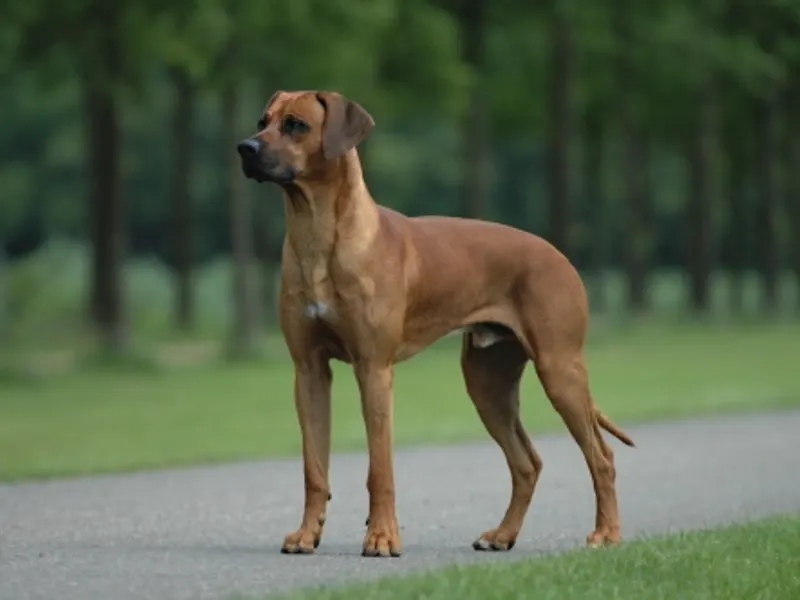
Rhodesian Ridgeback
Hound
70–85 lbs · 10–12 yrs
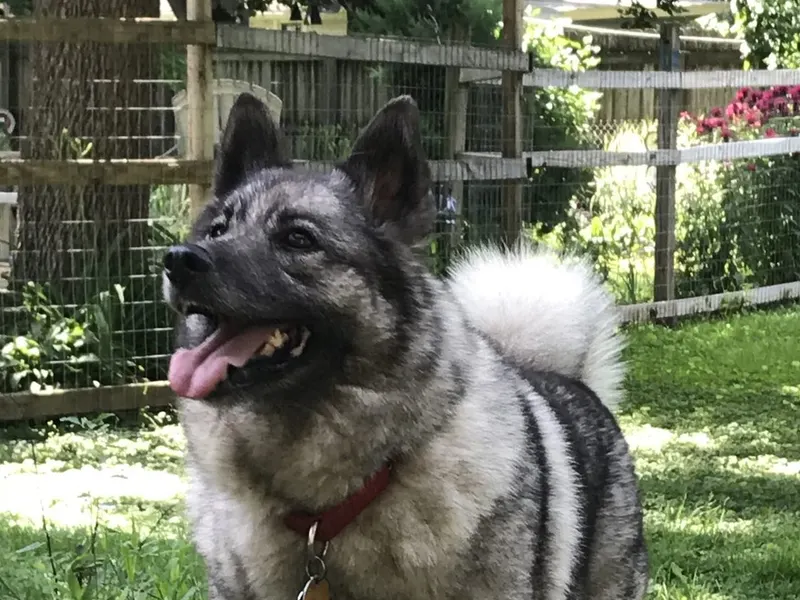
Norwegian Elkhound
Hound
48–55 lbs · 12–15 yrs
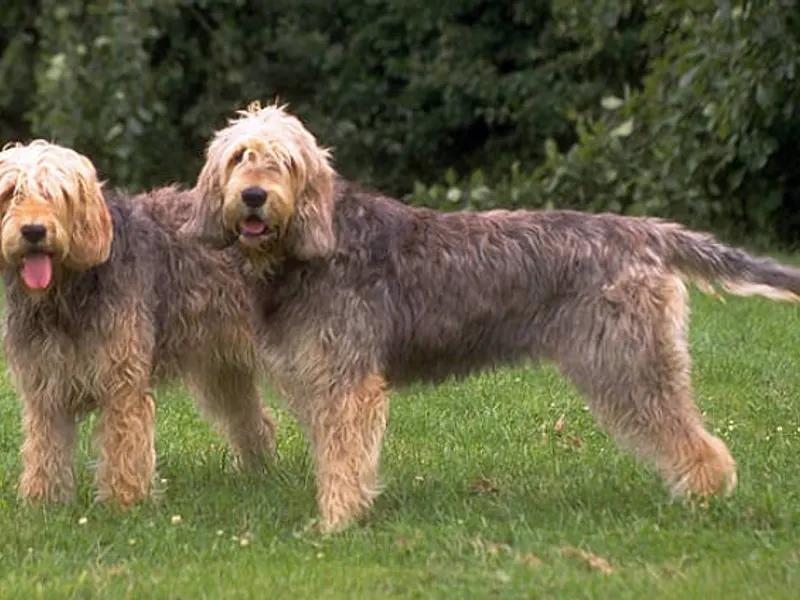
Otterhound
Hound
65–115 lbs · 10–13 yrs
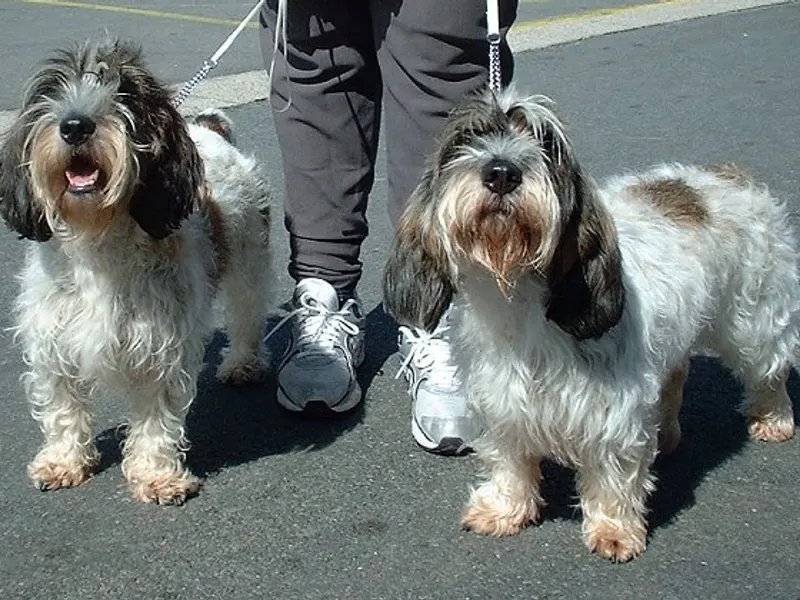
Petit Basset Griffon Vendéen
Hound
25–40 lbs · 13–15 yrs
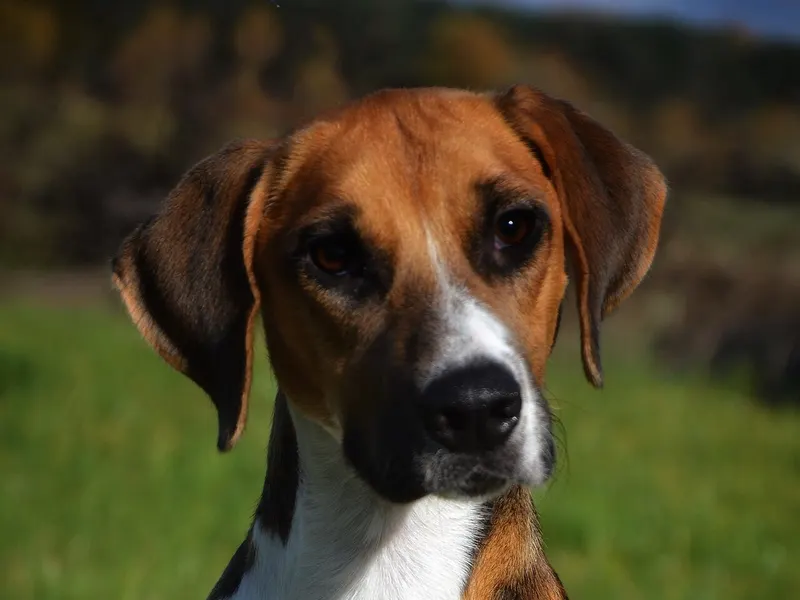
Harrier
Hound
45–60 lbs · 10–12 yrs
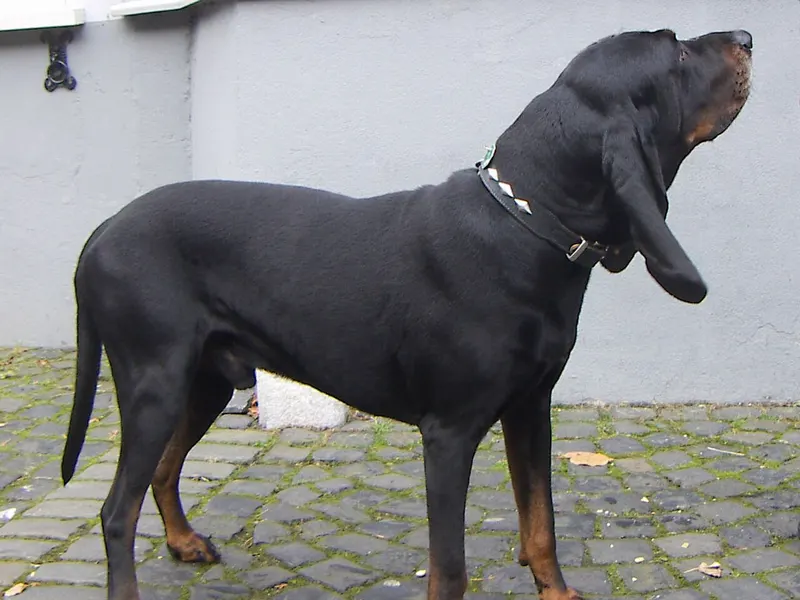
Black and Tan Coonhound
Hound
55–110 lbs · 10–12 yrs
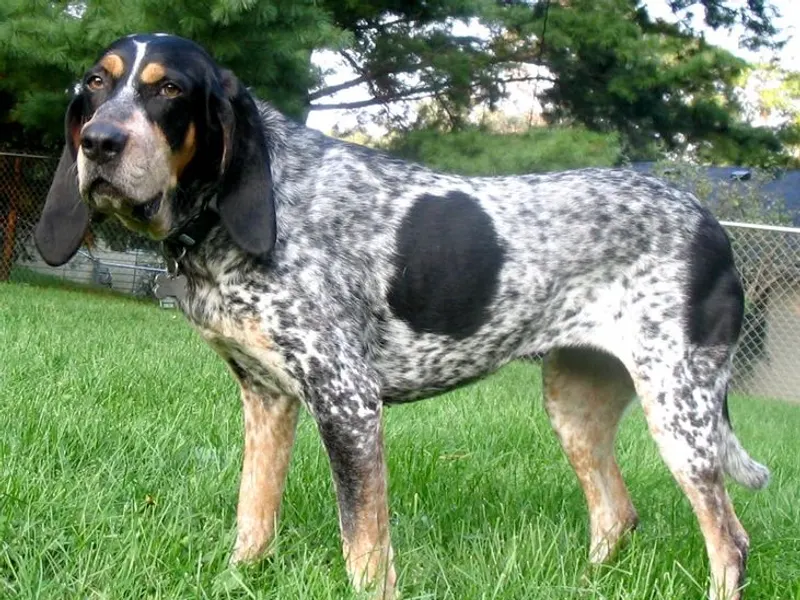
Bluetick Coonhound
Hound
45–100 lbs · 11–12 yrs
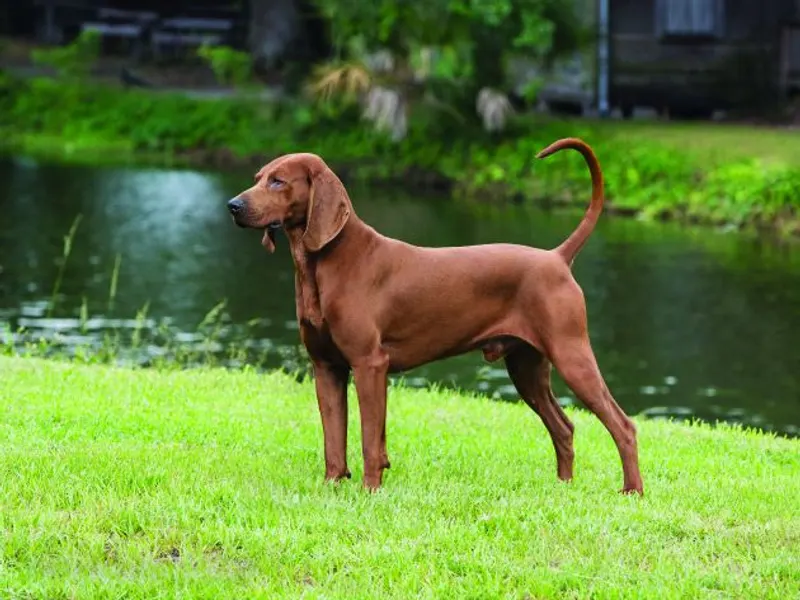
Redbone Coonhound
Hound
45–70 lbs · 12–15 yrs
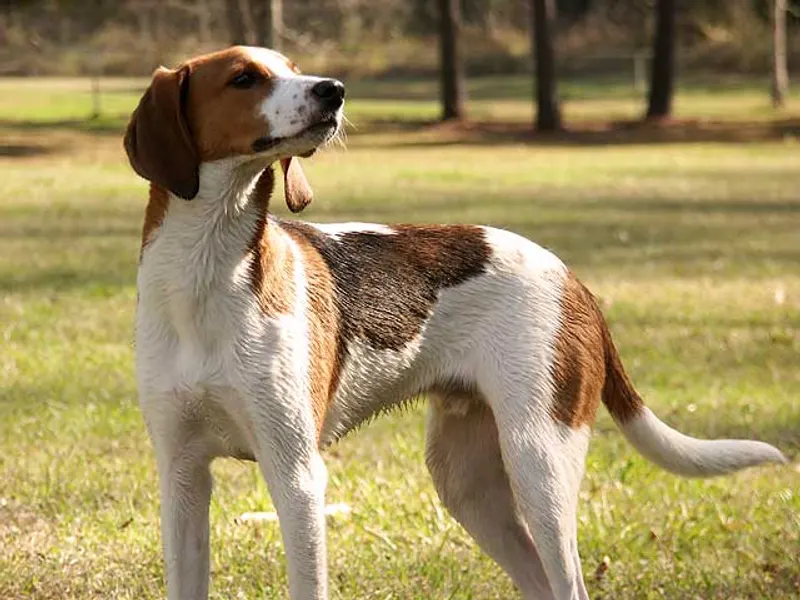
Treeing Walker Coonhound
Hound
50–70 lbs · 12–13 yrs
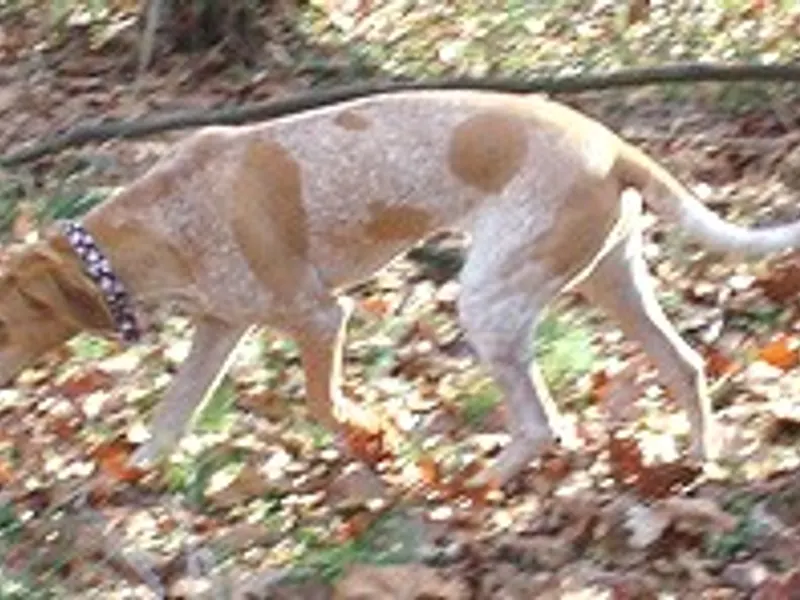
American English Coonhound
Hound
45–65 lbs · 11–12 yrs
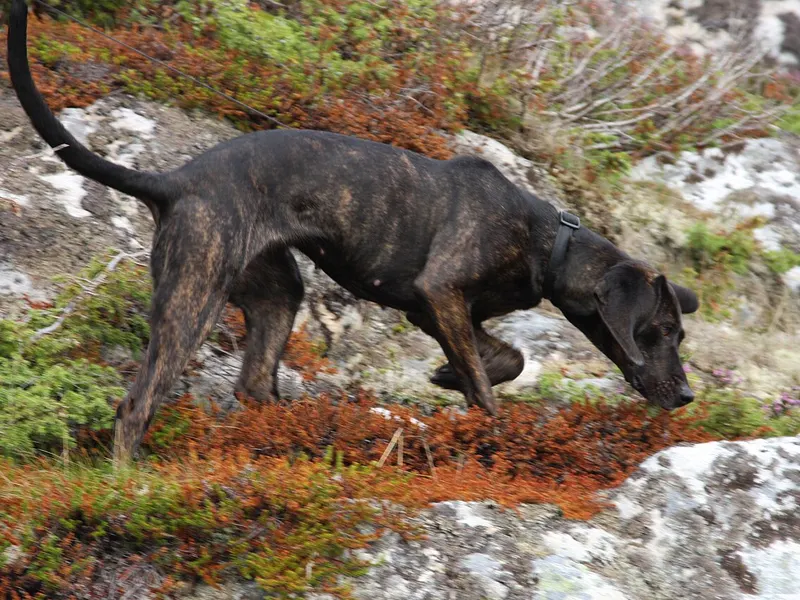
Plott Hound
Hound
40–60 lbs · 12–14 yrs
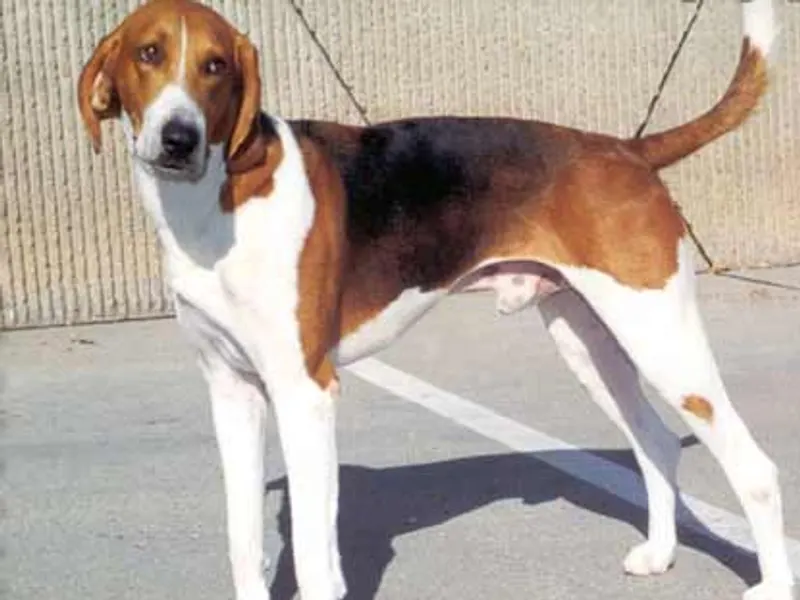
American Foxhound
Hound
45–70 lbs · 11–13 yrs
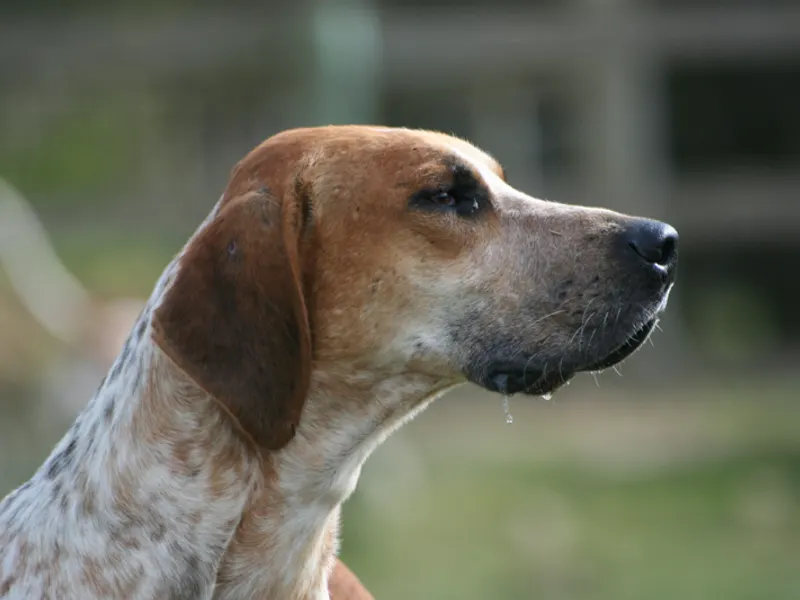
English Foxhound
Hound
55–75 lbs · 10–13 yrs
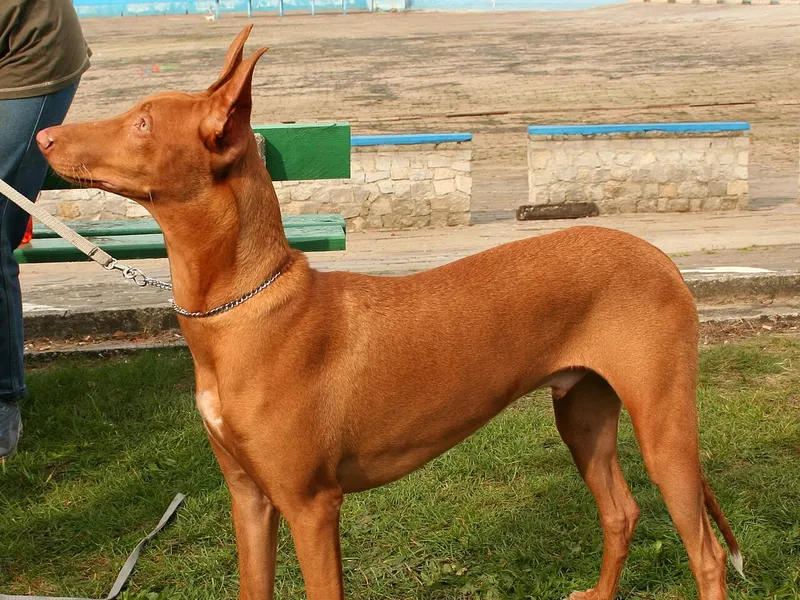
Pharaoh Hound
Hound
45–55 lbs · 11–14 yrs
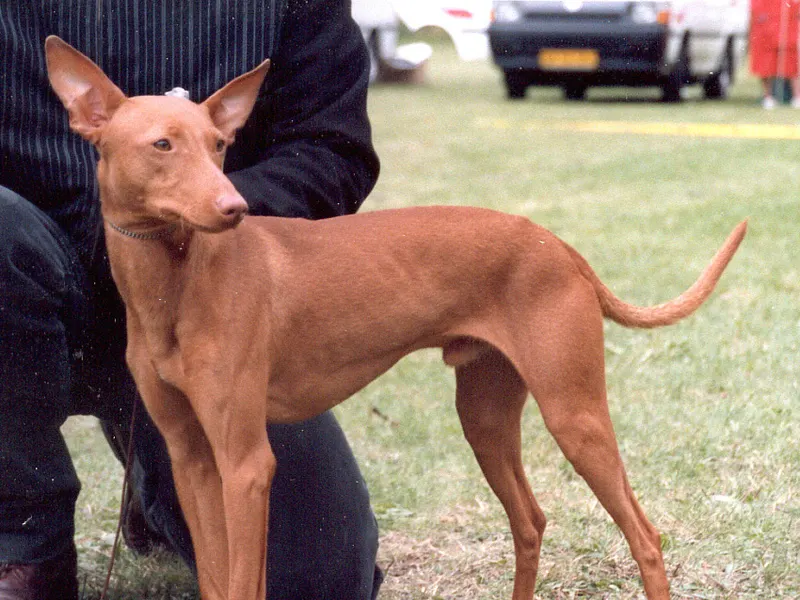
Cirneco dell'Etna
Hound
17–26 lbs · 12–14 yrs
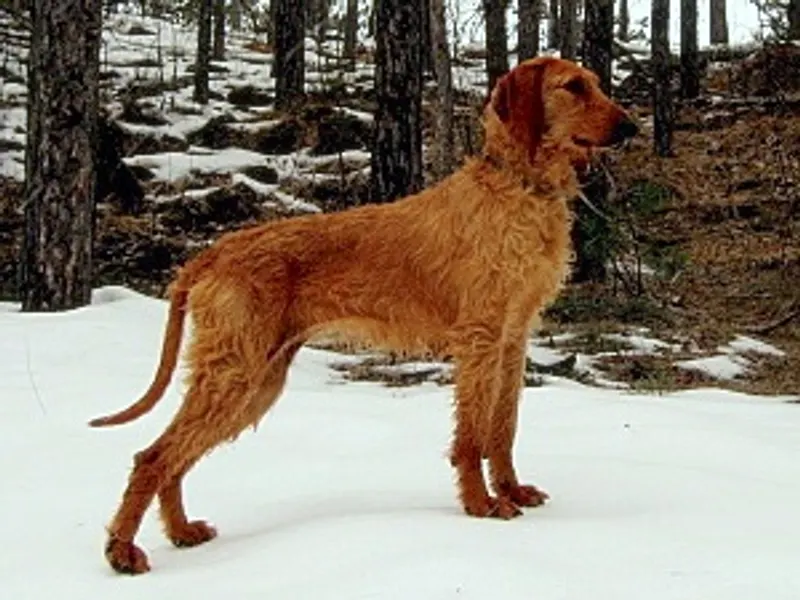
Segugio Italiano
Hound
40–62 lbs · 13–15 yrs
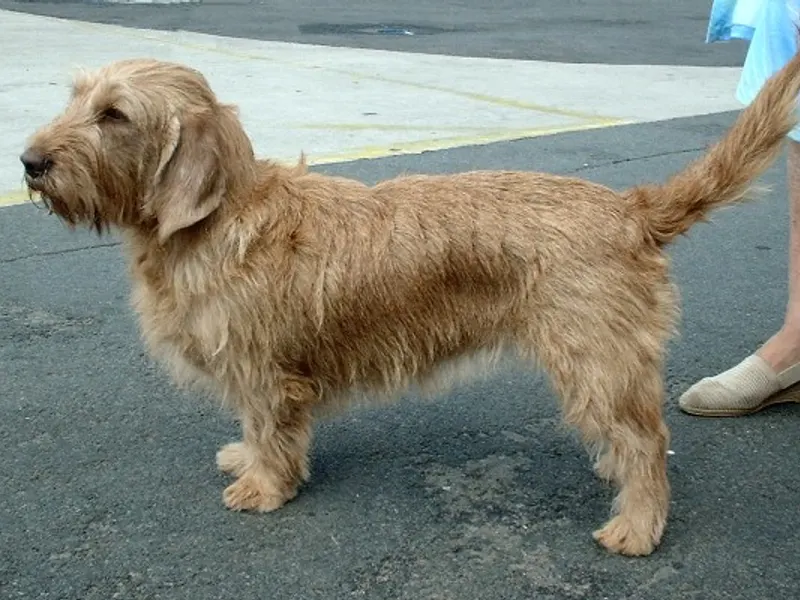
Basset Fauve de Bretagne
Hound
25–35 lbs · 13–14 yrs
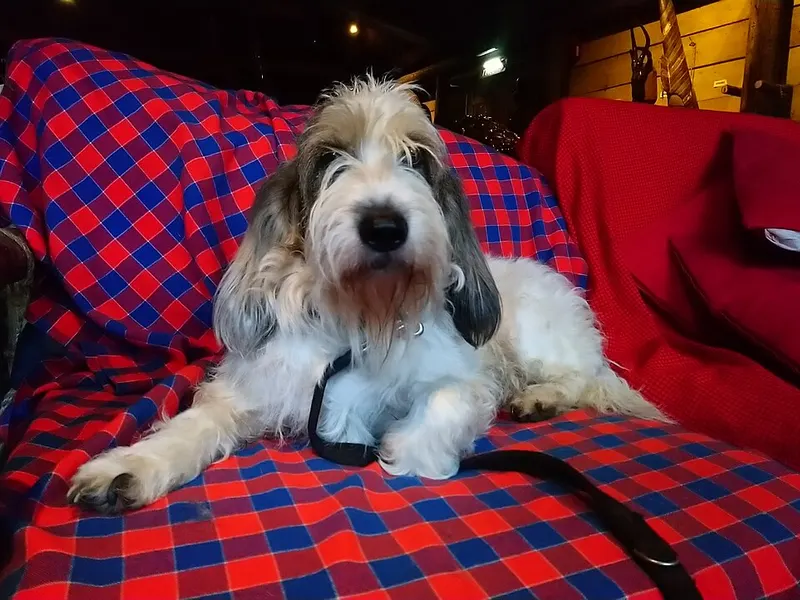
Grand Basset Griffon Vendéen
Hound
40–45 lbs · 12–14 yrs
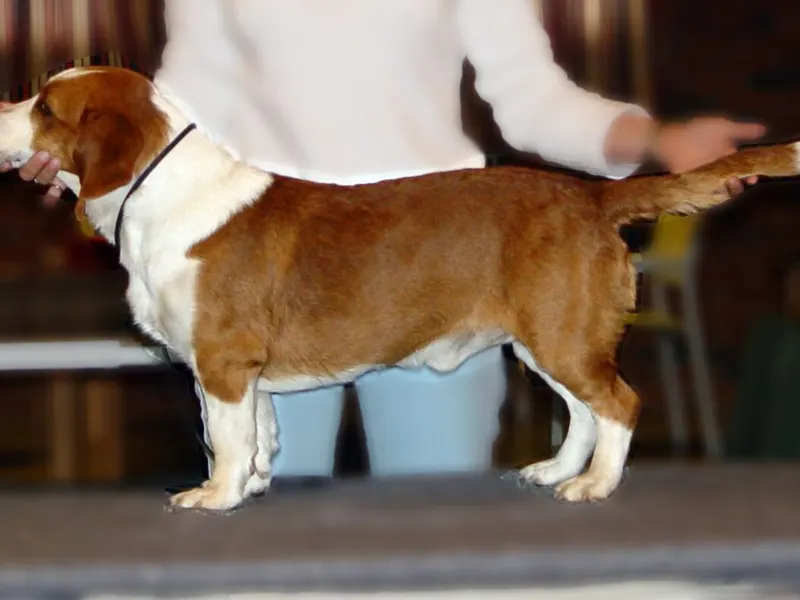
Drever
Hound
30–35 lbs · 12–14 yrs
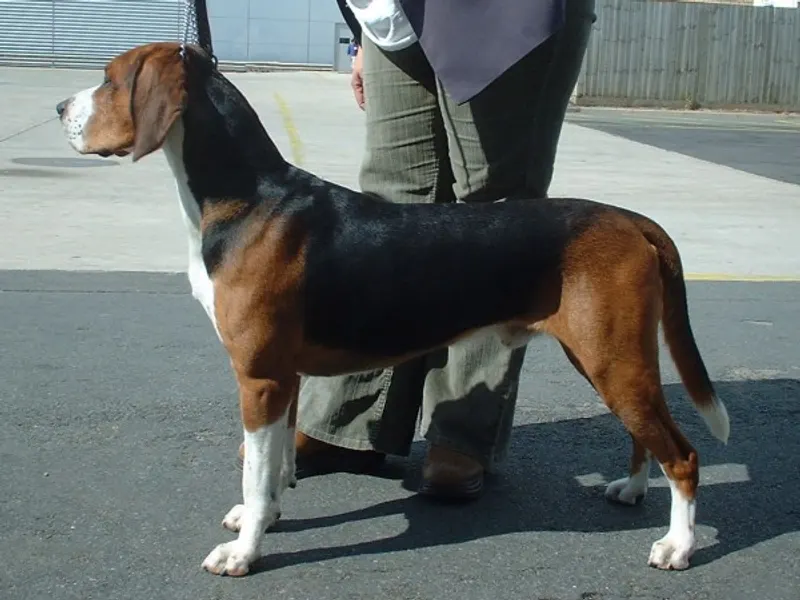
Hamiltonstovare
Hound
40–60 lbs · 12–13 yrs
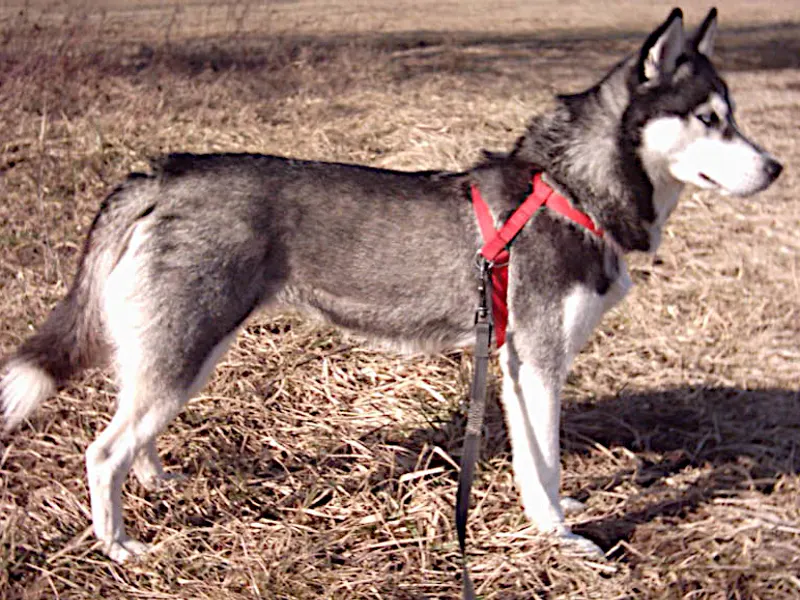
Siberian Husky
Working
35–60 lbs · 12–14 yrs
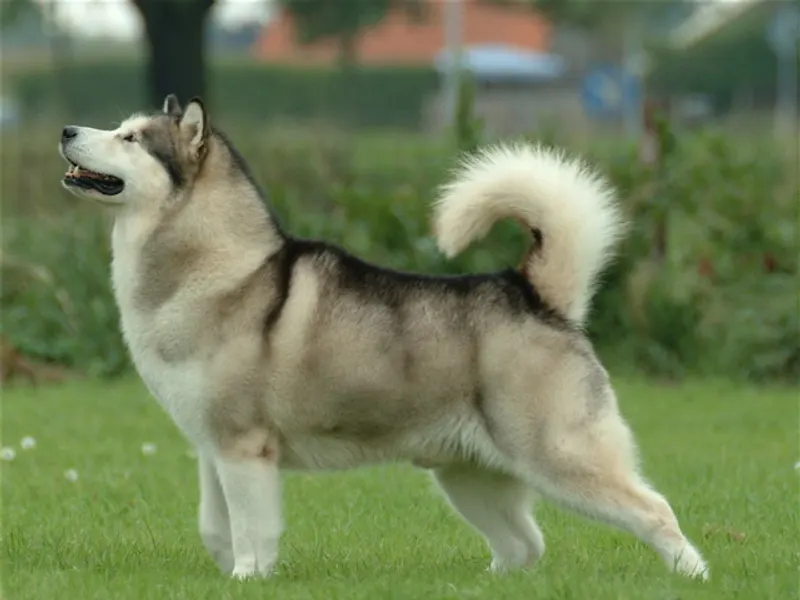
Alaskan Malamute
Working
75–85 lbs · 10–14 yrs
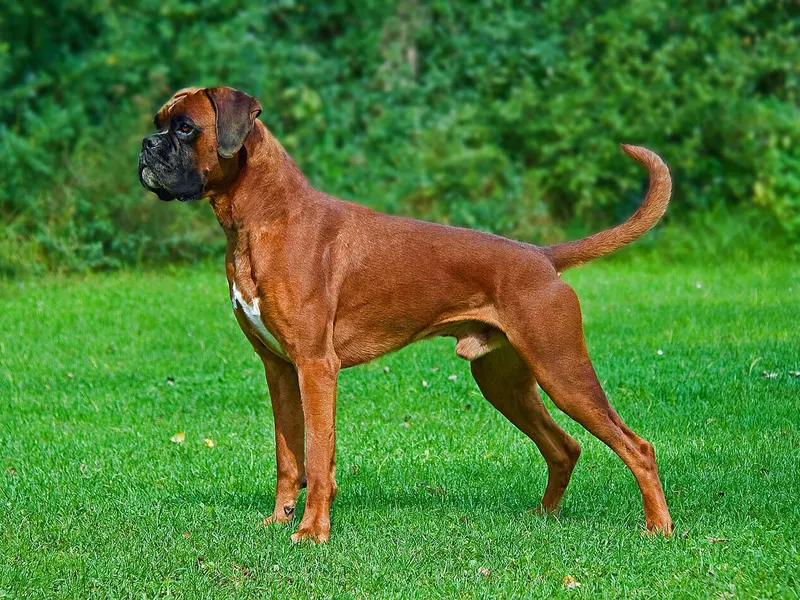
Boxer
Working
50–80 lbs · 10–12 yrs
Doberman Pinscher
Working
60–100 lbs · 10–13 yrs
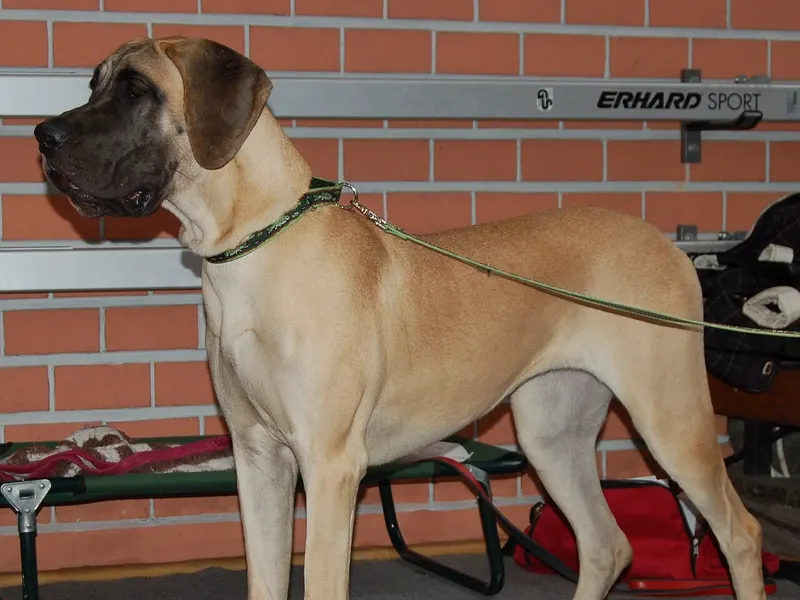
Great Dane
Working
110–175 lbs · 7–10 yrs
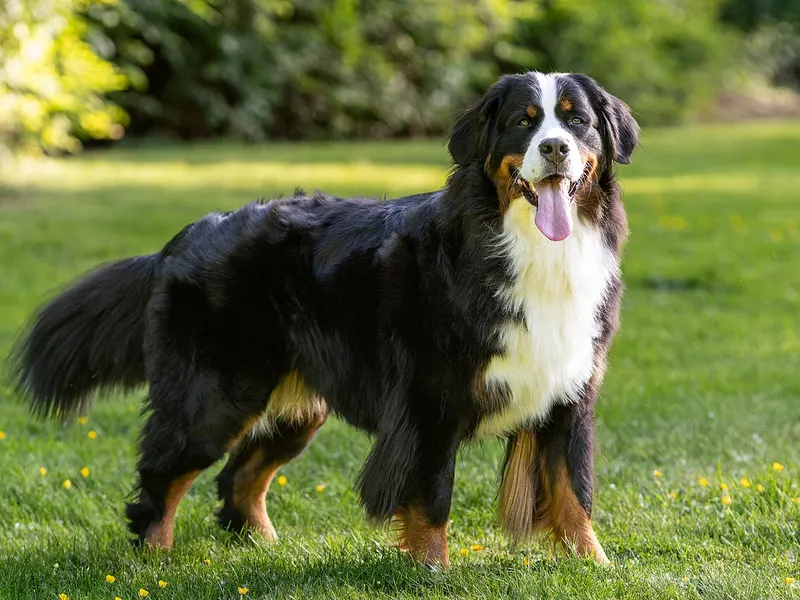
Bernese Mountain Dog
Working
70–115 lbs · 7–10 yrs
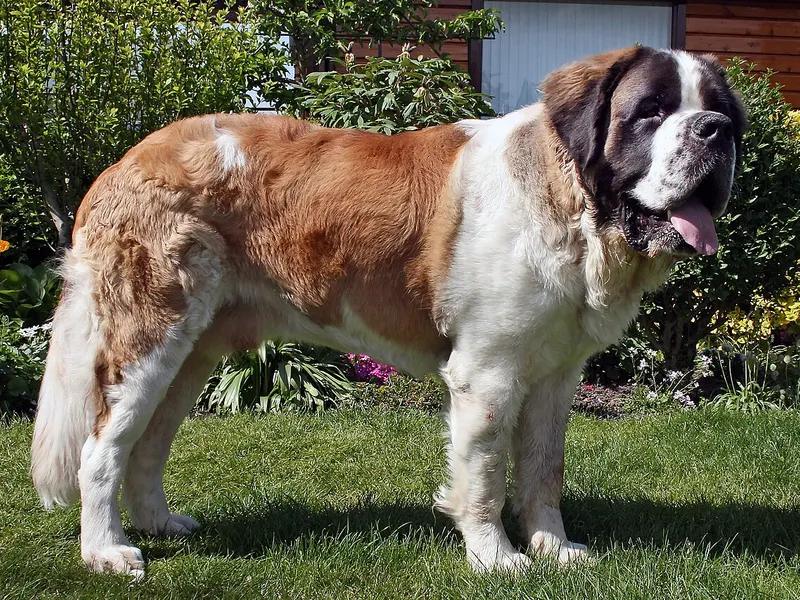
Saint Bernard
Working
120–180 lbs · 8–10 yrs
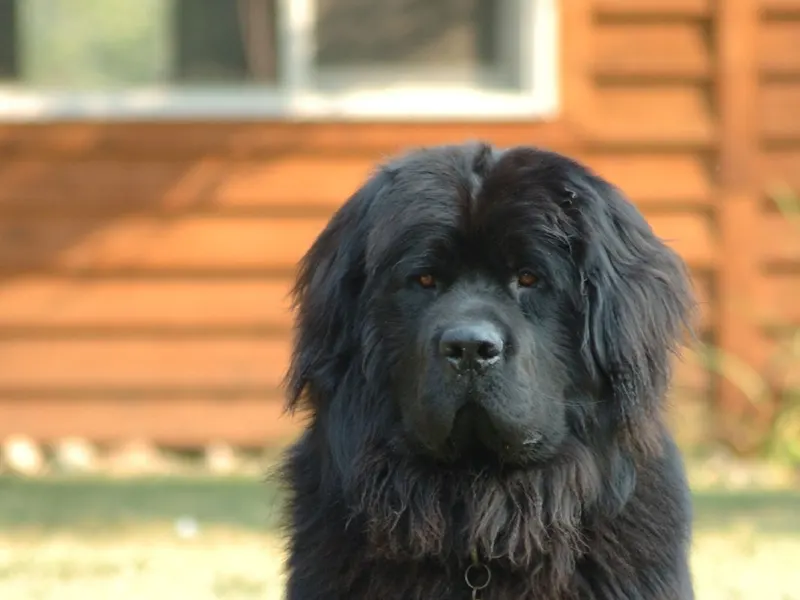
Newfoundland
Working
100–150 lbs · 9–10 yrs
Mastiff
Working
120–230 lbs · 6–10 yrs
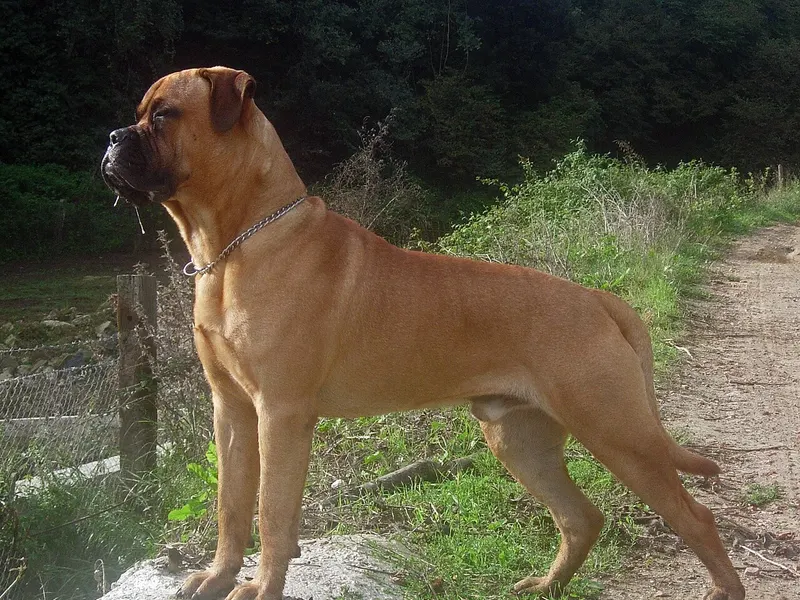
Bullmastiff
Working
100–130 lbs · 7–9 yrs
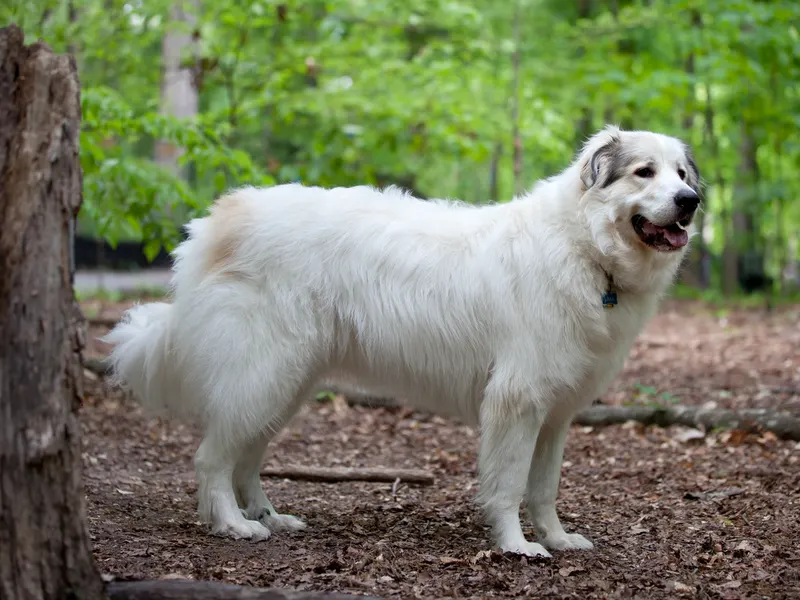
Great Pyrenees
Working
85–115 lbs · 10–12 yrs
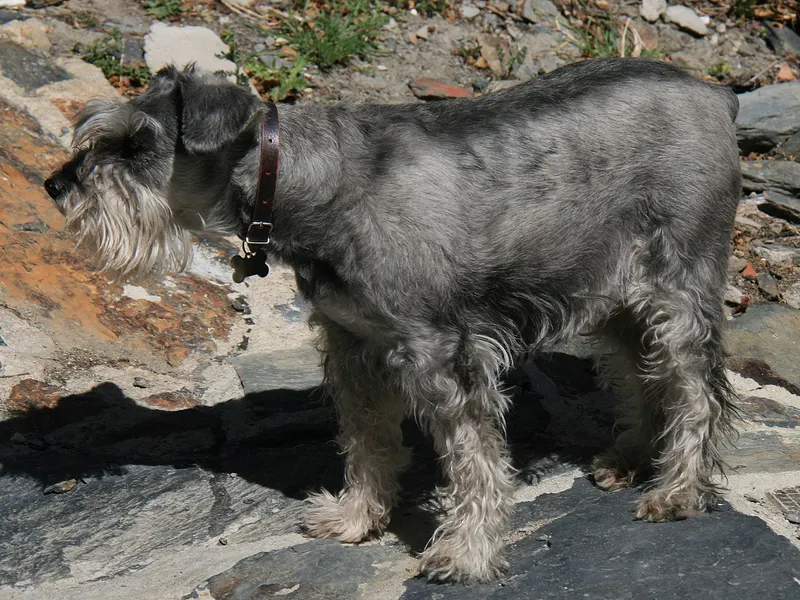
Standard Schnauzer
Working
30–50 lbs · 13–16 yrs
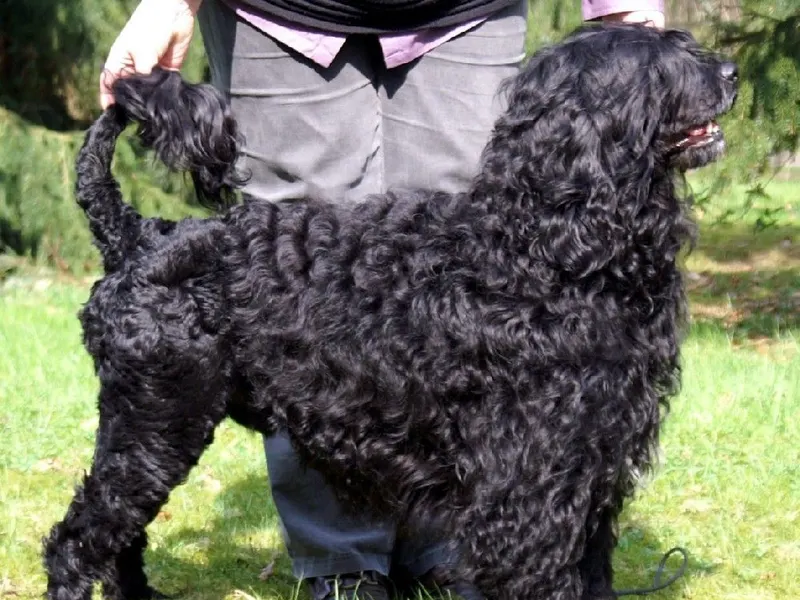
Portuguese Water Dog
Working
35–60 lbs · 11–13 yrs
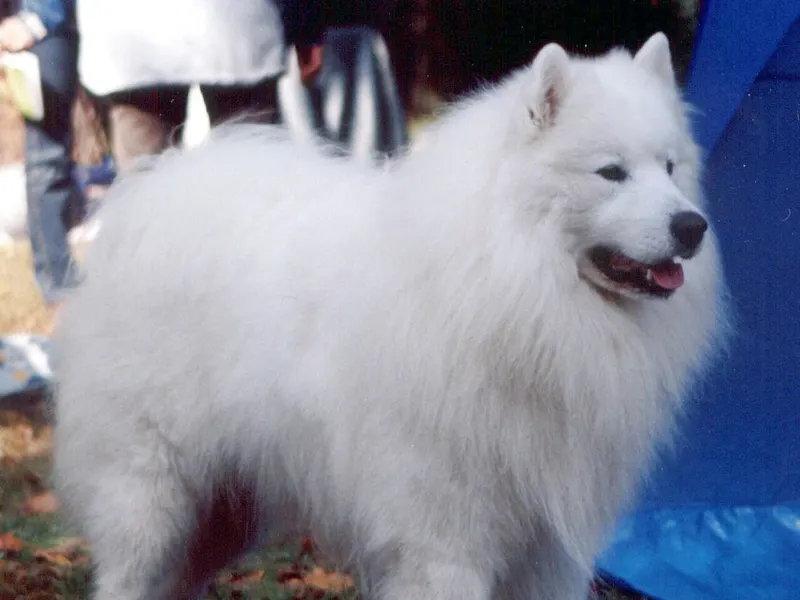
Samoyed
Working
35–65 lbs · 12–14 yrs
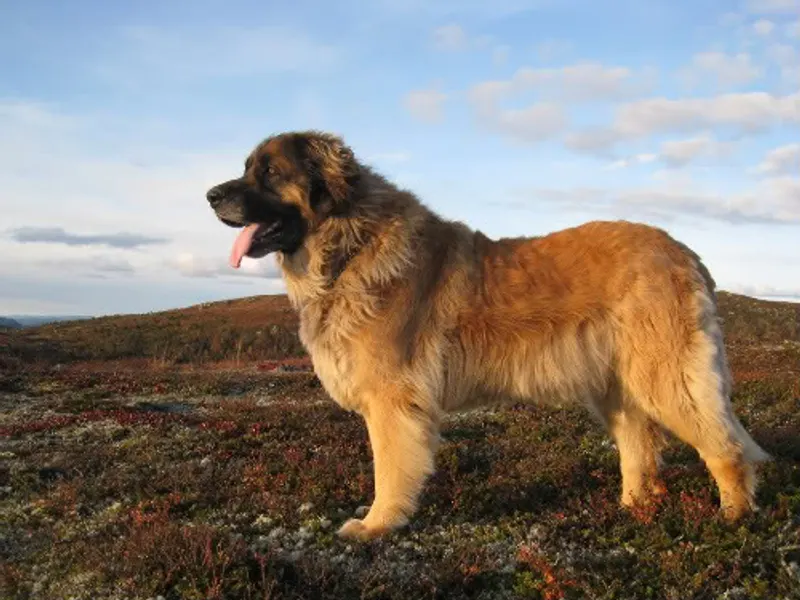
Leonberger
Working
90–170 lbs · 7–9 yrs
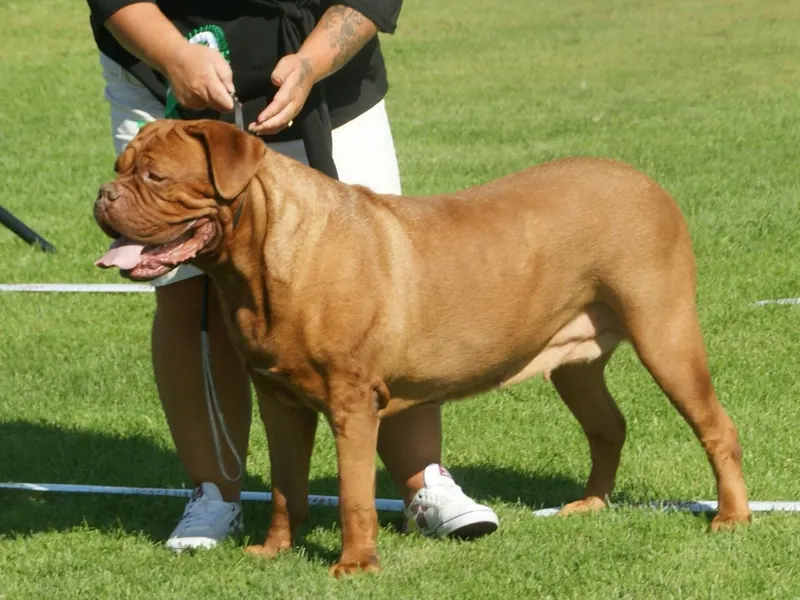
Dogue de Bordeaux
Working
99–110 lbs · 5–8 yrs
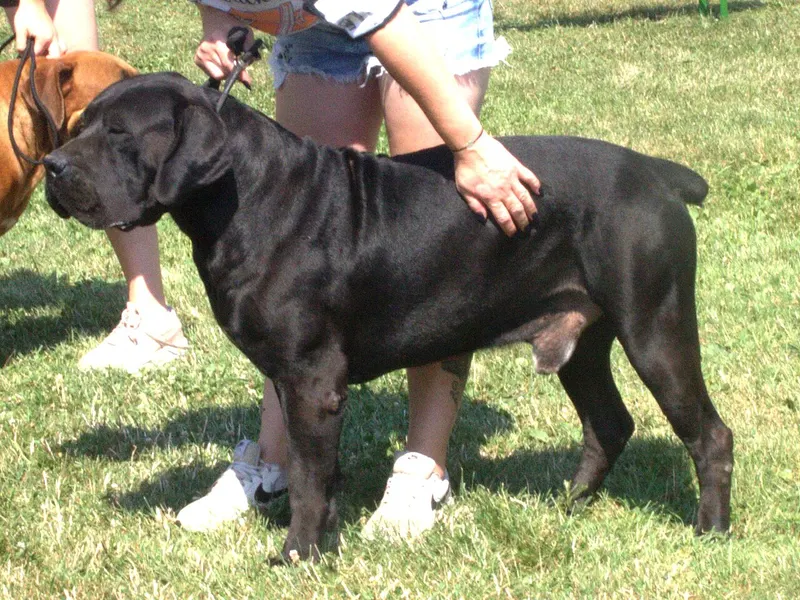
Boerboel
Working
150–200 lbs · 9–11 yrs
Chinook
Working
50–90 lbs · 12–15 yrs
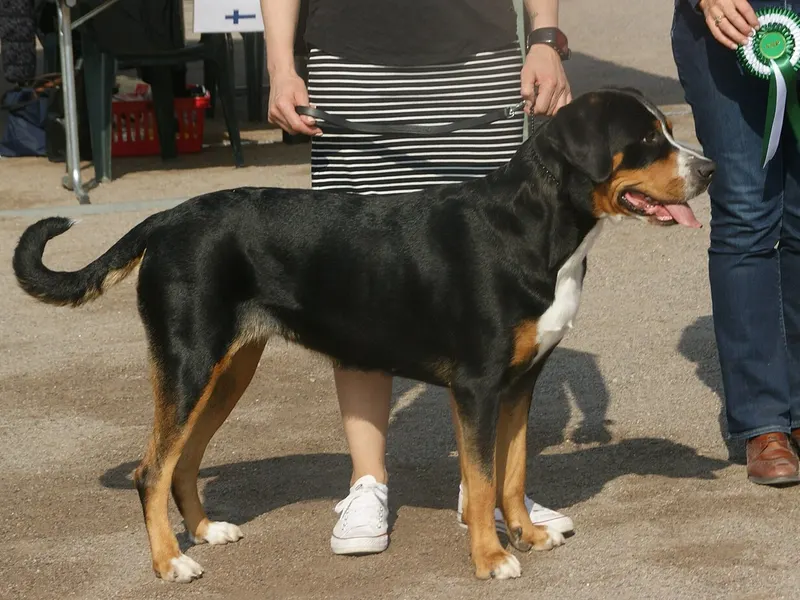
Greater Swiss Mountain Dog
Working
85–140 lbs · 8–11 yrs
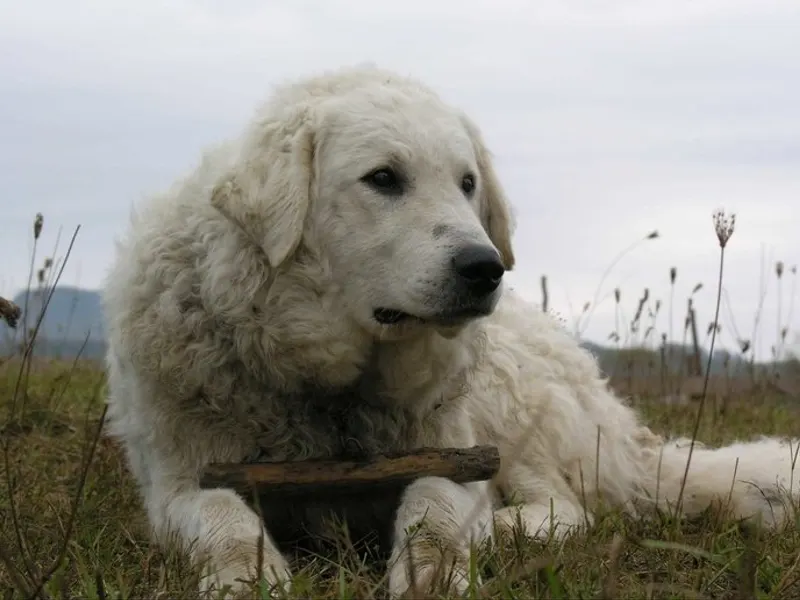
Kuvasz
Working
70–115 lbs · 10–12 yrs
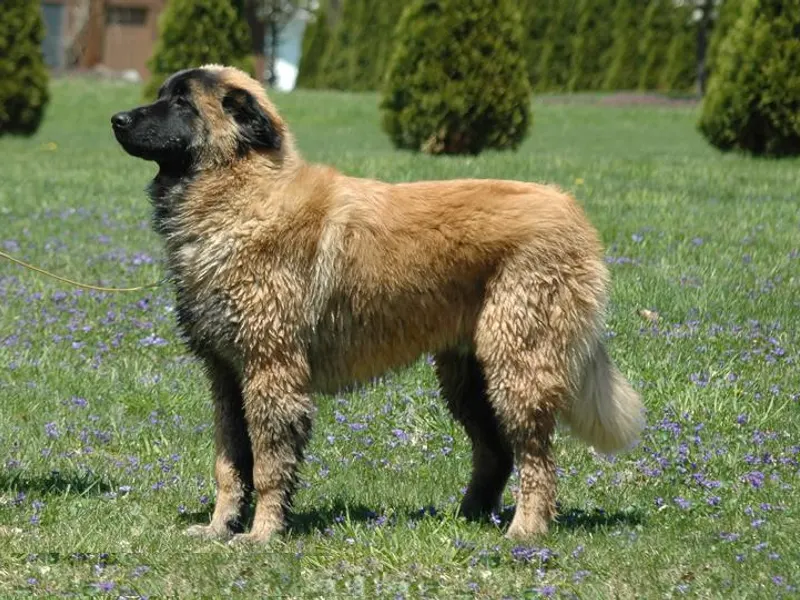
Estrela Mountain Dog
Working
66–110 lbs · 10–12 yrs
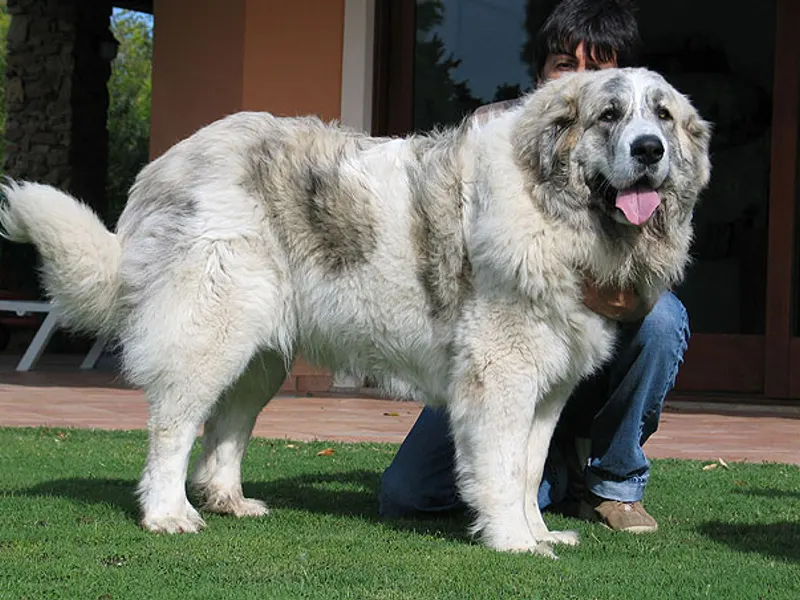
Pyrenean Mastiff
Working
120–240 lbs · 10–11 yrs
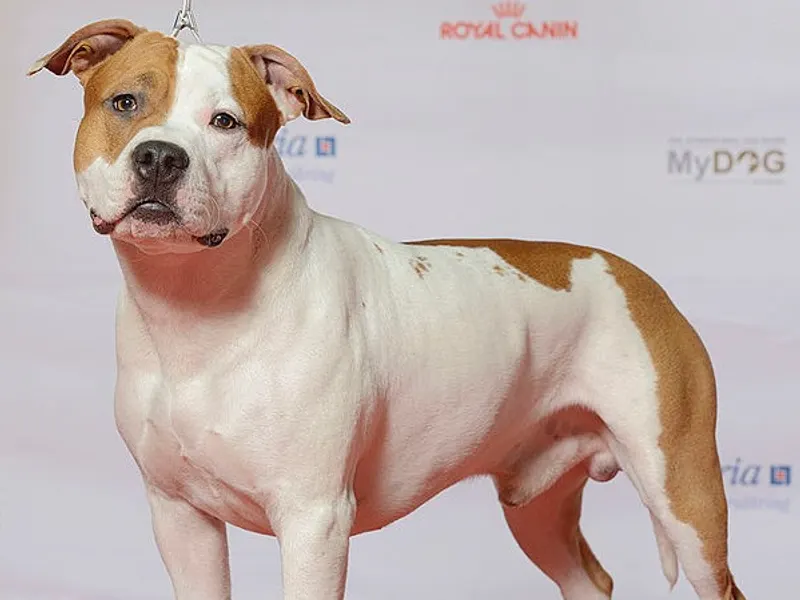
American Staffordshire Terrier
Terrier
40–70 lbs · 12–16 yrs
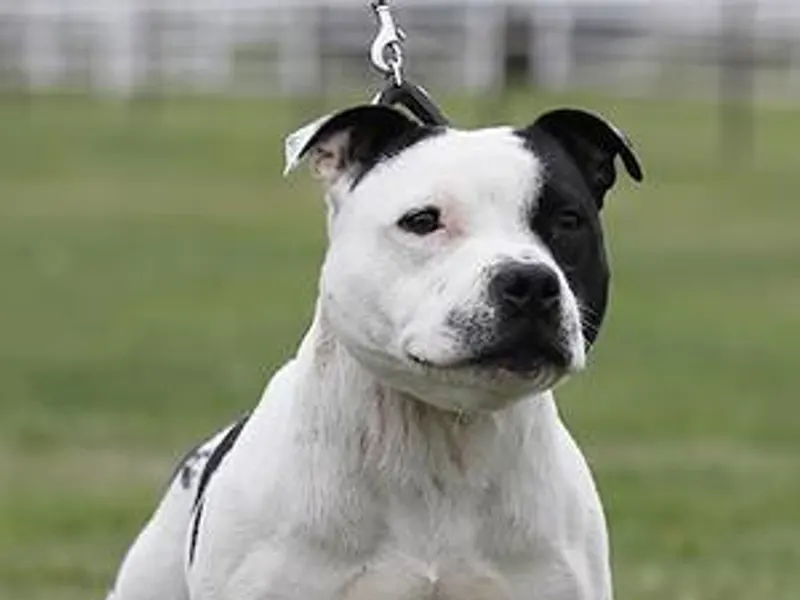
Staffordshire Bull Terrier
Terrier
24–38 lbs · 12–14 yrs
Airedale Terrier
Terrier
50–70 lbs · 11–14 yrs
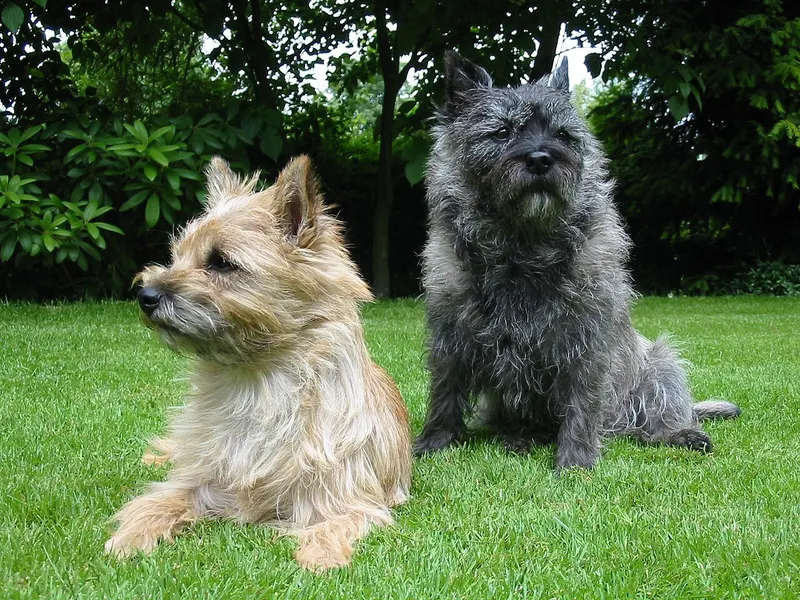
Cairn Terrier
Terrier
13–14 lbs · 13–15 yrs
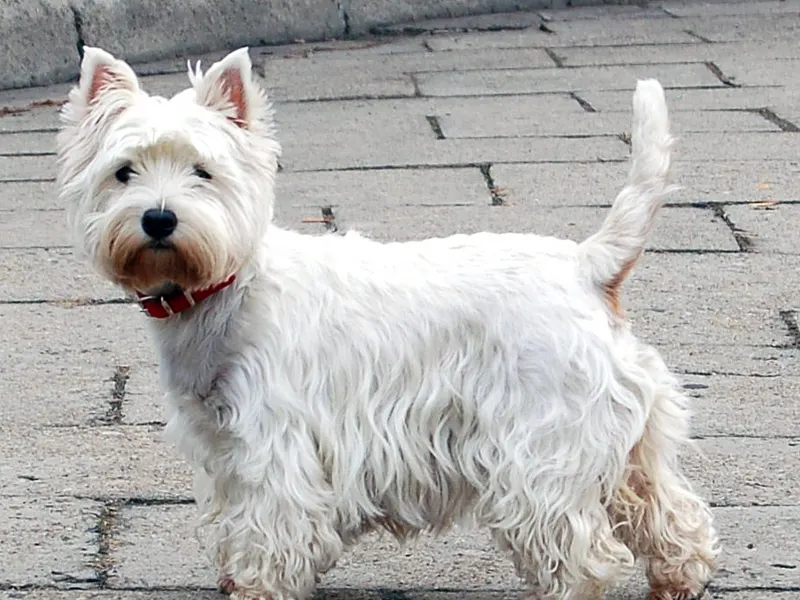
West Highland White Terrier
Terrier
13–22 lbs · 12–16 yrs
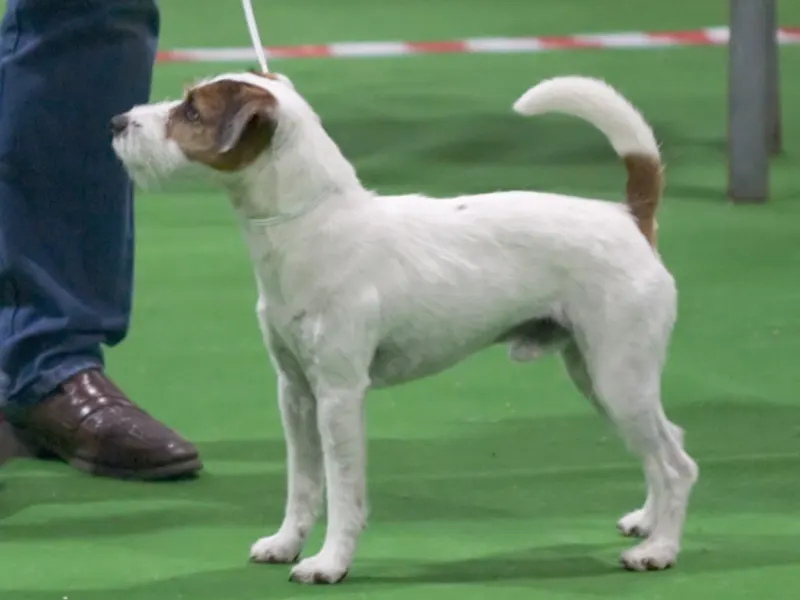
Parson Russell Terrier
Terrier
13–17 lbs · 13–15 yrs
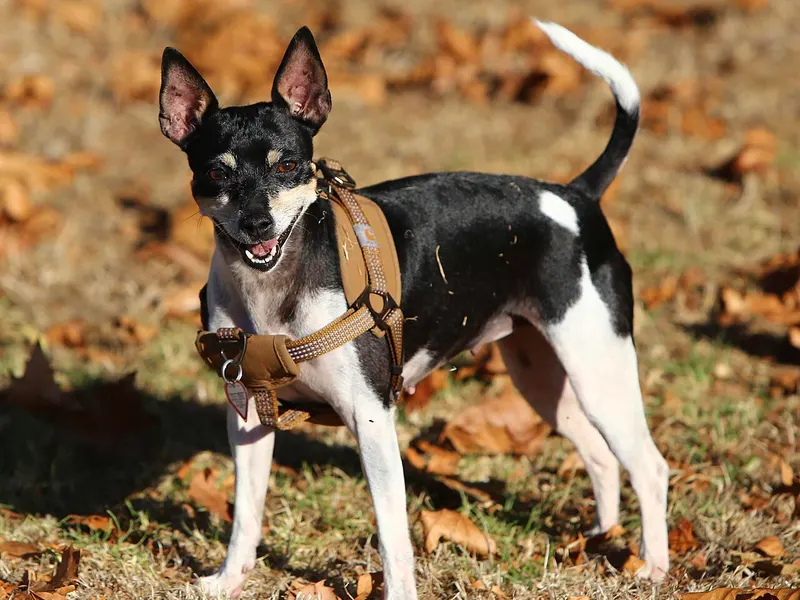
Rat Terrier
Terrier
10–25 lbs · 15–18 yrs
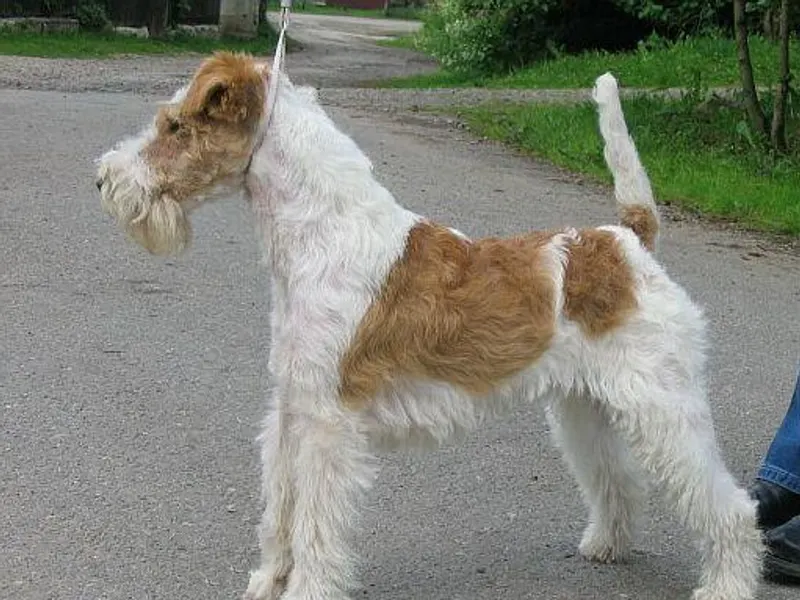
Wire Fox Terrier
Terrier
15–19 lbs · 12–15 yrs
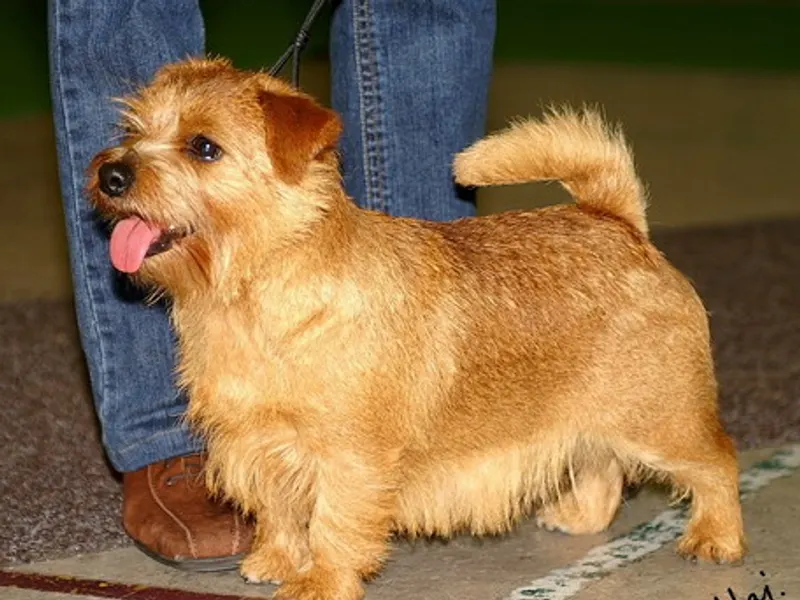
Norfolk Terrier
Terrier
11–12 lbs · 12–15 yrs
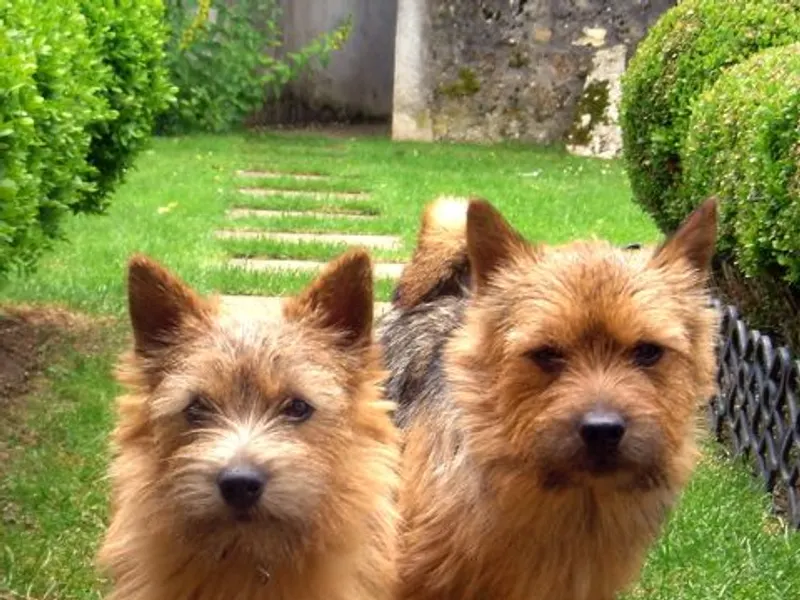
Norwich Terrier
Terrier
11–12 lbs · 12–15 yrs
Border Terrier
Terrier
11.5–15.5 lbs · 12–15 yrs
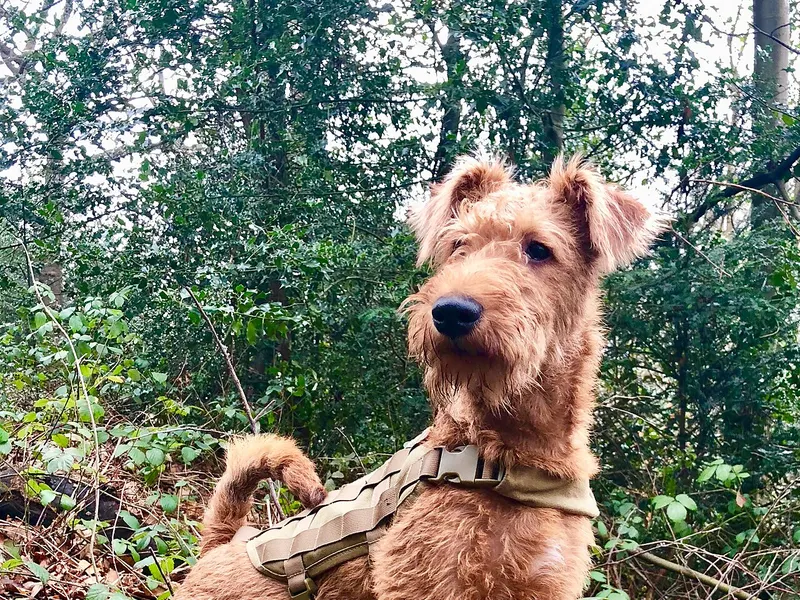
Irish Terrier
Terrier
25–27 lbs · 13–15 yrs
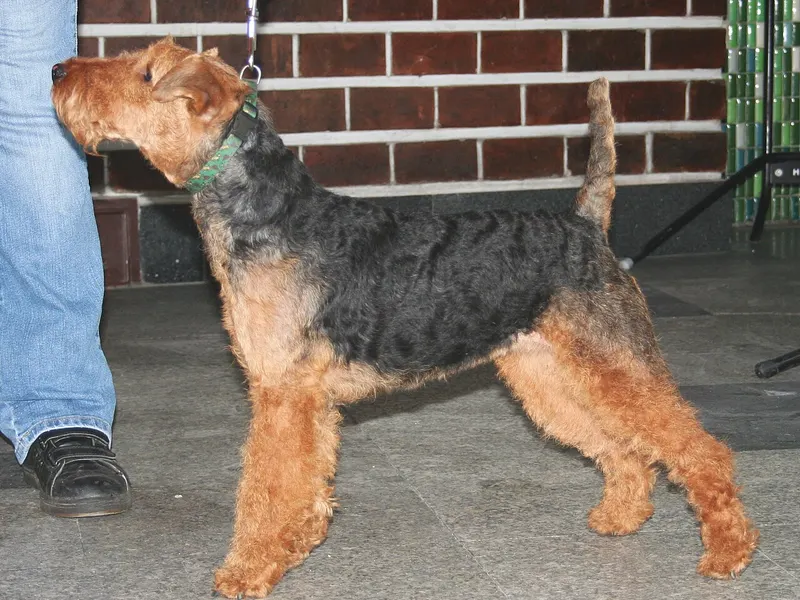
Welsh Terrier
Terrier
20–21 lbs · 12–15 yrs
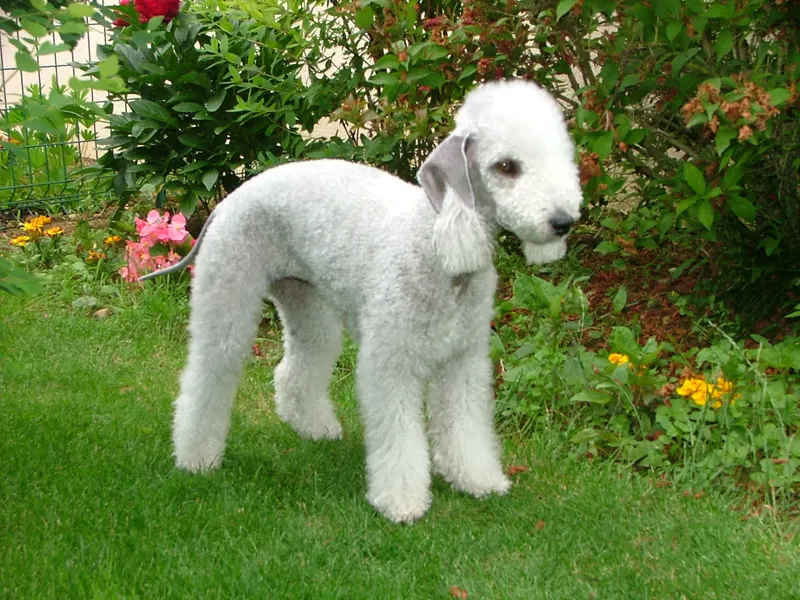
Bedlington Terrier
Terrier
17–23 lbs · 11–16 yrs
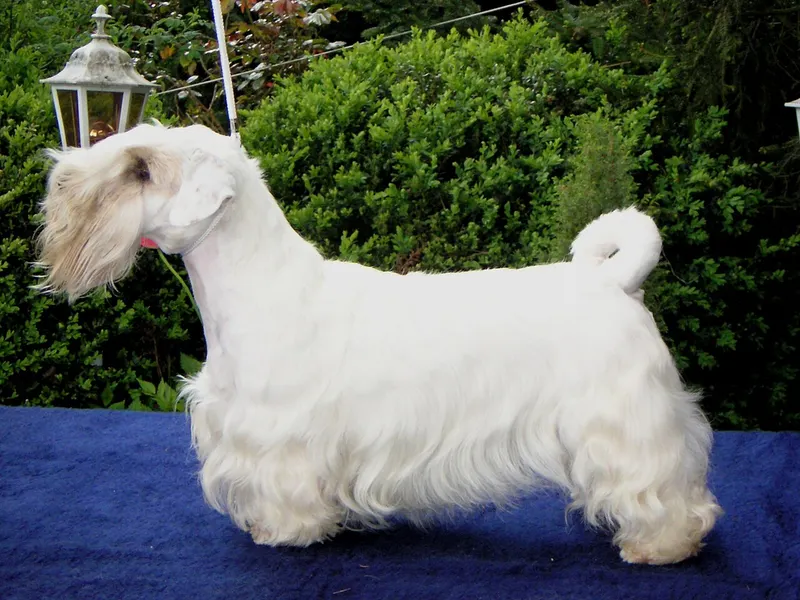
Sealyham Terrier
Terrier
23–24 lbs · 12–14 yrs
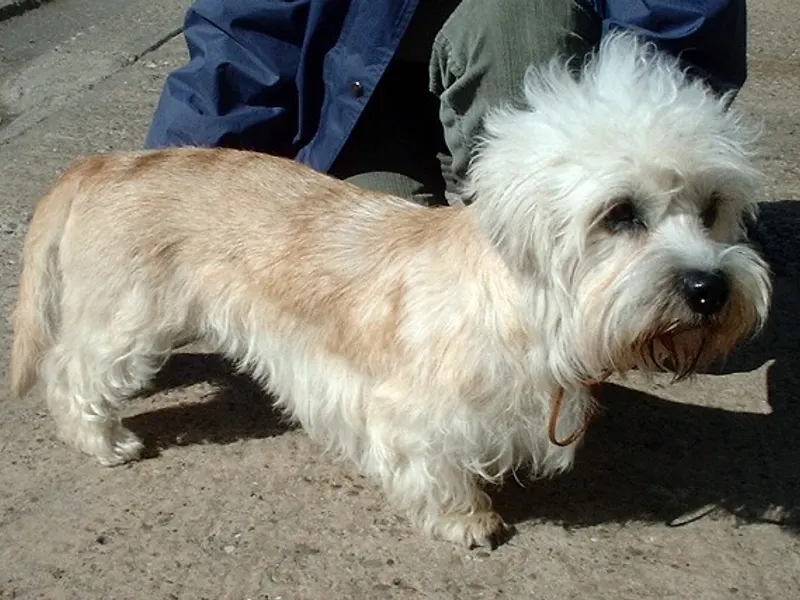
Dandie Dinmont Terrier
Terrier
18–24 lbs · 12–15 yrs
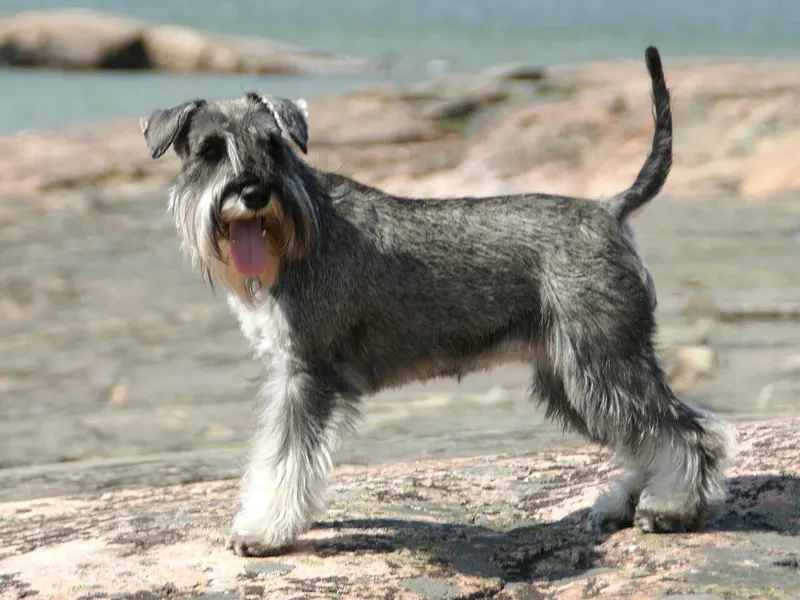
Miniature Schnauzer
Terrier
11–20 lbs · 12–15 yrs
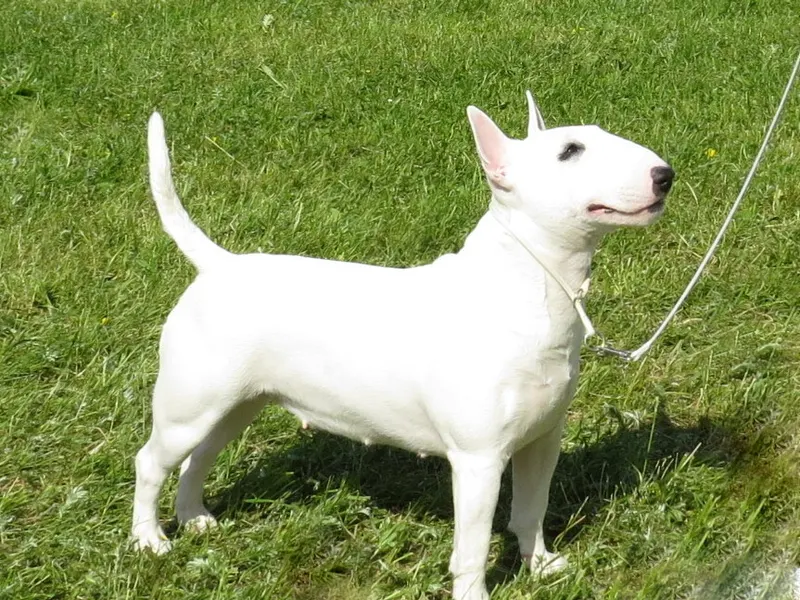
Miniature Bull Terrier
Terrier
25–33 lbs · 11–14 yrs
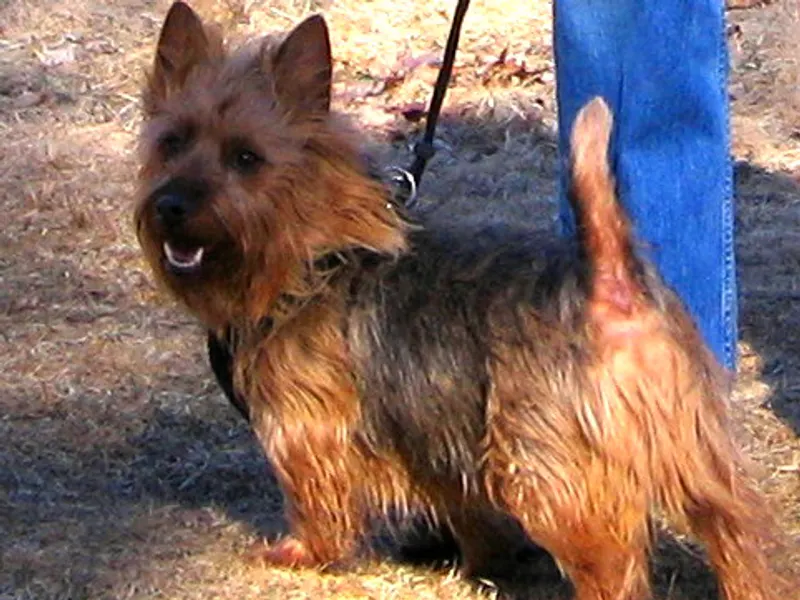
Australian Terrier
Terrier
14–16 lbs · 11–15 yrs
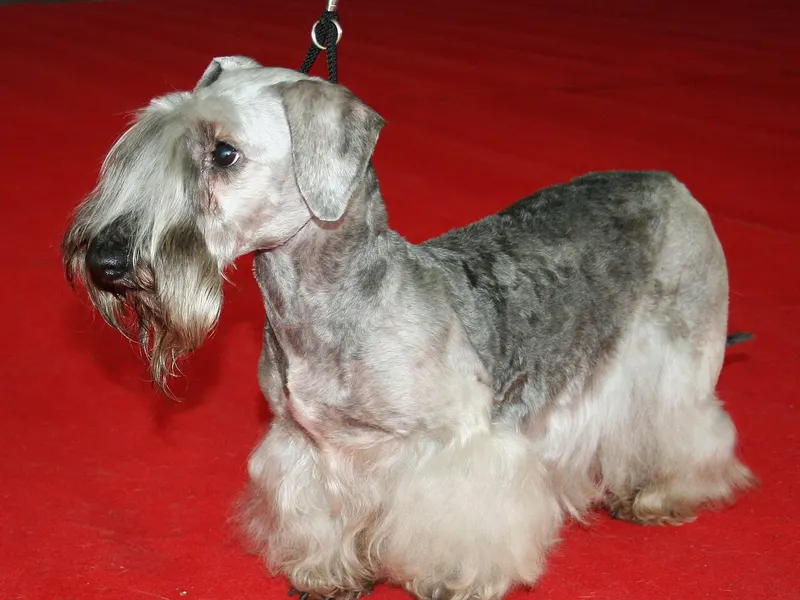
Cesky Terrier
Terrier
13–24 lbs · 12–15 yrs
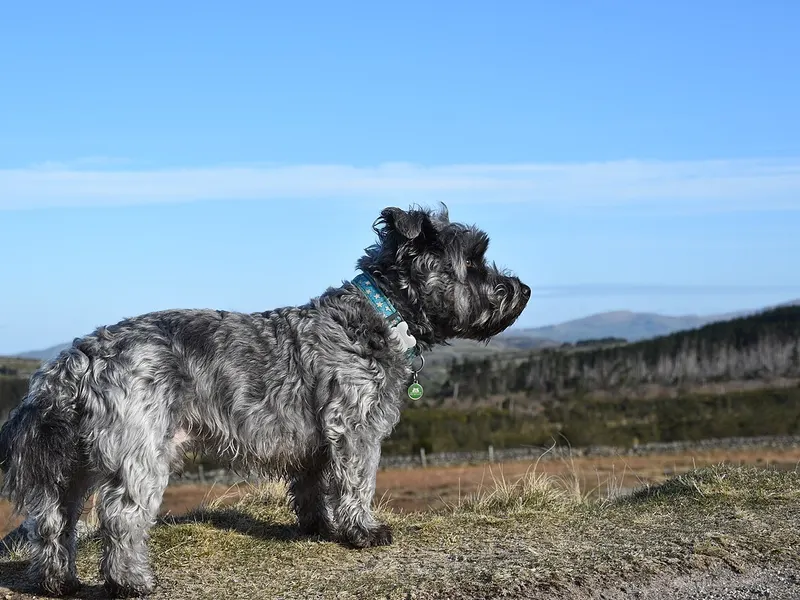
Glen of Imaal Terrier
Terrier
32–40 lbs · 10–15 yrs
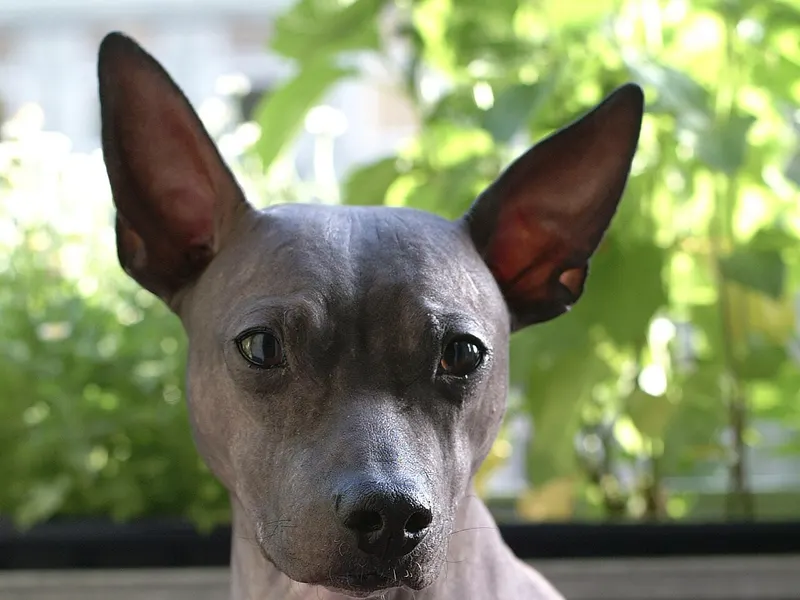
American Hairless Terrier
Terrier
5–16 lbs · 14–16 yrs
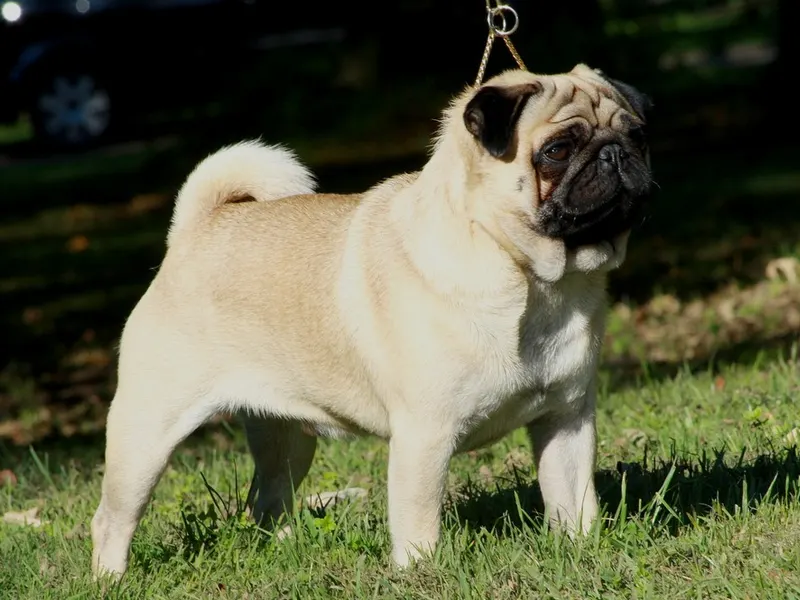
Pug
Toy
14–18 lbs · 13–15 yrs
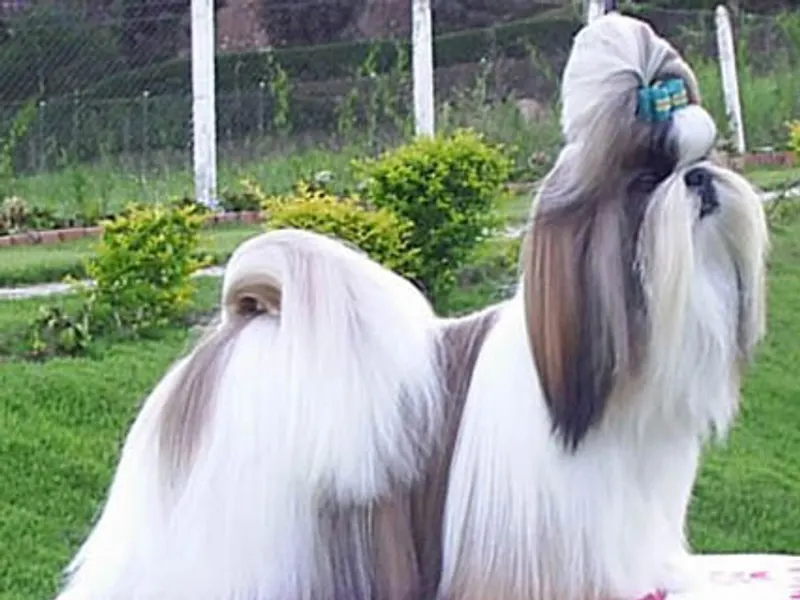
Shih Tzu
Toy
9–16 lbs · 10–16 yrs
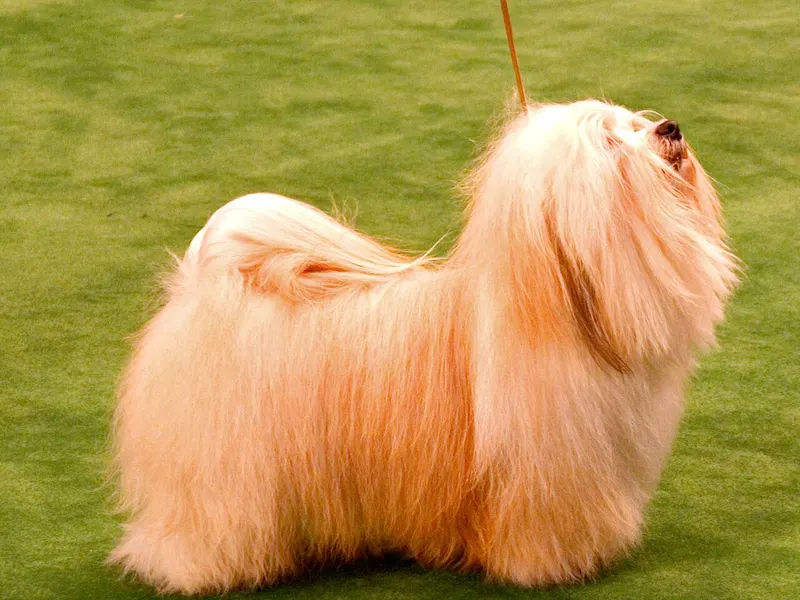
Havanese
Toy
7–13 lbs · 14–16 yrs
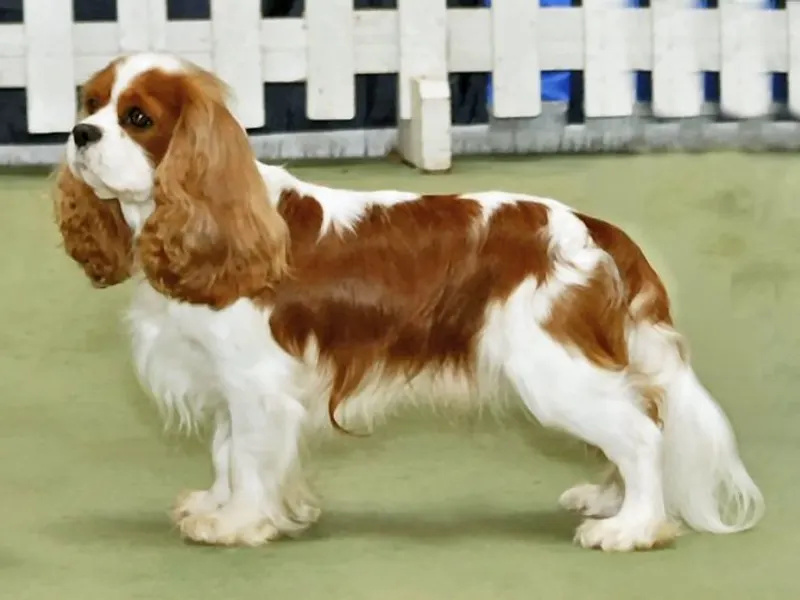
Cavalier King Charles Spaniel
Toy
13–18 lbs · 9–14 yrs
Bulldog
Non-Sporting
40–55 lbs · 8–10 yrs
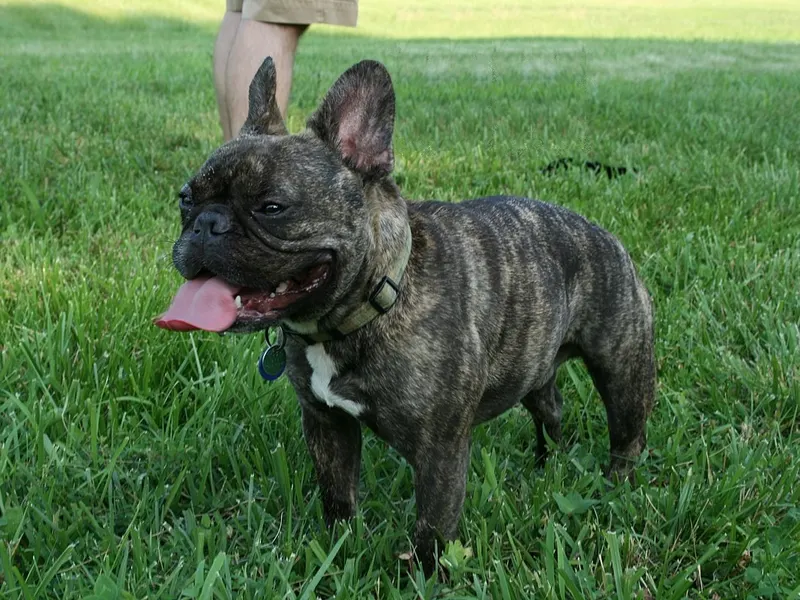
French Bulldog
Non-Sporting
16–28 lbs · 10–14 yrs
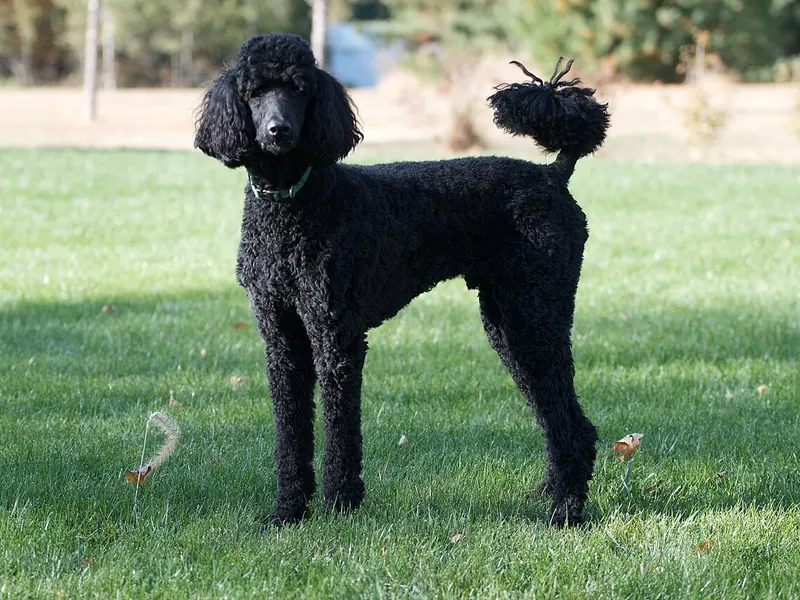
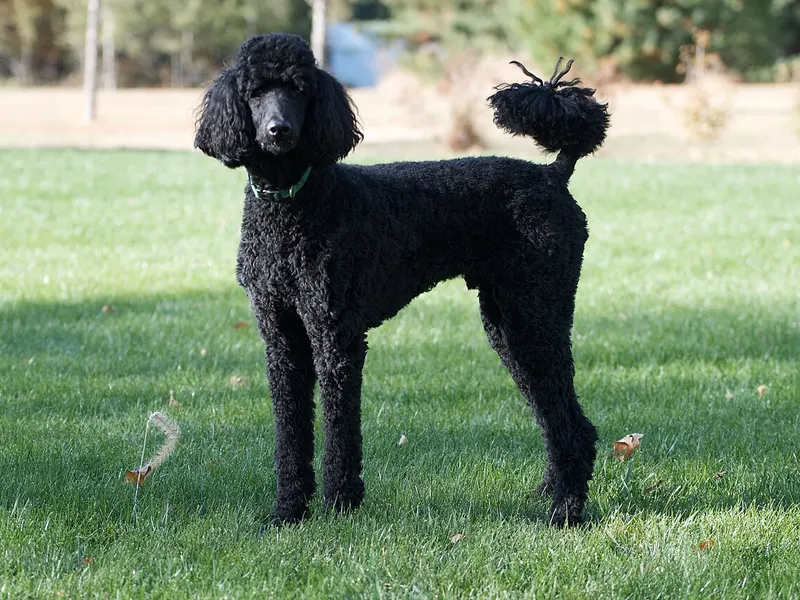
Standard Poodle
Non-Sporting
45–70 lbs · 10–13 yrs
Miniature Poodle
Non-Sporting
10–15 lbs · 12–15 yrs
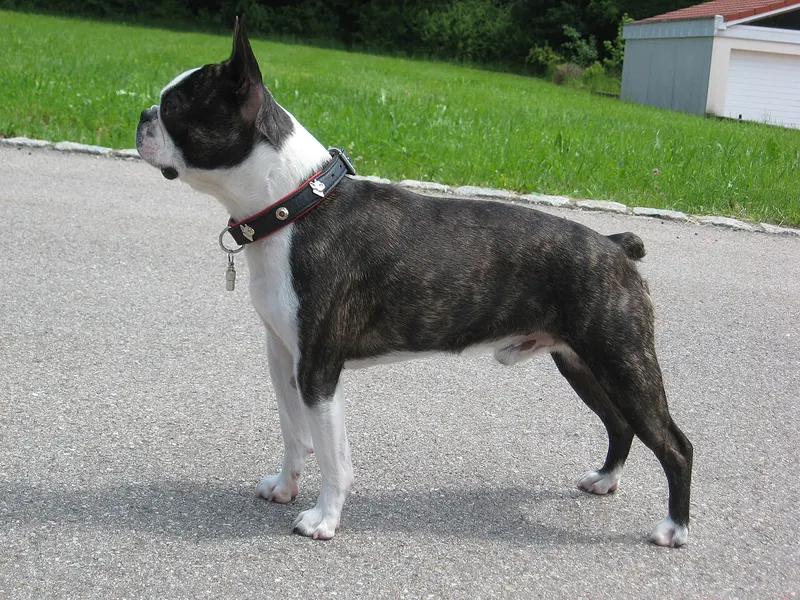
Boston Terrier
Non-Sporting
12–25 lbs · 11–13 yrs
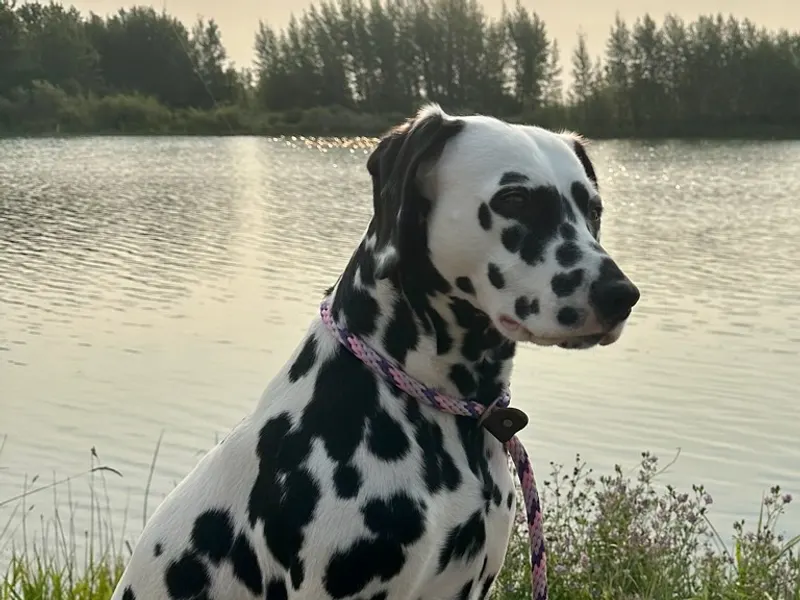
Dalmatian
Non-Sporting
45–70 lbs · 11–13 yrs
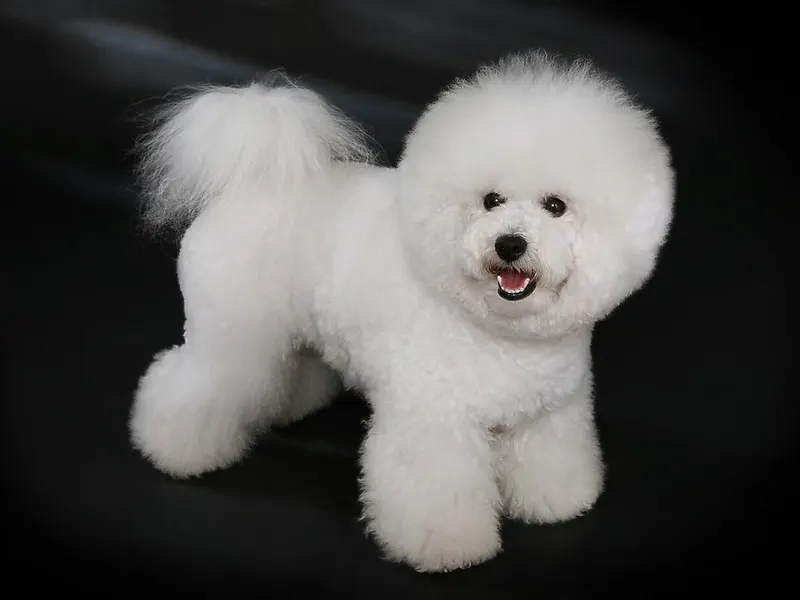
Bichon Frise
Non-Sporting
12–18 lbs · 14–15 yrs
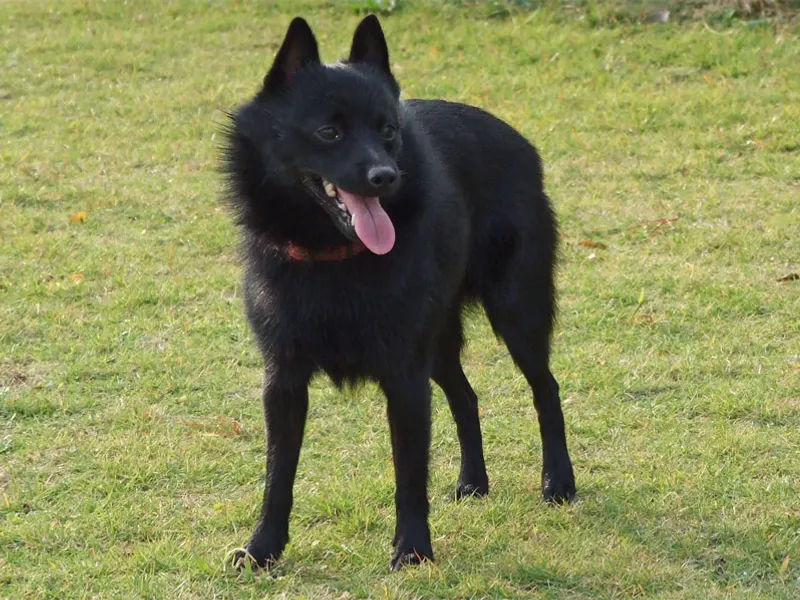
Schipperke
Non-Sporting
10–16 lbs · 12–14 yrs
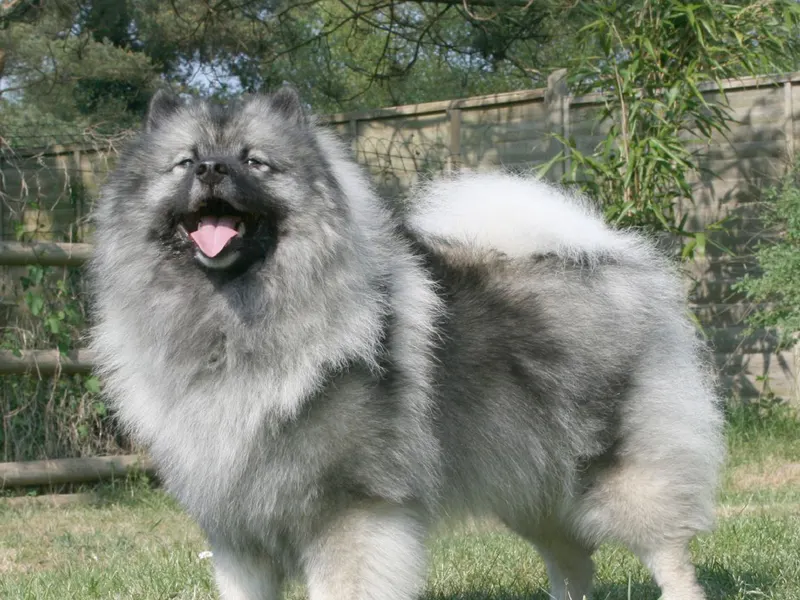
Keeshond
Non-Sporting
35–45 lbs · 12–15 yrs
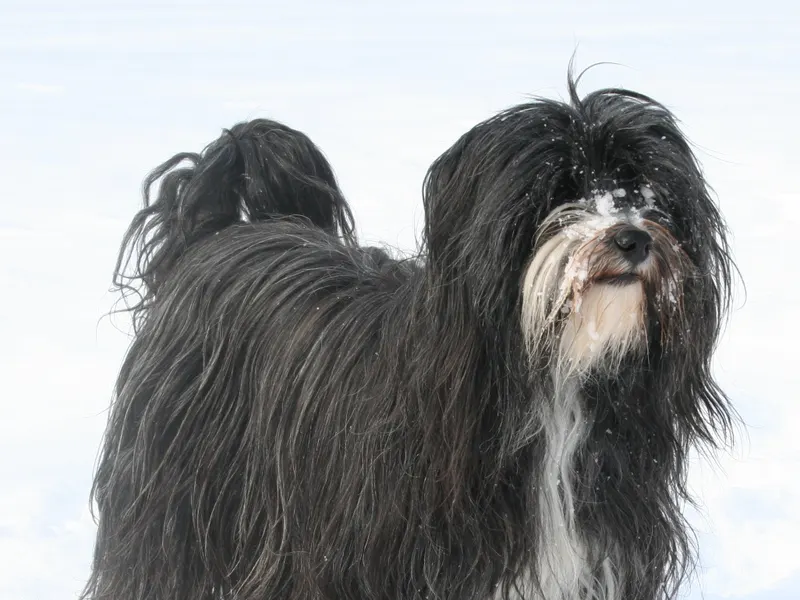
Tibetan Terrier
Non-Sporting
18–30 lbs · 12–15 yrs
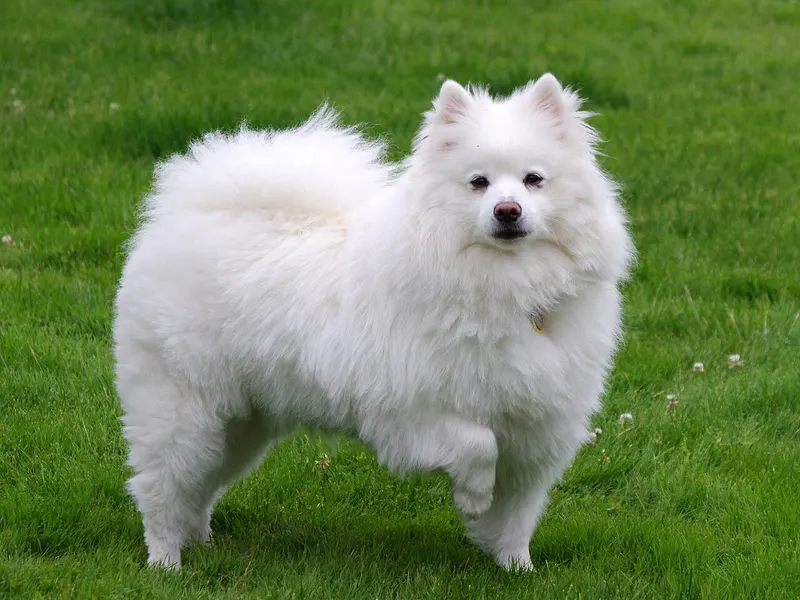
American Eskimo Dog
Non-Sporting
25–35 lbs · 13–15 yrs
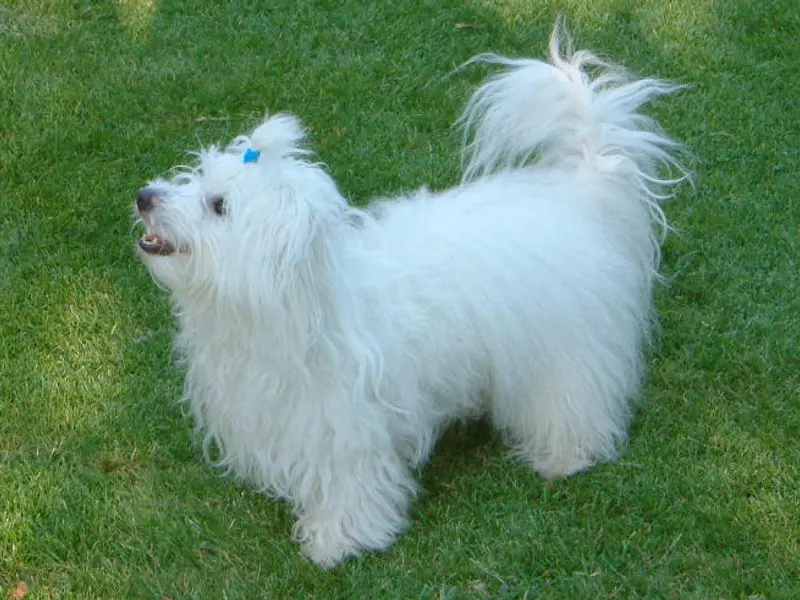
Coton de Tulear
Non-Sporting
8–15 lbs · 14–16 yrs
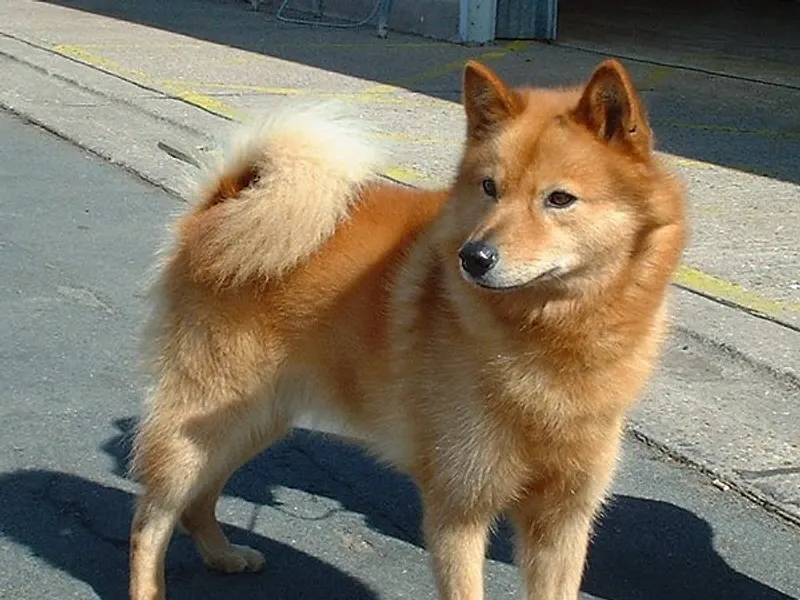
Finnish Spitz
Non-Sporting
20–33 lbs · 13–15 yrs
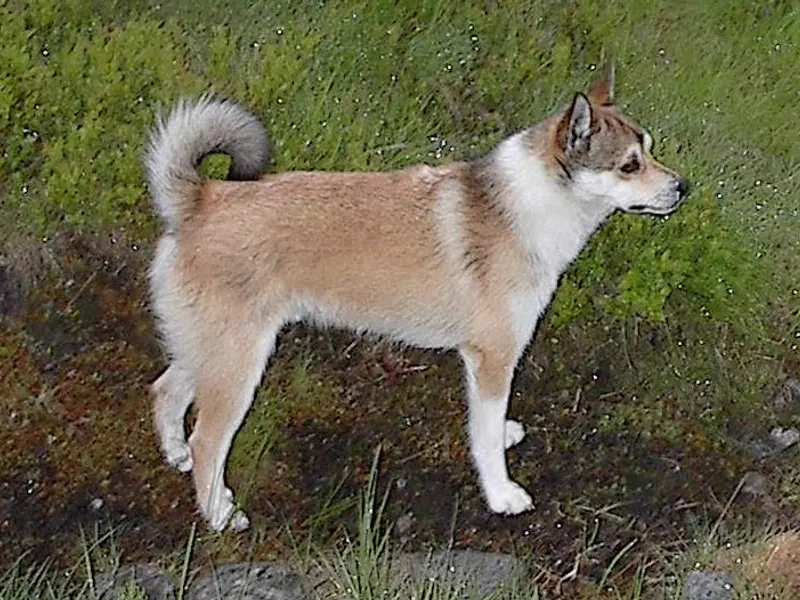
Norwegian Lundehund
Non-Sporting
13–16 lbs · 12–15 yrs
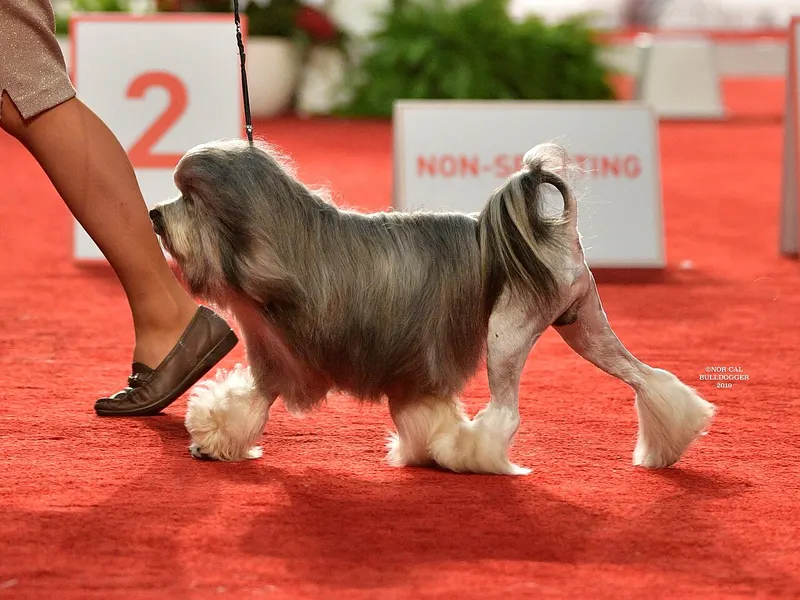
Löwchen
Non-Sporting
9–18 lbs · 13–15 yrs
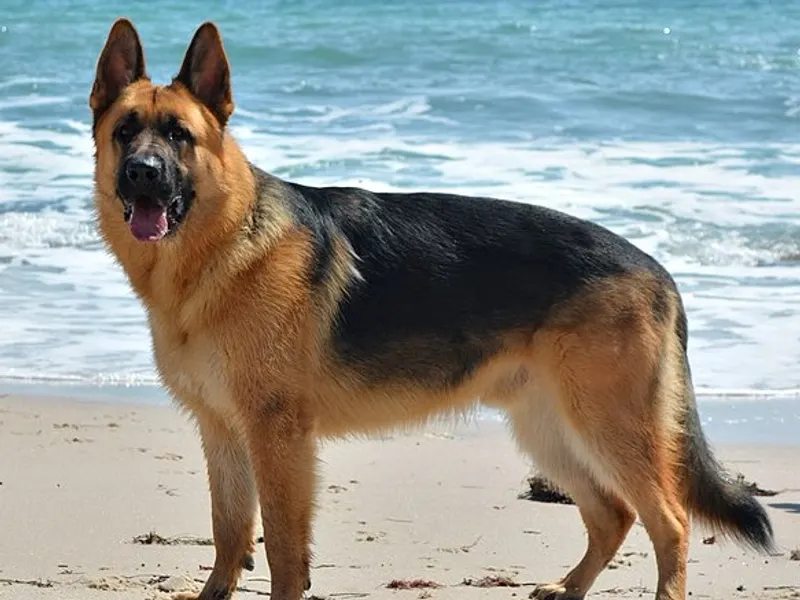
German Shepherd Dog
Herding
50–90 lbs · 9–13 yrs
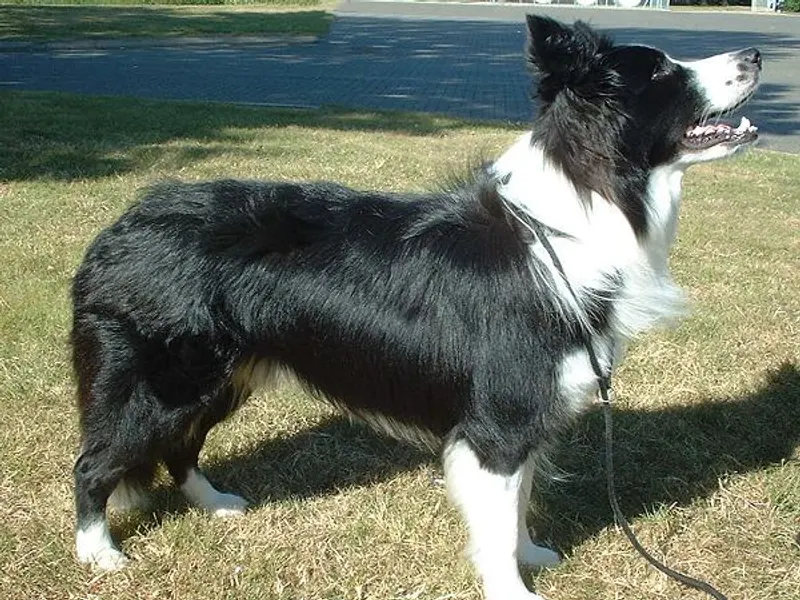
Border Collie
Herding
30–55 lbs · 12–15 yrs
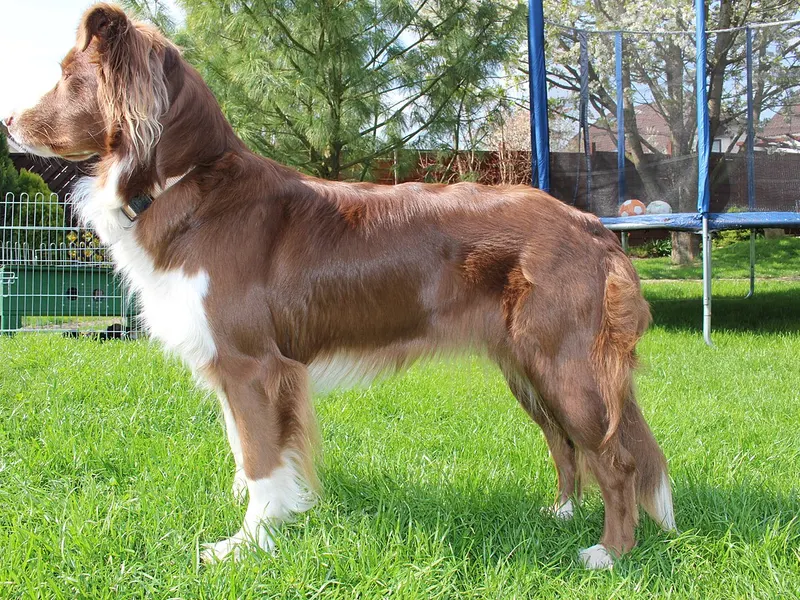
Australian Shepherd
Herding
40–65 lbs · 12–15 yrs
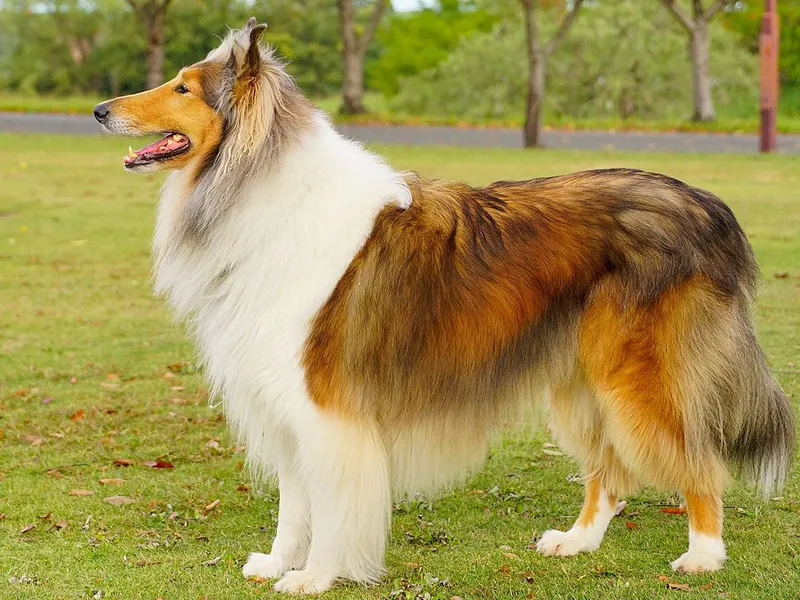
Collie
Herding
50–75 lbs · 12–14 yrs
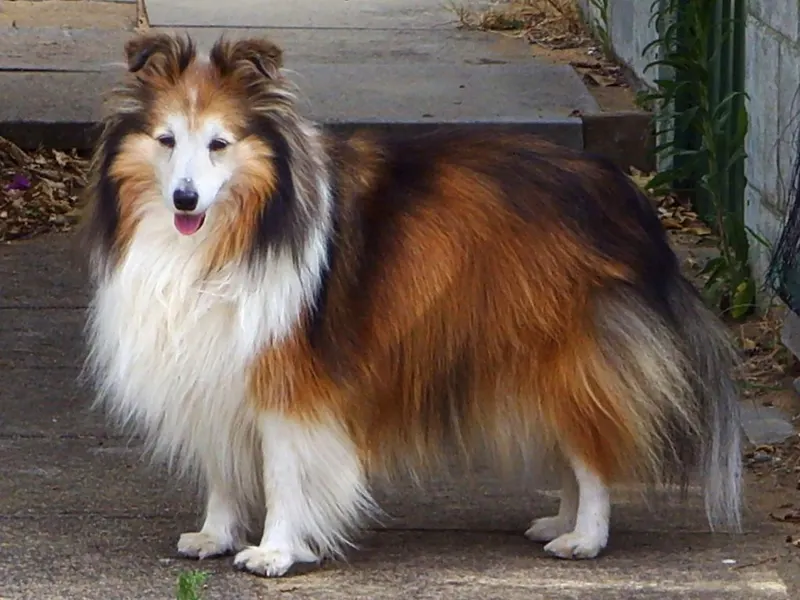
Shetland Sheepdog
Herding
15–25 lbs · 12–14 yrs
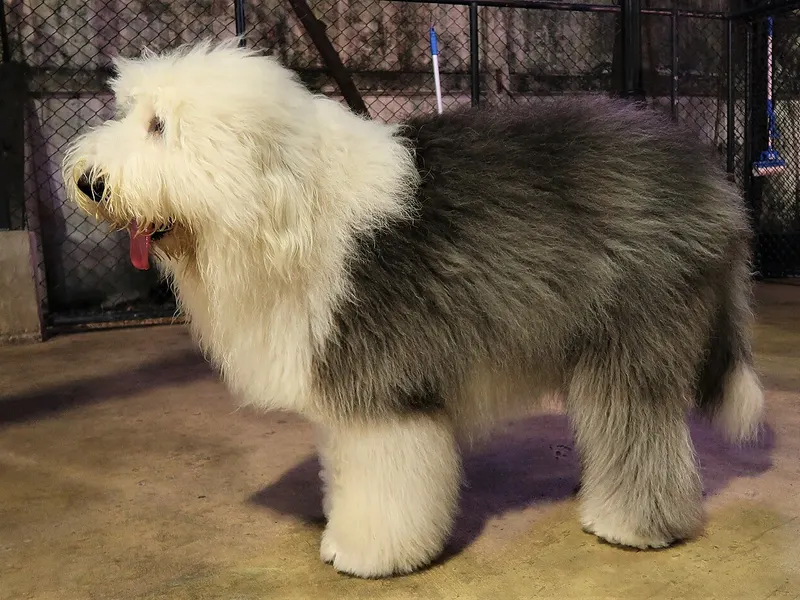
Old English Sheepdog
Herding
60–100 lbs · 10–12 yrs
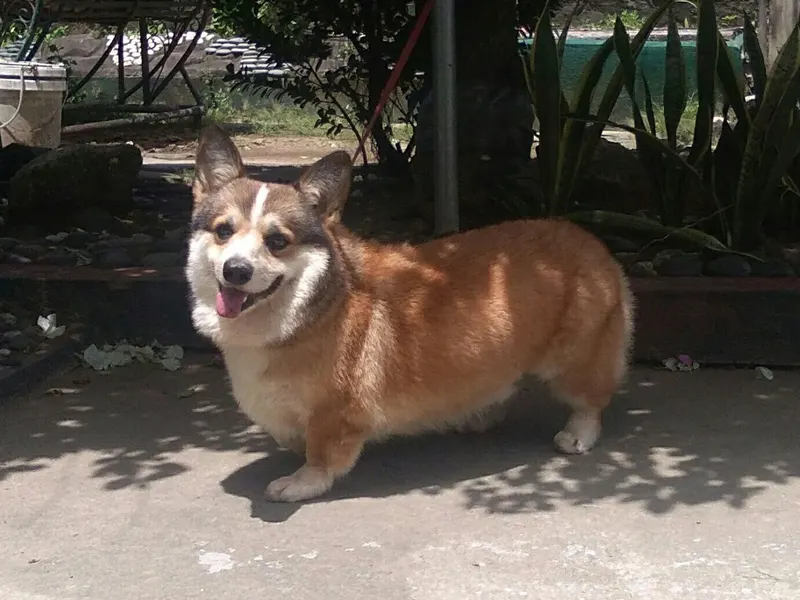
Pembroke Welsh Corgi
Herding
24–30 lbs · 12–13 yrs
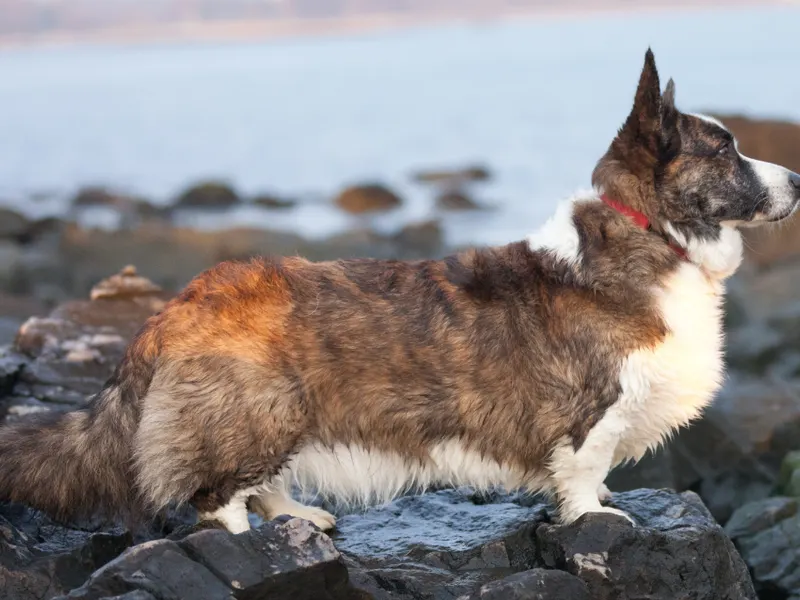
Cardigan Welsh Corgi
Herding
25–38 lbs · 12–15 yrs
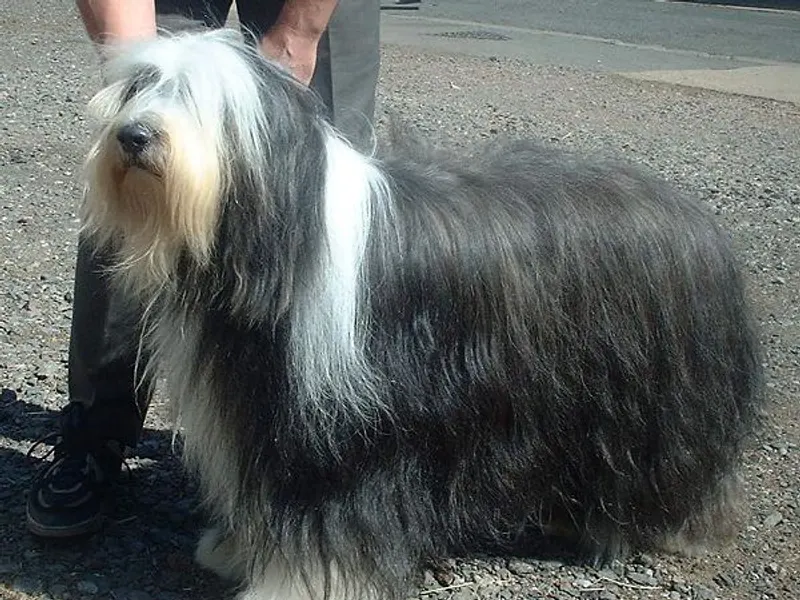
Bearded Collie
Herding
45–55 lbs · 12–14 yrs
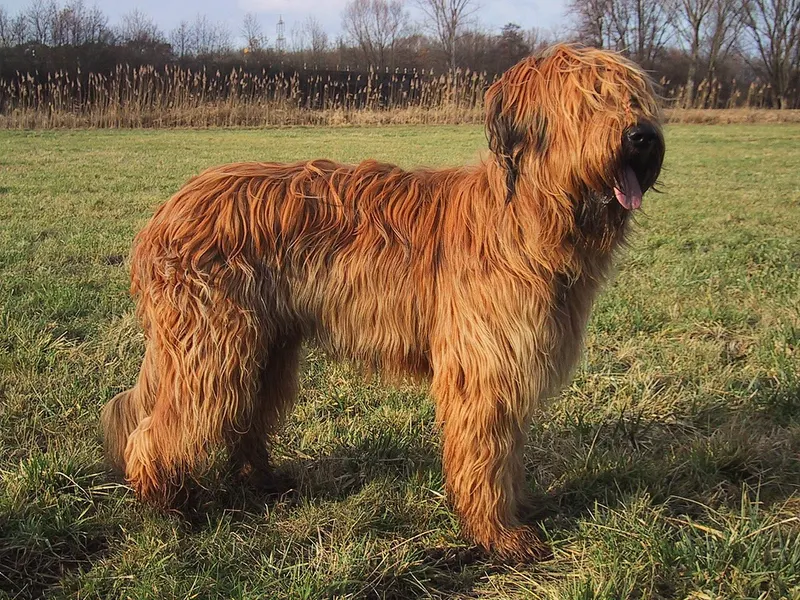
Briard
Herding
55–100 lbs · 10–12 yrs
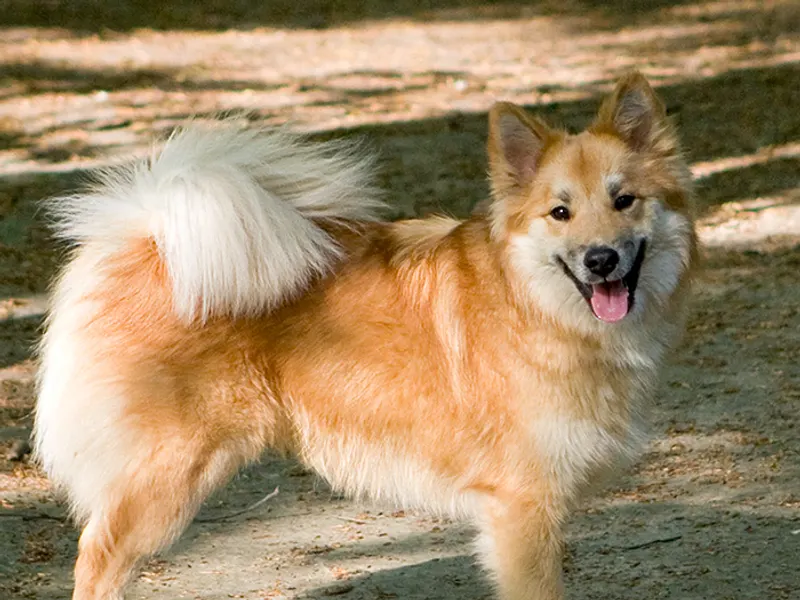
Icelandic Sheepdog
Herding
20–30 lbs · 12–14 yrs
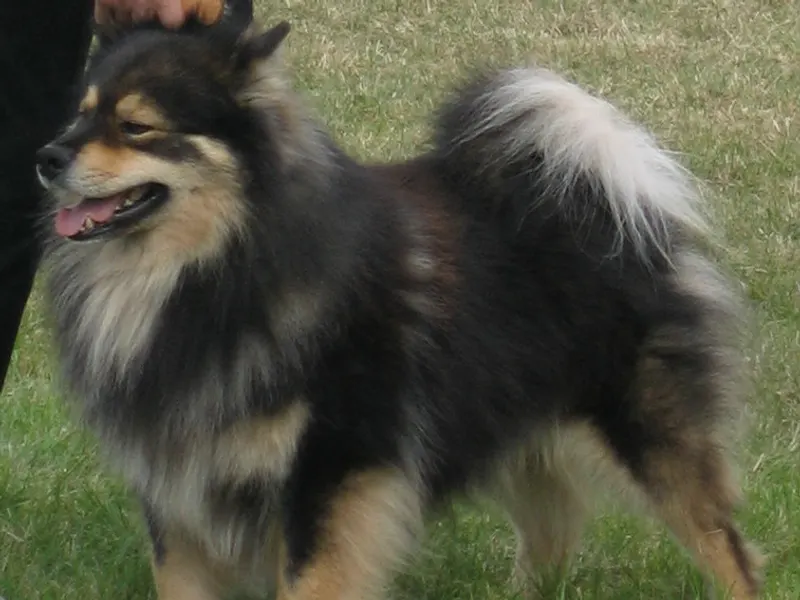
Finnish Lapphund
Herding
33–53 lbs · 12–14 yrs
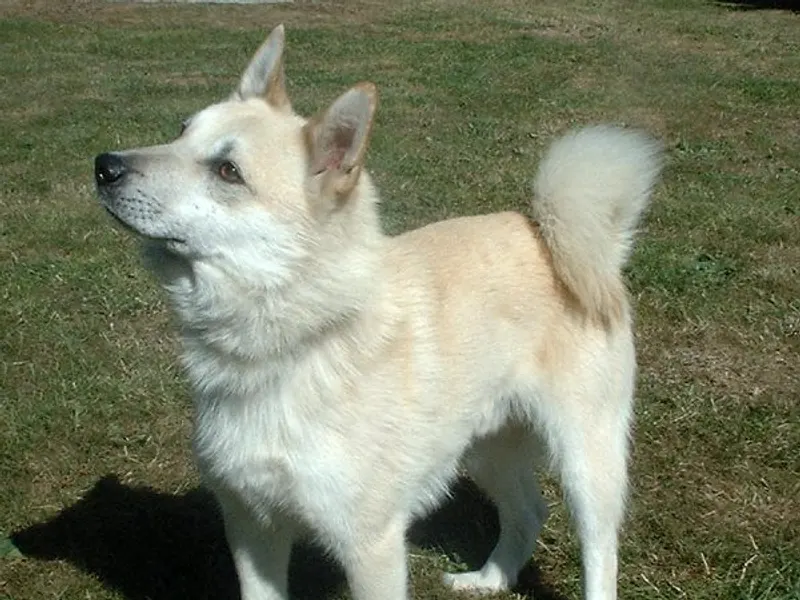
Norwegian Buhund
Herding
26–40 lbs · 12–15 yrs
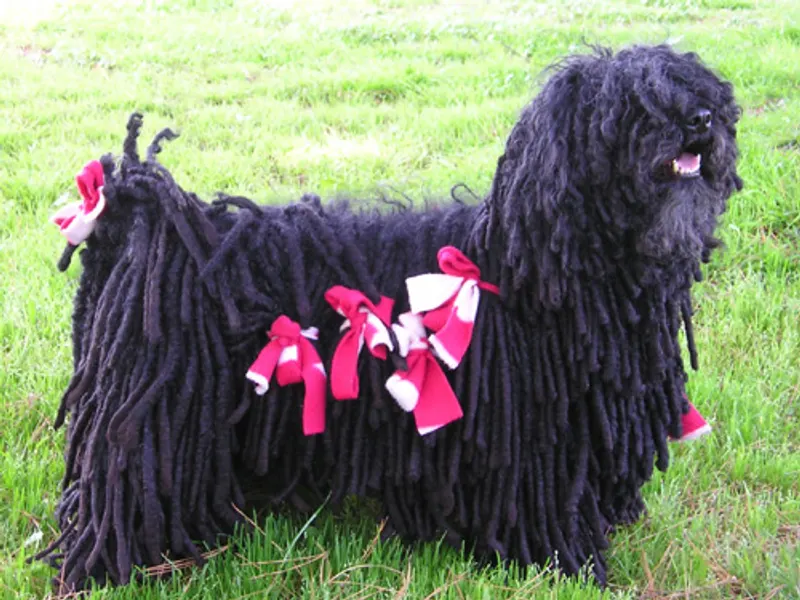
Puli
Herding
25–35 lbs · 10–15 yrs
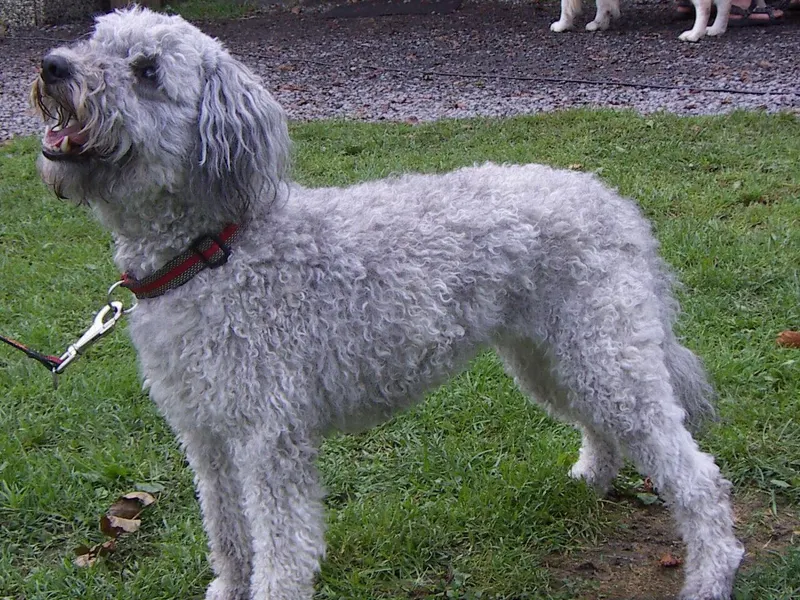
Pumi
Herding
18–33 lbs · 12–13 yrs
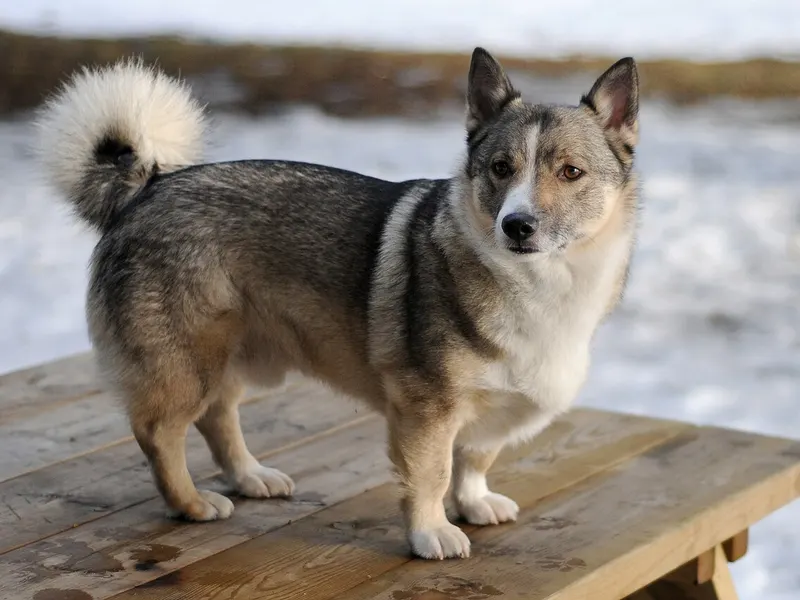
Swedish Vallhund
Herding
20–35 lbs · 12–15 yrs
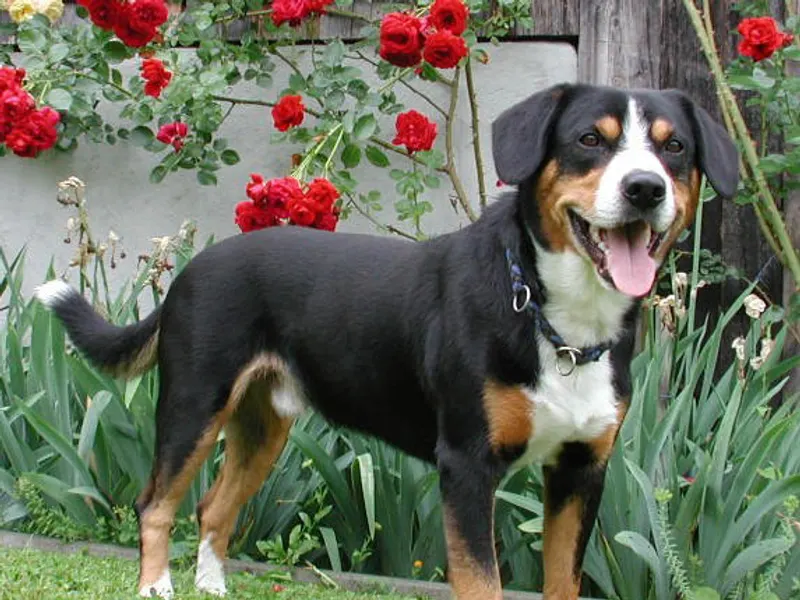
Entlebucher Mountain Dog
Herding
40–65 lbs · 11–15 yrs
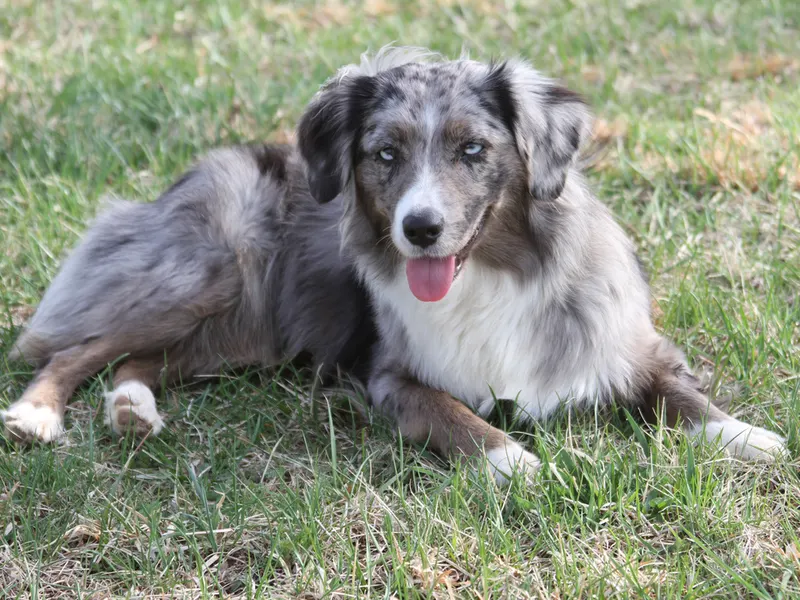
Miniature American Shepherd
Herding
20–40 lbs · 12–13 yrs
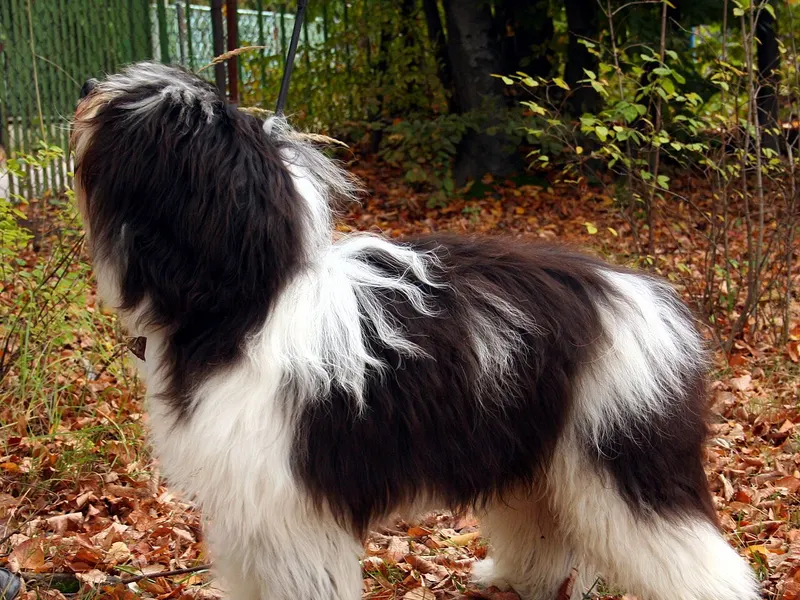
Polish Lowland Sheepdog
Herding
30–50 lbs · 12–14 yrs
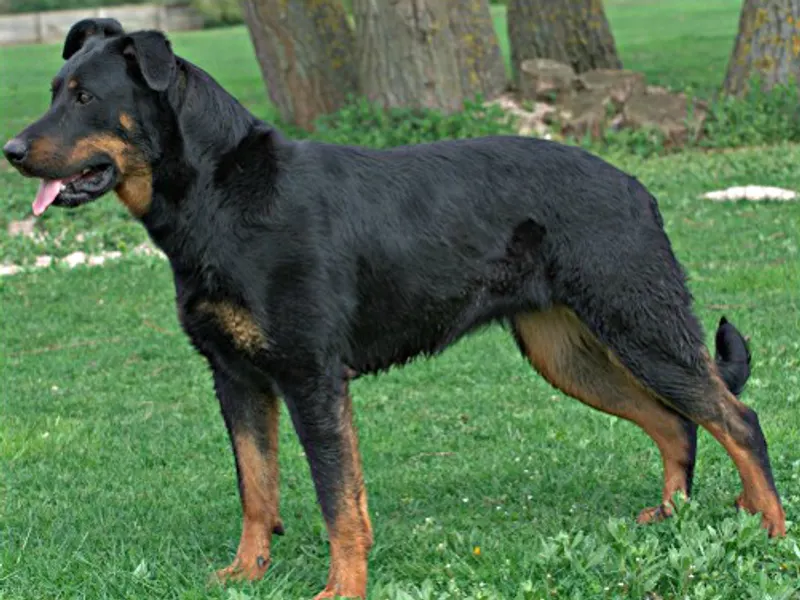
Beauceron
Herding
70–110 lbs · 10–12 yrs
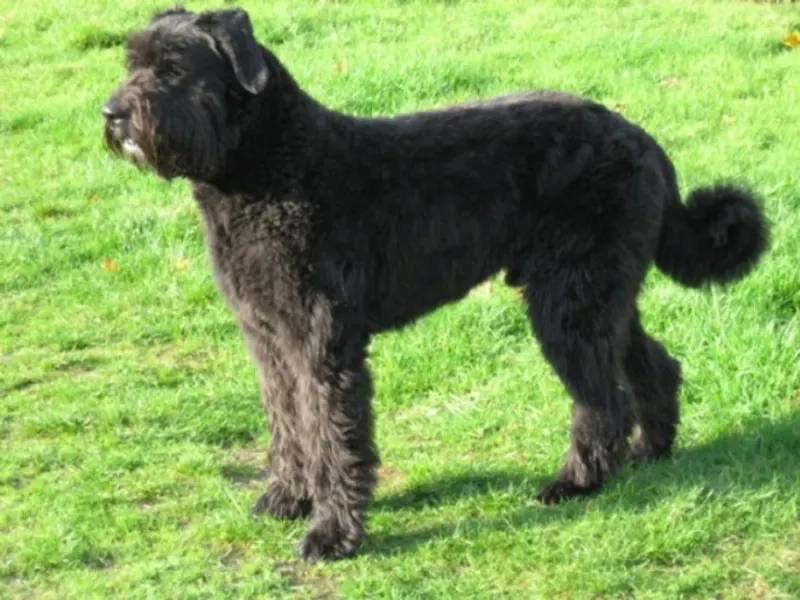
Bouvier des Flandres
Herding
70–110 lbs · 10–12 yrs
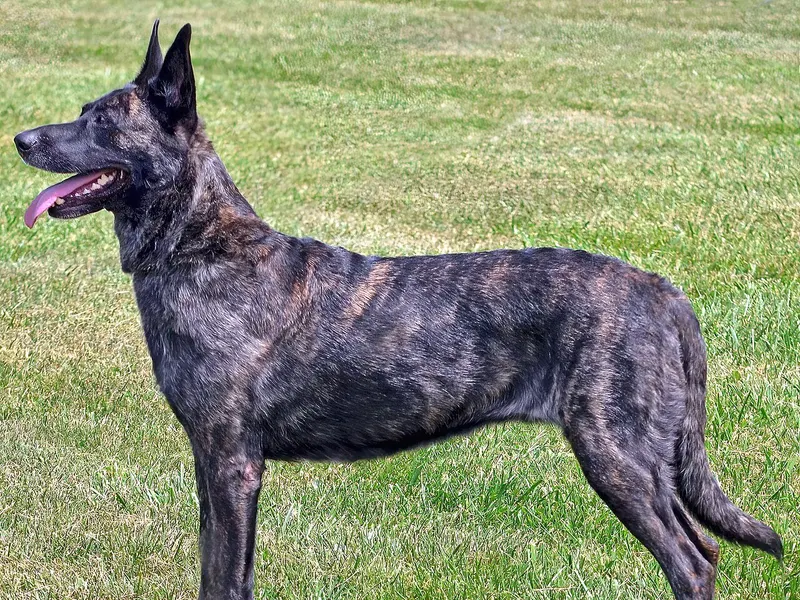
Dutch Shepherd
Herding
42–75 lbs · 11–14 yrs
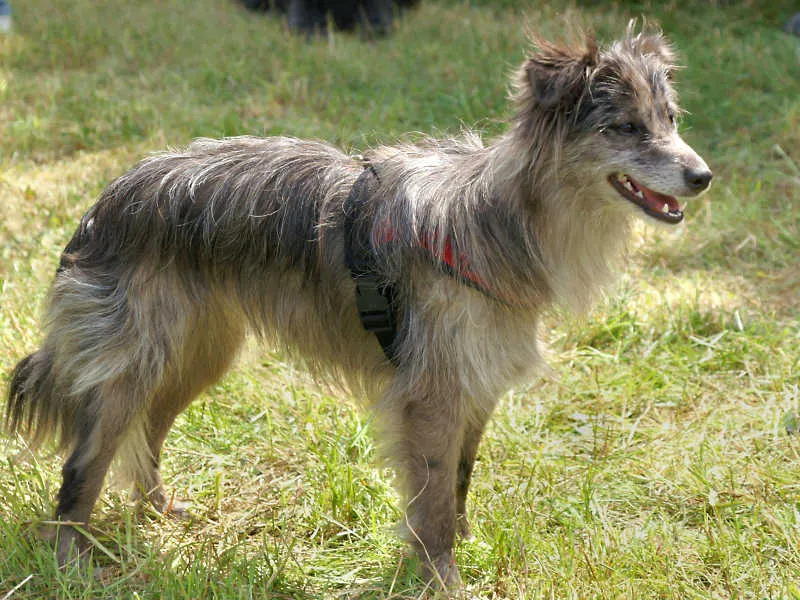
Pyrenean Shepherd
Herding
15–32 lbs · 15–17 yrs
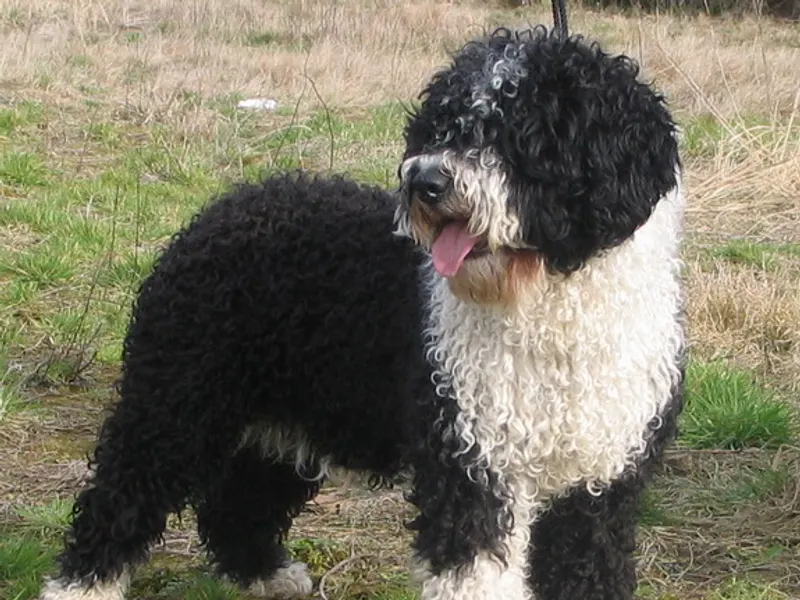
Spanish Water Dog
Herding
31–49 lbs · 12–14 yrs
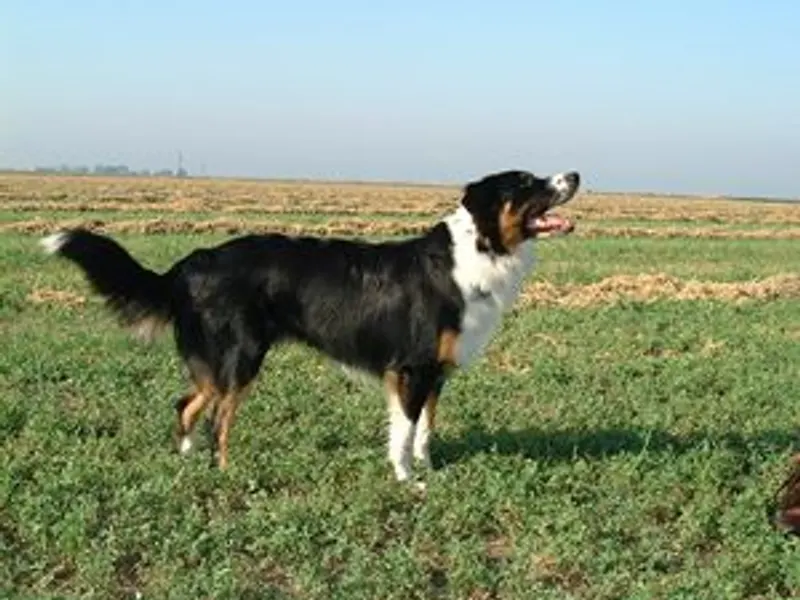
English Shepherd
Herding
40–60 lbs · 12–15 yrs
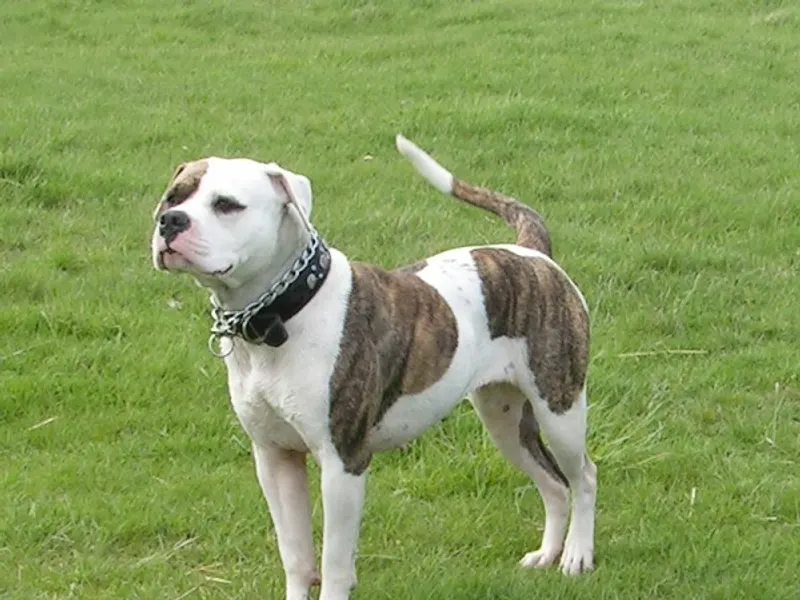
American Bulldog
Foundation Stock
60–120 lbs · 10–12 yrs
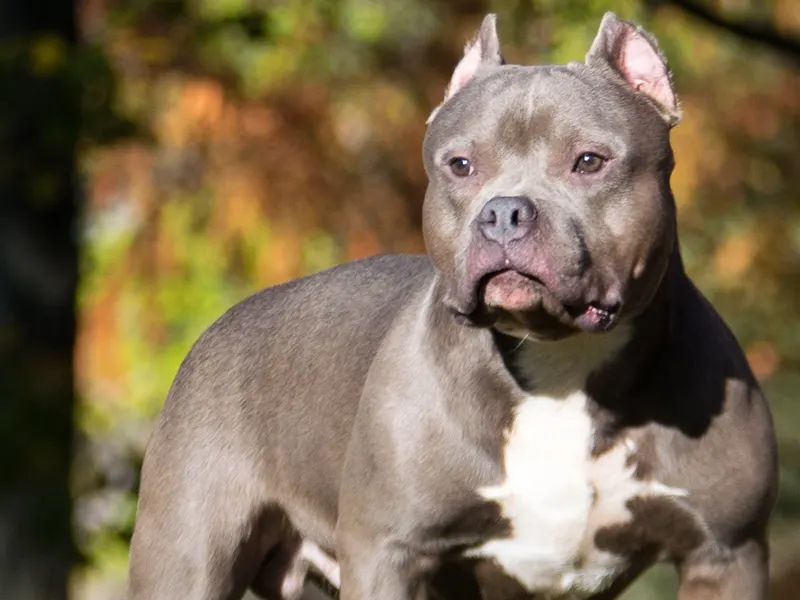
American Bully
Foundation Stock
30–150 lbs · 10–13 yrs
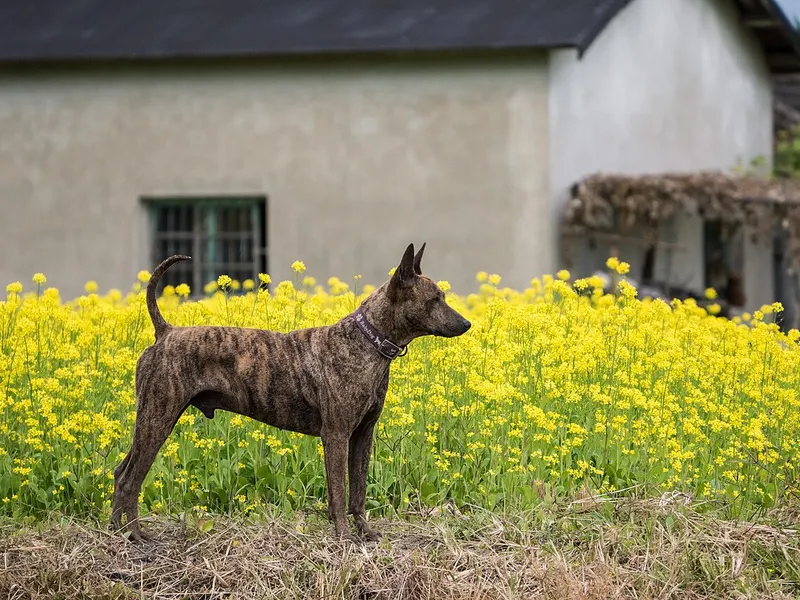
Formosan Mountain Dog
Foundation Stock
26–50 lbs · 13–16 yrs
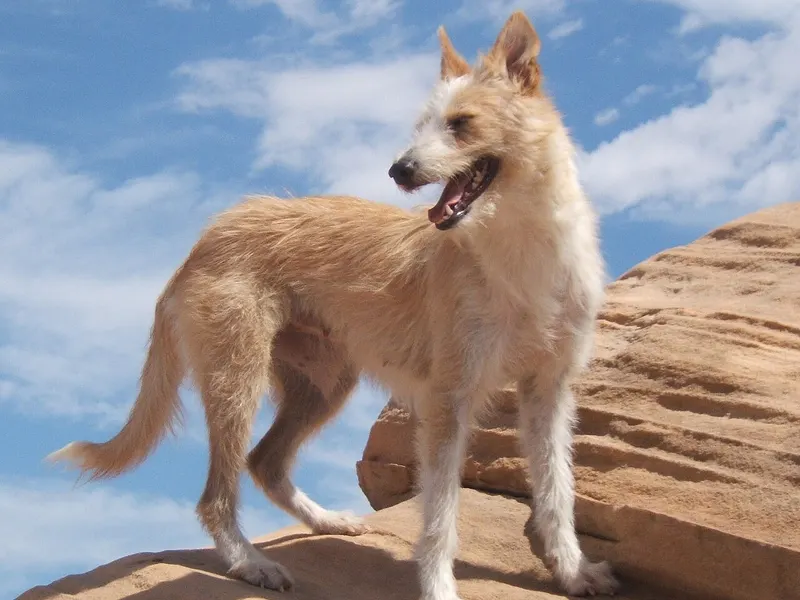
Podengo Português
Foundation Stock
35–44 lbs · 12–15 yrs
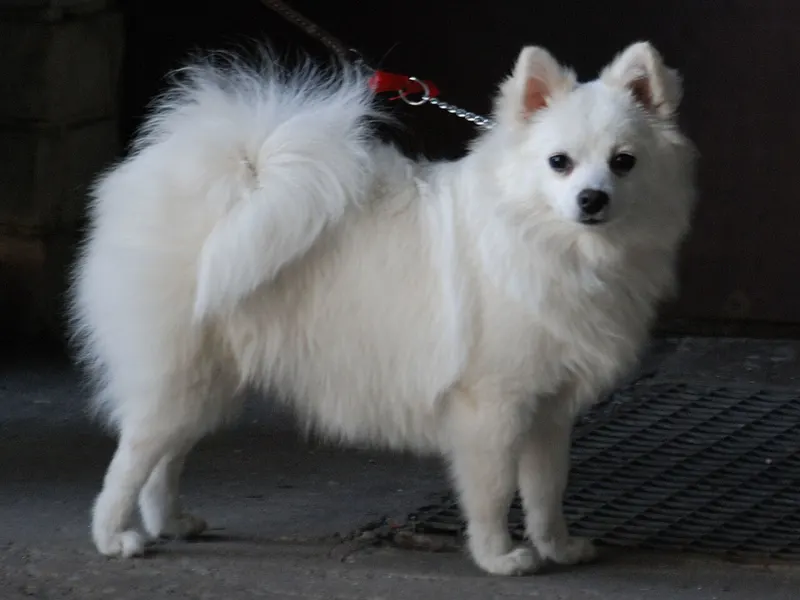
Volpino Italiano
Foundation Stock
9–14 lbs · 14–16 yrs
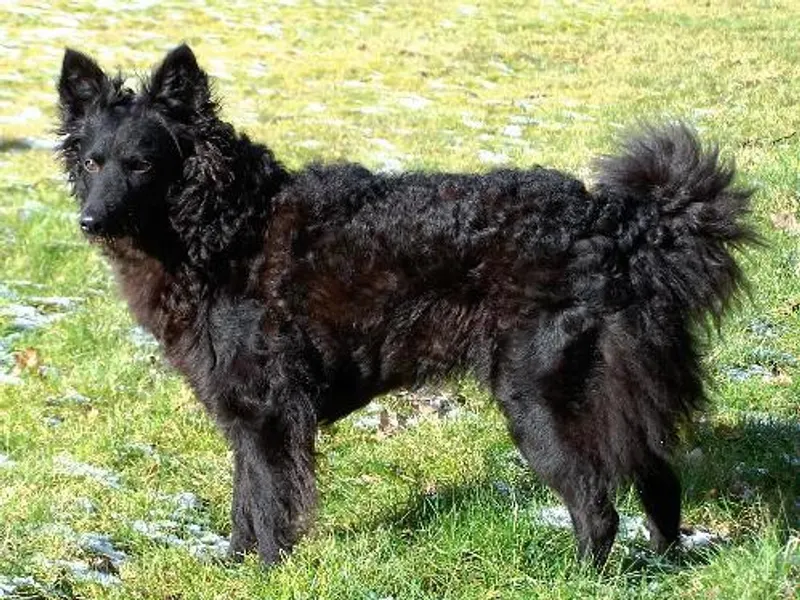
Mudi
Foundation Stock
18–29 lbs · 12–14 yrs
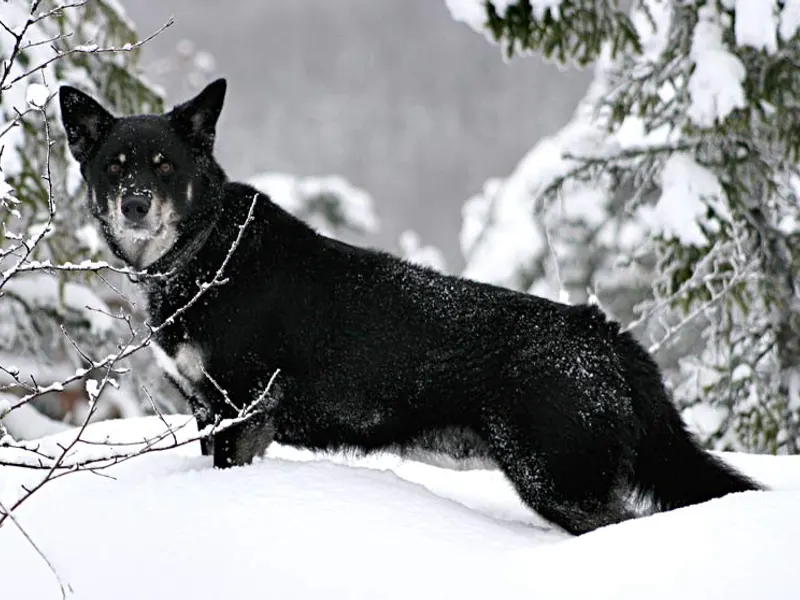
Lapponian Herder
Foundation Stock
40–55 lbs · 12–14 yrs
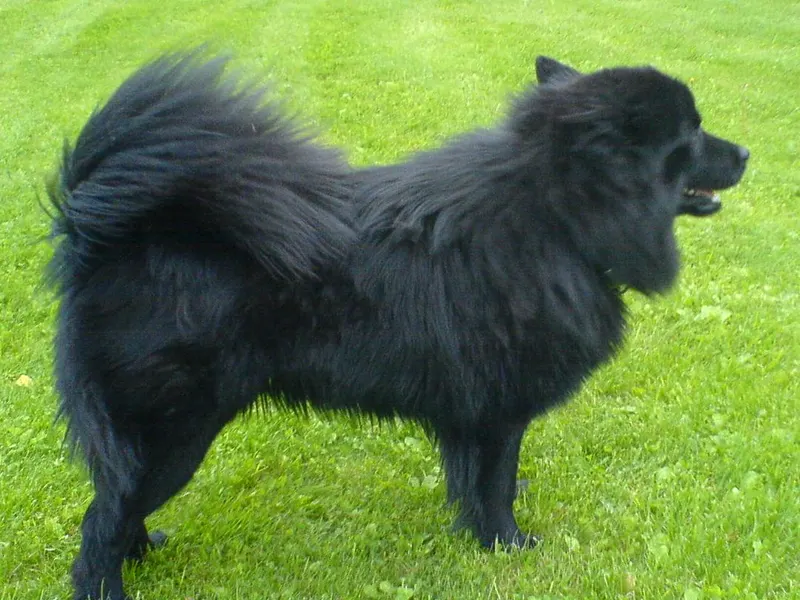
Swedish Lapphund
Foundation Stock
30–44 lbs · 12–15 yrs
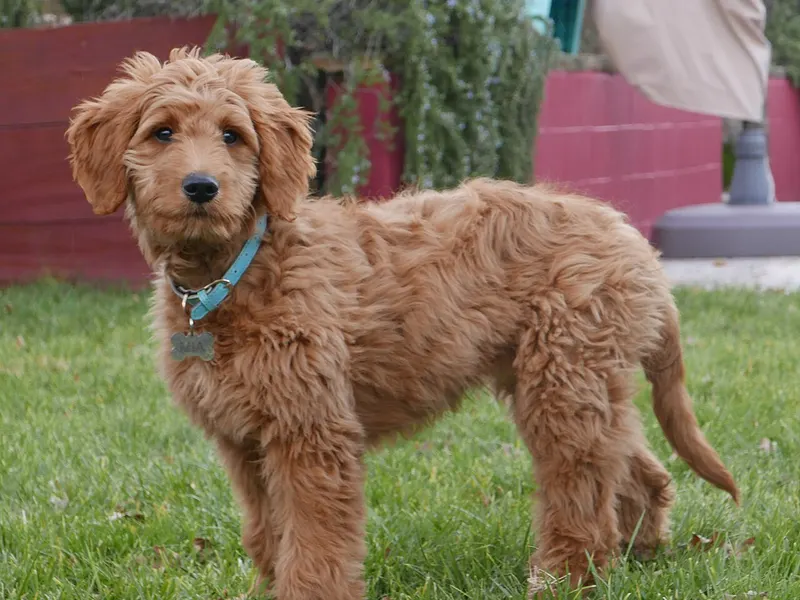
Goldendoodle
Crossbreed
50–90 lbs · 10–15 yrs
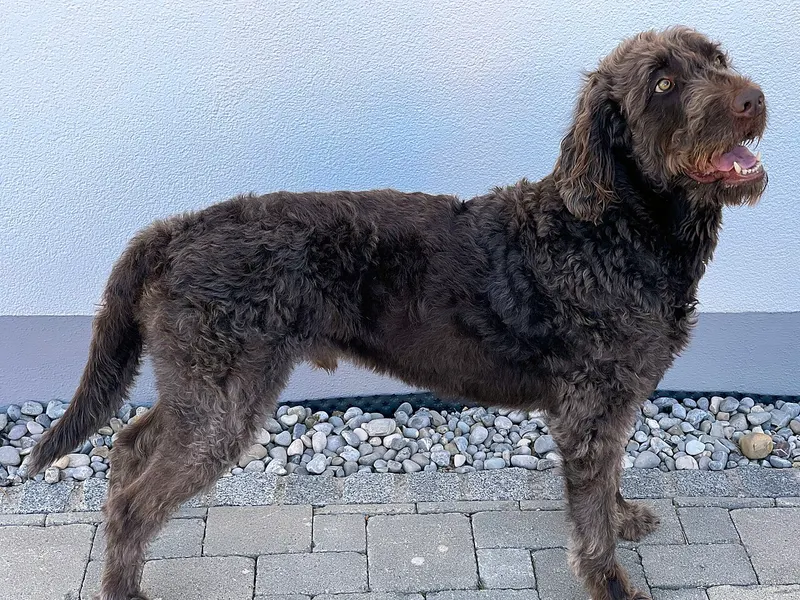
Labradoodle
Crossbreed
45–80 lbs · 12–14 yrs
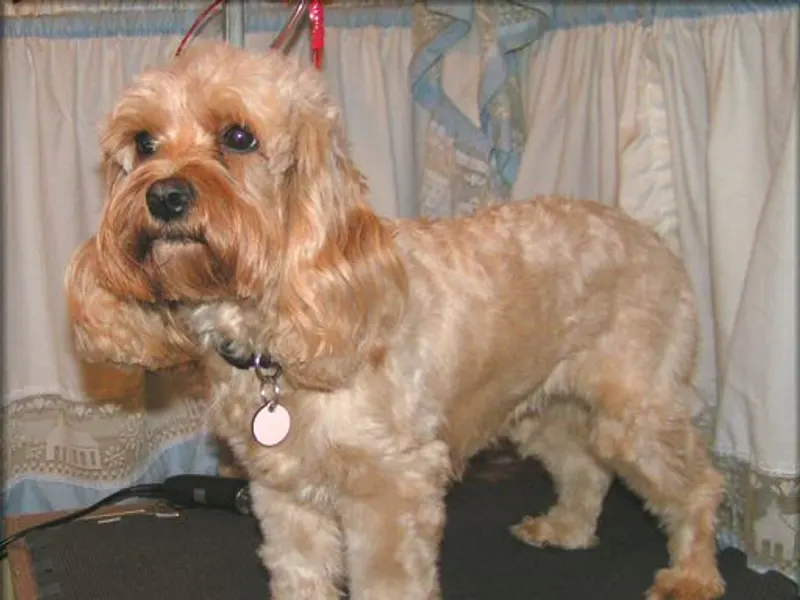
Cockapoo
Crossbreed
12–24 lbs · 13–15 yrs

Puggle
Crossbreed
18–30 lbs · 10–13 yrs
Schnoodle
Crossbreed
6–75 lbs · 10–16 yrs

Cavapoo
Crossbreed
9–25 lbs · 12–15 yrs
Sheepadoodle
Crossbreed
45–80 lbs · 12–15 yrs
Bernedoodle
Crossbreed
50–90 lbs · 12–15 yrs
Aussiedoodle
Crossbreed
25–70 lbs · 12–15 yrs
Shorkie
Crossbreed
8–16 lbs · 11–16 yrs
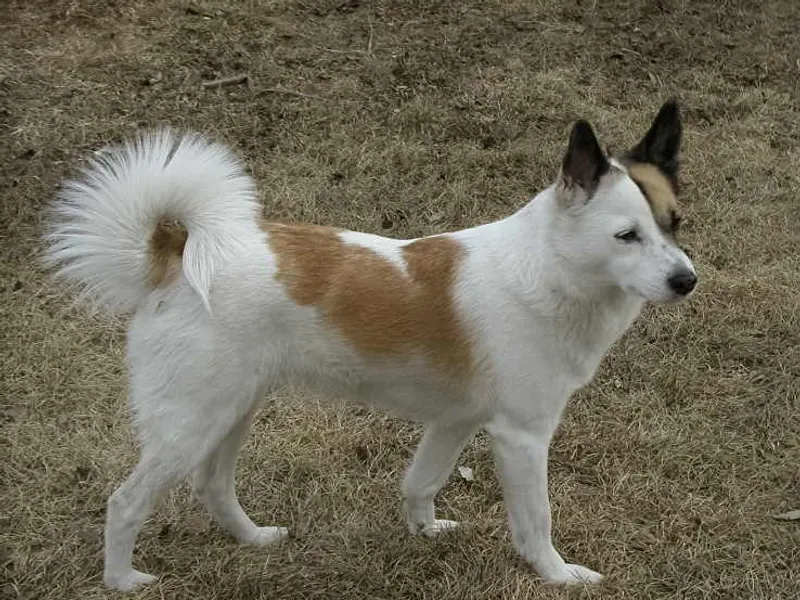
Norrbottenspets
Sporting
20–33 lbs · 14–16 yrs
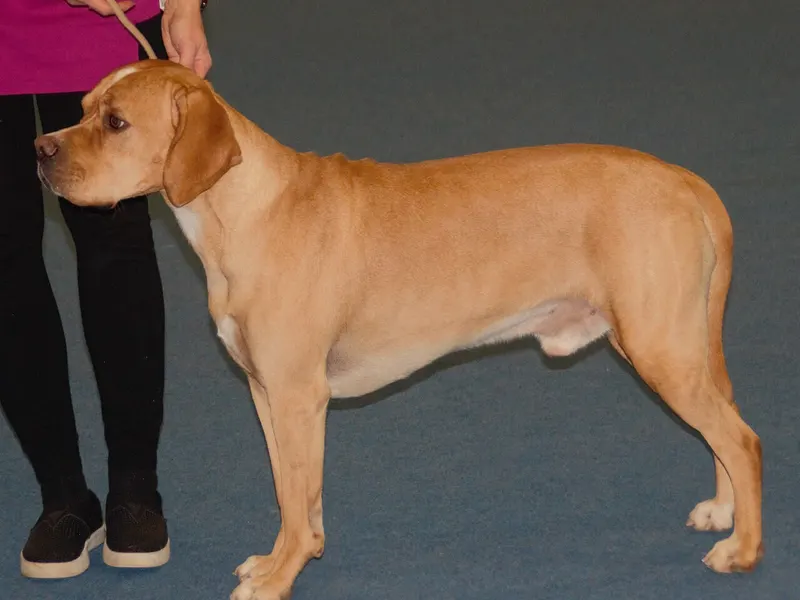
Portuguese Pointer
Sporting
35–55 lbs · 12–14 yrs
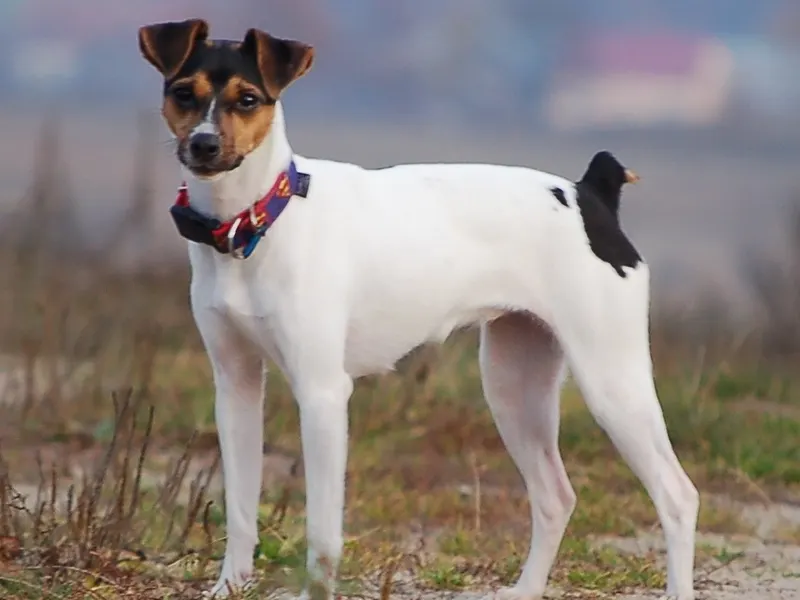
Brazilian Terrier
Terrier
14–22 lbs · 12–14 yrs
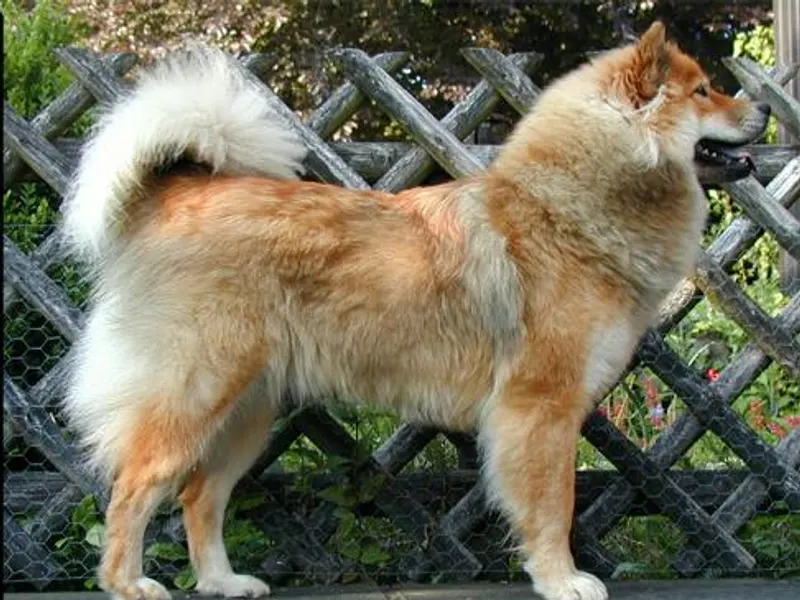
Eurasier
Non-Sporting
40–70 lbs · 11–13 yrs
German Spitz
Non-Sporting
18–29 lbs · 13–15 yrs
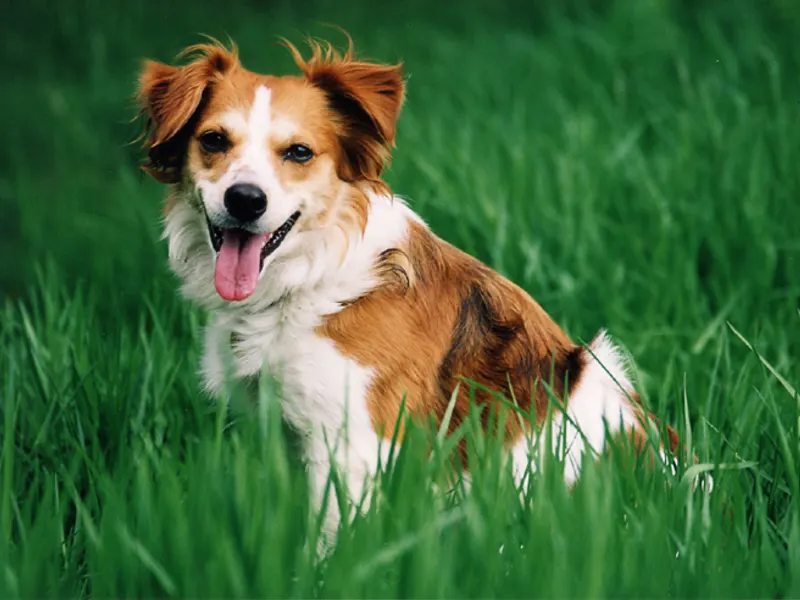
Kromfohrländer
Non-Sporting
20–30 lbs · 13–15 yrs
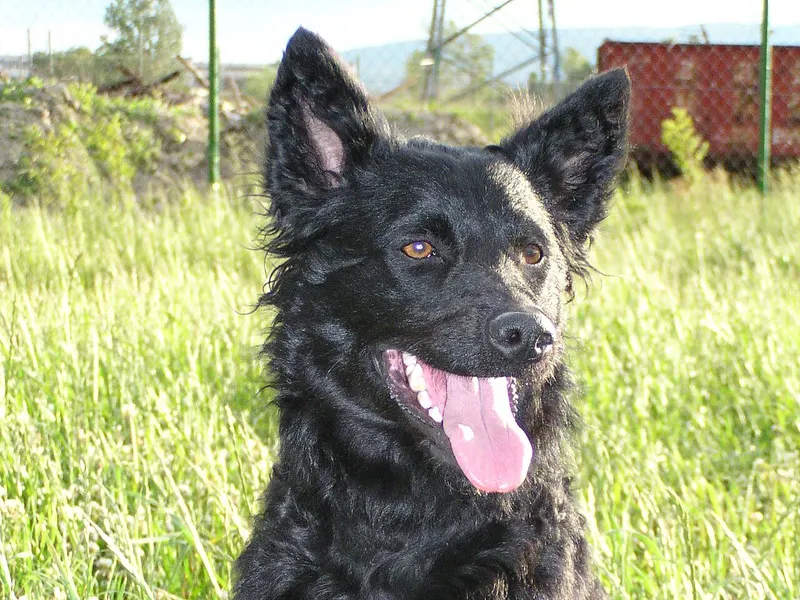
Croatian Sheepdog
Herding
29–44 lbs · 12–14 yrs
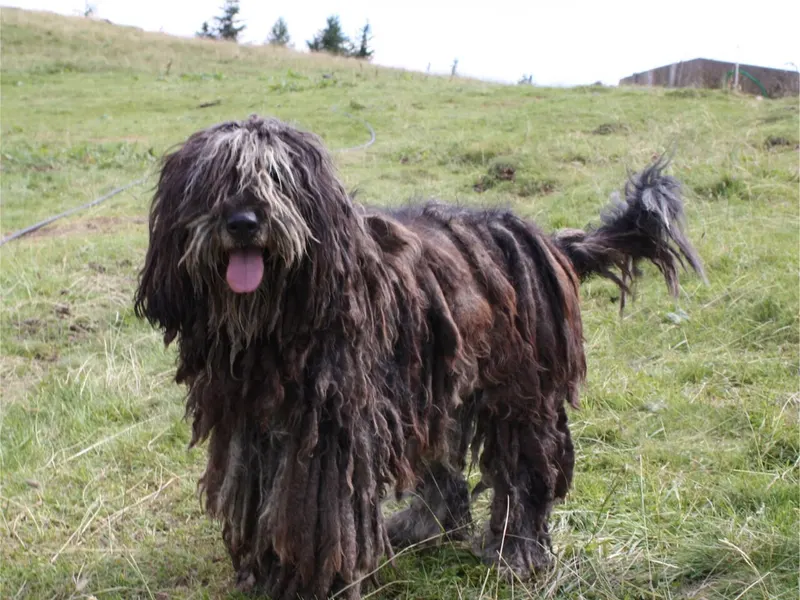
Bergamasco Sheepdog
Herding
57–84 lbs · 13–15 yrs
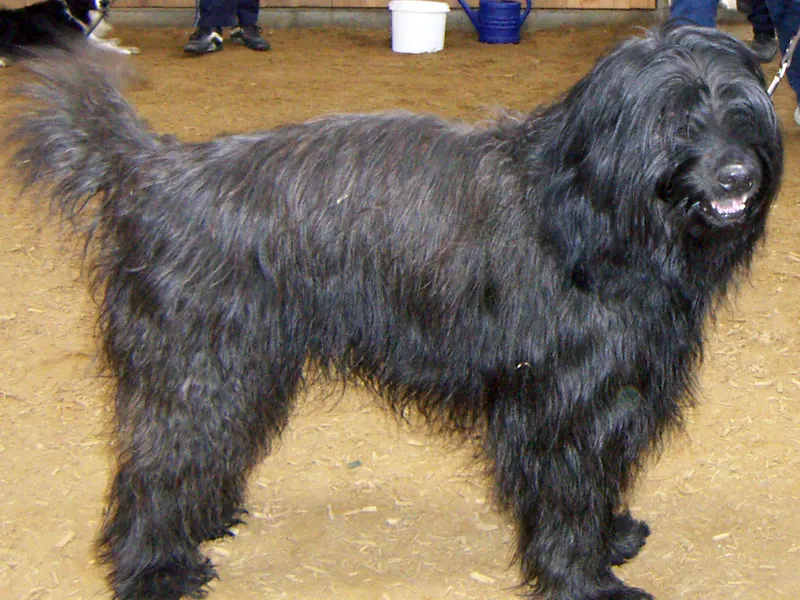
Catalan Sheepdog
Herding
35–55 lbs · 12–14 yrs
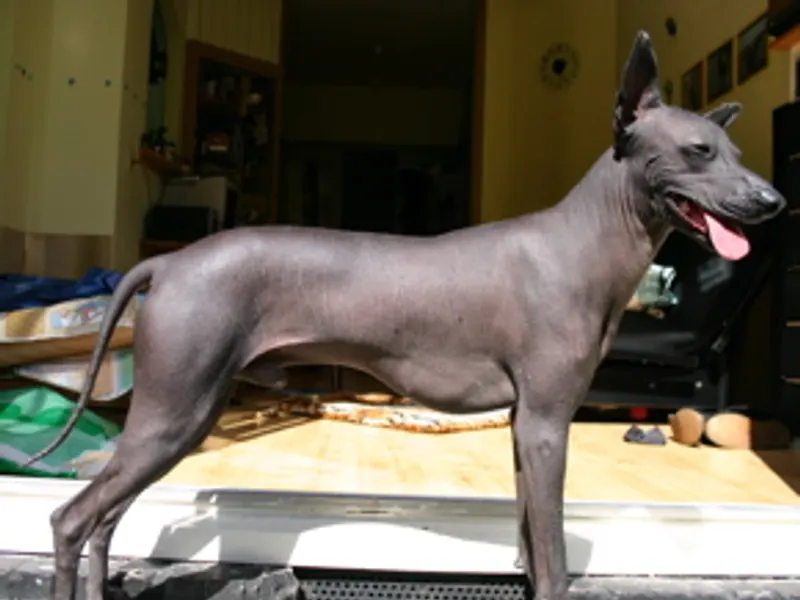
Peruvian Inca Orchid
Foundation Stock
12–55 lbs · 11–12 yrs
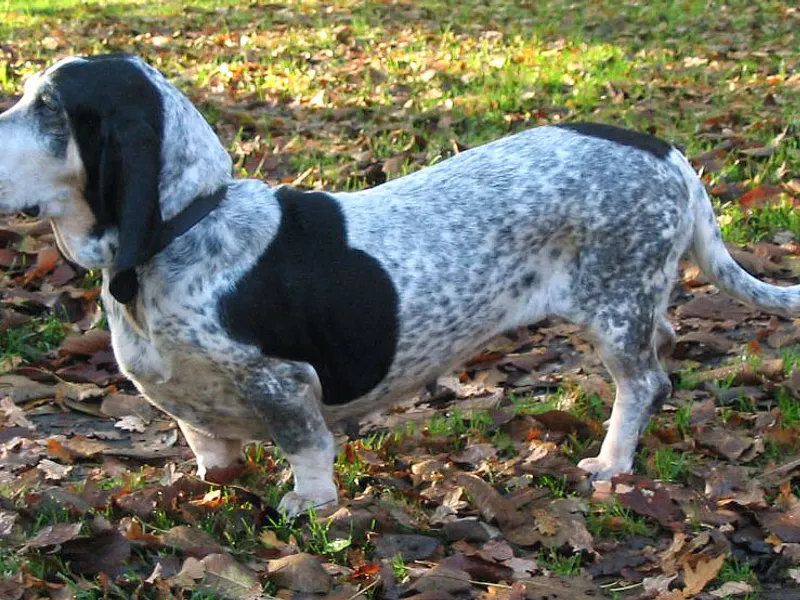
Basset Bleu de Gascogne
Hound
35–45 lbs · 11–13 yrs
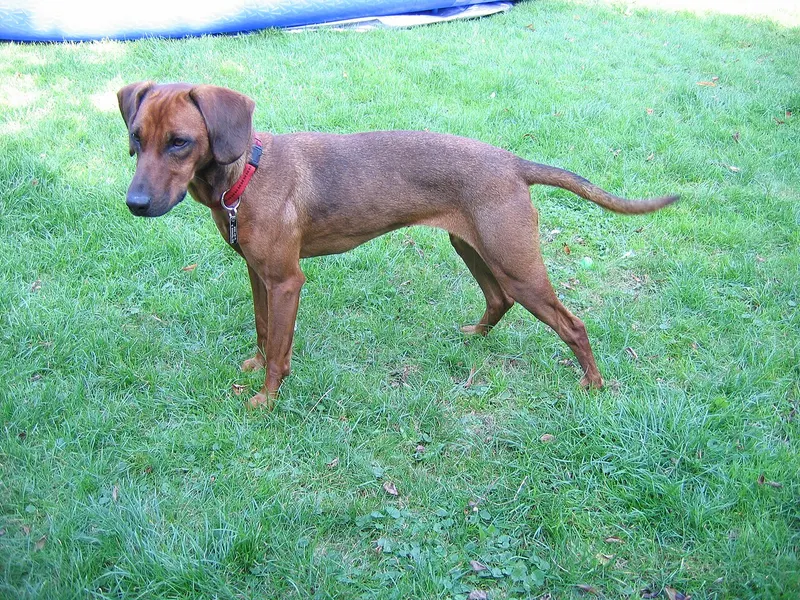
Tyrolean Hound
Hound
33–48 lbs · 12–14 yrs