Herding Group
Swedish Vallhund
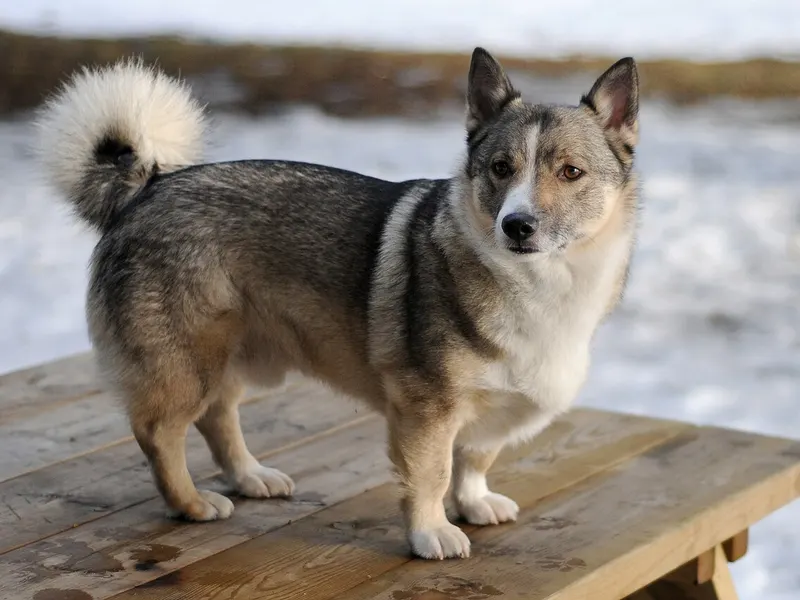
Vikings are believed to have developed the Swedish Vallhund over a thousand years ago as a farm dog for herding cattle and controlling vermin, and the breed's short legs and low build likely served a practical purpose, allowing it to nip at cattle heels while ducking under a kick — a working design shared, probably not coincidentally, with the similarly-shaped Welsh Corgi breeds, though the historical link between the two, sometimes claimed to involve Viking trading routes to Wales, remains more folklore than confirmed fact. The breed nearly disappeared in Sweden by the early 20th century before a dedicated preservation effort in the 1940s rebuilt the population from a small number of remaining working dogs. AKC recognition came in 2007. Swedish breeder Björn von Rosen and Swedish Kennel Club figure Karl-Gustaf Zetterstén are credited with the deliberate mid-20th-century preservation effort that pulled the breed back from near-extinction, working from farm dogs found in rural Swedish villages where the type had persisted informally despite lacking any organized breed club. The Swedish Kennel Club officially recognized the breed in 1943 under the name Västgötaspets, and the breed didn't reach the US in any meaningful numbers until the 1980s.
Common health predispositions
- Hip dysplasia
- Progressive retinal atrophy
- Intervertebral disc disease
Temperament
Energetic, alert, and genuinely bold for its small size, the Swedish Vallhund carries real herding drive and confidence — a dog that doesn't hesitate to voice an opinion or investigate anything unusual. Most individuals are affectionate with family and reasonably good with children, though the breed's herding instincts mean it may try to herd household kids or other pets by nipping at heels, a behavior worth redirecting early through training. Vallhunds are typically quick learners, a trait that makes obedience and agility work a genuinely good outlet for the breed's energy. The breed's small size relative to the cattle it historically herded required real boldness and quick thinking to nip at heels and dodge kicks safely, and that same confident, quick-reacting temperament shows up in the modern Vallhund as a dog that's rarely intimidated by larger housemates despite its own compact stature.
Living with a Swedish Vallhund
The Vallhund's herding instincts are best satisfied with mental work built into the roughly hour of daily activity this small breed needs — agility or other herding-adjacent games earn their keep here. Seasonal coat changes bring on substantial shedding from the medium double coat, so a regular brushing routine matters more at those times than the rest of the year. The Vallhund's proportions — long body, short legs — mirror the Corgi closely enough that the same spinal advice applies: a lean weight and no jumping off furniture meaningfully cut the odds of intervertebral disc trouble. A vet visit is also the place to track hip dysplasia and progressive retinal atrophy, the breed's two other documented concerns. An active family drawn to a bold, alert small herding dog with genuine watchdog instincts is the right match for this breed — it's a poor fit for households with very small children unprepared for a dog that may nip at heels during play. The US Swedish Vallhund population stays modest enough that dedicated rescue options are genuinely thin, and most people end up going through the national breed club or contacting an established breeder directly rather than a shelter.
FAQ
Is the Swedish Vallhund related to the Welsh Corgi?
The two breeds share a strikingly similar low, long-bodied build and some historical folklore connects them to Viking trade routes reaching Wales, but a confirmed genetic link hasn't been firmly established, and most breed historians treat the resemblance as convergent rather than proven common ancestry.
Do Swedish Vallhunds have back problems?
This breed shares the same long-spine, short-leg proportions that put a Dachshund at elevated intervertebral disc risk, and a Corgi carries a milder version of the same vulnerability — keeping the dog lean and skipping jumps off furniture is the practical defense.
Are Swedish Vallhunds good watchdogs?
Definitely — this breed doesn't hold back from voicing an opinion about anything unfamiliar, a trait that served Viking-era farmers well and hasn't faded in the modern companion dog.
What was the Swedish Vallhund originally called?
The Swedish Kennel Club officially recognized the breed in 1943 under the name Västgötaspets, a name still used alongside "Swedish Vallhund" in some contexts and breed literature today.
When did the Swedish Vallhund arrive in the US?
Not in any meaningful numbers until the 1980s, decades after its formal Swedish recognition in 1943, making it a relatively recent addition to the American dog scene despite its genuinely ancient Viking-era origins.
Do Swedish Vallhunds get along with cats?
Often well, especially when raised together, though the breed's herding instincts mean it may try to chase or herd an unfamiliar cat initially, a behavior that generally settles with consistent early exposure and training.
Related on FetchBreed
Lists this breed appears in
Whichever breed fits your life, consider adoption or breed-specific rescue first — many purebred and mixed-breed dogs and cats are already waiting for homes.
General breed information, not veterinary advice — consult a vet for your pet's specific health, diet, and behavior needs.