Non-Sporting Group
Eurasier
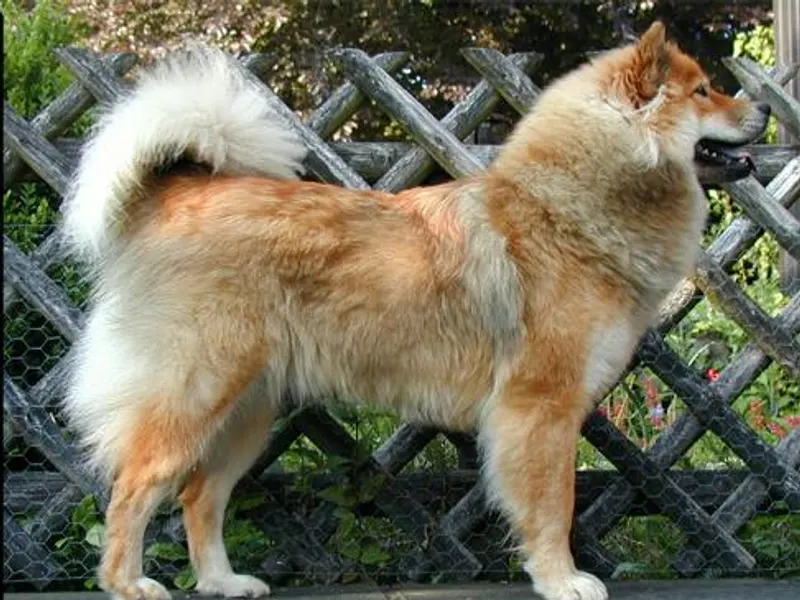
German breeder Julius Wipfel deliberately created the Eurasier in the mid-20th century by crossing the Chow Chow, Wolfspitz, and later the Samoyed, aiming to combine the calm dignity of the Chow Chow with the more approachable, family-friendly temperament of German and Nordic spitz breeds, a genuinely intentional design process rather than the more organic regional development most older breeds went through. That deliberate three-breed foundation is unusually well documented for a modern breed, and German breed clubs have kept detailed records of the Eurasier's development since Wipfel's original mid-1960s breeding program, giving prospective owners real clarity about exactly which traits the breed was designed to combine. FCI recognition came in 1973, remarkably fast for a newly created breed, reflecting how quickly Wipfel's original vision proved successful in producing a stable, genuinely distinct type. Germany and the rest of continental Europe still account for the great bulk of the Eurasier population; American owners drawn to a calmer, family-oriented spitz type are chasing a genuinely uncommon breed on this side of the Atlantic.
Common health predispositions
- Hip dysplasia
- Patellar luxation
- Generally hardy breed
Temperament
Calm, genuinely devoted, and notably even-tempered, the Eurasier carries exactly the temperament its original German breeder designed it for — real Chow Chow-derived dignity and independence balanced by the warmer, more approachable sociability inherited from its Wolfspitz and Samoyed ancestry. Family bonds run deep, and kids tend to bring out an unusually patient, unflappable side of this breed rarely seen in a spitz type this genuinely alert. Real watchfulness toward strangers comes standard too, though it tends to express as calm observation rather than the more vocal reactivity some other spitz breeds show. German breed clubs continue closely monitoring Eurasier temperament testing as part of their formal breeding program, a direct continuation of Julius Wipfel's original priority on producing a genuinely stable, family-suited companion rather than simply a striking-looking dog.
Living with a Eurasier
Calm as it is, the Eurasier still needs a genuine hour of daily activity, just without the higher-intensity demands some other spitz-type breeds make. That medium-length double coat lets go heavily at each seasonal change, and staying on top of it means brushing sessions well beyond the usual weekly routine during those stretches. Hip dysplasia and patellar luxation are the main items worth a direct breeder conversation, and beyond that pair the breed's relatively broad three-breed founding gene pool tends to translate into solid overall health. A household wanting a spitz-type companion without the higher vocal or reactive tendencies some related breeds show will likely appreciate the Eurasier's real calm and genuine family devotion. US breeders remain genuinely few compared with Germany and continental Europe, so a real wait, or a European import contact, is usually part of the process. Day-to-day spending lands in ordinary territory for a medium double-coated breed, bumped up seasonally by deshedding tools during the coat blow.
FAQ
What breeds make up the Eurasier?
German breeder Julius Wipfel deliberately created it in the mid-20th century by crossing the Chow Chow, Wolfspitz, and later the Samoyed, aiming to combine the Chow Chow's calm dignity with the more approachable, family-friendly temperament of the two spitz breeds.
Is the Eurasier a good family dog?
Yes, genuinely — kids tend to bring out a patient, unflappable side of the breed you wouldn't necessarily expect from a spitz type this alert, a direct result of founder Julius Wipfel's deliberate design goals.
How quickly did the Eurasier gain recognition?
Remarkably fast for a newly created breed — FCI recognition came in 1973, less than a decade after Julius Wipfel's original mid-1960s breeding program, reflecting how quickly his three-breed cross produced a stable, genuinely distinct type.
Is the Eurasier common in the US?
No, it remains considerably more common in Germany and continental Europe than domestically, where it stays a genuinely uncommon breed known mainly to owners specifically seeking a calmer, family-oriented spitz-type companion.
How much grooming does a Eurasier need?
Seasonal spikes are the real story here — the medium-length double coat blows out hard at each coat change, and that's when brushing frequency needs to jump well above the usual baseline.
How big does a Eurasier get?
A medium-sized spitz, typically 40 to 70 pounds and 18 to 24 inches at the shoulder, notably larger than the Wolfspitz or Samoyed contributions to its ancestry might suggest, reflecting founder Julius Wipfel's deliberate choice to breed toward a substantial, family-scale companion rather than a compact lapdog.
Why did Julius Wipfel choose those three specific breeds for the Eurasier?
He wanted the Chow Chow's calm independence as a temperament foundation, then added the Wolfspitz for trainability and a classic spitz appearance, and later folded in the Samoyed specifically to soften the mix further and improve sociability — a genuinely deliberate, staged breeding plan rather than a single one-time cross.
Related on FetchBreed
Whichever breed fits your life, consider adoption or breed-specific rescue first — many purebred and mixed-breed dogs and cats are already waiting for homes.
General breed information, not veterinary advice — consult a vet for your pet's specific health, diet, and behavior needs.