Non-Sporting Group
Bichon Frise
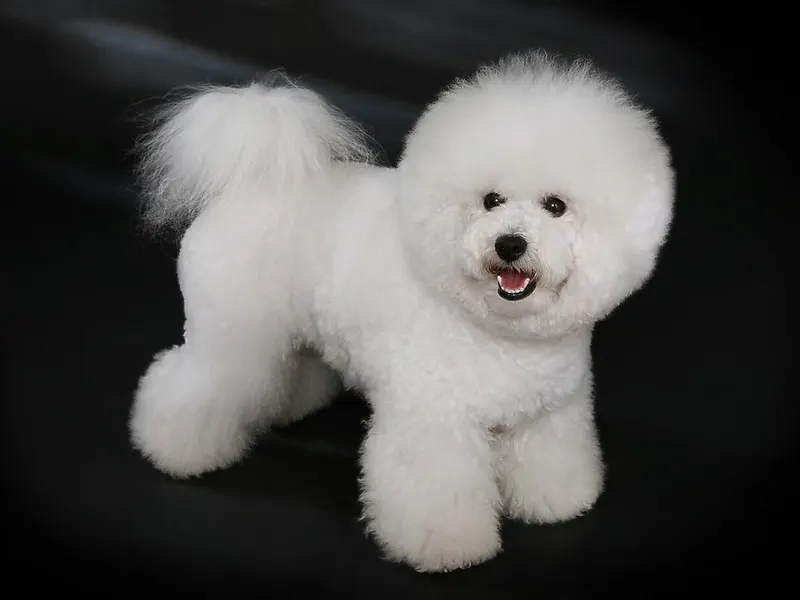
The Bichon Frise descends from Barbet-type water dogs found across the Mediterranean, and by the 14th century the breed had become a favorite of French and Spanish nobility, reaching a particular peak of popularity in the French court of King Henry III in the 16th century, where royal portraits and accounts describe the dogs being carried in baskets and pampered as fashionable status symbols. The breed's fortunes fell sharply after the French Revolution swept away much of the aristocracy that had kept it fashionable, and Bichons spent the 19th and early 20th centuries largely as street dogs and organ-grinder or circus performers rather than pampered court companions, a striking reversal from their earlier status. A dedicated 20th-century revival effort, formalized through a French breed standard adopted in 1933, rebuilt the breed's population and reputation, and the AKC recognized the Bichon Frise considerably later, in 1972.
Common health predispositions
- Patellar luxation
- Bladder stones
- Allergic skin disease
Temperament
That history as both a beloved court companion and a working circus performer shows up in the modern Bichon's temperament: the breed is cheerful, sociable, and notably good with both children and other pets, scoring among the friendliest of any toy breed on both measures. Trainability is solidly good, reflecting genuine intelligence and a long history of performing for an audience, and Bichons generally take well to structured training and trick work. The breed is rarely aggressive or reserved, and its consistently friendly disposition is part of why it's remained a popular family and therapy-dog choice for decades.
Living with a Bichon Frise
Thirty minutes of daily activity, mixed with some playtime, keeps a Bichon content, and much of that can happen indoors given the breed's adaptable, moderate energy level. Grooming is the real ongoing expense and time commitment: the curly, powder-puff double coat mats without frequent brushing and typically needs professional trimming every four to six weeks to maintain the breed's signature rounded look. Light shedding is the upside of all that upkeep, and it's a genuine reason allergy-sensitive households often gravitate toward the Bichon — just don't expect it to be a magic fix, and spend time with the actual dog before deciding. Patellar luxation, bladder stones, and allergic skin disease are the most commonly documented health concerns, with skin allergies specific enough in this breed that many Bichons benefit from a carefully managed diet and grooming routine to reduce flare-ups. Because the breed's white coat shows dirt and tear staining prominently, regular face cleaning is a near-daily habit for most Bichon owners rather than an occasional task.
FAQ
Why did Bichon Frises become street performers?
After the French Revolution eliminated much of the aristocracy that had made the breed fashionable, Bichons largely fell out of favor among the wealthy and spent the 19th and early 20th centuries working as street dogs and organ-grinder or circus performers before a formal 20th-century breeding revival restored the breed's population and reputation.
Are Bichon Frises good with kids and other pets?
Cheerful and genuinely sociable, the Bichon posts some of the strongest goodWithKids and goodWithOtherPets ratings of any toy breed, a real standout even among small dogs generally known for being friendly.
How much grooming does a Bichon Frise need?
A real ongoing commitment — the curly, powder-puff coat mats without frequent brushing and typically needs professional trimming every four to six weeks just to keep the breed's signature rounded shape intact.
Are Bichon Frises hypoallergenic?
The low-shed coat genuinely helps allergy sufferers do better around this breed than around a heavier shedder, though calling any dog fully allergen-free would be overselling it — spending real time with the specific dog first remains the best test.
Do Bichon Frises have skin problems?
Allergic skin disease is documented often enough in the breed that it's considered a genuine breed-specific concern, and many Bichons benefit from a carefully managed diet and consistent grooming routine to reduce flare-ups and skin irritation.
How long do Bichon Frises live?
Fourteen to 15 years ranks among the longest lifespans of any small breed covered here, a payoff from the breed's sturdy build and a comparatively short list of genuinely major health concerns.
Is the Bichon Frise a good apartment dog?
Yes, very much so — modest exercise needs, a small size, and a naturally friendly, adaptable temperament make the breed a strong fit for apartment living, provided its coat-care needs are kept up with.
How much exercise does a Bichon Frise need?
About 30 minutes daily, much of which can be satisfied through indoor play — this is not a high-energy breed, though it does appreciate and benefit from regular short walks and playtime.
How big does a Bichon Frise get?
Adults weigh in around 12 to 18 pounds standing 9.5 to 11.5 inches tall, a petite frame well matched to the breed's centuries-long role as a court and circus companion dog.
Is a Bichon Frise good for a first-time owner?
A friendly, trainable temperament and manageable size add up to a genuinely approachable choice for newcomers, as long as the coat-care schedule gets built into the plan from day one rather than an afterthought.
Do Bichon Frises bark a lot?
Moderately — the breed is alert and will vocalize at unfamiliar sounds, though consistent training generally keeps excessive barking manageable, especially given the Bichon's overall eager-to-please temperament.
Do Bichon Frises do well with other dogs?
Yes, notably so — the breed's cheerful, adaptable temperament extends well to other dogs, making it one of the more consistently sociable small breeds in a multi-dog household.
Do Bichon Frises come in different sizes?
No — the breed standard describes one consistent size range rather than toy, miniature, or standard varieties, so any puppy marketed as an unusually tiny 'teacup' Bichon is outside the recognized standard.
Related on FetchBreed
Comparisons
Care equipment for a Bichon Frise
As an Amazon Associate we earn from qualifying purchases made through these links, at no extra cost to you.
- Slicker brush
The powder-puff coat mats without frequent brushing between the professional trims this page budgets for.
- Tear-stain wipes
The page says regular face cleaning is a near-daily habit for most Bichon owners, because the white coat shows tear staining prominently.
Whichever breed fits your life, consider adoption or breed-specific rescue first — many purebred and mixed-breed dogs and cats are already waiting for homes.
General breed information, not veterinary advice — consult a vet for your pet's specific health, diet, and behavior needs.