Sporting Group
Field Spaniel
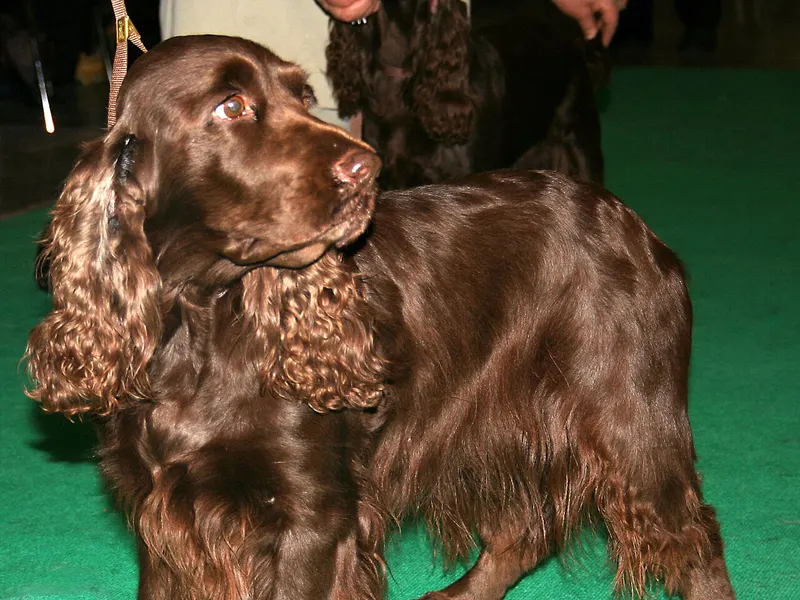
Bred down in size from the Sussex and Cocker Spaniel lines during the 19th century as fanciers experimented with distinct spaniel types for the show ring, the Field Spaniel went through a genuinely rocky breeding history — early emphasis on an exaggeratedly long, low body in pursuit of show-ring novelty left the breed with real structural and health problems by the early 20th century, prompting a deliberate mid-century correction back toward a more moderate, functional build. That history of overcorrection followed by careful rebuilding is fairly unusual among spaniel breeds and reflects genuine lessons the breed's dedicated fanciers took seriously about prioritizing soundness over exaggerated show features. AKC recognition dates to 1894, making the Field Spaniel one of the earlier spaniel breeds formally recognized in America even as its actual numbers have never come close to the Cocker or Springer Spaniel it's related to. Its name reflects a genuinely all-purpose working intent distinct from its more specialized cousins — developed as a versatile field-and-flush spaniel capable of working varied terrain rather than being optimized for one specific hunting style, though relatively few working lines remain active today compared with its show-oriented population.
Common health predispositions
- Hip dysplasia
- Ear infections
- Progressive retinal atrophy
- Hypothyroidism
Temperament
Sensitive, affectionate, and genuinely attached to its family, the Field Spaniel tends toward a somewhat more serious, thoughtful demeanor than the perpetually upbeat Cocker Spaniel it's related to, a quieter intensity some owners describe as almost soulful. Children and other household animals rarely pose a problem for this breed, and its working spaniel heritage still shows up as real enthusiasm for scent games and retrieving play even in dogs kept purely as companions. Given the breed's history of correcting away from show-driven exaggeration back toward functional soundness, most modern Field Spaniels carry a genuinely balanced, biddable temperament that reflects decades of fanciers prioritizing a sound, workable dog over one bred purely for ring appearance.
Living with a Field Spaniel
A solid hour of daily activity keeps this moderately energetic spaniel content, and scent-based games or basic retrieving work put its real working instincts to productive use. The flat or slightly wavy, silky coat needs regular brushing to stay mat-free, with the feathering on the ears, chest, and legs demanding the most consistent attention. Hip dysplasia and chronic ear infections both warrant real attention given the breed's structure and ear shape, and progressive retinal atrophy along with hypothyroidism round out the health conversation worth having directly with a breeder before committing. A household wanting a devoted, moderately active spaniel with a slightly more serious personality than its flashier Cocker cousin, and genuinely willing to keep up a consistent grooming and ear-care routine, tends to do well with a Field Spaniel. Given the breed's consistently modest US population, dedicated rescue is uncommon, and prospective owners typically end up working through the small number of active breed clubs rather than a general shelter. Grooming supplies and routine ear care are the main recurring expenses on top of food and standard veterinary visits, keeping the overall budget fairly typical for a spaniel this size.
FAQ
What's the difference between a Field Spaniel and a Cocker Spaniel?
Both share related spaniel ancestry, but the Field Spaniel developed as a more all-purpose field-and-flush working dog with a somewhat more serious temperament, while the Cocker Spaniel became more specialized and, over time, considerably more popular as both a companion and show breed.
Why did the Field Spaniel almost disappear?
Early 20th-century show breeders pushed the breed toward an exaggeratedly long, low body that caused real structural and health problems, and it took a deliberate mid-century correction by dedicated fanciers back toward a moderate, functional build to rebuild a sound population.
Is the Field Spaniel a good family dog?
Generally yes — affection toward kids and other household pets comes naturally to most individuals, though the breed's somewhat more serious, thoughtful temperament sets it apart from the more perpetually upbeat energy typical of its Cocker Spaniel relatives.
How much grooming does a Field Spaniel need?
A regular commitment — the flat or slightly wavy, silky coat needs consistent brushing to prevent matting, with the feathered areas around the ears, chest, and legs requiring the most attention.
Are Field Spaniels rare?
Yes, genuinely — numbers never fully recovered from the breed's early 20th-century structural breeding problems, and it has stayed a fraction as common as its Cocker or Springer Spaniel relatives ever since.
Why did the Field Spaniel nearly disappear as a breed?
Early 20th-century breeders pursued an exaggerated, overly long body type for the show ring that ended up compromising the dog's actual hunting ability and soundness, and by the mid-1900s the breed had become genuinely rare, prompting later breeders to deliberately reintroduce some English Springer Spaniel and Cocker Spaniel bloodlines to restore a more moderate, functional structure.
Related on FetchBreed
Whichever breed fits your life, consider adoption or breed-specific rescue first — many purebred and mixed-breed dogs and cats are already waiting for homes.
General breed information, not veterinary advice — consult a vet for your pet's specific health, diet, and behavior needs.