Hound Group
Harrier
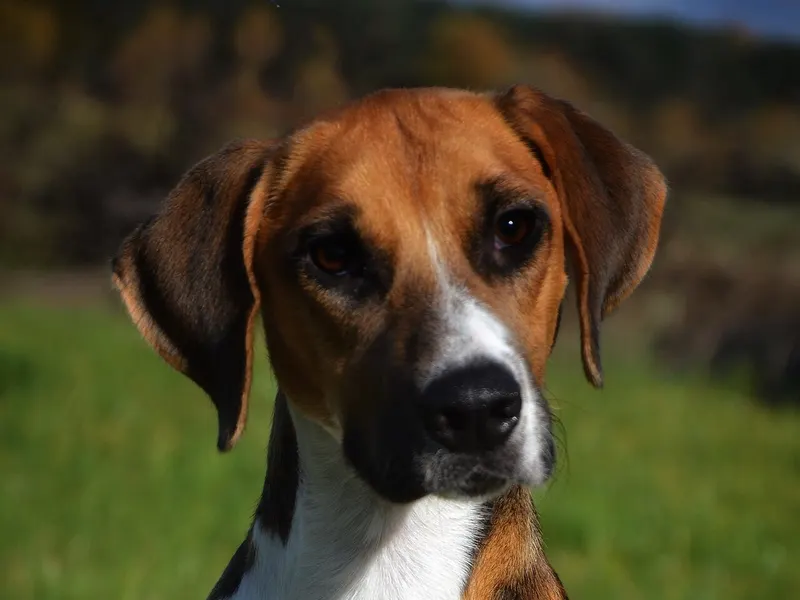
Pack hunting for hare across the English countryside gives the Harrier both its name and its core historical purpose, with written references to Harrier packs appearing in English hunting records dating back to at least the 13th century, making it one of the older documented scent-hound types in Britain even though it remains genuinely obscure compared with its more famous relative, the Beagle. In fact, the Harrier is often described by breed historians as essentially a scaled-up Beagle, though the exact historical relationship between the two breeds — whether the Harrier descends from crossing early Beagles with larger Foxhound stock, or whether the resemblance simply reflects shared ancestral scent-hound roots — remains a subject of genuine debate among breed historians, with no single origin story definitively confirmed. English hunt clubs traditionally maintained Harrier packs specifically for hare hunting on foot, distinct from Foxhound packs typically followed on horseback, a distinction that shaped the Harrier's moderate size and pace to suit hunters keeping up without a mount. AKC recognition dates to 1885, but the breed has remained one of the rarest in the entire AKC registry ever since, with annual registration numbers consistently among the lowest of any recognized breed — a genuine rarity that has more to do with limited historical promotion outside dedicated hunting circles than any flaw in the breed itself.
Common health predispositions
- Hip dysplasia
- Ear infections
- Obesity
Temperament
Friendly, energetic, and genuinely pack-oriented, the Harrier carries real scent-hound drive and a sociable temperament shaped by centuries spent working cooperatively alongside other hounds in organized hunting packs. Most individuals do well with other dogs as a direct result of that pack heritage, and the breed's outgoing, people-friendly nature extends readily to children in most households. That same pack-bred sociability means a Harrier generally dislikes being left alone for long stretches, a trait current owners trace directly back to a working history that never involved a dog operating solo.
Living with a Harrier
Don't let the moderate size fool you — a dog once expected to keep pace with a hunt on foot all day needs a genuinely full 75 minutes of activity, and secure fencing matters given how readily the breed's nose can override recall. Grooming, by contrast, asks almost nothing: an occasional brush over the short, dense coat is really all it takes. Chronic ear infections and hip dysplasia both belong on the veterinary checklist, and because this is a food-motivated scent hound, obesity creeps in fast without consistent portion control alongside all that exercise. Real running room, ideally shared with another dog given the breed's pack-oriented sociability, plus genuine tolerance for a loud, expressive baying voice — that's the household the Harrier does best in. Given how rare the breed is even within AKC circles, dedicated US rescue is essentially nonexistent, and prospective owners typically need to search out one of the very small number of active breeders nationally. Between the near-zero grooming bill and a fairly ordinary appetite for a dog this size, ownership costs stay on the lower end for a hound.
FAQ
Is the Harrier just a bigger Beagle?
Many breed historians describe it that way informally, though the exact historical relationship remains genuinely debated — whether the Harrier descends from crossing early Beagles with Foxhound stock or simply shares similar ancestral scent-hound roots isn't definitively settled.
Why is the Harrier so rare?
Despite gaining AKC recognition back in 1885, the breed has remained one of the rarest in the entire registry ever since, with consistently low annual registrations — a rarity that traces more to limited historical promotion outside dedicated English hunting circles than to any flaw in the breed.
Is a Harrier good with other dogs?
Generally yes, and notably so — the breed's centuries spent working cooperatively in organized hunting packs produced a genuinely sociable temperament around other dogs that shows up readily in household settings.
How much exercise does a Harrier need?
Real stamina built for a full day's hunt doesn't switch off just because the hunt did — figure on around 75 minutes daily, and secure fencing is essential given how easily this breed's nose can override recall mid-walk.
Can a Harrier be left alone during the day?
Not comfortably for long stretches — the breed's pack-hunting heritage means it never historically worked or lived solo, and most individuals genuinely struggle with extended isolation compared to breeds developed as solitary companions.
How does the Harrier differ from a Beagle in size and job?
The Harrier stands noticeably taller, typically 19-21 inches versus the Beagle's 13-15 inch standard, and it was bred specifically to hunt hare on horseback in coordinated packs rather than on foot, giving it more stamina and a longer stride than the smaller Beagle, which was developed for rabbit hunting by hunters following on foot.
Related on FetchBreed
Lists this breed appears in
Whichever breed fits your life, consider adoption or breed-specific rescue first — many purebred and mixed-breed dogs and cats are already waiting for homes.
General breed information, not veterinary advice — consult a vet for your pet's specific health, diet, and behavior needs.