Terrier Group
West Highland White Terrier
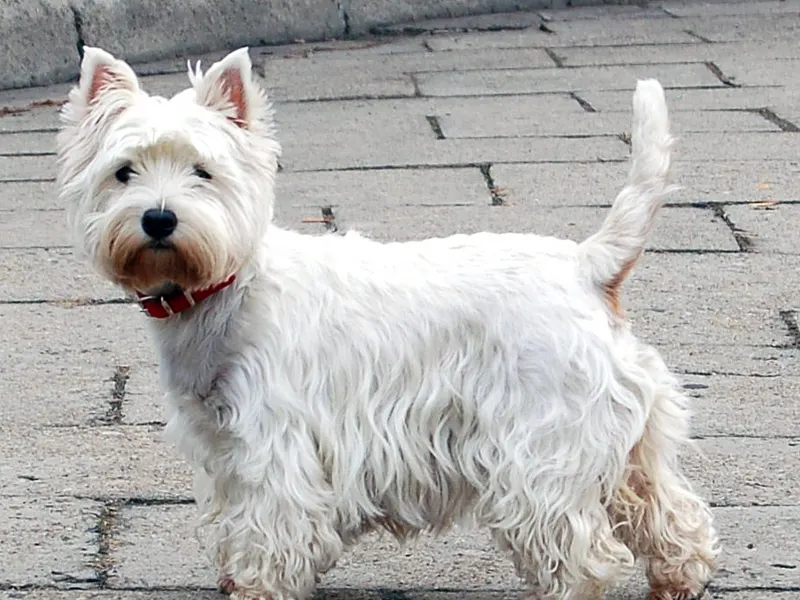
The West Highland White Terrier developed in the Scottish Highlands from the same general terrier stock that produced the Cairn and Scottish Terrier, with the breed's distinctive all-white coat reportedly favored deliberately by breeder Edward Donald Malcolm after a reddish terrier of his was mistaken for a fox and accidentally shot during a hunt — a white coat let hunters clearly distinguish the dog from game in the field, a genuinely practical origin for what's now a purely cosmetic hallmark trait. The breed gained AKC recognition in 1908, and 'Westie' has become one of the most recognized small-dog silhouettes in advertising and pop culture, appearing for decades as the mascot of a well-known Scotch whisky brand. The breed shares its general Scottish terrier origins with the Cairn, Scottish, and Skye Terriers, all developed from overlapping regional working stock but selectively bred toward distinct standardized appearances and coat colors over the 19th and early 20th centuries.
Common health predispositions
- Skin allergies
- Patellar luxation
- Craniomandibular osteopathy
Temperament
Westies carry a classic terrier temperament — confident, alert, and independent — reflected in solidly high energy and vocalization ratings alongside only moderate trainability; the breed was bred to hunt rodents and small game independently underground, and that self-directed drive still shows up as genuine willfulness during training. They're generally good with children and reasonably good with other pets when properly socialized, though the breed's terrier instincts toward small, fast-moving animals are a real, functional trait rather than an occasional quirk.
Living with a West Highland White Terrier
Westies do fine on roughly 45 minutes of daily activity, and given the breed's genuine enjoyment of digging and investigating, those instincts are best channeled into appropriate outlets rather than fought outright. Grooming asks for real, sustained effort — the wiry double coat holds its texture only with regular brushing and a trip to a professional for hand-stripping or clipping every few months, and a properly maintained wire coat also happens to shed relatively little, which is why the Westie shows up so often on allergy-friendly breed lists — a fair characterization as long as buyers understand low-shedding and hypoallergenic aren't quite the same claim. Skin allergies are a genuinely common and sometimes frustrating issue in the breed, and a rare bone disorder called craniomandibular osteopathy, sometimes nicknamed 'lion jaw' for the jaw swelling it causes in affected puppies, is specific enough to the breed and its close terrier relatives that it's worth knowing about, though most affected puppies improve as they mature. The breed's genuine terrier stubbornness means training benefits from short, engaging sessions and consistency more than repetition, and Westies often do well in earthdog trials, a sport built around exactly the underground hunting instincts the breed was originally developed for. Despite the breed's small size, real digging ability means secure, buried fencing is sometimes necessary to keep a determined Westie from tunneling under a standard fence line.
FAQ
Why are West Highland White Terriers white?
According to breed history, an early breeder favored the all-white coat after one of his reddish terriers was mistaken for a fox and shot during a hunt — a white coat let hunters distinguish the dog from game at a glance, a practical origin for what's now purely a cosmetic breed-standard trait.
Are Westies hypoallergenic?
Not in the strict sense — every dog produces some allergen — but the wire coat's low shedding makes it easier on sensitive noses than most breeds, and a supervised visit with the specific puppy beforehand is the only real way to know if a given household will tolerate it.
What is craniomandibular osteopathy?
A rare inherited bone disorder, sometimes called 'lion jaw,' that causes abnormal bone growth in the jaw of affected puppies, documented in West Highland White Terriers and a few closely related terrier breeds; it typically appears between 3-8 months and most affected dogs improve significantly once bone growth completes around a year old.
Do Westies need professional grooming?
Most owners use professional grooming every few months for hand-stripping or clipping the wiry double coat, which helps maintain the coat's texture and manage shedding; skipping professional grooming in favor of only home brushing is possible but generally produces a softer, less weatherproof coat over time.
Are Westies good at earthdog trials?
Often, yes — the sport is built directly around the underground digging and hunting instincts the breed was originally developed for, and many Westie owners find it a genuinely appropriate, satisfying outlet for the breed's natural drive beyond simple walks.
How is the Westie related to the Scottish Terrier?
Both descend from overlapping regional Scottish terrier working stock, alongside the Cairn and Skye Terriers, but breeders in the 19th and early 20th centuries selectively developed each toward a distinct standardized appearance and coat color, producing today's separately recognized breeds.
Related on FetchBreed
Lists this breed appears in
Care equipment for a West Highland White Terrier
As an Amazon Associate we earn from qualifying purchases made through these links, at no extra cost to you.
- Terrier stripping knife
The wire coat holds its texture only with regular brushing plus a trip to a professional for hand-stripping or clipping.
- Slicker brush
The regular-brushing half of that same routine, for the weeks between professional appointments.
Whichever breed fits your life, consider adoption or breed-specific rescue first — many purebred and mixed-breed dogs and cats are already waiting for homes.
General breed information, not veterinary advice — consult a vet for your pet's specific health, diet, and behavior needs.