Herding Group
Bergamasco Sheepdog
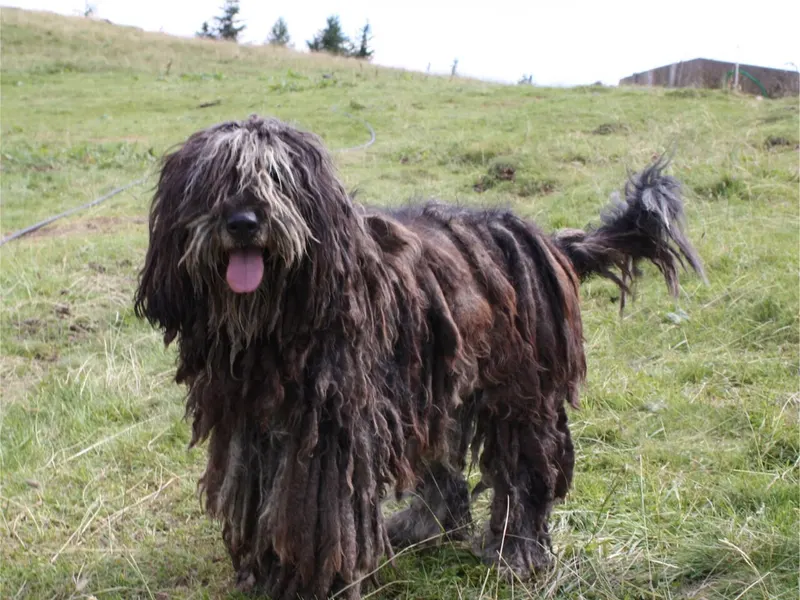
Shepherds in Italy's Bergamo region, in the foothills of the Alps, developed this breed over many centuries as a livestock guardian and herder, and the Bergamasco's single most distinctive feature — a coat that naturally forms into long, flat, felted mats called "flocks" rather than growing as loose individual hair — evolved specifically as functional protection against the genuinely harsh Alpine weather and predator encounters the breed regularly faced while working. That mat-forming coat structure is a real, deliberately preserved trait rather than a grooming failure, and it takes roughly the dog's first year or two of life to fully develop into the mature flocked coat pattern, a genuinely unusual and lengthy coat-maturation process compared with almost any other breed. The Bergamasco came close to disappearing during the mid-20th century as traditional Italian shepherding declined substantially, before dedicated Italian breeders, working through the postwar decades, rebuilt the population and formalized the modern breed standard. The Bergamasco remains genuinely uncommon in the US today, known mainly to owners specifically drawn to its unusual and demanding coat and Alpine herding history.
Common health predispositions
- Hip dysplasia
- Generally hardy breed
Temperament
Calm, genuinely intelligent, and notably devoted, the Bergamasco carries a working temperament built around patient watchfulness and real problem-solving ability rather than high-energy herding intensity, a legacy of its traditional dual role guarding and managing flocks somewhat independently across Alpine terrain. Kids are generally in safe, gentle hands with this breed, whose naturally protective streak rarely tips over into anything aggressive. Real intelligence shows up clearly in training too, and the Bergamasco is often described by Italian breed enthusiasts as more responsive and biddable than its imposing, shaggy appearance might suggest. Italian breed clubs continue actively promoting the Bergamasco specifically to keep its Alpine herding heritage visible even as the breed's population has grown internationally as a companion dog.
Living with a Bergamasco Sheepdog
This calm but genuinely capable working breed does well on about an hour of daily activity. The Bergamasco's coat is the real defining commitment here — rather than regular brushing, the mature coat is deliberately allowed to felt into flocks starting around the dog's first year, and once established, that flocked coat actually needs very little maintenance, making this one of the lowest-shedding large breeds despite its dramatic, unkempt appearance. Hip dysplasia is the main structural item worth screening for, though the Bergamasco is otherwise widely considered a genuinely hardy breed given its working Alpine background. Real calm and genuine family devotion make this an excellent fit for a household prepared for the unusual, multi-year coat-development process and willing to research proper flock-maintenance technique rather than conventional grooming. US breeders remain genuinely few, so a real wait, or an Italian import contact, tends to be part of the process. Expect fairly typical costs for a large working breed, minus the professional grooming bill most big dogs carry, since a mature flocked coat needs essentially none.
FAQ
Why does a Bergamasco's coat form mats?
The coat naturally forms into long, flat, felted mats called 'flocks' as a deliberately preserved functional trait, evolved specifically as protection against harsh Alpine weather and predator encounters the breed regularly faced while guarding and herding flocks in Italy's Bergamo region.
How long does it take a Bergamasco's coat to mature?
Roughly the dog's first year or two of life for the flocked coat pattern to fully develop, a genuinely unusual and lengthy coat-maturation process compared with almost any other breed, during which the coat transitions from loose puppy fur to mature felted flocks.
Does a Bergamasco need a lot of grooming?
Surprisingly little once mature — rather than regular brushing, the coat is deliberately allowed to felt into flocks, and once established, that flocked structure needs very little ongoing maintenance, making it one of the lowest-shedding large breeds despite its shaggy look.
Is the Bergamasco good for allergy sufferers?
Better than many breeds, though no dog is fully hypoallergenic — once the coat matures into its felted flocks, it sheds remarkably little loose hair compared with almost any other double-coated breed, since shed hair mostly stays trapped within the mat structure rather than floating free around the house. Some allergy-sensitive owners report doing reasonably well around an adult Bergamasco specifically because of this low airborne-dander profile, though anyone with known dog allergies should still spend real time around the breed before committing.
Is a Bergamasco good with children?
Generally, yes — kids tend to be safe with this breed's naturally protective but rarely aggressive disposition, a direct legacy of its traditional role guarding both livestock and, by extension, its shepherd's own family.
How big does a Bergamasco get?
A large, powerfully built breed, typically 57 to 84 pounds and 22 to 23.5 inches at the shoulder, with the flocked coat adding considerable visual bulk on top of an already substantial frame built for hauling itself around genuinely steep Alpine terrain all day.
Related on FetchBreed
Whichever breed fits your life, consider adoption or breed-specific rescue first — many purebred and mixed-breed dogs and cats are already waiting for homes.
General breed information, not veterinary advice — consult a vet for your pet's specific health, diet, and behavior needs.