Non-Sporting Group
Dalmatian
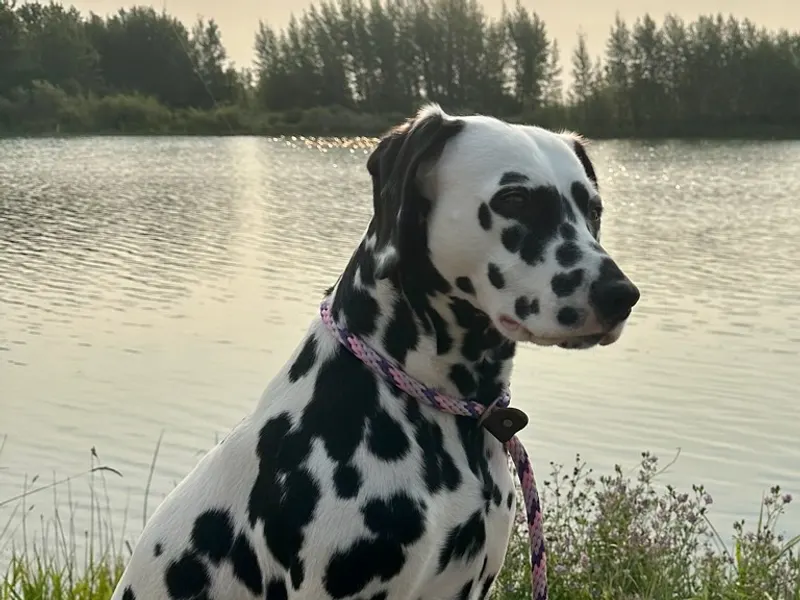
The Dalmatian's exact geographic origin is genuinely unresolved — the name ties to the Dalmatia region of the Croatian coast, and spotted coach-dog types appear in historical records and art from several parts of Europe, so breed historians don't claim a single definitive point of origin. What's well documented is the breed's later working role as a "coach dog," trotting alongside or beneath horse-drawn carriages to protect the horses and guard property at stops, a job that translated naturally into the breed's strong historical association with firehouses once fire engines were also horse-drawn; Dalmatians calmed and ran alongside the horses on the way to fires, and many American firehouses kept the breed as mascots for generations afterward. Disney's 1961 animated film 101 Dalmatians, and its 1996 live-action remake, drove sharp spikes in the breed's popularity each time, spikes breed rescue organizations have specifically pointed to as contributing to a rise in Dalmatian surrenders from owners unprepared for the breed's real exercise and training needs. The AKC recognized the breed in 1888.
Common health predispositions
- Congenital deafness
- Urate urinary stones
- Hip dysplasia
Temperament
Bred for stamina alongside horse-drawn carriages, the Dalmatian carries a maxed-out energy level and genuine athleticism that a movie-driven image of a calm household pet doesn't always prepare new owners for. The breed is generally good with familiar children and reasonably good with other pets, but Dalmatians can be reserved or even standoffish with strangers, a trait consistent with the breed's historical role guarding carriages and property. Training goes reasonably well with a firm, consistent approach, though the breed's intelligence combined with high energy means a Dalmatian without enough physical and mental outlets tends toward destructive or anxious behavior rather than settling quietly.
Living with a Dalmatian
Dalmatians were built to run alongside carriages for miles, and that stamina hasn't gone anywhere just because the job today is companionship rather than escort duty — treat 90 minutes of vigorous daily exercise as a floor, not a suggestion. Two of the breed's most distinctive traits are genetic and worth understanding before buying a puppy: congenital deafness occurs in the breed at a documented rate connected to the same piebald coat-pattern genetics responsible for the Dalmatian's spots, and the breed also has a unique purine-metabolism trait that predisposes essentially all Dalmatians, not just some, to forming urate urinary stones, a condition that often calls for a specific prescription diet managed proactively rather than treated only after a problem develops. Hip dysplasia is also documented at rates typical of large, athletic breeds. The coat itself is short and low-maintenance to brush but sheds heavily and steadily year-round, often surprising new owners who expect a short coat to mean minimal cleanup. Dalmatian puppies are actually born pure white, with the breed's signature spots developing gradually over the first few weeks of life.
FAQ
Why are Dalmatians associated with firehouses?
Once fire engines were horse-drawn, Dalmatians ran alongside the horses to calm them and guard equipment during calls, a role that grew out of the breed's earlier job as a carriage-escort 'coach dog.' Many American firehouses kept the breed as mascots for generations after engines became motorized, and the association has stuck culturally ever since.
Why do some Dalmatians go deaf?
Congenital deafness in the breed is linked to the same piebald coat-pattern genetics responsible for the Dalmatian's spots, a connection also documented in several other predominantly white or piebald breeds; reputable breeders typically screen puppies for hearing before placement.
Do all Dalmatians have urinary stone issues?
Essentially yes — unlike most urinary-stone risk in dogs, which varies dog to dog, Dalmatians as a breed share a unique purine-metabolism trait that predisposes them to urate stones, which is why many vets recommend a proactive prescription diet and monitoring rather than waiting for symptoms.
Are Dalmatians born with spots?
No — Dalmatian puppies are born pure white, and the breed's signature black or liver spots develop gradually over the first several weeks of life as the pigment genetics express themselves.
Why did Dalmatian rescues increase after the 101 Dalmatians movies?
Both the 1961 animated film and its 1996 live-action remake drove sharp spikes in demand for Dalmatian puppies, and rescue organizations have specifically pointed to those spikes as contributing to a rise in surrenders from owners who bought on impulse without understanding the breed's substantial exercise and training needs.
Are Dalmatians good with kids?
Generally yes, especially with older kids who can match the breed's energy — a well-socialized Dalmatian is playful and affectionate, though its size and exuberance call for supervision around very young children.
How big do Dalmatians get?
Typically 45 to 70 pounds and 19 to 24 inches at the shoulder, a lean, athletic build reflecting the breed's history of running alongside horse-drawn carriages for extended distances.
What diet do Dalmatians need because of their urinary condition?
Many vets recommend a lower-purine diet specifically formulated for the breed's unique metabolism, along with encouraging generous water intake to help dilute urine and reduce the chance of urate stones forming in the first place.
How long do Dalmatians live?
Typically 11 to 13 years, a fairly standard lifespan for a large, athletic breed, particularly with proactive hearing screening and consistent urinary-health management factored into routine care.
Is a Dalmatian a good first dog?
The very high energy, substantial exercise needs, and genetic predisposition to deafness and urinary issues add up to more ongoing management than most first-time owners bargain for going in.
Are Dalmatians good watchdogs?
Reasonably — the breed's historical role guarding carriages and property left it naturally alert and somewhat reserved with strangers, traits that carry over into a genuine, if not overly aggressive, watchdog instinct today.
Related on FetchBreed
Lists this breed appears in
Whichever breed fits your life, consider adoption or breed-specific rescue first — many purebred and mixed-breed dogs and cats are already waiting for homes.
General breed information, not veterinary advice — consult a vet for your pet's specific health, diet, and behavior needs.