Herding Group
Finnish Lapphund
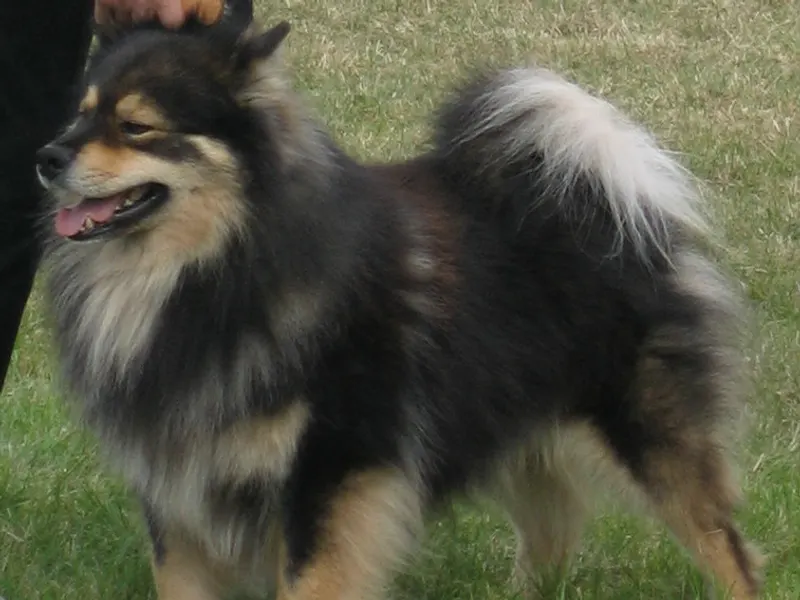
The Sámi people of Finland's Lapland region originally bred this breed to herd reindeer, a job that demanded a dog tough enough to handle Arctic conditions but gentle and cooperative enough to work closely with the herd without scattering it — quite different from the more aggressive driving style some herding breeds use. As snowmobiles and other modern tools gradually replaced dogs for reindeer herding through the 20th century, the Finnish Lapphund transitioned toward companion and show status, though the breed retained its thick, weather-resistant coat and calm working temperament throughout that shift. The AKC recognized the Finnish Lapphund in 2011. The Sámi people's reindeer-herding tradition stretches back well over a thousand years, and dogs of the Lapphund type were considered valuable enough that they were traditionally included in a family's inheritance alongside reindeer and other property. Finland's kennel club formally split the Finnish Lapphund from the closely related Lapponian Herder in 1966, recognizing them as genuinely separate breeds despite their shared Sámi herding origins and continued regional overlap.
Common health predispositions
- Progressive retinal atrophy
- Hip dysplasia
- Patellar luxation
Temperament
Calm, friendly, and notably patient describes the Finnish Lapphund well, a temperament that made sense for a dog working in close proximity to a reindeer herd rather than driving it aggressively from a distance. The breed is genuinely good with children and typically sociable with other dogs, reflecting centuries of selection for a cooperative rather than confrontational herding style. Vocalization runs fairly high, a trait that served a real purpose alerting herders across long distances in open terrain, and it persists strongly in the modern companion dog. The breed's traditional role required working in close physical proximity to reindeer without spooking the herd, a genuinely different skill from the more assertive driving style some herding breeds use on sheep or cattle, and that gentler working temperament carries over into the modern companion dog as a notably patient, unflappable disposition.
Living with a Finnish Lapphund
Steady activity matters more than intensity here — this isn't an especially high-drive breed by herding standards, and around an hour of daily exercise generally satisfies it. The profuse double coat, built for genuinely harsh Arctic conditions, blows out heavily during seasonal changes and needs several brushing sessions a week during those stretches to stay ahead of the volume, even though the texture itself is otherwise fairly low-maintenance. Progressive retinal atrophy, hip dysplasia, and patellar luxation top the list of conditions worth asking a health-testing breeder about directly. This breed suits a family wanting a friendly, cooperative herding dog with real cold-weather hardiness — it's a poor fit for a hot climate given the coat's insulating design, and for anyone unable to commit to serious seasonal grooming. Dedicated Finnish Lapphund rescue barely exists in the US given how small the breed's population is here, so most available dogs surface through the national breed club's referral network or direct contact with one of a handful of established breeders.
FAQ
Were Finnish Lapphunds bred to herd reindeer?
Yes — the breed was developed by the Sámi people of Lapland specifically for reindeer herding, using a gentler, close-working style suited to keeping a herd calm rather than the more aggressive driving techniques some herding breeds use on sheep or cattle.
Do Finnish Lapphunds shed a lot?
Yes, substantially, especially during seasonal coat changes — the thick double coat built for Arctic conditions needs brushing several times a week to manage the volume of loose hair.
Are Finnish Lapphunds good with children?
Very much so — the breed's cooperative herding history and generally calm, patient temperament make it one of the more consistently kid-friendly herding breeds available.
Were Finnish Lapphunds considered valuable property historically?
Yes — among the Sámi people, dogs of the Lapphund type were valued highly enough that they were traditionally included in family inheritance alongside reindeer and other property, reflecting how essential they were to the reindeer-herding economy.
Is the Finnish Lapphund the same as the Lapponian Herder?
No — though closely related and sharing Sámi herding origins, Finland's kennel club formally recognized them as separate breeds in 1966, distinguishing the Finnish Lapphund's coat and build from its Lapponian Herder cousin.
Is the Finnish Lapphund good with young children?
Very much so — the breed's patient, cooperative temperament, developed for working gently around reindeer without startling them, translates naturally into tolerance and gentleness with children, making it one of the more consistently kid-friendly herding breeds available.
What job did the Finnish Lapphund originally do for the Sami people?
The breed worked as a reindeer herder for the Sami, the indigenous people of Finland's arctic Lapland region, using a bark-and-nip herding style suited to controlling large reindeer rather than sheep, and its dense double coat and naturally weatherproof build reflect generations of selection for surviving genuinely harsh sub-Arctic winters.
Related on FetchBreed
Whichever breed fits your life, consider adoption or breed-specific rescue first — many purebred and mixed-breed dogs and cats are already waiting for homes.
General breed information, not veterinary advice — consult a vet for your pet's specific health, diet, and behavior needs.