Herding Group
Pumi
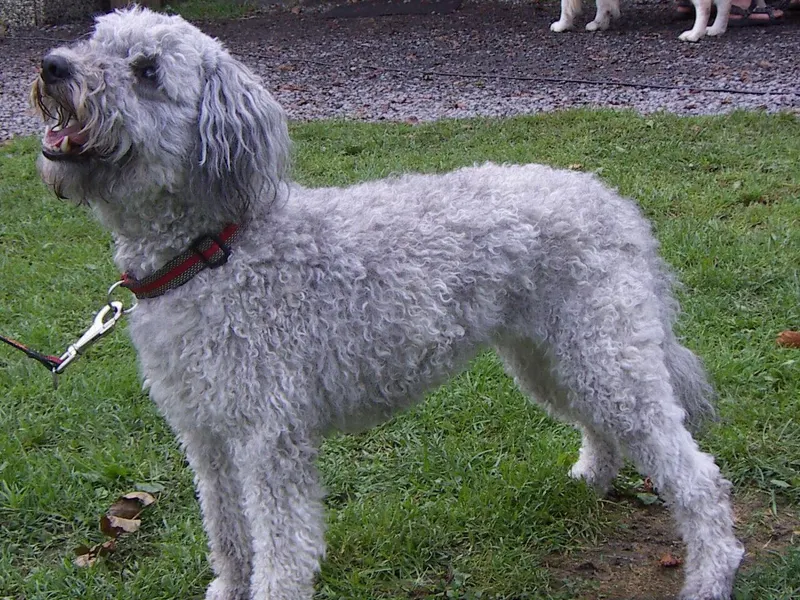
Hungarian shepherds developed the Pumi over several centuries by crossing older Hungarian herding stock, likely including the Puli, with imported German and French terrier-type dogs, producing a distinctly different working silhouette — a corkscrew-curled coat and famously mobile, half-erect ears — from either parent line. Unlike the older, more purely flock-guarding Puli, the Pumi was bred specifically as a nimble, vocal driving dog for both sheep and cattle, a job that rewarded quickness and a willingness to bark at balky livestock rather than the Puli's closer, quieter herding style. Hungarian breed clubs formally separated the Pumi from the Puli as a distinct breed in the early 20th century, codifying differences in coat, structure, and working style that had likely existed informally for generations before that split. AKC recognition didn't come until 2016, a genuinely late addition to the American Herding Group given how far back the breed's actual Central European working history stretches.
Common health predispositions
- Hip dysplasia
- Patellar luxation
- Degenerative myelopathy
- Hereditary cataracts
Temperament
Sharp, quick-witted, and almost relentlessly busy, the Pumi carries real herding drive that needs somewhere productive to go, or it tends to redirect itself into whatever activity the dog finds interesting on its own. Bonding with its own household comes easily and runs deep, but strangers and unfamiliar dogs get a genuinely wary reception, so early, deliberate socialization carries real weight here in a way it wouldn't for a naturally easygoing companion breed. That same herding-bred vocal habit shows up constantly at home too — the Pumi barks readily and often, a trait bred directly into the dog for driving livestock that doesn't switch off just because the flock is gone. Hungarian and growing American Pumi clubs run agility, herding, and obedience trials specifically to give this breed's real intelligence and drive a legitimate outlet.
Living with a Pumi
This is not a low-key breed — 75 minutes of genuine daily activity plus real mental challenge is closer to the actual minimum than a nice-to-have. The dense, wiry, corkscrew-curled coat needs regular brushing to prevent matting, and most owners have it trimmed periodically to keep the curl manageable. Hip dysplasia, patellar luxation, degenerative myelopathy, and hereditary cataracts all belong on the breeder-screening checklist for this athletic small herder. Real vocal tendencies and genuine wariness with strangers mean the Pumi fits best with an owner who's ready for consistent socialization and doesn't live somewhere barking becomes a real problem. The still-small US population keeps rescue availability limited, so most interested owners end up working directly with one of the relatively few dedicated American Pumi breeders. Periodic professional coat trims add a modest recurring cost on top of otherwise typical small-breed food and veterinary expenses.
FAQ
Is a Pumi the same as a Puli?
No — though they share ancestry, Hungarian breed clubs formally split them into distinct breeds in the early 20th century; the Pumi has a different corkscrew-curled coat, more mobile ears, and was bred specifically as a quicker, more vocal livestock-driving dog rather than the Puli's closer, corded-coat flock-guarding style.
Why does a Pumi bark so much?
It's a directly inherited working trait — Hungarian shepherds bred the Pumi specifically to vocally drive balky sheep and cattle, and that instinct doesn't switch off in a home environment, so prospective owners should expect a genuinely vocal dog.
Is a Pumi hypoallergenic?
Not in any strict sense — total allergen-free dogs don't really exist, but the curly, wiry Pumi coat produces noticeably less loose hair than most breeds, and allergy-sensitive owners often do better with one, though spending time with the actual dog first is the safer test.
How much exercise does a Pumi need?
Plenty — roughly 75 minutes of real activity daily plus genuine mental engagement, reflecting the breed's history as an energetic, quick-thinking livestock driver rather than a dog suited to a sedentary household.
When did the AKC recognize the Pumi?
Not until 2016, a comparatively late formal recognition given that the breed's actual working history in Hungary stretches back several centuries before that.
How big does a Pumi get?
A genuinely compact herder, typically 22 to 29 pounds and around 15 to 18.5 inches tall — small enough to move fast and low around cattle heels, yet sturdy enough that Hungarian shepherds trusted it to hold its ground against a stubborn animal twenty times its own weight.
Does a Pumi need a specific coat color?
No single color defines the breed — Pumik come in black, various shades of gray, white, and a reddish fawn called 'sable' in Hungary, and neither the Hungarian nor American breed standard privileges one shade over another, treating coat color as far less important than the corkscrew curl and correct working structure underneath it.
Related on FetchBreed
Whichever breed fits your life, consider adoption or breed-specific rescue first — many purebred and mixed-breed dogs and cats are already waiting for homes.
General breed information, not veterinary advice — consult a vet for your pet's specific health, diet, and behavior needs.