Non-Sporting Group
American Eskimo Dog
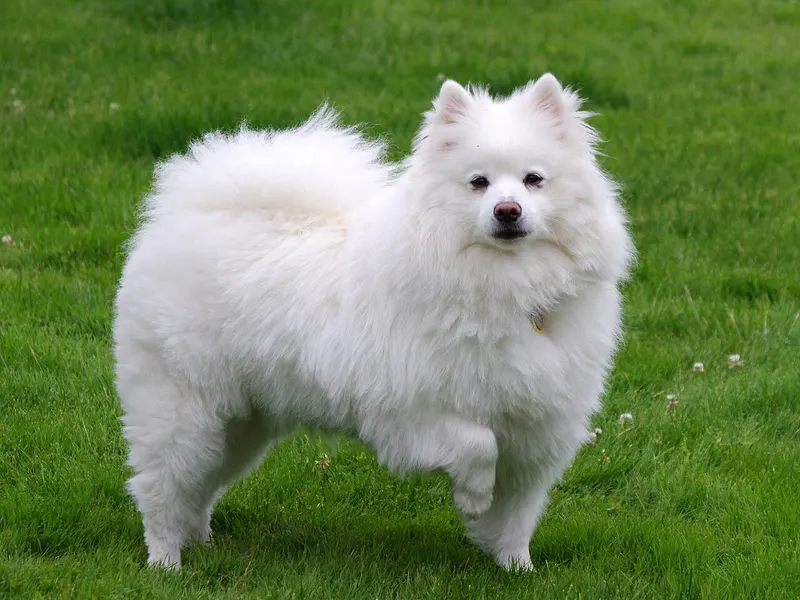
Despite its name, the American Eskimo Dog has no documented connection to Inuit or other Arctic Indigenous peoples — the breed actually descends from German and other European Spitz-type dogs brought to the United States by immigrants, most closely related to the German Spitz. Anti-German sentiment during and after World War I led American breeders and owners to rename many German-associated breeds, and this one emerged from that period rebranded as the "American Eskimo Dog," a name that stuck permanently despite having no real historical basis in Arctic heritage. The breed became a genuinely popular circus and vaudeville performer in the early 20th century United States, prized for its intelligence and trainability in acts that included tightrope walking, and the AKC granted formal recognition comparatively late, in 1995, after decades of earlier recognition through the United Kennel Club.
Common health predispositions
- Hip dysplasia
- Patellar luxation
- Progressive retinal atrophy
Temperament
That circus-performer history shows up clearly in the breed's modern temperament: American Eskimo Dogs are highly trainable, alert, and food- and attention-motivated, qualities that translate well into obedience work and trick training at home. GoodWithKids ratings run solidly good, and the breed is typically playful and affectionate with its family, though its watchful, sometimes vocal nature means genuine alert-barking at unfamiliar sounds or visitors. Other pets are usually a reasonable match, though the breed's herding-adjacent Spitz ancestry can occasionally show up as chasing behavior toward smaller, fast-moving animals.
Living with a American Eskimo Dog
Forty-five minutes of daily activity, ideally including training or trick work given the breed's intelligence, keeps an American Eskimo Dog well-adjusted; boredom in this breed commonly shows up as excessive barking. Several brushing sessions a week keep the dense white or cream double coat under control, and that schedule gets a lot busier during the twice-yearly blowouts typical of Spitz-type breeds. Hip dysplasia, patellar luxation, and progressive retinal atrophy round out what breed health surveys flag most often. Coming in three AKC-recognized size varieties — Toy, Miniature, and Standard, all under one breed standard — the American Eskimo Dog offers real flexibility for households with different space constraints while keeping the same general temperament and grooming needs across sizes. The breed's striking pure-white coat and consistently good showmanship in the ring are a direct legacy of its performance-dog history, and Eskies remain competitive in AKC obedience and agility today.
FAQ
Is the American Eskimo Dog actually related to Arctic sled dogs?
No — despite the name, the breed descends from German and other European Spitz-type dogs, most closely the German Spitz, brought to the U.S. by immigrants. The 'Eskimo' name was adopted during a period of anti-German sentiment around World War I and has no real basis in Arctic heritage.
Why was the American Eskimo Dog a circus performer?
The breed's genuine trainability and intelligence made it a popular vaudeville and circus act in the early 20th century United States, with acts that included tightrope walking; that performance history is a real, documented part of the breed's American background.
How many sizes of American Eskimo Dog are there?
Three — Toy, Miniature, and Standard — all recognized under a single AKC breed standard rather than as separate breeds, giving households some flexibility in size while keeping the same general temperament and coat-care needs.
How much grooming does an American Eskimo Dog need?
A real ongoing commitment — several brushing sessions a week are standard for the dense white double coat, and that ramps up considerably during the twice-yearly blowouts common to Spitz-type dogs.
Are American Eskimo Dogs good watchdogs?
Reasonably alert ones, yes — the breed tends to bark at unfamiliar sounds or visitors, a trait consistent with its general Spitz-type watchfulness, though it's better suited to alerting than to any serious guarding role.
Are American Eskimo Dogs good with children?
The playful, affectionate temperament translates well to family life, and the Standard size in particular handles typical household activity more robustly than the smaller Toy variety would.
How long do American Eskimo Dogs live?
A medium breed reaching 13 to 15 years is doing well, and this one usually gets there thanks to a documented health-concern list that's genuinely more manageable than many similarly sized breeds carry.
How much exercise does an American Eskimo Dog need?
About 45 minutes daily, ideally including training or trick work — this breed's circus-performer intelligence means mental stimulation matters just as much as physical activity for keeping it well-adjusted.
How big does an American Eskimo Dog get?
It depends on the size variety — Toys run 6 to 10 pounds, Miniatures 10 to 20 pounds, and Standards 25 to 35 pounds, all sharing the same general build and pure white or cream coat.
Is the American Eskimo Dog a good apartment dog?
The Toy and Miniature varieties suit apartment living well given their smaller size and moderate exercise needs, though all sizes benefit from genuine daily mental engagement regardless of the home's square footage.
Do American Eskimo Dogs shed a lot?
Genuinely, yes — the dense double coat lets go steadily throughout the year and then dramatically during two seasonal blowouts, catching owners off guard who were drawn in by the breed's clean, striking white look.
Is the American Eskimo Dog a good family dog?
Yes, generally — the breed's playful, trainable temperament and manageable size across its three varieties make it a solid family choice, provided its need for mental engagement and grooming are genuinely met.
Do American Eskimo Dogs get along with cats?
Generally yes, with early introduction — the breed's herding-adjacent Spitz ancestry can produce some chasing instinct toward fast-moving animals, but a well-socialized Eskie usually settles into a peaceful routine with resident cats.
Related on FetchBreed
Lists this breed appears in
Whichever breed fits your life, consider adoption or breed-specific rescue first — many purebred and mixed-breed dogs and cats are already waiting for homes.
General breed information, not veterinary advice — consult a vet for your pet's specific health, diet, and behavior needs.