Terrier Group
Parson Russell Terrier
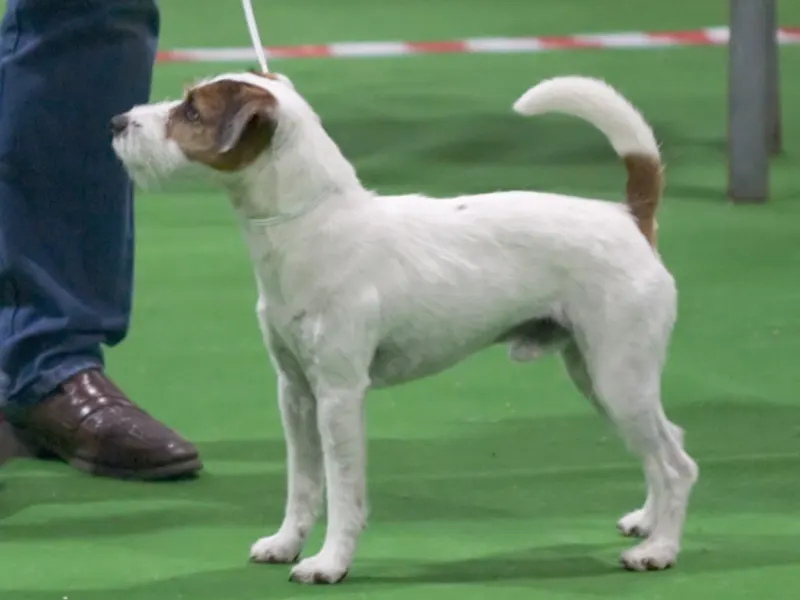
Reverend John ("Jack") Russell, a 19th-century English clergyman and avid fox hunter, developed this terrier type in the 1800s specifically to work alongside foxhounds, bolting foxes from their dens by going to ground after them rather than simply chasing on the surface the way the hounds did. That original type has since split into two related but separately recognized AKC breeds — the Parson Russell Terrier, bred toward a slightly taller, more square-proportioned build suited to squeezing through den openings, and the Russell Terrier, a shorter-legged variant — a division that reflects genuinely different breeding emphases within Jack Russell's original working lines rather than a simple renaming. Earthdog trials, a modern AKC sport that simulates den-hunting conditions in a controlled tunnel setup, remain popular with Parson Russell owners today as a genuine outlet for the breed's original instinct, judged on speed to the quarry and how the dog works once it reaches the target. AKC recognition for the Parson Russell Terrier came in 1997, and the breed's name itself changed from "Jack Russell Terrier" to "Parson Russell Terrier" in 2003 specifically to distinguish the AKC-recognized standardized type from the more variable, non-standardized dogs still commonly sold under the older "Jack Russell" name. The breed's build is a genuinely functional one: a spannable chest, meaning a handler can encircle it with two hands, was historically considered essential, since a torso too large to fit through a fox's den opening made the entire dog useless for its original job.
Common health predispositions
- Lens luxation
- Patellar luxation
- Legg-Calve-Perthes disease
Temperament
Bold, energetic, and famously fearless for its size, the Parson Russell Terrier carries real hunting drive that shows up constantly in everyday life, from relentless digging to an eagerness to chase anything that moves. Intense family loyalty pairs with real scrappiness toward unfamiliar dogs in most individuals, plus a genuinely strong prey drive around small animals, both traits directly inherited from the breed's original den-hunting role. This is not a laid-back companion breed — a Parson Russell Terrier without real physical and mental outlet tends toward digging, escaping, and general mischief fast.
Living with a Parson Russell Terrier
A casual walk won't cut it for this genuinely high-drive terrier — seventy-five minutes of vigorous activity, paired with real mental engagement like earthdog trials or structured training, is closer to what actually suits it. Coat care stays fairly light regardless of whether an individual carries the smooth or broken (rough) coat variety, needing just occasional brushing. Lens luxation and patellar luxation are worth screening for, and deafness along with Legg-Calve-Perthes disease — a young-dog hip joint condition that shows up in several small breeds — round out the list to raise with a breeder. An active owner genuinely prepared for a scrappy, high-energy terrier with real digging and escaping tendencies will find a loyal, entertaining companion here; a household wanting a mellow lapdog or one with small pets that can't be securely separated should look elsewhere given the breed's intense prey drive. Parson Russell Terrier and general Jack Russell-type rescue is fairly common in the US given the breed's popularity and the frequency with which underestimated energy needs lead to surrenders, making rescue a genuinely realistic option for interested adopters. Monthly costs run relatively modest given the breed's small size and minimal coat-care needs, though secure fencing and durable toys are real upfront expenses worth budgeting for given the breed's digging and escaping tendencies.
FAQ
What's the difference between a Parson Russell Terrier and a Jack Russell Terrier?
The AKC renamed its standardized version from Jack Russell Terrier to Parson Russell Terrier in 2003 specifically to distinguish it from the more variable, non-standardized dogs still commonly sold under the older name — Parson Russells are bred to a consistent taller, square-proportioned standard, while 'Jack Russell' today often refers to a broader, less standardized type.
Is a Parson Russell Terrier a good first dog?
Rarely an easy first choice — the breed's genuine hunting drive, digging instinct, and high energy level require real commitment to exercise and training, and someone expecting a small dog to also be a low-effort one is likely to be caught off guard.
Why does a Parson Russell Terrier need a 'spannable' chest?
The original working type required a chest small enough for a handler to encircle with two hands, since the dog needed to physically fit through a fox's den opening to do its original job of bolting foxes underground — a torso too large made the whole dog useless for its intended work.
Do Parson Russell Terriers get along with other dogs?
It depends on the dog — scrappiness with unfamiliar dogs is common enough, a trait inherited from working closely alongside foxhound packs while still competing individually against fellow terriers for den access, so early socialization matters.
Is Parson Russell Terrier rescue easy to find?
Yes, relatively — the breed's popularity combined with how often owners underestimate its real energy and digging needs means rescue placements are fairly common in the US, making it a genuinely realistic adoption option.
Related on FetchBreed
Whichever breed fits your life, consider adoption or breed-specific rescue first — many purebred and mixed-breed dogs and cats are already waiting for homes.
General breed information, not veterinary advice — consult a vet for your pet's specific health, diet, and behavior needs.