Terrier Group
Staffordshire Bull Terrier
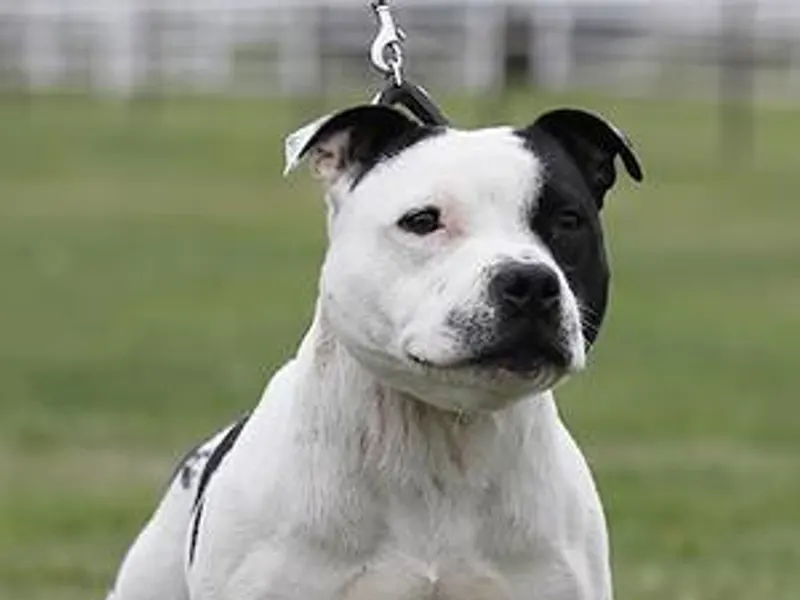
The Staffordshire Bull Terrier developed in England's Black Country industrial region during the 1800s from the same Bulldog-and-terrier fighting stock that produced the American Staffordshire Terrier and Pit Bull Terrier, but the Stafford's development stayed centered in England, where it became a working-class companion and, once blood sports were banned, a genuinely popular family and show dog well before its American cousins followed similar paths. The Kennel Club (UK) recognized the breed in 1935, notably earlier than the AKC's 1936 recognition of the separately diverged AmStaff. The Stafford is meaningfully smaller and lighter-boned than the AmStaff despite their shared ancestry, a divergence largely driven by differing English versus American show-ring standards that developed over the 20th century. The breed remains genuinely popular in England as both a companion and a show dog, and it's often cited by British breed clubs as an example of successfully rehabilitating a fighting-dog lineage into a family-oriented modern breed.
Common health predispositions
- L-2-Hydroxyglutaric aciduria
- Hip dysplasia
- Cataracts
Temperament
Staffordshire Bull Terriers are famously affectionate and gentle with people, earning the historical nickname 'the nanny dog' in parts of England for a reputation of genuine patience with children — kids compatibility scores as high for this breed as for almost anything else tracked here. Like its close relatives, the Stafford's compatibility with other dogs runs lower, a legacy of its fighting-dog ancestry, and same-sex aggression toward unfamiliar dogs is a documented and real consideration requiring careful socialization.
Living with a Staffordshire Bull Terrier
This muscular, athletic breed generally does well with an hour of daily exercise. The short, smooth coat asks almost nothing of an owner grooming-wise. L-2-Hydroxyglutaric aciduria, a rare inherited metabolic disorder causing neurological symptoms, is specific enough to the breed that DNA testing for carriers is standard practice among responsible breeders, alongside hip dysplasia and cataracts. As with the AmStaff, breed-specific legislation and housing or insurance restrictions targeting bully-type breeds by appearance can affect the Stafford despite its distinct, separately recognized breed status, making local research worthwhile before committing to ownership. The breed's compact, muscular build and relatively low grooming and coat-related costs make it comparatively affordable to maintain day-to-day, though the legal and housing research overhead is a real, non-financial cost worth factoring in.
FAQ
Why is the Staffordshire Bull Terrier called 'the nanny dog'?
The nickname reflects a widely reported historical reputation, particularly in England, for genuine gentleness and patience with children — the breed consistently rates at the top of compatibility scales for kids, though as with any strong breed, adult supervision during play still matters given the dog's physical strength.
What is L-2-Hydroxyglutaric aciduria?
A rare inherited metabolic disorder documented specifically in the Staffordshire Bull Terrier, causing progressive neurological symptoms including seizures and abnormal gait; it's serious enough that DNA testing for carrier status is standard practice among reputable breeders to avoid producing affected puppies.
Is a Staffordshire Bull Terrier the same as an American Staffordshire Terrier?
Related but distinct — both trace to the same 19th-century English Bulldog-and-terrier fighting stock, but the Stafford stayed and developed in England while the AmStaff diverged separately in America; the two are recognized as separate breeds by kennel clubs on both sides of the Atlantic today, with some differences in size and standard.
Do Staffordshire Bull Terriers get along with cats?
It varies by individual and depends heavily on early exposure — the breed's terrier ancestry gives it some prey drive toward small animals, though a Stafford raised with a cat from puppyhood often does fine; the bigger documented caution with this breed is same-sex tension with other dogs rather than small pets specifically.
Is a Staffordshire Bull Terrier smaller than an American Staffordshire Terrier?
Yes, generally — the Stafford is meaningfully lighter-boned and smaller than the AmStaff despite descending from the same 19th-century fighting-dog stock, a divergence that developed as English and American breed clubs pursued somewhat different show standards over the 20th century.
Is the Staffordshire Bull Terrier popular in England?
Yes, genuinely — it remains one of the more popular breeds in the UK as both a companion and show dog, and British breed clubs often cite it as a successful example of rehabilitating a fighting-dog lineage into a stable, family-oriented modern breed.
How is the Staffordshire Bull Terrier different from the American Staffordshire Terrier?
Despite the shared name and bull-and-terrier ancestry, the two are separate AKC breeds today: the Staffordshire Bull Terrier is smaller and more compact, typically 24-38 pounds versus the American Staffordshire Terrier's heavier 40-70 pound build, and British breeders shaped the Stafford's modern standard separately from the larger American line for most of the 20th century, giving the two breeds distinct reputations despite their common root.
Related on FetchBreed
Whichever breed fits your life, consider adoption or breed-specific rescue first — many purebred and mixed-breed dogs and cats are already waiting for homes.
General breed information, not veterinary advice — consult a vet for your pet's specific health, diet, and behavior needs.