Toy Group
Pug
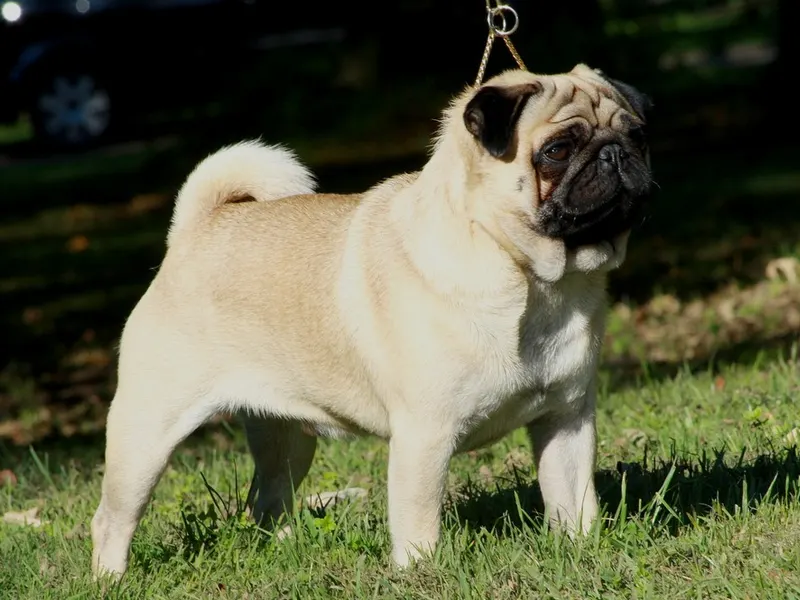
Pugs originated in China, where they were bred as companion dogs for the imperial court possibly as far back as the Han dynasty, and the breed's wrinkled face and curled tail were prized status symbols long before European traders encountered the dogs. Dutch East India Company merchants brought Pugs to Europe in the 16th century, and the breed's most famous piece of origin folklore involves a Pug named Pompey who reportedly alerted William the Silent, Prince of Orange, to a Spanish assassination attempt in 1572 — a story credited with making the Pug the official mascot of the House of Orange. Josephine Bonaparte's own Pug, Fortune, later became a minor historical figure in his own right, reportedly used to smuggle messages to Napoleon while Josephine was imprisoned. The AKC recognized the breed in 1885.
Common health predispositions
- Brachycephalic airway syndrome
- Hemivertebrae
- Pug dog encephalitis
Temperament
Bred purely for companionship rather than any working function, Pugs are affectionate, sociable, and generally easygoing — kids and other household pets both score among the best matches for this breed, one built almost entirely around getting along with everyone in the house. Training goes reasonably well given the breed's food motivation, though Pugs can be stubborn in short bursts and are easily distracted, so sessions that stay short and reward-heavy tend to work better than long structured drills. The breed's clownish, attention-loving personality is part of why it remains a consistently popular companion choice across generations, even as its physical structure has drawn increasing veterinary scrutiny.
Living with a Pug
Don't expect much stamina here — 30 minutes of gentle activity is close to the ceiling for most Pugs, and the breed's flattened face makes heat and strenuous exercise a genuine danger rather than a minor inconvenience; brachycephalic airway syndrome, caused by the same shortened skull that gives Pugs their signature look, can restrict breathing enough to cause real distress in hot weather or after exertion. Those distinctive facial wrinkles trap moisture and debris against the skin, so wiping them out and drying them thoroughly needs to become a real habit — it's easy to overlook since it doesn't feel like classic "grooming" the way brushing does, but skipping it invites infection. Hemivertebrae, a spinal malformation connected to the same corkscrew-tail genetics that give the breed its curled tail, and pug dog encephalitis, a rare but serious breed-specific inflammatory brain condition, are both documented health concerns worth knowing before buying a puppy. Despite the short coat, Pugs shed more than their size suggests, and prospective owners expecting a low-maintenance dog because of the sparse fur are often surprised by how much hair actually ends up on furniture. Because of the breed's well-documented brachycephalic health risks, several veterinary and animal-welfare organizations have gone as far as publicly urging prospective buyers to ask breeders pointed questions about airway and spinal health testing before putting down a deposit.
FAQ
Why do Pugs have breathing problems?
Brachycephalic airway syndrome is the culprit — the same flattened, shortened skull that gives Pugs their signature squashed face also narrows the airway behind it, and the result can be real breathing distress in heat or after exertion, which is why both need careful management.
How much exercise does a Pug need?
Not much by dog standards — about 30 minutes of gentle activity is typically the practical ceiling, both because of the breed's low natural energy and because its airway structure makes strenuous or prolonged exertion genuinely risky, especially in heat.
Do Pugs shed a lot?
Yes, more than the short coat suggests — Pugs are steady, moderate-to-heavy shedders year-round, and owners expecting a low-shedding dog because of the sparse-looking fur are often caught off guard by how much actually comes off onto furniture and clothing.
What is pug dog encephalitis?
A rare, serious, breed-specific inflammatory brain condition documented in Pugs, with no definitively known cause and a generally poor prognosis once symptoms appear. It's uncommon overall, but its concentration in this specific breed is well enough established that veterinary neurologists study it as a named condition.
Why do Pug's facial wrinkles need special care?
Left unwiped, the deep folds on a Pug's face hold onto dirt and moisture long enough for painful infections to take hold underneath — a quick wipe-and-dry routine on a regular basis is a small habit that heads off a genuinely common problem.
What does a Pug's curled tail signify?
It's a genuine breed standard trait, either a single or double curl set high over the hip, and it's related to the same genetics behind hemivertebrae, which is why breeders and vets keep an eye on tail structure as a general indicator of spinal health in the breed.
Do Pugs do well in hot climates?
Poorly, and it's a genuine safety issue, not just discomfort — the shortened airway that comes with brachycephalic anatomy makes heat regulation much harder for a Pug than for a longer-nosed breed, so summer walks need to happen in the cooler parts of the day.
How much does it typically cost to own a Pug?
Monthly costs run $80 to $140 for routine care, but that figure understates the picture for this breed — brachycephalic-related veterinary visits, from airway issues to skin-fold infections, tend to push lifetime costs above what the modest monthly baseline alone would suggest.
How long do Pugs typically live?
Around 13 to 15 years, a fairly long lifespan for a small breed, though the years tend to come with more veterinary attention than a longer-nosed breed of similar size would typically need.
Are Pugs good apartment dogs?
Yes, genuinely well-suited — their low exercise needs and small size fit compact living well, though the breed's tendency to snore and snort loudly is worth mentioning to anyone sharing thin apartment walls.
Is the Pug considered a good breed for children?
Generally yes — the breed's sociable, easygoing temperament makes it a popular family choice, and its sturdy-for-its-size build tolerates normal childhood affection better than some more delicate toy breeds.
Related on FetchBreed
Comparisons
Care equipment for a Pug
As an Amazon Associate we earn from qualifying purchases made through these links, at no extra cost to you.
- Skin-fold wipes
The page says the facial wrinkles trap moisture and debris against the skin, so wiping and drying them needs to become a real habit.
- Fitted dog harness
Brachycephalic airway syndrome is described here as restricting breathing enough to cause real distress, so a chest harness keeps the lead off the airway.
- De-shedding tool
This page warns that despite the short coat, Pugs shed more than their size suggests and owners expecting low maintenance are often surprised.
Whichever breed fits your life, consider adoption or breed-specific rescue first — many purebred and mixed-breed dogs and cats are already waiting for homes.
General breed information, not veterinary advice — consult a vet for your pet's specific health, diet, and behavior needs.