Herding Group
Bearded Collie
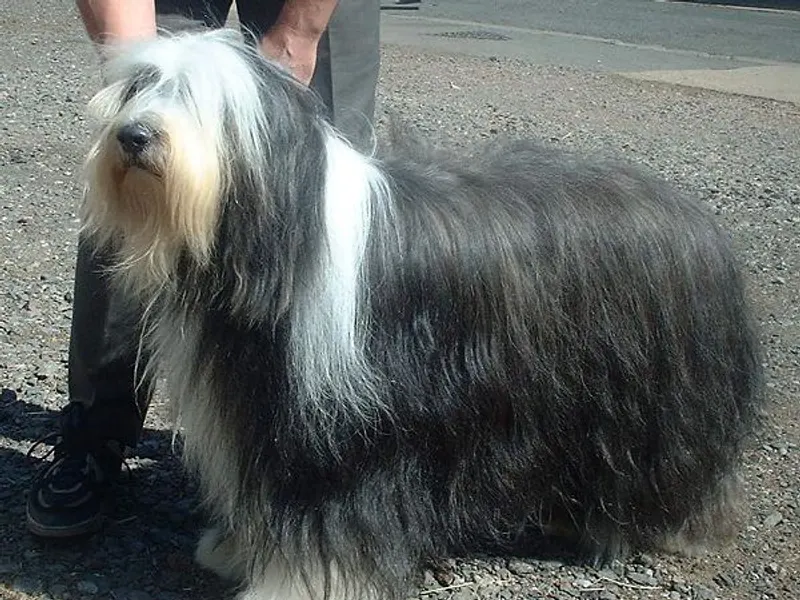
The Bearded Collie, often called the "Beardie" by fanciers, developed in Scotland to herd sheep and cattle across the country's rugged, often harsh terrain, and one long-debated theory of its origin holds that Polish traders brought Polish Lowland Sheepdogs to Scotland in the 16th century, where they crossed with local herding stock to help produce the modern breed — a theory breed historians treat as plausible but not definitively proven given the limited surviving documentation from that period. The breed nearly disappeared in the mid-20th century before a dedicated revival effort, credited largely to British breeder Mrs. G. Olive Willison starting in the 1940s, rebuilt a stable population from a small handful of surviving dogs. The AKC recognized the Bearded Collie comparatively recently, in 1976, reflecting how close the breed came to being lost before that mid-century recovery.
Common health predispositions
- Hip dysplasia
- Hypothyroidism
- Progressive retinal atrophy
Temperament
Fanciers love to call the Bearded Collie "clownish," and the description fits a dog with a maxed-out energy level and a genuinely bouncy, exuberant streak — kids and other pets both tend to enjoy that same enthusiasm right back. Herding intelligence carries the breed's trainability to a solidly good level, though centuries spent working semi-autonomously across difficult Scottish terrain left behind a real independent streak that shows up in training sessions now and then. Calling out to move livestock across open, hilly ground made vocal communication part of the job description, and that heritage is exactly why a modern Beardie still barks readily at anything novel or exciting.
Living with a Bearded Collie
Seventy-five minutes of vigorous daily exercise reflects the breed's genuinely high working drive, and a bored, under-exercised Beardie tends to become destructive or excessively vocal rather than settle quietly. Coat care demands nearly daily attention: left alone even briefly, the long, shaggy double coat mats, which is why many pet owners opt for a shorter, more manageable trim rather than chasing the breed's dramatic full-length show coat. Hip dysplasia, hypothyroidism, and progressive retinal atrophy are the conditions most frequently flagged in the breed. Because the Bearded Collie's herding instinct remains genuinely strong, the breed often does well in structured dog sports like herding trials, agility, and flyball, activities that give its energy and intelligence a legitimate, satisfying outlet beyond simple exercise. The breed's history of near-extinction in the mid-20th century means the modern gene pool, while now stable, traces back to a comparatively narrow founding population, something reputable breeders remain mindful of in their pairing decisions.
FAQ
Where does the Bearded Collie come from?
The breed developed in Scotland to herd sheep and cattle over rugged terrain, and one debated theory traces part of its ancestry to Polish Lowland Sheepdogs brought by 16th-century Polish traders, though breed historians consider this plausible rather than definitively proven given limited surviving records.
Is the Bearded Collie related to the Old English Sheepdog?
Not closely, despite the superficial resemblance of two shaggy, medium-to-large herding-type breeds — the two developed independently, with the Bearded Collie's ancestry more plausibly tracing to Central European herding stock crossed with local Scottish dogs, while the Old English Sheepdog's murkier origins generally trace to England's West Country rather than Scotland. The Bearded Collie also tends to run lighter-boned and more overtly energetic than the calmer, more solidly built Old English Sheepdog.
How much exercise does a Bearded Collie need?
Roughly 75 minutes of real activity most days is the going rate for this breed's high working drive, and an under-exercised Beardie channels that leftover energy into destructive chewing or nonstop barking rather than quietly settling.
How much grooming does a Bearded Collie need?
A serious, near-daily commitment — the long, shaggy double coat tangles fast without it, and a shorter, low-maintenance trim is the practical choice most pet owners make over chasing the breed's dramatic full-length show coat.
Are Bearded Collies good family dogs?
Usually, yes — that bouncy, clownish energy tends to be a hit with kids and other pets alike, though the payoff only holds up if a household is actually prepared to meet the breed's real exercise and grooming demands.
How long do Bearded Collies live?
Typically 12 to 14 years, a reasonable lifespan for a medium-to-large breed, particularly when hip and thyroid health are actively monitored given the conditions documented in the breed.
Is a Bearded Collie good for a first-time owner?
Between the demanding coat care and the genuine herding intelligence that needs real mental outlets, this breed asks more of a novice than many other first dogs would, even with its friendly temperament working in its favor.
Do Bearded Collies do well in apartments?
Rarely a good fit — the breed's high energy level and need for real daily activity are difficult to satisfy in a small space without consistent, dedicated outdoor exercise time.
How big does a Bearded Collie get?
Adults weigh in around 45 to 55 pounds standing 20 to 22 inches tall, agile enough for demanding Scottish terrain yet sturdy enough to hold its own working around cattle.
Are Bearded Collies good watchdogs?
Reasonably alert, though not especially protective — the breed will bark at unfamiliar visitors, but its friendly, exuberant temperament means it's better suited to a greeting party than to any serious guarding role.
Do Bearded Collies shed a lot?
Moderately — the long, shaggy double coat does shed, though the bigger daily challenge is preventing mats rather than managing loose hair, since regular brushing tends to catch most of what comes loose.
Do Bearded Collies get along with cats?
Generally yes, especially with early exposure — the breed's friendly, sociable temperament extends well to cats and other pets, making it one of the more adaptable herding breeds in a mixed-species household.
Related on FetchBreed
Whichever breed fits your life, consider adoption or breed-specific rescue first — many purebred and mixed-breed dogs and cats are already waiting for homes.
General breed information, not veterinary advice — consult a vet for your pet's specific health, diet, and behavior needs.