Non-Sporting Group
Miniature Poodle
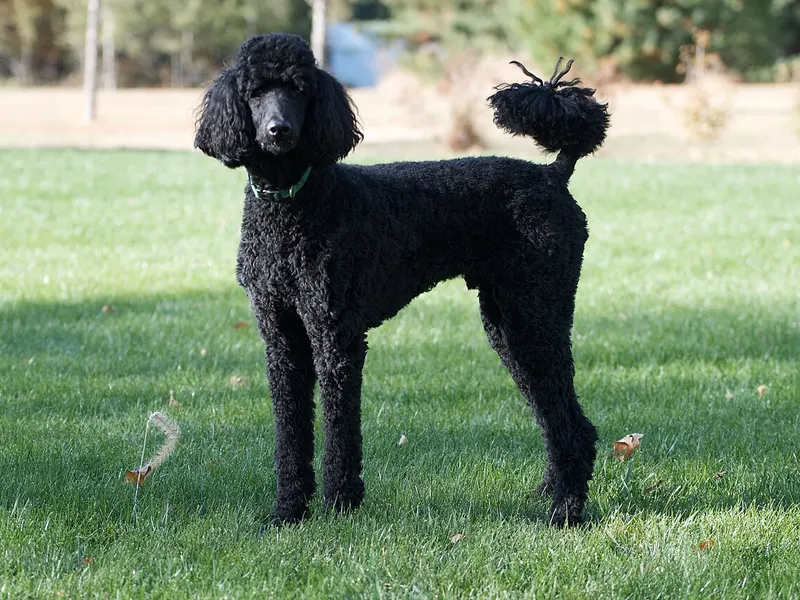
Sitting between the Toy and Standard varieties, the Miniature Poodle carries the same water-retriever ancestry and French national-dog association as the rest of the breed, but historically found a distinct working niche of its own in France: the breed's compact size and famously keen nose made it a genuinely useful truffle-hunting dog, small enough to move through underbrush that a full-sized Standard Poodle would struggle with. Miniature Poodles were also popular performing and circus dogs for generations, a role that leaned directly on the breed's exceptional trainability rather than the more decorative reputation Poodles sometimes carry today. All three Poodle sizes fall under a single AKC breed standard, differing officially only in height rather than being separately recognized breeds.
Common health predispositions
- Patellar luxation
- Progressive retinal atrophy
- Addison's disease
Temperament
Miniature Poodles carry the breed's signature high trainability at a size that makes them genuinely practical working and performance dogs, historically valued as much for real usefulness — truffle detection, circus performance — as for companionship. GoodWithKids and goodWithOtherPets both run solidly good, a step up in the kids category from the smaller Toy variety simply because the Miniature's slightly larger, sturdier build holds up better to typical family household activity. The breed's intelligence cuts both ways: an understimulated Miniature Poodle can become a persistent barker or develop anxious habits, but a Miniature Poodle with real mental engagement is one of the more consistently well-adjusted toy-to-small breeds in this database.
Living with a Miniature Poodle
Forty-five minutes of daily activity, including real mental stimulation, suits this breed well — Miniature Poodles were bred for genuine working tasks, not just decoration, and they do best with a job or structured activity to focus on. Left alone, that dense, curly coat just keeps lengthening and tangling closer to the skin rather than blowing out seasonally, so a six-week groomer rotation plus brushing in between is realistically non-negotiable. The upside of a coat that barely sheds is real for allergy sufferers, though 'barely sheds' is a long way from 'allergen-free,' and time with the individual dog is still the best test before committing. Addison's disease, a hormonal disorder affecting the adrenal glands, shows up in Poodles generally at a notably elevated rate, and it joins patellar luxation and progressive retinal atrophy on the short list of conditions worth screening for in this variety specifically. Because of the Miniature Poodle's genuine working history and high trainability, the variety remains a strong, popular competitor across AKC obedience, agility, and rally sports, arguably punching above its size relative to sporting and herding breeds built specifically for athletic competition.
FAQ
What were Miniature Poodles originally bred for?
Beyond the general Poodle heritage as a water retriever, the Miniature variety found a distinct historical niche in France as a truffle-hunting dog, valued for its keen nose and compact size that let it move through underbrush more easily than a full-sized Standard Poodle.
Is a Miniature Poodle the same breed as a Toy or Standard Poodle?
Yes — the AKC treats Toy, Miniature, and Standard as size varieties within a single Poodle breed standard rather than three separate breeds, and they differ officially only by height.
What is Addison's disease in Poodles?
A hormonal disorder in which the adrenal glands don't produce enough of certain essential hormones, documented at a notably elevated rate across Poodle varieties generally, including the Miniature. It's manageable with lifelong medication once diagnosed, but it's a real breed-specific concern worth discussing with a vet or breeder.
How much grooming does a Miniature Poodle need?
A substantial, ongoing commitment — the dense, curly coat grows continuously rather than shedding out seasonally, and most owners schedule professional grooming appointments roughly every six weeks alongside regular brushing at home.
Are Miniature Poodles good at dog sports?
Very much so — the breed's genuine working history and high trainability make it a strong, popular competitor in AKC obedience, agility, and rally, often performing well above what its small-to-medium size might suggest against breeds built specifically for athletic competition.
Are Miniature Poodles good with children?
A sturdier build than the Toy variety, paired with a sociable, trainable temperament, makes this a genuinely solid family option for households wanting a smaller dog that still holds up to normal family activity.
How big does a Miniature Poodle get?
Typically 10 to 15 pounds and 10 to 15 inches at the shoulder, sitting squarely between the Toy and Standard varieties — the middle ground that made it historically practical both for truffle work and for performing in circus acts.
Do Miniature Poodles shed?
Very little — the same dense, curly, continuously growing coat that demands regular grooming also happens to release very little loose hair into the environment, which is the real, practical basis for the breed's low-shedding reputation.
How long do Miniature Poodles live?
Expect somewhere around 12 to 15 years for this small-to-medium breed, longer still for dogs whose lines are actively screened for Addison's disease and progressive retinal atrophy rather than left untested.
Is a Miniature Poodle a good apartment dog?
Moderate exercise needs and a manageable size make compact living genuinely workable, though the coat's grooming schedule stays just as demanding no matter how big or small the home is.
Do Miniature Poodles bark a lot?
Unfamiliar sounds get noticed and announced, but real mental stimulation plus consistent training tends to keep this breed's barking in check better than it does with some other small, high-strung dogs.
Is the Miniature Poodle good with cats?
Early introductions tend to go smoothly with this naturally sociable, adaptable breed, and it ranks among the more cat-compatible small dogs covered in this database as a result.
Related on FetchBreed
Whichever breed fits your life, consider adoption or breed-specific rescue first — many purebred and mixed-breed dogs and cats are already waiting for homes.
General breed information, not veterinary advice — consult a vet for your pet's specific health, diet, and behavior needs.