Working Group
Boerboel
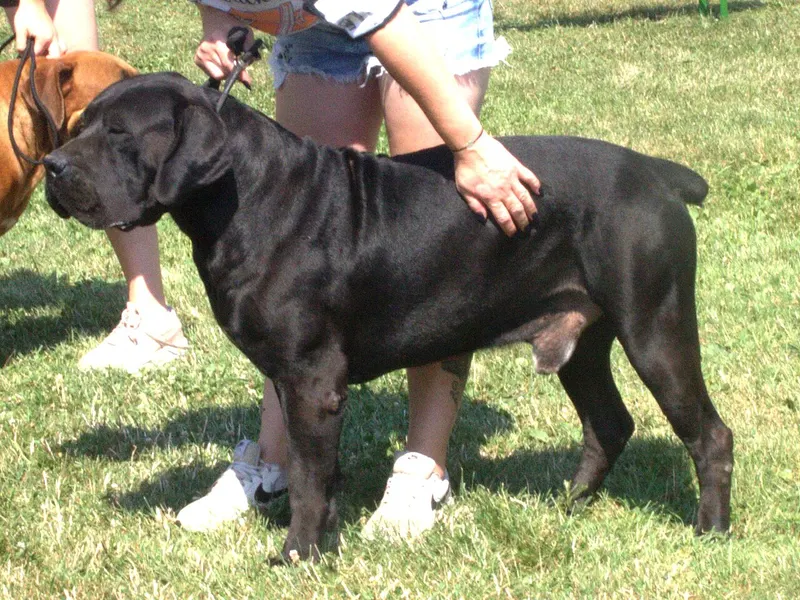
South African farmers developed the Boerboel over generations from a mix of European mastiff-type breeds brought by Dutch, French, and German settlers, crossed with local African dogs, aiming for a versatile farm guardian capable of protecting livestock and property from serious predators including leopards. The breed's name comes from the Afrikaans words for farmer's dog, and unlike many guardian breeds refined mainly for the show ring, Boerboels were selected almost entirely for working ability well into the late 20th century, with formal breed standards and kennel club recognition arriving relatively recently by comparison to older European mastiff breeds. The breed's name and identity solidified mainly in the 20th century even though farm-guardian mastiff-type dogs had existed in South Africa since Dutch settlement in the 1650s, and it wasn't until the South African Boerboel Breeders' Association formed in 1990 that a unified, documented breed standard emerged from what had previously been a loosely defined regional farm-dog type. International interest grew substantially in the 2000s as South African breeders began exporting to the US and Europe.
Common health predispositions
- Hip/elbow dysplasia
- Bloat
- Degenerative myelopathy
Temperament
Confident and naturally protective describes the Boerboel's core temperament, a dog bred to make independent decisions about threats on an isolated farm rather than defer constantly to a handler. With its own family, most well-raised Boerboels are notably gentle and patient, a trait that surprises people expecting a dog this size and this protective to be aggressive by default. That gentleness doesn't extend automatically to unfamiliar people or dogs, though, and the breed's size alone — some individuals reaching 200 pounds — makes early training and socialization a genuine safety requirement, not just good practice. The breed's farm-guardian background means Boerboels historically had to make independent judgment calls about genuine threats versus routine farm activity without constant human direction, and that same discernment shows up in well-socialized modern dogs as a calm baseline temperament that only escalates when the dog perceives something genuinely out of the ordinary.
Living with a Boerboel
About 60 minutes of daily exercise, ideally paired with training and mental engagement, suits this large, capable breed, though Boerboels aren't as high-drive as some working guardians and don't need marathon activity levels. Coat care is minimal — short and smooth, needing just occasional brushing — but the practical realities of owning a dog this size run much deeper than grooming: housing, insurance, and local breed-specific legislation frequently target large guardian breeds like the Boerboel, and confirming a given rental or policy's stance before committing to a puppy avoids a painful situation later. Bloat, hip and elbow dysplasia, and degenerative myelopathy show up often enough in the breed's veterinary literature that asking a breeder directly about their health-testing protocols is worth doing. This breed suits an experienced large-dog owner with secure fencing, room for the dog to move, and genuine time for training — it's a poor match for a small living space or an owner without prior experience handling a large, protective breed. Boerboel-specific rescue exists in a limited but growing form as the breed's international population increases, and adopters should expect careful screening given the breed's size and guarding instincts.
FAQ
How big do Boerboels get?
Males commonly reach 150-200 pounds, making this one of the larger guardian breeds available, and that size alone is worth factoring into decisions about housing, handling strength, and veterinary costs before committing.
Are Boerboels good with children?
Many well-socialized Boerboels are notably gentle and patient with their own family's children, a trait consistent with the breed's farm-guardian role, though a dog this large and strong still calls for adult supervision during play.
Do Boerboels need a lot of training?
Yes — early, consistent socialization and obedience training are genuinely necessary given the breed's size and natural protectiveness, not optional extras for a casual owner.
How long have Boerboel-type dogs existed in South Africa?
Farm-guardian mastiff-type dogs have existed in the region since Dutch settlers arrived in the 1650s, though the breed as a formally documented, standardized type only solidified with the founding of the South African Boerboel Breeders' Association in 1990.
Is the Boerboel a good breed for a first-time large-dog owner?
Generally not recommended — the combination of serious size, strength, and natural protective instincts calls for handling experience most first-time large-dog owners don't yet have, and inconsistent training can produce real safety concerns.
Are Boerboels aggressive by nature?
Not inherently — the breed was selected for calm discernment and protective judgment rather than indiscriminate aggression, though its size and natural guarding instincts mean poor socialization or inconsistent training can produce a genuinely difficult, overly suspicious adult dog.
Related on FetchBreed
Whichever breed fits your life, consider adoption or breed-specific rescue first — many purebred and mixed-breed dogs and cats are already waiting for homes.
General breed information, not veterinary advice — consult a vet for your pet's specific health, diet, and behavior needs.