Foundation Stock Group
Swedish Lapphund
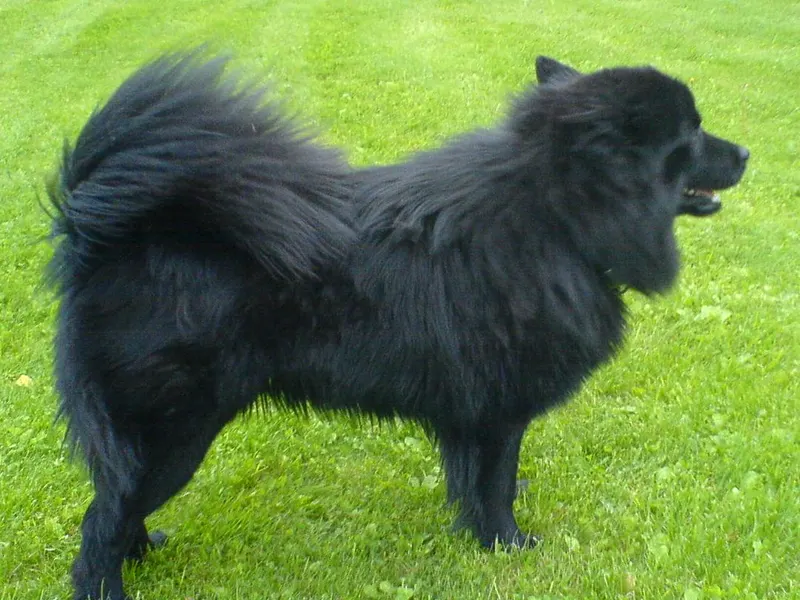
The Sámi people of Sweden's Lapland region kept and worked dogs matching this breed's description for centuries as an all-purpose camp companion, herding reindeer while also serving as watchdog and general household helper across a genuinely demanding Arctic lifestyle, and some breed historians trace its type back well over 7,000 years based on archaeological evidence from the region, a pedigree that puts the Swedish Lapphund among the handful of dog types genuinely old enough to predate most recorded history. As Sámi reindeer husbandry modernized substantially through the 20th century, the breed's traditional working role declined, and the Swedish Lapphund came close enough to disappearing that Swedish breed clubs launched deliberate mid-20th-century preservation efforts specifically to rebuild the population from a genuinely small surviving base. Sweden today recognizes the Swedish Lapphund as an official national breed, a formal heritage designation reflecting its deep historical ties to Sámi culture and the broader Scandinavian Arctic. The breed remains genuinely uncommon outside Scandinavia, and its US presence stays limited enough that it's known mainly to dedicated Nordic-breed enthusiasts.
Common health predispositions
- Hip dysplasia
- Progressive retinal atrophy
- Generally hardy breed
Temperament
Alert, affectionate, and genuinely versatile, the Swedish Lapphund carries a temperament shaped by its all-purpose Sámi camp-dog history — real herding instinct, natural watchfulness, and genuine devotion to its own family all coexist in the same dog, a legacy of centuries spent handling several different roles at once. Families generally find the breed excellent with children and other pets, and its naturally biddable, people-oriented disposition makes it a genuinely responsive training subject. That same watchful instinct means the Swedish Lapphund tends to alert vocally to anything unfamiliar, a trait direct from its historical role as an early-warning presence around Sámi camps. Swedish breed clubs continue treating the Lapphund's national-breed status seriously, running preservation-focused breeding programs specifically aimed at maintaining genetic diversity within a population that came close to disappearing in the 20th century.
Living with a Swedish Lapphund
A genuine hour of daily activity keeps this ancient Arctic breed content, and it does well with both structured tasks and simple companionship given its historically all-purpose role. The dense, weather-resistant black double coat sheds substantially and needs regular, thorough brushing to manage properly. A breeder should be ready to discuss hip dysplasia and progressive retinal atrophy directly, though outside that pair the Swedish Lapphund is generally a hardy Nordic breed. Real versatility and genuine affection for family suit an active household with children particularly well, provided there's willingness to keep up with the substantial coat-care demands and a naturally vocal watchdog temperament. The population never fully bounced back from how close it came to vanishing mid-century, so domestic litters stay genuinely scarce, and a Scandinavian import contact often ends up being part of the search. Expect an otherwise ordinary medium-dog budget, nudged up somewhat by the deshedding tools and brushes this coat genuinely calls for.
FAQ
Is the Swedish Lapphund one of the oldest dog breeds?
Widely considered so, yes — some breed historians trace the Lapphund's type back well over 7,000 years based on archaeological evidence from Sweden's Lapland region, where the Sámi people kept and worked dogs matching its description for a genuinely long time.
Did the Swedish Lapphund almost disappear?
Yes — as Sámi reindeer husbandry modernized substantially through the 20th century and the breed's traditional working role declined, it came close enough to disappearing that Swedish breed clubs launched deliberate mid-20th-century preservation efforts to rebuild the population.
Is the Swedish Lapphund Sweden's national dog breed?
Sweden formally recognizes it as an official national breed, a heritage designation reflecting its deep historical ties to Sámi culture and the broader Scandinavian Arctic region where it originated many centuries ago.
Is a Swedish Lapphund good with children?
For the most part, yes — a naturally biddable, people-oriented disposition inherited from its all-purpose Sámi camp-dog history makes for a family companion that most owners find responsive and easygoing around kids and other pets.
How much grooming does a Swedish Lapphund need?
Plan on frequent sessions — the black double coat carries a heavy undercoat that lets go substantially at each seasonal shift, and staying ahead of it takes real, consistent effort rather than occasional attention.
How big does a Swedish Lapphund get?
A compact, agile dog, typically 30 to 44 pounds and 16 to 20 inches tall, small enough to move quickly around a reindeer herd yet sturdy enough to handle genuinely brutal Arctic winters without the bulk larger Nordic breeds carry.
Does a Swedish Lapphund only come in black?
No, though black is by far the most common and historically documented color — brown and occasionally lighter shades do appear and remain within the breed standard, but Swedish breed clubs have generally prioritized working type and coat density over expanding color variety.
Related on FetchBreed
Whichever breed fits your life, consider adoption or breed-specific rescue first — many purebred and mixed-breed dogs and cats are already waiting for homes.
General breed information, not veterinary advice — consult a vet for your pet's specific health, diet, and behavior needs.