Herding Group
Catalan Sheepdog
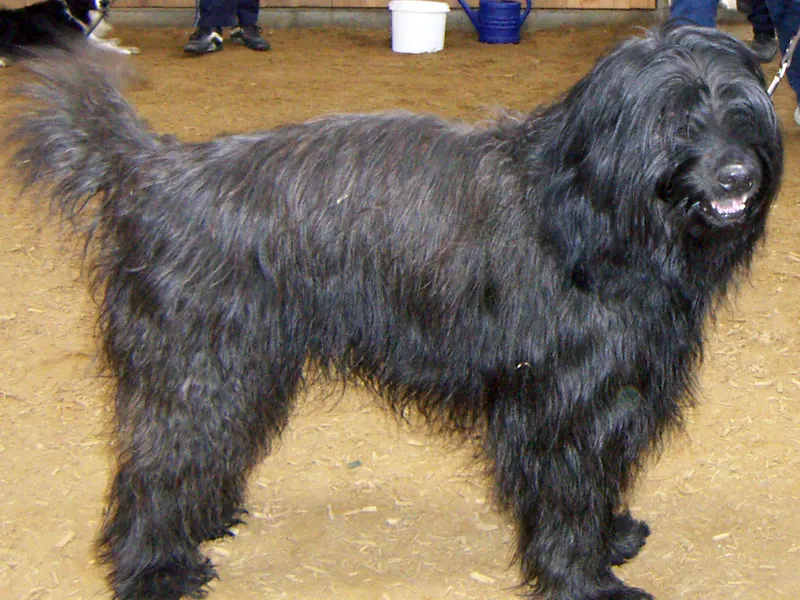
Shepherds in Spain's Catalonia region developed this breed over centuries for herding sheep and cattle across genuinely varied Pyrenean and Catalan terrain, and the breed, known locally as the Gos d'Atura Català, carries real documented history stretching back several centuries, with the modern standardized version emerging through formal 20th-century breed-club efforts to codify a type that had existed informally on Catalan farms for far longer. Spanish Civil War-era disruption in the 1930s took a genuine toll on the breed's population alongside much of Spain's traditional rural dog-breeding infrastructure, and Catalan breeders spent much of the mid-20th century afterward nursing the numbers back up and pinning down what the modern standard should actually say. Catalonia recognizes the Catalan Sheepdog as a genuine regional heritage breed today, distinct in identity from Spain's other notable herding breeds, and the breed carries real cultural significance specifically tied to Catalan regional identity within Spain. The Catalan Sheepdog remains genuinely uncommon outside Spain — American awareness of it is mostly confined to a small circle of people already following European herding breeds generally.
Common health predispositions
- Hip dysplasia (uncommon)
- Generally hardy working breed
Temperament
Alert, genuinely intelligent, and notably energetic, the Catalan Sheepdog carries real herding drive shaped by centuries of working varied and often demanding Pyrenean terrain, and that background leaves it constantly ready to engage — with tasks, with movement, with its own family, whatever's in front of it. Around children, that same protective streak shows up in a generally well-controlled, genuinely affectionate way rather than as anything overbearing. Real trainability comes standard too, and Catalan breed enthusiasts consistently describe the breed as quick to learn and genuinely eager to work, traits that make it a strong performer in herding, agility, and obedience settings alike. Catalan and broader Spanish breed clubs continue actively working the breed in genuine herding trials, treating that ongoing use as central to preserving its authentic regional working character.
Living with a Catalan Sheepdog
Between the herding drive and the sheer energy, this breed needs a real 75 minutes daily, and it's genuinely happier when some of that time is structured mental work rather than plain walking. Shedding runs moderate on the long, flat or slightly wavy coat, and a steady, unhurried brushing habit is what actually keeps it in order. Hip dysplasia is uncommon enough in this breed not to dominate the health conversation, and the Catalan Sheepdog is otherwise widely considered a genuinely hardy working breed overall. Real energy and genuine trainability make this an excellent fit for an active household wanting an engaged working companion, provided there's a legitimate outlet for the breed's real drive. Spanish import contacts often turn out to be necessary, given how few dedicated breeders operate in the US. Regular grooming is really the standout line item; otherwise this is an unremarkable medium-dog budget for food and routine vet care.
FAQ
What is the Gos d'Atura Català?
The Catalan name for the Catalan Sheepdog, a herding breed developed over centuries by shepherds in Spain's Catalonia region and carrying real cultural significance specifically tied to Catalan regional identity within Spain.
Is the Catalan Sheepdog related to the Pyrenean Shepherd?
Both developed in the broader Pyrenean mountain region and share a generally similar herding function, but they're considered genetically and historically distinct breeds — the Pyrenean Shepherd is typically smaller and more finely built, associated more with the French side of the range, while the Catalan Sheepdog developed specifically within Catalan farming communities on the Spanish side. Some regional overlap in working style, and even occasional historical crossbreeding, likely occurred given the shared mountain terrain, but modern breed standards keep the two clearly separate.
Is the Catalan Sheepdog good with kids?
Yes, typically — its protective instincts stay well-controlled around children it knows, an outcome of centuries spent as both herder and guardian for Catalan shepherding families rather than a pure companion-breed temperament.
Is a Catalan Sheepdog easy to train?
Very much so — real trainability comes standard, and Catalan breed enthusiasts consistently describe the breed as quick to learn and genuinely eager to work, making it a strong performer in herding, agility, and obedience alike.
Is the Catalan Sheepdog common outside Spain?
No — it stays genuinely uncommon beyond its home country, and the handful of American owners who do seek one out tend to already be immersed in the wider European herding-breed world rather than finding it by chance.
How big does a Catalan Sheepdog get?
A medium-sized herder, typically 33 to 55 pounds and 17.5 to 21.5 inches at the shoulder, with a shaggy, weatherproof coat that can appear in solid fawn, sable, gray, or black, a coloring range broader than several other single-color-standardized European herding breeds.
Is the Catalan Sheepdog related to the Bergamasco or Pyrenean Shepherd?
Only distantly, through the broader family of European mountain and herding breeds shaped by similar geography — the Catalan Sheepdog developed independently in Spain's Catalonia region, with a coat and working style genuinely distinct from Italy's flock-forming Bergamasco or the much smaller, wirier Pyrenean Shepherd from the French side of the mountains.
Related on FetchBreed
Whichever breed fits your life, consider adoption or breed-specific rescue first — many purebred and mixed-breed dogs and cats are already waiting for homes.
General breed information, not veterinary advice — consult a vet for your pet's specific health, diet, and behavior needs.