Toy Group
Shih Tzu
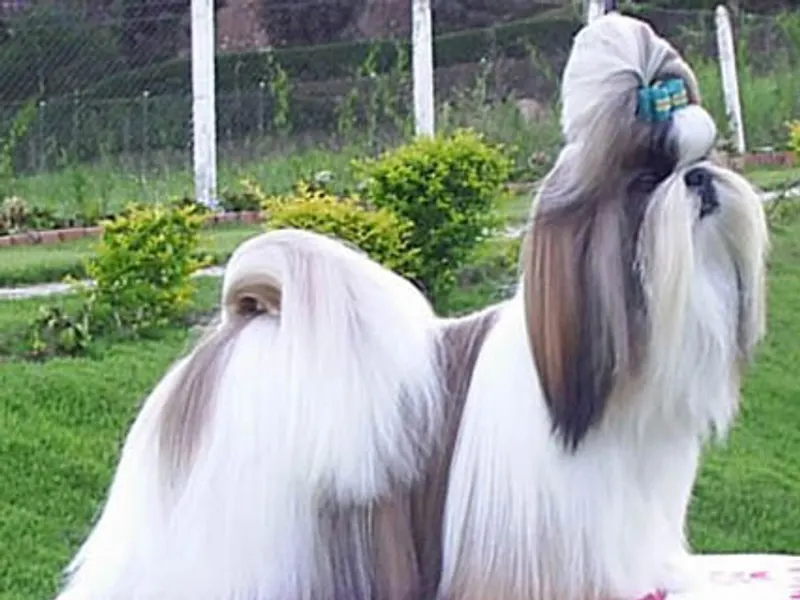
Tibetan Buddhist monks are traditionally credited with breeding small, lion-like dogs that were presented as gifts to Chinese emperors, and the breed was refined within the Forbidden City during the Ming and Qing dynasties, likely combining Pekingese and Lhasa Apso ancestry. The name means 'lion dog' in Mandarin, a reference to Buddhist lion iconography the dogs were meant to evoke. The breed nearly disappeared amid China's political upheavals of the 20th century and was rebuilt largely from a small number of dogs that reached England in the 1930s, making the modern Shih Tzu population's genetic base narrower than its ancient pedigree might suggest. The AKC recognized the breed in 1969, comparatively recent given its centuries-long history in China, a delay explained largely by the breed's near-disappearance during China's mid-20th-century political upheavals and the small founder population Western breeders worked from afterward.
Common health predispositions
- Brachycephalic airway issues
- Hip dysplasia
- Eye injuries
Temperament
Bred across its entire history purely as an imperial companion rather than for any working task, the Shih Tzu's temperament reflects that singular purpose: calm, affectionate, and content to be near people rather than independently active. Energy level is low and the breed does fine with modest daily activity, though housetraining can test an owner's patience since trainability, while decent, isn't the breed's strongest suit. Shih Tzus generally do well with both children and other pets, making them a common choice for multi-pet, multi-generation households. Housetraining tends to take longer with this breed than with many others, and crate training combined with a consistent schedule is the approach most breed-experienced trainers recommend, since Shih Tzus respond better to routine and patience than to correction-based methods.
Living with a Shih Tzu
Grooming is the defining daily commitment with this breed — the long, dense double coat mats quickly without brushing every day or two if kept at full length, which is why most pet owners choose a shorter 'puppy clip' that's far more manageable, while show-length coats require near-daily attention. Shedding itself is minimal. The flat face brings real, documented heat sensitivity and lower exercise tolerance despite the breed's low overall energy need, and its round, forward-set eyes sit in a shallow socket that leaves them genuinely vulnerable to scratches from brush, furniture edges, or rough play. Hip dysplasia is also documented despite the breed's small size. Because the breed's genetic base was rebuilt from a small founder population after near-extinction in China, reputable breeders pay particular attention to genetic diversity and health testing to avoid compounding inherited conditions — a detail worth asking about given the breed's documented population bottleneck. Shih Tzus also tend to be sensitive to anesthesia due to their flat-faced anatomy, which is worth flagging to any vet performing a procedure. Because the breed's flat face limits heat tolerance despite its low overall energy need, indoor air conditioning during hot months is a genuinely important welfare consideration, not a luxury.
FAQ
How often does a Shih Tzu need grooming?
If kept in a full, long coat, daily or near-daily brushing is needed to prevent matting; most pet owners instead choose a shorter 'puppy cut,' trimmed every 6-8 weeks, which cuts the at-home grooming burden substantially.
Why are Shih Tzu eyes prone to injury?
The breed's large, slightly bulging eyes are a direct consequence of its flat-faced skull shape, and that shallow eye socket leaves far less natural protection than a longer-muzzled dog has, so scratches from brush, toys, or rough play show up more often and heal into ulcers faster if left untreated.
Do Shih Tzus need much exercise?
No — modest daily activity, like a couple of short walks and some indoor play, is typically enough, and the breed's flat face means it tires faster in heat than its calm energy level alone would suggest.
Is anesthesia riskier for Shih Tzus than other dogs?
Generally yes, somewhat — brachycephalic breeds including the Shih Tzu carry elevated anesthesia risk due to their airway anatomy, and experienced vets typically adjust monitoring and protocols accordingly; it's worth confirming a vet has brachycephalic-specific experience before any planned surgery.
Does 'Shih Tzu' really mean 'lion dog' in Chinese?
Yes, roughly — the name derives from the Chinese word for lion, reflecting the breed's supposed resemblance to lions depicted in Chinese art and Buddhist iconography, and the breed was bred almost exclusively within Chinese imperial palaces for centuries, kept largely as a treasured companion to royalty rather than for any working or hunting role.
Related on FetchBreed
Comparisons
Care equipment for a Shih Tzu
As an Amazon Associate we earn from qualifying purchases made through these links, at no extra cost to you.
- Steel grooming comb
The long dense double coat mats quickly without brushing every day or two if kept at full length.
- Rounded-tip grooming scissors
This page warns the round, forward-set eyes sit in a shallow socket that leaves them vulnerable to scratches from a brush or a furniture edge — blunt-tip scissors are the safe tool near that face.
Whichever breed fits your life, consider adoption or breed-specific rescue first — many purebred and mixed-breed dogs and cats are already waiting for homes.
General breed information, not veterinary advice — consult a vet for your pet's specific health, diet, and behavior needs.