Sporting Group
Cocker Spaniel
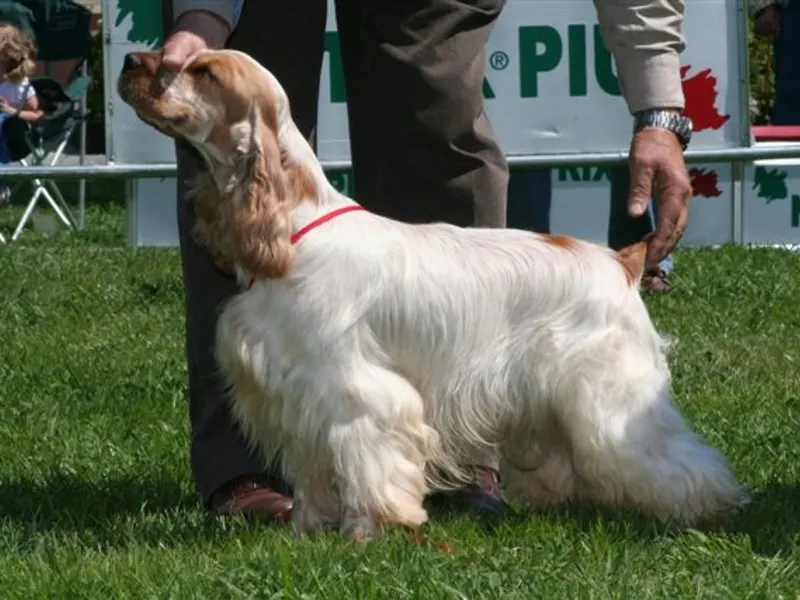
"Cocker" is a job description before it was ever a breed name: English hunters used small spaniels specifically to flush woodcock from dense cover, and the American Cocker Spaniel is what that working type became after decades of separate breeding on this side of the Atlantic gradually diverged it from its English cousin. The two were shown as a single breed in the U.S. well into the 20th century before the AKC formally split them into the American Cocker Spaniel and English Cocker Spaniel in 1946, a split driven by American breeders' preference for a smaller, more heavily coated dog than the working English type. Walt Disney's 1955 film Lady and the Tramp cemented the breed's image in American pop culture at almost exactly the moment it was also the single most-registered AKC breed in the country, a title it held for roughly two decades running through the 1940s and '50s.
Common health predispositions
- Ear infections
- Progressive retinal atrophy
- Hip dysplasia
Temperament
That mid-century popularity boom is a double-edged part of the breed's story: demand outpaced the supply of careful breeders, and some lines from that era carried both temperament instability and inherited eye disease forward into later generations, problems reputable modern Cocker breeders have spent decades working to breed back out. A well-bred Cocker today is gentle, eager to please, and genuinely one of the more kid-friendly spaniels, with a soft, sensitive temperament that responds far better to encouragement than correction. The breed can lean toward submissive urination or timidity if handled harshly, a trait direct enough that most trainers flag it early with new Cocker owners. Cockers also retain real bird-flushing instinct, which shows up in pet dogs mostly as enthusiastic nose-to-ground exploring rather than anything difficult to manage day to day.
Living with a Cocker Spaniel
Forty-five minutes of daily activity is enough to keep most Cockers content, a modest number for a Sporting-group breed and one reason it adapts well to smaller households. The coat is where the real commitment lives: the long, silky, heavily feathered fur mats quickly without regular brushing and needs a professional trim roughly every six weeks to stay manageable, putting grooming cost and time well above what the breed's compact size might suggest. Ear infections are the single most common health complaint in the breed, a direct consequence of the long, low, hair-covered ears trapping moisture, and regular cleaning is closer to routine maintenance than an occasional chore. Progressive retinal atrophy and other inherited eye conditions are documented at elevated rates traceable to the breed's mid-century overbreeding boom, which is why an eye exam from a board-certified veterinary ophthalmologist is standard advice before buying a puppy, alongside a hip evaluation. Cockers come in a wide range of solid and parti-colors, all cosmetic and unrelated to temperament, and the breed remains a strong contender in AKC conformation and obedience rings well over half a century after its registration peak.
FAQ
Why do Cocker Spaniels get so many ear infections?
The breed's long, heavily furred, low-hanging ears trap moisture and limit airflow into the ear canal, creating conditions where bacteria and yeast thrive; regular cleaning and drying after baths or swimming is considered routine care rather than optional.
Is the American Cocker Spaniel the same breed as the English Cocker Spaniel?
They share ancestry but have been bred as separate AKC breeds since 1946 — American lines are generally smaller with a more profuse coat, while English Cocker Spaniels retain a build closer to the original working spaniel type.
How much grooming does a Cocker Spaniel actually need?
More than its size suggests — the long, silky, feathered coat mats without frequent brushing at home and typically needs professional trimming around every six weeks, making this one of the higher-grooming-cost small breeds.
Are Cocker Spaniels good with children?
A gentle, people-pleasing nature is exactly why this breed shows up so often on family-dog shortlists, though its real sensitivity means encouragement-based training works far better here than any harsh correction would.
What health testing matters most for a Cocker Spaniel puppy?
An eye exam from a veterinary ophthalmologist and a hip evaluation are the two most commonly recommended screens, given documented elevated rates of progressive retinal atrophy and hip dysplasia traceable partly to the breed's mid-20th-century popularity boom.
Do Cocker Spaniels do well with a cat in the house?
Usually, yes — the breed's bird-flushing instinct is real but comparatively mild next to true prey-driven sporting breeds, and most Cocker Spaniels raised with a cat from puppyhood settle into peaceful coexistence without much intervention.
How long do Cocker Spaniels typically live?
Twelve to 15 years is typical, and staying on top of ear infections, weight, and eye health rather than letting any of the three slide makes a real difference in how comfortably the breed reaches the higher end of that range.
What is 'Cocker rage syndrome'?
A rare, controversial, and poorly understood episodic aggression pattern reported anecdotally in some Cocker Spaniel lines going back decades; it's never been definitively linked to a specific cause, and most veterinary behaviorists now consider it a historical footnote rather than an active breed-wide concern.
How big does a Cocker Spaniel get?
Small-to-medium, typically 20 to 30 pounds and 14.5 to 15.5 inches at the shoulder, the smallest of the AKC Sporting group breeds and a size that made it a genuinely practical woodcock-hunting companion in dense cover.
Is the Cocker Spaniel a good breed for first-time owners?
Often yes — the breed's gentle, biddable temperament and moderate exercise needs make it approachable for newcomers, provided they're prepared for the real ongoing grooming and ear-care commitment the breed carries.
What is the Cocker Spaniel's typical coat texture?
Long, silky, and flat rather than curly, with feathering concentrated on the ears, chest, legs, and belly — a texture distinct from the curlier coats of Poodle-type breeds and part of why it mats so readily without regular care.
Related on FetchBreed
Care equipment for a Cocker Spaniel
As an Amazon Associate we earn from qualifying purchases made through these links, at no extra cost to you.
- Slicker brush
The heavily feathered coat mats quickly without regular brushing between six-week trims.
- Dog ear cleaner
Ear infections are the single most common health complaint in the breed here, and the page calls cleaning closer to routine maintenance than an occasional chore.
Whichever breed fits your life, consider adoption or breed-specific rescue first — many purebred and mixed-breed dogs and cats are already waiting for homes.
General breed information, not veterinary advice — consult a vet for your pet's specific health, diet, and behavior needs.