Herding Group
Border Collie
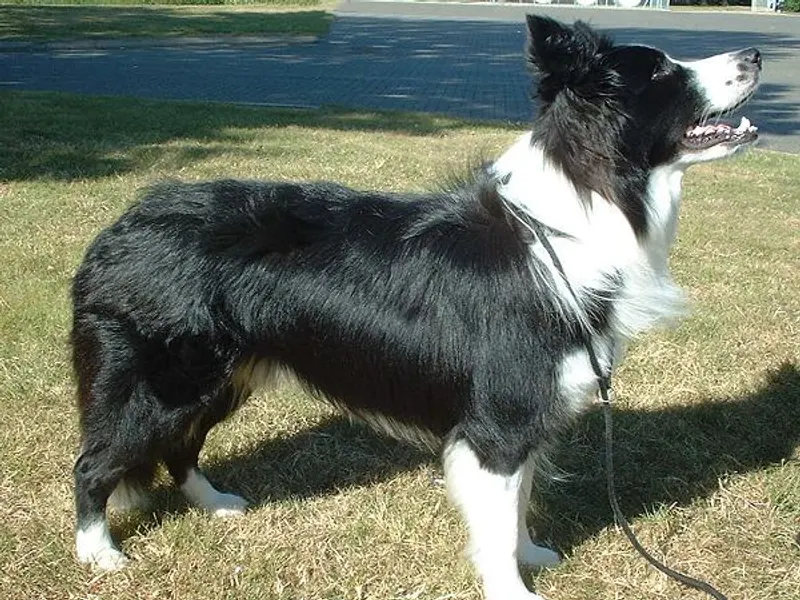
The Border Collie developed along the England-Scotland border region purely for sheep-herding ability, with working trials rather than dog shows shaping the breed for most of its history — the name pairs the region with 'collie,' an old Scottish word for sheepdog. The breed's working-dog community resisted AKC conformation recognition for decades out of concern that show breeding would erode herding instinct in favor of appearance, and the AKC didn't grant the breed full recognition until 1995, later than almost any other well-known breed of comparable age and popularity. The International Sheep Dog Society, founded in 1906, predates the AKC's 1995 recognition of the breed by nearly nine decades, and many working-line Border Collie breeders still prioritize registration with working-trial organizations over AKC conformation pedigrees.
Common health predispositions
- Collie eye anomaly
- Hip dysplasia
- Epilepsy
Temperament
Border Collies are widely regarded as the most trainable dog breed, and the trait data reflects it with maxed-out ratings for both trainability and energy — this is a dog bred to read a handler's subtle signals from a hundred yards away while making independent decisions about how to move a flock, producing extraordinary problem-solving ability. That same intensity is a double-edged sword: without a genuine outlet, Border Collies commonly develop obsessive or destructive behaviors, including compulsively chasing shadows, cars, or their own tail. Herding instinct can also show up as nipping at the heels of running children or pets if the dog isn't given an appropriate outlet. Beyond basic obedience, most Border Collie owners eventually explore a dog sport — agility, flyball, disc, or herding trials — because the breed's combination of intelligence and physical drive genuinely outpaces what casual pet ownership alone can satisfy, and unmet potential in this breed shows up as behavior problems rather than simple restlessness.
Living with a Border Collie
This is not a breed satisfied by a daily walk — Border Collies genuinely need close to two hours of combined physical and mental work daily, and structured activities like agility, herding trials, flyball, or advanced obedience suit the breed far better than unstructured yard time. Grooming and shedding are moderate for the medium double coat. Collie eye anomaly, an inherited eye condition specific to collie-type breeds, is worth screening for in a puppy's parents, alongside hip dysplasia and a documented tendency toward epilepsy in some lines. Because Border Collies were bred to work at a distance responding to whistles and hand signals, many take unusually well to advanced remote-cue training beyond basic obedience — a genuinely useful outlet for the breed's intelligence that few owners exploit fully. Eye contact and a low, stalking 'herding crouch' toward moving objects (including people, bikes, or cars) is instinctive breed behavior rather than a training failure, and redirecting it toward appropriate herding balls or structured activity works far better than trying to suppress it outright.
FAQ
Is a Border Collie a good first dog?
Rarely — the breed's extremely high exercise and mental-stimulation needs are genuinely difficult for an inexperienced owner to meet, and a Border Collie that doesn't get enough outlet for its working drive often develops serious behavioral problems like obsessive chasing or destructiveness.
Why do Border Collies nip at people's heels?
It's herding instinct redirected at a moving target — the same behavior the breed uses to move sheep — and it commonly shows up around running children, joggers, or other pets if the dog isn't given a legitimate outlet like herding, fetch, or structured training.
How much exercise does a Border Collie really need?
Close to two hours a day of genuine physical and mental engagement is typical for a well-adjusted adult; a simple leash walk alone usually isn't enough to prevent boredom-driven behavior problems in this breed.
Why does my Border Collie stare and crouch at things?
That low, intense stare-and-crouch posture is the breed's instinctive herding 'eye,' used historically to control a flock's movement without physical contact — it's a hardwired behavior, not misbehavior, and redirecting it toward legitimate outlets like herding balls or structured training works better than trying to eliminate it.
Why do Border Collies use an intense stare when herding?
That behavior, called 'eye,' is a modified predatory stalking posture that breeders selected for over generations because it lets the dog control a flock's movement through body language and gaze alone rather than direct contact, and the trait is so deeply instinctive that many Border Collies display it toward joggers, cars, or children in the absence of actual sheep.
Related on FetchBreed
Comparisons
- Border Collie vs Australian Cattle Dog
- Border Collie vs Australian Shepherd
- Border Collie vs Basset Hound
- Border Collie vs Belgian Malinois
- Border Collie vs Brittany
- Border Collie vs Bulldog
- Border Collie vs Collie
- Border Collie vs English Springer Spaniel
- Border Collie vs German Shepherd Dog
- Border Collie vs Pembroke Welsh Corgi
- Border Collie vs Samoyed
- Border Collie vs Shetland Sheepdog
Care equipment for a Border Collie
As an Amazon Associate we earn from qualifying purchases made through these links, at no extra cost to you.
- Herding ball
The page names it directly: the stalking crouch toward moving objects is instinct, and redirecting it onto appropriate herding balls works far better than trying to suppress it.
- Puzzle feeder
Close to two hours of combined physical and mental work daily is what this profile actually asks for.
Whichever breed fits your life, consider adoption or breed-specific rescue first — many purebred and mixed-breed dogs and cats are already waiting for homes.
General breed information, not veterinary advice — consult a vet for your pet's specific health, diet, and behavior needs.