Toy Group
Havanese
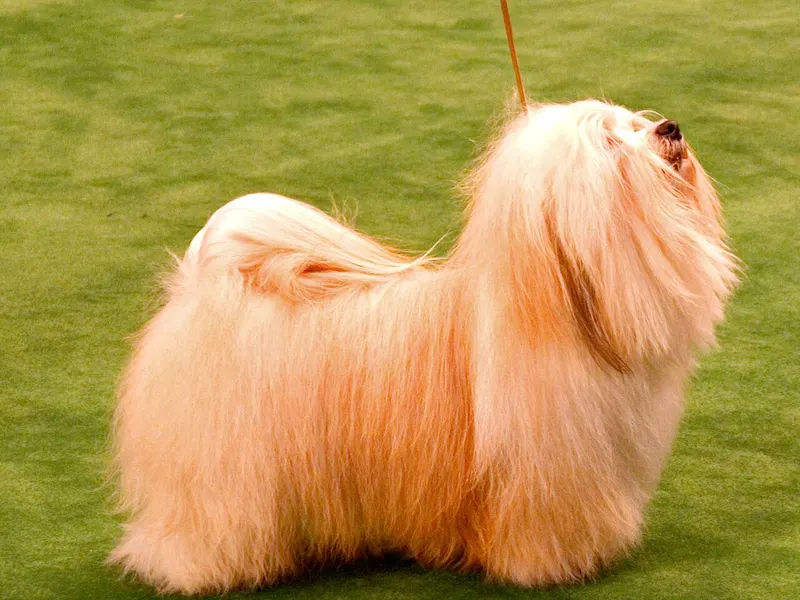
The Havanese descends from small companion dogs brought to Cuba by Spanish colonists, likely related to the broader Bichon family of Mediterranean companion breeds, and developed into a distinct type on the island over centuries, becoming closely associated with Havana's aristocracy by the 19th century, and the breed is Cuba's only nationally recognized native dog breed. The AKC recognized the Havanese in 1996, comparatively recent given how long the breed had existed, reflecting how much of the 20th century the breed spent as a rare, geographically isolated population before its post-revolution diaspora rebuilt international interest. The breed nearly disappeared following the Cuban Revolution as many owning families emigrated without their dogs or with only a handful, and the American Havanese population traces substantially back to a small number of dogs brought out by Cuban refugee families in the early 1960s.
Common health predispositions
- Luxating patella
- Cataracts
- Hip dysplasia
Temperament
Havanese are affectionate, adaptable companion dogs bred purely for companionship across their history, and the trait data reflects that focus clearly — kids and other pets both rate among the highest scores this breed produces, alongside solid trainability and a genuine eagerness to please. The breed doesn't do well left alone for long stretches and can develop separation-related stress, consistent with a dog whose entire historical purpose centered on close human companionship rather than independent work.
Living with a Havanese
About 30 minutes of exercise suits the breed well, making it a realistic choice for owners with limited outdoor space. Grooming is a real, ongoing commitment: the long, silky double coat mats without regular brushing, and while a shorter 'puppy clip' reduces the at-home burden considerably, some owners maintain the breed's full, flowing show coat, which requires daily attention. Shedding itself stays minimal year-round, which is why the Havanese so often lands on lists for allergy-sensitive households — worth remembering that's a lower-shedding claim, not a guarantee. Luxating patella, cataracts, and hip dysplasia are documented health concerns despite the breed's small size, and the Havanese's unusually long typical lifespan of 14-16 years is worth factoring into a long-term ownership commitment. The breed's coat comes in an unusually wide range of colors and patterns compared with most companion breeds, from solid white to black to parti-color combinations, none of which carry a documented health difference. Its natural, springy 'Havanese trot,' a distinctive rolling gait some breed historians attribute to its uneven leg lengths, is specifically referenced in the breed's conformation standard.
FAQ
How did the Havanese nearly disappear?
Following the Cuban Revolution in 1959, many Cuban families who owned Havanese emigrated, often without their dogs or bringing only a small number, and the modern American Havanese population traces substantially back to a small group of dogs brought out by refugee families in the early 1960s, a genetic bottleneck breed historians still reference.
How long do Havanese dogs typically live?
Around 14 to 16 years — long even by small-breed standards, and small breeds already tend to outlive large ones — so it's genuinely worth weighing just how many years of commitment this particular breed represents compared with many other popular choices.
Do Havanese need a lot of grooming?
Yes, a genuine ongoing commitment — the long, silky coat mats without regular brushing, and while a shorter puppy clip cuts the workload considerably, owners maintaining the breed's full show coat need to brush it close to daily to prevent tangles.
Are Havanese good with other pets?
Yes, and it's one of the more consistently reported traits owners mention — centuries of breeding for nothing but companionship left the Havanese gentle and adaptable enough to fold easily into a household that already has cats or other dogs.
Is the Havanese Cuba's national dog breed?
Yes — it's the only dog breed native to Cuba with formal national recognition, a source of real cultural pride tied to its centuries of development on the island before much of the breed's population and history moved to the U.S. following the Cuban Revolution.
What is the 'Havanese trot'?
A distinctive springy, rolling gait specifically referenced in the breed's conformation standard, which some breed historians attribute to the Havanese's slightly uneven leg proportions — a subtle physical trait breed judges specifically look for in the show ring.
Is the Havanese really well suited to apartment living?
Yes, and it is one of the breed's genuine strengths. As Cuba's only native breed, the Havanese was developed as a companion in city homes rather than a working dog with a big outdoor job, so it stays cheerfully adaptable to small spaces as long as it gets daily play and close human company. Its people-oriented nature means it would rather be underfoot indoors than left alone in a yard, which suits flat-dwellers and remote workers well.
Related on FetchBreed
Comparisons
Care equipment for a Havanese
As an Amazon Associate we earn from qualifying purchases made through these links, at no extra cost to you.
- Pin brush
The long silky coat mats without regular brushing, daily if an owner keeps the full show coat.
- Steel grooming comb
A comb is the check on whether a silky double coat is actually clear at the skin.
Whichever breed fits your life, consider adoption or breed-specific rescue first — many purebred and mixed-breed dogs and cats are already waiting for homes.
General breed information, not veterinary advice — consult a vet for your pet's specific health, diet, and behavior needs.