Non-Sporting Group
Kromfohrländer
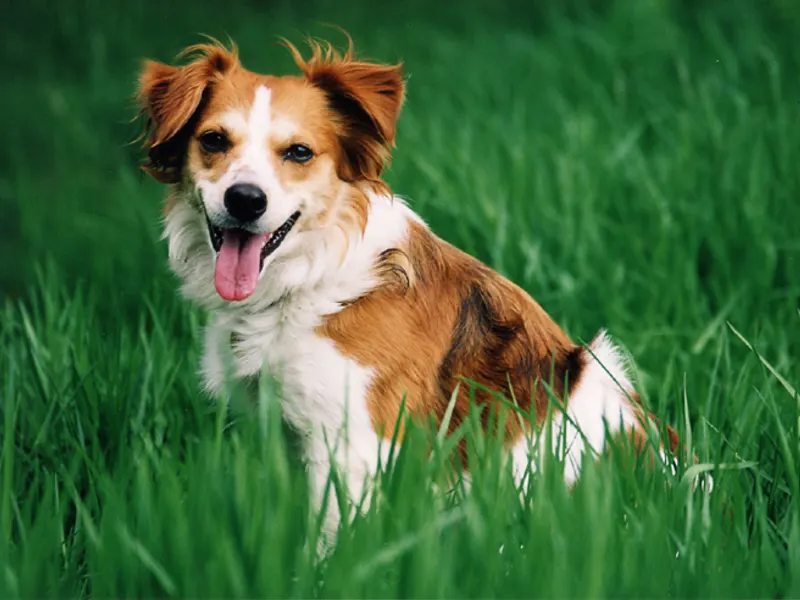
This breed's origin traces to a single documented event in 1945, when a German soldier returning from occupied France reportedly brought home a small terrier-type dog that was subsequently bred with local German stock, and Ilse Schleifenbaum, working from that founding dog, spent years afterward deliberately developing and stabilizing what became the Kromfohrländer as a distinct breed, giving it one of the more precisely dated origin stories of any modern German breed. The name itself combines "Krombach," the German town where Schleifenbaum's breeding program was based, with "Fohr," a nearby geographic reference, producing a genuinely local, place-based breed name rather than any descriptive or functional label. German kennel authorities formally recognized the Kromfohrländer relatively quickly given its post-WWII founding, and the breed has since developed a small but genuinely devoted following in Germany specifically as a companion breed, never having been bred for any particular working purpose the way most terrier-descended breeds were. Stateside it's genuinely rare, and the small pocket of owners who do know it tend to have come to it through a broader interest in newer, lesser-known German breeds.
Common health predispositions
- Generally very healthy breed
- Hip dysplasia (uncommon)
Temperament
Affectionate, genuinely even-tempered, and notably good with children, the Kromfohrländer carries a companion-first temperament by design — unlike most terrier-descended breeds, it was never bred for hunting or vermin work, and that purely companion-focused development shows up as a genuinely calmer, more biddable disposition than its terrier ancestry might suggest. Family bonds run deep, and the breed's original breeder Ilse Schleifenbaum specifically prioritized trainable, family-friendly temperament alongside physical soundness throughout the breed's development. Real sociability with other dogs and pets tends to come easily too, a further reflection of deliberate selection away from the higher prey drive and independence more typical terrier types carry. German breed clubs continue actively promoting the Kromfohrländer specifically as a genuinely modern success story in intentional companion-breed development.
Living with a Kromfohrländer
This moderately energetic companion breed is happy with about an hour of daily activity, well short of the higher-intensity demands actual working terrier breeds make. Coat care depends on variety — smooth-coated individuals need minimal brushing, while the wire-haired variety asks for somewhat more regular attention. The Kromfohrländer is widely considered a genuinely very healthy breed, a real advantage of its relatively controlled, well-documented mid-20th-century founding, with hip dysplasia uncommon enough that it doesn't dominate the health conversation. A household wanting a companion-bred dog without the higher prey drive or independence some terrier-descended breeds carry will find real affection and genuine family-friendliness here instead. Domestic breeders stay thin on the ground, so a German import contact is often part of the search alongside the handful of established US breeders. Day-to-day spending sits in ordinary territory for a small-to-medium companion dog, with no major grooming or specialty-vet line items to plan around.
FAQ
Does the Kromfohrländer shed a lot?
Shedding stays moderate for both coat varieties, and neither the smooth nor wire-haired type is considered hypoallergenic, though the wire-haired variety's coarser texture tends to trap loose hair rather than distribute it around the house the way a smooth coat does, meaning owners of wire-haired individuals often notice less visible shedding even though actual hair loss is similar between the two. Regular brushing for either variety reduces loose hair around the home regardless of which type a given dog carries.
What does Kromfohrländer mean?
The name combines 'Krombach,' the German town where founding breeder Ilse Schleifenbaum's program was based, with 'Fohr,' a nearby geographic reference, making it a genuinely local, place-based breed name rather than a descriptive or functional one.
Was the Kromfohrländer bred to hunt?
No — unlike most terrier-descended breeds, it was deliberately developed purely as a companion breed from the start, and that companion-first focus shows up as a genuinely calmer, more biddable disposition than typical terrier ancestry would suggest.
Is the Kromfohrländer a healthy breed?
Widely considered genuinely very healthy, a real advantage of its relatively controlled, well-documented mid-20th-century founding under a single dedicated breeder, with hip dysplasia uncommon enough that it doesn't dominate the health conversation.
Is a Kromfohrländer good with other dogs?
Generally yes — real sociability with other dogs and pets tends to come easily, a reflection of deliberate breeding selection away from the higher prey drive and independence more typical terrier-descended breeds carry.
How big does a Kromfohrländer get?
A small-to-medium dog, typically 20 to 30 pounds and 15 to 18 inches at the shoulder, similar in scale to a large terrier but with a somewhat softer, less angular build reflecting its purely companion-focused breeding rather than any working terrier heritage.
Did Ilse Schleifenbaum breed any other dogs besides the Kromfohrländer?
Historical accounts focus almost entirely on her Kromfohrländer program, which she pursued as essentially a lifelong project after the breed's chance 1945 founding, and German breed clubs today treat her single-minded, decades-long dedication to this one breed as central to its unusually well-documented origin story.
Related on FetchBreed
Whichever breed fits your life, consider adoption or breed-specific rescue first — many purebred and mixed-breed dogs and cats are already waiting for homes.
General breed information, not veterinary advice — consult a vet for your pet's specific health, diet, and behavior needs.