Terrier Group
Australian Terrier
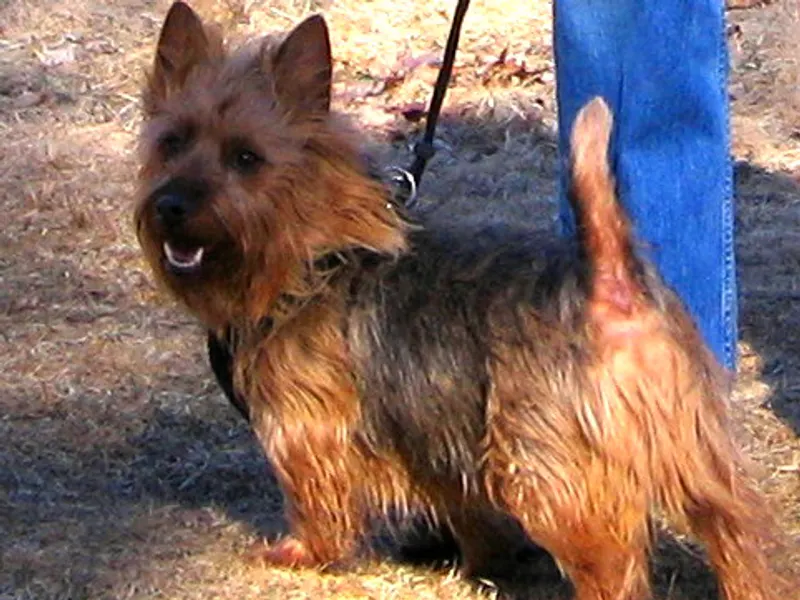
Despite the name, this breed developed in Australia from a mix of British terrier breeds brought by settlers, including the Cairn, Skye, Dandie Dinmont, and Yorkshire Terrier among others, adapted through the 19th century to work as an all-purpose farm dog controlling snakes, rats, and other vermin across the harsh Australian outback. The Australian Terrier holds a notable historical distinction as the first breed developed in Australia to gain international kennel-club recognition, a genuinely significant milestone for a country whose purebred dog culture at the time was still largely built around imported British stock rather than homegrown breeds. The Australian Terrier Club, established in Australia in the early 20th century, worked to consolidate the various regional mixes of British terrier stock into the single standardized breed recognized internationally today, a process that took decades of deliberate selection before the type stabilized. AKC recognition came in 1960. The breed's willingness to tackle snakes specifically set it apart functionally from many of its British terrier ancestors, which were bred primarily for rats, badgers, or foxes rather than venomous reptiles — a genuinely distinct working demand shaped by the Australian outback environment that pushed the breed's temperament toward real boldness and quick reflexes.
Common health predispositions
- Patellar luxation
- Diabetes mellitus
- Legg-Calve-Perthes disease
Temperament
Spirited, alert, and genuinely confident, the Australian Terrier packs real working-dog toughness into a compact frame, a direct legacy of its history tackling snakes and other vermin across demanding outback terrain. Family affection comes easily to most individuals, and they generally make capable watchdogs, ready to sound off at anything out of place. The breed's boldness rarely registers its own small size, a common trait among terriers generally but genuinely pronounced in this particular breed given its snake-hunting background. Most individuals also get along reasonably well with other dogs compared to many terrier breeds, a slightly more sociable baseline that breed historians attribute partly to the Australian Terrier's farm-dog history of working alongside other animals rather than competing individually for a single prey target. The breed's harsh coat and hardy constitution also reflect a dog bred to handle real climate extremes, from scorching outback summers to genuinely cold nights, and most individuals show a corresponding physical toughness uncommon in more purely companion-bred small terriers. Many owners also note a genuinely playful, almost comedic sense of humor in the breed once it's comfortable in a household, a softer side that balances out the more businesslike alertness the Australian Terrier shows toward strangers and unfamiliar situations.
Living with a Australian Terrier
Splitting roughly 45 minutes of daily activity across a couple of sessions suits this moderate-energy terrier's rhythm well. Keeping the harsh, straight double coat's texture right takes regular brushing plus an occasional hand-strip, though overall grooming demands stay lighter than many longer-coated terrier breeds ask for. Patellar luxation and Legg-Calve-Perthes disease, both hip and knee joint conditions common to small-breed dogs, show up in the veterinary literature, and diabetes mellitus is the third item worth a direct conversation with a vet. A household wanting an alert, confident, moderately low-maintenance terrier that makes a genuinely capable small watchdog tends to do well with an Australian Terrier. Breed-specific rescue is uncommon in the US given the breed's relatively modest population outside Australia, though general terrier rescue networks occasionally place individuals matching this type. Monthly costs run modest for a small terrier, and the breed's generally hardy constitution keeps routine veterinary expenses reasonable compared to many other purebred small dogs.
FAQ
Is the Australian Terrier actually from Australia?
Yes — despite descending from British terrier stock brought by settlers, the breed itself was developed in Australia through the 19th century, and it holds the distinction of being the first Australian-developed breed to gain international kennel-club recognition.
Did Australian Terriers really hunt snakes?
Yes, genuinely — the breed's history includes controlling snakes as well as rats and other vermin across the Australian outback, a distinct working demand from most British terrier ancestors, which pushed the breed's temperament toward real boldness and quick reflexes.
Is an Australian Terrier a good watchdog?
Generally yes — the breed is naturally alert and quick to notice and vocalize about anything unusual, a trait that makes it a genuinely capable small watchdog despite its compact size.
How much grooming does an Australian Terrier need?
A moderate commitment — the harsh, straight double coat with its distinctive soft topknot needs regular brushing and periodic hand-stripping, though the demands are lighter than many longer-coated terrier breeds.
What British breeds contributed to the Australian Terrier?
Settlers brought a mix of British terrier types to Australia, including the Cairn, Skye, Dandie Dinmont, and Yorkshire Terrier among others, which were crossed and adapted through the 19th century into the distinct Australian Terrier type.
Related on FetchBreed
Whichever breed fits your life, consider adoption or breed-specific rescue first — many purebred and mixed-breed dogs and cats are already waiting for homes.
General breed information, not veterinary advice — consult a vet for your pet's specific health, diet, and behavior needs.