Terrier Group
Cesky Terrier
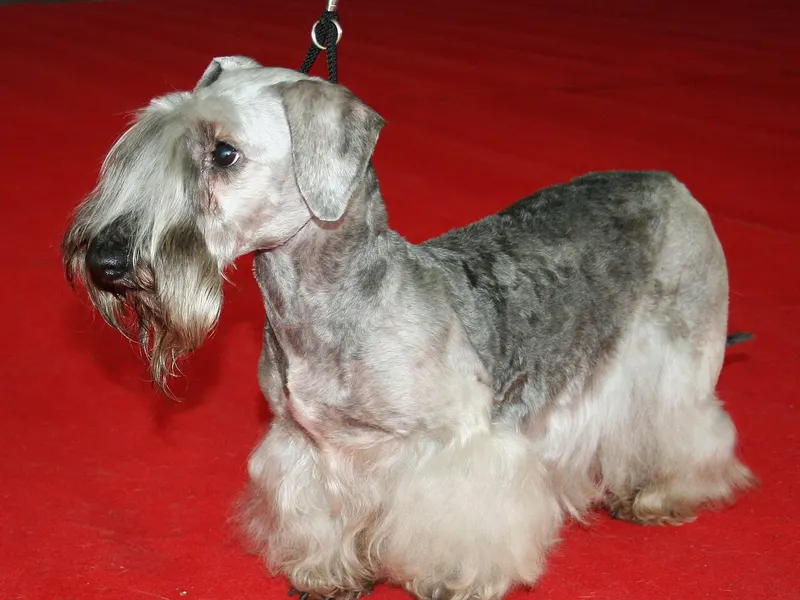
Czech breeder František Horák developed this breed in 1949 by deliberately crossing the Sealyham Terrier with the Scottish Terrier, aiming to produce a working terrier with a softer, more manageable wavy coat than either parent breed carried, better suited to hunting through the dense forest terrain typical of central Europe. That development timing places the Cesky Terrier among a genuinely small handful of dog breeds created behind the Iron Curtain during the Cold War, a distinctive historical circumstance that shaped both the breed's early promotion, largely confined to Eastern Bloc countries for decades, and its slow path to wider international recognition. Horák himself remained personally involved in refining and promoting the breed for years after its creation, and Czech breed clubs maintained careful records throughout the Cesky Terrier's development, giving it one of the more precisely documented origin stories among modern dog breeds. AKC recognition didn't arrive until 2011, over six decades after the breed's actual creation, reflecting how long Cold War-era political division delayed the Cesky Terrier's introduction to Western kennel clubs and breeders.
Common health predispositions
- Scotty cramp (breed-linked neuromuscular condition)
- Patellar luxation
Temperament
Calmer and more even-tempered than many terrier breeds, the Cesky Terrier carries real intelligence and genuine sociability, a deliberate outcome of Horák's original breeding goals aimed at a more manageable working companion than the higher-strung Scottish or Sealyham Terrier parent stock. Family bonds run deep, and the breed tends to do notably well with other dogs and pets compared with many terrier breeds, a genuinely more cooperative baseline temperament that breed fanciers consistently point to as one of the Cesky's defining traits. Real intelligence sits right alongside that easygoing manner, and the breed remains genuinely responsive and trainable, picking up new skills readily with an owner willing to provide consistent structure. Czech breed clubs today continue actively promoting the Cesky Terrier both domestically and internationally, a deliberate effort to grow a population that stayed geographically and numerically limited for decades after Horák's original Cold War-era work.
Living with a Cesky Terrier
Moderate is really the operative word for this breed's exercise needs, and 45 minutes covers it comfortably without much fuss. That distinctive soft, wavy, blue-grey texture holds up only with regular brushing and periodic trimming, a real but genuinely manageable commitment compared with some wirier terrier coats. Scotty cramp, a neuromuscular condition inherited through the breed's Scottish Terrier ancestry, deserves a direct conversation with a breeder, and patellar luxation is the other item worth asking about. This calmer, more sociable terrier fits a household that values its genuinely unusual Cold War-era backstory and doesn't mind the ongoing coat-care schedule that comes with it. Even decades after wider recognition took hold internationally, the global Cesky Terrier population has stayed small enough that a rescue placement is close to wishful thinking — a direct relationship with one of the handful of established breeders is the realistic path. Regular professional grooming is the notable line item in an otherwise fairly typical small-terrier budget.
FAQ
Who created the Cesky Terrier?
Czech breeder František Horák developed the breed in 1949 by deliberately crossing the Sealyham Terrier with the Scottish Terrier, aiming for a working terrier with a softer, more manageable coat better suited to hunting through central European forest terrain.
Is the Cesky Terrier a Cold War-era breed?
Yes, genuinely — it was created in 1949 behind the Iron Curtain, placing it among a small handful of dog breeds developed during the Cold War, a circumstance that confined its early promotion largely to Eastern Bloc countries for decades.
Is a Cesky Terrier good with other dogs?
Generally better than many terrier breeds — a deliberate outcome of founder František Horák's original breeding goals, which aimed at a more manageable, cooperative companion than the higher-strung Scottish or Sealyham Terrier parent stock.
What is Scotty cramp?
A neuromuscular condition documented in the Cesky Terrier and linked to its Scottish Terrier ancestry, causing temporary muscle coordination issues during exercise or excitement — well worth raising directly with a breeder ahead of time.
When did the Cesky Terrier gain AKC recognition?
Not until 2011, over six decades after the breed's actual 1949 creation, reflecting how long Cold War-era political division delayed its introduction to Western kennel clubs and breeders.
Is the Cesky Terrier one of the rarest AKC-recognized breeds?
Yes, genuinely — developed in the 1940s and 1950s by Czech breeder Frantisek Horak, who crossed Sealyham and Scottish Terriers to create a quieter, less aggressive hunting terrier suited to Czechoslovak forests, the breed remains among the least numerous AKC breeds worldwide, with only a small handful of litters registered in the United States most years.
Related on FetchBreed
Whichever breed fits your life, consider adoption or breed-specific rescue first — many purebred and mixed-breed dogs and cats are already waiting for homes.
General breed information, not veterinary advice — consult a vet for your pet's specific health, diet, and behavior needs.