Hound Group
Petit Basset Griffon Vendéen
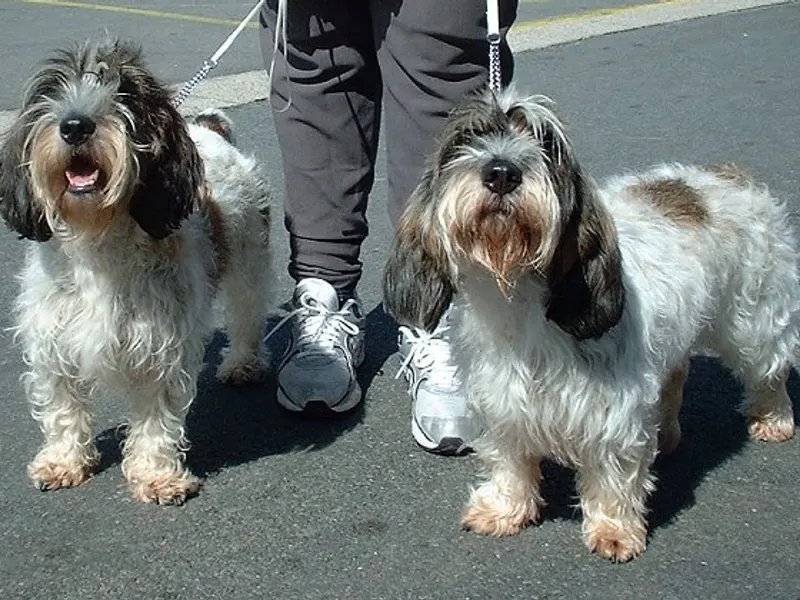
Developed in the Vendée region of western France specifically to hunt rabbit through the area's dense, thorny scrubland, the Petit Basset Griffon Vendéen is the smaller of two closely related breeds sharing the same rough-coated, low-slung build — its larger cousin, the Grand Basset Griffon Vendéen, was bred to hunt larger game across more open terrain, while the Petit variety's shorter legs and more compact frame suited it specifically to working the tangled undergrowth where a bigger dog struggled to maneuver. French hunters selected for the breed's harsh, wiry coat for genuinely practical reasons: it shrugs off the thorns and brambles of Vendée scrubland far better than a smooth coat would, protecting the dog's skin during long days working dense cover. AKC recognition came in 1990, relatively recent for a breed with genuinely centuries-old French hunting roots, and the abbreviation "PBGV" has become the breed's common shorthand among American fanciers given how unwieldy the full French name is for everyday use. Despite the shared "Basset" name and low-slung build, the PBGV is a genuinely distinct breed from the drop-eared, mournful-looking Basset Hound most Americans picture, with a scruffier coat, a more energetic temperament, and an entirely separate development history rooted in French scent-hunting tradition rather than the Basset Hound's own lineage.
Common health predispositions
- Patellar luxation
- Hip dysplasia
- Ear infections
- Epilepsy
Temperament
Happy-go-lucky and genuinely full of energy, the PBGV carries real scent-hound drive in a small, low-slung package, quite unlike the calmer demeanor people sometimes expect from a dog sharing the "Basset" name. Family affection comes easily and kids are rarely an issue, though the breed's real hunting instinct and independent scent-hound mindset mean recall around an interesting smell can be genuinely unreliable without dedicated training. The breed's distinctive shaggy eyebrows and beard give it an expressive, almost comical face that matches its generally upbeat, extroverted personality well, and most PBGVs approach life with an enthusiasm that belies their compact size.
Living with a Petit Basset Griffon Vendéen
This breed genuinely needs real exercise despite its small stature — around 60 minutes daily, with securely fenced space to explore given how readily a PBGV follows its nose right off a property if given the chance. The rough, wiry double coat needs regular brushing and occasional hand-stripping to keep its protective texture, plus routine attention to the low-hanging ears, which are prone to trapping moisture. Standard patellar-luxation and hip screening matter here, and chronic ear infections along with an above-average rate of epilepsy in the breed are worth a direct conversation before signing on with a breeder. Secure fencing, genuine patience for scent-driven independence, and real appreciation for a small dog with an outsized, cheerful personality — that combination is what a PBGV genuinely needs from its household. National breed clubs run dedicated rescue efforts in the US, a genuinely workable route given the small but committed community of PBGV enthusiasts nationally. Monthly costs land in a fairly typical range for a small-to-medium hound, with periodic hand-stripping and routine ear care the main recurring items beyond food and standard veterinary visits.
FAQ
What's the difference between a Petit Basset Griffon Vendéen and a Basset Hound?
Despite sharing the word 'Basset' and a similarly low-slung build, they're entirely separate breeds with different development histories — the PBGV has a scruffier, wiry coat and a more energetic temperament rooted in French rabbit-hunting tradition, distinct from the Basset Hound's own lineage.
What's the difference between a Petit and Grand Basset Griffon Vendéen?
They're closely related but separately recognized breeds — the Grand variety is larger and was bred to hunt bigger game across more open terrain, while the Petit's more compact, shorter-legged build suited it to working the dense, tangled scrubland of the Vendée region.
Is a PBGV a good apartment dog?
Not the easiest fit — while the breed is small, its real hunting drive and need for roughly an hour of daily exercise, plus a tendency to follow its nose without much regard for boundaries, generally calls for secure outdoor space rather than apartment life alone.
Why does a PBGV have a beard and shaggy eyebrows?
The rough, wiry coat, including the distinctive beard and eyebrows, was bred specifically to protect the dog's skin while working through the thorny, dense scrubland of the Vendée region during rabbit hunts.
Are PBGVs easy to train?
It varies — the breed's genuine scent-hound independence means recall around an interesting smell can be unreliable without dedicated training, though most individuals are food-motivated and affectionate enough to make consistent training genuinely achievable with patience.
What does 'Petit Basset Griffon Vendeen' translate to in English?
Roughly 'small, low, rough-coated dog from the Vendee,' a name that packs in the breed's short legs, wiry coat, and regional French origin all at once, and hunters in the Vendee region developed it specifically to trail rabbit through dense, thorny undergrowth where a taller hound would struggle to follow scent close to the ground.
Related on FetchBreed
Lists this breed appears in
Whichever breed fits your life, consider adoption or breed-specific rescue first — many purebred and mixed-breed dogs and cats are already waiting for homes.
General breed information, not veterinary advice — consult a vet for your pet's specific health, diet, and behavior needs.