Herding Group
Croatian Sheepdog
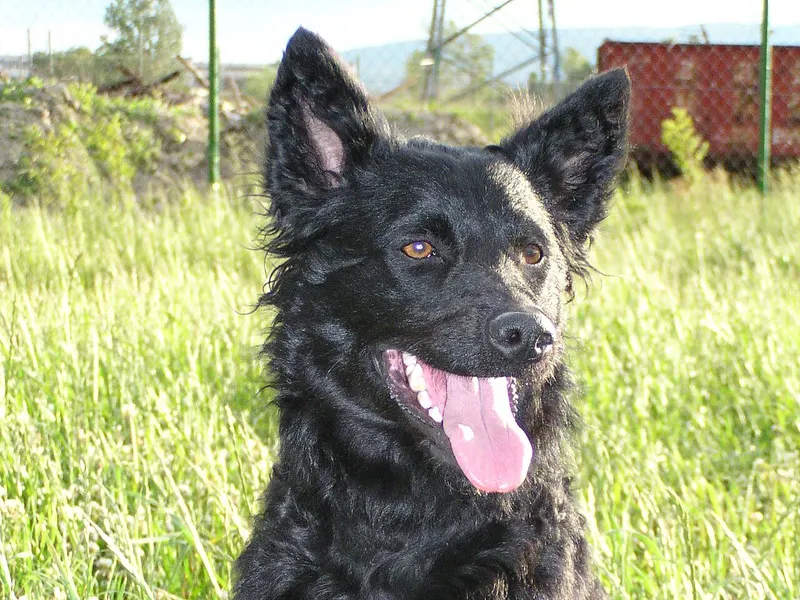
Croatian shepherds developed this breed over centuries specifically for herding sheep across the country's varied Balkan terrain, and Croatian written records dating back several centuries make mention of dogs fitting its type, giving the breed a genuinely old regional working history despite formal breed standardization only arriving considerably later. Croatian cynologist Prof. Oto Kučera formally described and named the breed in the mid-20th century, distinguishing it clearly from related Balkan herding types for the first time and laying the groundwork for its eventual FCI recognition. Croatia recognizes the Croatian Sheepdog as a genuine national heritage breed today, and the country's breed clubs actively work to keep the population's traditional working-herding character intact rather than letting it drift toward a purely cosmetic show breed. Outside Croatia and its immediate Balkan neighbors, the breed is a genuine curiosity, familiar mostly to a small circle of European-herding-breed enthusiasts in the US.
Common health predispositions
- Hip dysplasia (uncommon)
- Generally hardy working breed
Temperament
Sharp, genuinely energetic, and notably independent, the Croatian Sheepdog carries real herding instincts shaped by centuries of working Balkan sheep flocks across genuinely varied and often rugged terrain. That instinct translates into near-constant alertness and a real urge to control movement around it, whether that's livestock, the family cat, or simply people milling around the house. It bonds closely with its own household and tends to be genuinely affectionate at home, though wariness toward strangers is common, a trait bred deliberately alongside the herding instinct given the breed's traditional guarding responsibilities too. Real vocal tendencies come standard as well, a direct legacy of a dog historically expected to alert its shepherd to anything unusual across open Balkan grazing land. Croatian clubs still put the breed through genuine herding trials today, and keeping that working use alive is seen as essential to preserving its authentic character.
Living with a Croatian Sheepdog
Don't underestimate this breed's stamina — 75 minutes is closer to a starting point than a target, and a dog left without an actual herding or structured task tends to invent its own, usually less welcome, jobs around the house. Brushing the wavy black coat on a regular but relaxed schedule is enough to keep the moderate shedding in check. Formal health-registry data stays somewhat thin for a breed this lightly documented internationally, though what's known suggests a generally hardy dog, with hip dysplasia registering as a minor rather than major concern. Real drive and genuine wariness toward strangers suit an experienced, active owner who wants an engaged herding-type companion rather than a low-key first dog. So few dedicated breeders operate domestically that reaching out to Balkan contacts directly is often the more realistic path to a puppy. Feeding and vet bills stay ordinary for a dog this size; nothing about the breed pushes costs in an unusual direction.
FAQ
Is the Croatian Sheepdog related to the German Shepherd?
Not closely — the two developed independently, with the Croatian Sheepdog's roots tracing to older Balkan herding stock distinct from the Central European lines that produced the German Shepherd. The two breeds are sometimes visually confused because of a broadly similar wolf-like coloring in some individuals, but the Croatian Sheepdog is considerably smaller and more lightly built, with a bushier coat and a pointed, fox-like face that sets it apart on closer look.
Is the Croatian Sheepdog still used for herding?
Yes, genuinely — Croatian breed clubs actively work the breed in real herding trials specifically to keep its traditional working character intact rather than letting it drift toward a purely cosmetic show breed.
Is a Croatian Sheepdog good for a first-time owner?
Not typically — real herding drive paired with genuine wariness toward strangers demands an experienced, active handler who can offer a legitimate working outlet, something a novice owner rarely has ready to go.
How old is the Croatian Sheepdog breed?
Genuinely old in origin — Croatian written records dating back several centuries make mention of dogs fitting its type, though formal standardization under a fixed breed name only arrived in the mid-20th century.
Is the Croatian Sheepdog recognized by the AKC?
Not yet — the breed holds FCI recognition through Croatia's national kennel club, but the AKC has not admitted it to the Foundation Stock Service program or granted it any American recognition status, meaning US owners currently have no path to AKC conformation competition with this breed. Prospective American owners interested in showing typically need to look toward FCI-affiliated club events instead.
How big does a Croatian Sheepdog get?
A genuinely small-to-medium herder, typically 24 to 43 pounds and 16 to 20 inches at the shoulder, notably lighter-framed than many other European herding breeds, a build that favored agility and quickness over sheer size for working close alongside a Balkan flock.
What does a Croatian Sheepdog look like?
A wavy or curly all-black coat, pointed erect ears, and a fox-like face give the breed a distinctive silhouette among herding dogs; the occasional small white patch on the chest or toes is permitted, but breeders and the FCI standard alike treat solid black as the defining, essential coat color.
Related on FetchBreed
Whichever breed fits your life, consider adoption or breed-specific rescue first — many purebred and mixed-breed dogs and cats are already waiting for homes.
General breed information, not veterinary advice — consult a vet for your pet's specific health, diet, and behavior needs.