Terrier Group
Wire Fox Terrier
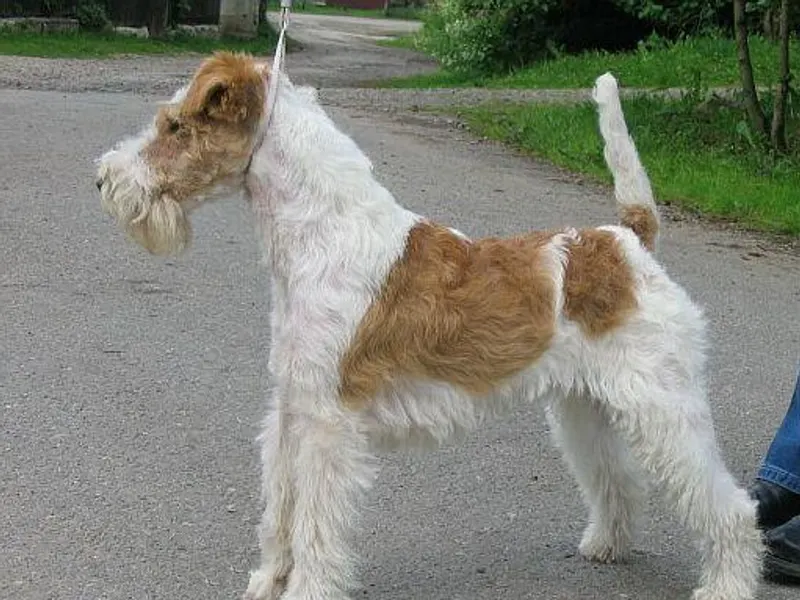
English hunters developed the Wire Fox Terrier in the 19th century to bolt foxes from their dens during traditional fox hunts, working alongside mounted hounds by going underground where the larger dogs couldn't follow — the breed's wiry coat texture is its main distinction from the closely related Smooth Fox Terrier, which shares the same working origin and standard aside from coat type. The AKC recognized the breed in 1885, and the Wire Fox Terrier later achieved considerable Hollywood fame as Asta, the scene-stealing dog in the 1930s and '40s Thin Man film series, a role that drove a genuine surge in the breed's American popularity at the time.
Common health predispositions
- Patellar luxation
- Distichiasis
- Congenital deafness
Temperament
Bred to work independently underground chasing foxes out of their dens, the Wire Fox Terrier is bold, energetic, and carries real prey drive that shows up clearly in its below-average goodWithOtherPets compatibility, particularly around small animals and unfamiliar dogs of the same sex. The breed's high energy and intelligence make it a genuinely engaging companion for the right household, but that same combination means an under-stimulated Wire Fox Terrier tends toward digging, escape attempts, and persistent barking. GoodWithKids ratings run solidly good with older, respectful children, and training is manageable but benefits from real consistency given the breed's independent, sometimes willful streak.
Living with a Wire Fox Terrier
An hour of vigorous daily exercise, including genuine mental engagement, suits this breed's working-terrier build well — a Wire Fox Terrier that only gets a short leash walk tends to find its own, less desirable outlets for all that energy. Clipping alone tends to soften this coat's texture and dull its color over time, so most owners stick with hand-stripping every couple of months instead, backed up by frequent brushing to keep the dense wiry coat looking proper. Patellar luxation, distichiasis — an eyelash condition that can irritate the cornea — and congenital deafness are all documented health concerns in the breed; that deafness risk in particular ties back to the pigment genes behind the mostly-white coat so many Fox Terriers carry. Secure fencing genuinely matters here — this terrier's tenacity about digging under or squeezing through gaps, paired with real gameness toward anything small and fast-moving, adds up to a determined escape artist. Despite its small-to-medium size, the Wire Fox Terrier carries itself with a confident, almost showy bearing in the ring, a presentation style that's helped make it one of the most recognizable and frequently top-winning breeds in AKC conformation history.
FAQ
What's the difference between a Wire Fox Terrier and a Smooth Fox Terrier?
They're closely related breeds with the same working origin — bolting foxes from dens during traditional fox hunts — but differ mainly in coat texture, the Wire Fox Terrier having a dense, wiry coat and the Smooth Fox Terrier a short, flat one.
Was Asta from The Thin Man a Wire Fox Terrier?
Yes — the scene-stealing dog in the 1930s and '40s Thin Man film series was a Wire Fox Terrier, and American demand for the breed climbed noticeably once audiences fell for the character.
How much grooming does a Wire Fox Terrier need?
More than a short coat might suggest — hand-stripping every couple of months preserves the wire texture and color far better than clipping does, and that appointment schedule, plus regular brushing in between, is a genuine standing commitment for owners of this breed.
Are Wire Fox Terriers good with other pets?
Not reliably — a dog bred to chase foxes out of dens doesn't switch that instinct off around the family cat, so small animals are a real risk, and same-sex dog aggression can also crop up without careful socialization.
Why do some Wire Fox Terriers go deaf?
The pigment genetics behind the mostly-white coat common in Fox Terriers carry a documented deafness risk alongside them, a pattern also seen in several other predominantly white breeds; reputable breeders typically have puppies' hearing tested before placement.
How much exercise does a Wire Fox Terrier need?
A genuine hour daily, and it needs to include real mental engagement — this breed's terrier energy and intelligence combine into a dog that gets into trouble fast if its exercise is limited to a short leash walk.
Are Wire Fox Terriers good watchdogs?
Reasonably well suited to the job — this breed rarely lets an unfamiliar sound go unremarked, though its small-to-medium size limits the role to raising the alarm rather than actually deterring anyone.
Is the Wire Fox Terrier a good breed for competitive dog shows?
Very much so — the breed holds one of the strongest historical records in AKC Best in Show competition of any breed, a reflection of its confident ring presence and the exacting standard applied to its wire coat's texture and presentation.
How big does a Wire Fox Terrier get?
Small-to-medium, typically 15 to 19 pounds and 14 to 15.5 inches at the shoulder, a compact but athletic build suited to squeezing into fox dens while still keeping pace with mounted hunters above ground.
How long do Wire Fox Terriers live?
Twelve to 15 years is common for this small-to-medium terrier, and dogs whose eyes and joints get consistent attention from documented breed conditions tend to hold up well through that whole stretch.
Is a Wire Fox Terrier good for a first-time owner?
High energy, a strong prey drive, and a genuinely independent streak make this a breed that rewards consistent, experienced handling — not the easiest starting point for someone new to dogs.
Do Wire Fox Terriers bark a lot?
Alert, watchful, and genuinely game for anything, this breed sounds off at unusual noises readily, and consistent training does more to manage that habit than simply hoping it settles with age.
Related on FetchBreed
Care equipment for a Wire Fox Terrier
As an Amazon Associate we earn from qualifying purchases made through these links, at no extra cost to you.
- Terrier stripping knife
This page is specific that clipping alone softens the coat's texture and dulls its colour over time, so most owners stick with hand-stripping — which is why there are no clippers here.
- Long training line
The breed is called a determined escape artist with real gameness toward anything small and fast, so this page does not treat off-leash freedom as a given.
Whichever breed fits your life, consider adoption or breed-specific rescue first — many purebred and mixed-breed dogs and cats are already waiting for homes.
General breed information, not veterinary advice — consult a vet for your pet's specific health, diet, and behavior needs.