Foundation Stock Group
Volpino Italiano
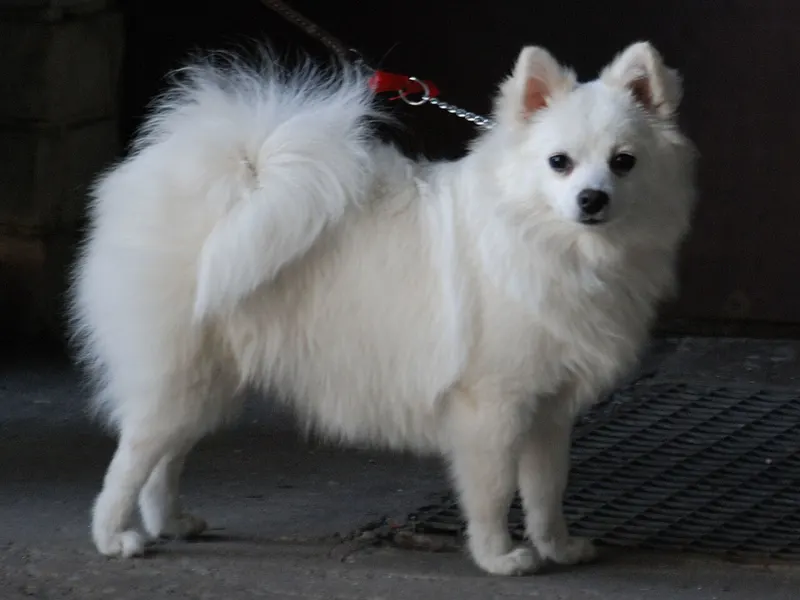
The Volpino Italiano's name comes directly from the Italian word "volpe," meaning fox, a reference to its genuinely fox-like pointed muzzle and alert expression, and Italian nobility and merchant families favored this small spitz-type companion across several centuries of documented household use in Italy. The breed shares real common ancestry with other European spitz breeds, including a documented historical relationship to the German Spitz and, more distantly, the Pomeranian, all descending from broader Central European spitz stock. Italian breeders' attention drifted toward other, more fashionable companion breeds during the 20th century, and the Volpino Italiano's numbers fell so far that only a concerted rebuilding effort by a handful of committed fanciers, working from a genuinely tiny surviving group of dogs, kept the breed going into the modern era. Even in Italy the breed stays uncommon today, and stateside it's a real curiosity — most American owners who know it at all found their way there through Italian heritage-breed circles rather than general dog-owning awareness.
Common health predispositions
- Patellar luxation
- Progressive retinal atrophy
- Generally hardy small breed
Temperament
Lively, alert, and genuinely affectionate, the Volpino Italiano carries a classic companion-spitz personality — real devotion to its own family paired with a naturally watchful, occasionally vocal disposition toward anything unfamiliar. Most individuals do well with children and other household pets once properly socialized, and the breed's small size and generally sociable nature make it a genuinely adaptable companion across different household types. Real intelligence shows up as quick learning ability too, and the Volpino Italiano is often noted by Italian fanciers as more trainable than its somewhat modest international profile might suggest. Dedicated Italian breed clubs continue actively promoting the Volpino specifically to prevent a repeat of the population decline that nearly ended the breed in the 20th century, treating international outreach as part of that ongoing preservation effort.
Living with a Volpino Italiano
Exercise needs stay light for this small companion breed — about 45 minutes a day covers it, a legacy of centuries as a household lapdog with no working job ever attached. The long, harsh, straight double coat, usually white, sheds a fair amount for such a small dog and needs regular, consistent brushing to stay in good condition. Patellar luxation and progressive retinal atrophy are the two items worth raising directly with a breeder, though beyond that pair the Volpino Italiano is widely considered a genuinely hardy small breed overall. Real alertness and a naturally vocal disposition mean this breed suits a household that doesn't mind a watchful, occasionally talkative companion. The 20th-century population crash never fully faded from the breed's availability picture, so US options stay genuinely limited, and most interested owners end up corresponding with one of a handful of dedicated American breeders or reaching out to contacts in Italy directly. Costs stay fairly modest for a small breed, with regular brushing tools the main recurring grooming expense.
FAQ
What does Volpino Italiano mean?
The name comes directly from the Italian word 'volpe,' meaning fox, a reference to the breed's genuinely fox-like pointed muzzle and alert facial expression, one of its most immediately recognizable physical traits.
Is the Volpino Italiano related to the Pomeranian?
Distantly, yes — the breed shares documented common ancestry with other European spitz breeds, including a historical relationship to the German Spitz and, further back, the Pomeranian, all descending from broader Central European spitz stock.
Did the Volpino Italiano nearly go extinct?
It came close — 20th-century Italian breeders' attention drifted toward other, more fashionable companion breeds, and the population fell so low that dedicated Italian fanciers had to rebuild it almost from scratch, starting from only a handful of surviving dogs.
Is a Volpino Italiano a good family dog?
For the most part, yes — affection toward children and other household pets tends to come naturally once a puppy has been properly socialized, paired with that characteristic watchful, occasionally chatty disposition.
Is the Volpino Italiano easy to find in the US?
No, it's a genuine search — the breed's population never grew large even after its 20th-century near-disappearance, and a short list of dedicated American breeders is realistically where the hunt starts and ends.
How big does a Volpino Italiano get?
A genuinely small companion dog, typically only 9 to 12 pounds and 10 to 12 inches at the shoulder, with a fox-like head and plumed, tightly curled tail carried up over the back — proportions that stayed essentially unchanged through centuries of use purely as an Italian household companion.
Does the Volpino Italiano come in colors besides white?
Occasionally — solid red and black individuals do appear and are permitted under the breed standard, though white has always been the dominant and most historically documented color, prized in Italian households partly because a light-colored dog stood out clearly against dark interiors and stone courtyards.
Related on FetchBreed
Lists this breed appears in
Whichever breed fits your life, consider adoption or breed-specific rescue first — many purebred and mixed-breed dogs and cats are already waiting for homes.
General breed information, not veterinary advice — consult a vet for your pet's specific health, diet, and behavior needs.