Foundation Stock Group
American Bully
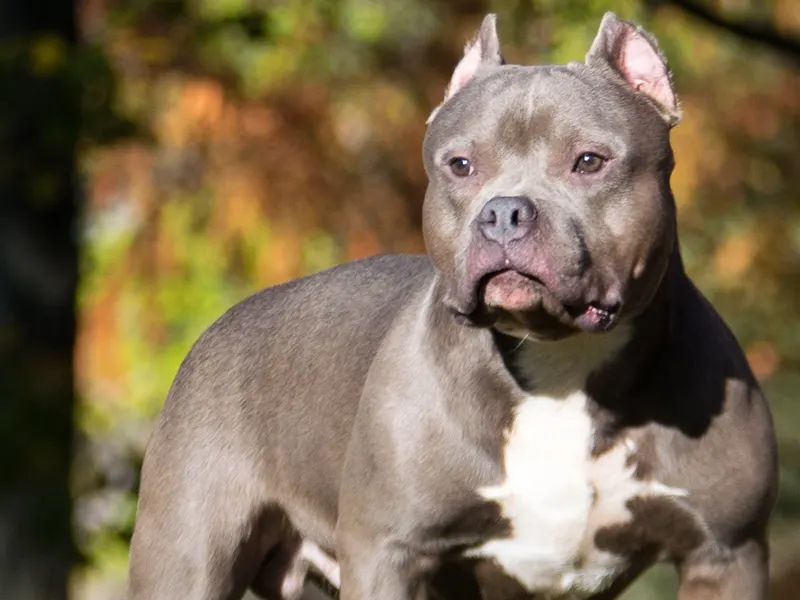
American breeders in the 1990s set out to create a companion-focused bully breed distinct from the American Pit Bull Terrier, deliberately selecting for a more compact, muscular build and a temperament emphasized around stability and friendliness rather than the working gameness historically bred into pit-bull-type dogs. The American Bully Kennel Club formed in 2004 to establish breed standards, and the breed has since split into several recognized size classes — Pocket, Standard, Classic, and XL — reflecting genuine variation in build that breeders select for differently depending on the class. The United Kennel Club recognized the American Bully in 2013; AKC recognition has not followed. Breeders behind the original American Bully program drew primarily on American Pit Bull Terrier and American Staffordshire Terrier lines, with some incorporating English Bulldog and other bully-breed influence to achieve the compact, heavily muscled look the breed is known for today. The American Bully Kennel Club's 2004 founding was itself a response to breeders wanting formal recognition and structure separate from the Pit Bull registries their foundation dogs had originally come from.
Common health predispositions
- Hip dysplasia
- Skin allergies
- Breathing difficulty in compact-build lines
Temperament
Despite an imposing, muscular appearance, most American Bullies were deliberately bred for a stable, people-oriented temperament rather than the gameness or dog-aggression sometimes associated with related bully breeds — breeders in the founding years explicitly selected against those traits. With proper socialization, the breed typically presents as affectionate, eager to please, and genuinely good with familiar children, though its strength and size mean training and handling still require real commitment regardless of the underlying temperament. Breed clubs behind the American Bully's development placed unusually heavy emphasis on temperament testing from the outset, deliberately screening out dog-aggressive and unstable individuals from breeding programs in a way that distinguishes the breed's development philosophy from some older bully-type breeds developed originally for dogfighting.
Living with a American Bully
Forty-five minutes of daily exercise generally satisfies most American Bullies, a more moderate need than some bully-type breeds given the compact, muscular build many lines are bred toward rather than pure athleticism. The short, smooth coat requires minimal grooming beyond occasional brushing. Housing and insurance restrictions are the more significant practical hurdle: American Bullies are frequently swept into breed-specific legislation aimed at bully and pit-bull-type dogs generally, so verifying local and rental policies before committing to the breed matters as much as researching the dog itself. Hip dysplasia, skin allergies, and breathing difficulty in some of the more compact-build lines are documented health concerns. This breed suits a family wanting a muscular, people-oriented companion and willing to navigate breed-specific legislation and insurance questions proactively — it's a poor fit for anyone unwilling to do that legal homework first. American Bully rescue and rehoming happens frequently given the breed's rapid rise in popularity, with both dedicated bully-breed rescues and general shelters seeing steady numbers.
FAQ
Is an American Bully a pit bull?
Not exactly — while it shares ancestry with the American Pit Bull Terrier, the American Bully was deliberately developed as a distinct breed with a more compact build and a temperament specifically selected for stability and friendliness over working gameness.
Are American Bullies aggressive?
Not by breeding intent — founding breeders explicitly selected against dog-aggression and instability, and most well-socialized individuals are affectionate and people-oriented, though as with any powerful breed, training and socialization still matter significantly.
What are the different American Bully sizes?
The breed is split into recognized size classes — Pocket, Standard, Classic, and XL — reflecting real variation in build and weight that different breeding lines select for, so it's worth asking a breeder which class a given puppy is bred toward.
What breeds make up the American Bully?
Primarily American Pit Bull Terrier and American Staffordshire Terrier lines, with some breeding programs incorporating English Bulldog or other bully-breed influence to achieve the compact, heavily muscled build the American Bully is known for today.
How new is the American Bully as a breed?
Quite new — the deliberate breeding program began in the 1990s and the American Bully Kennel Club, which formalized breed standards, wasn't founded until 2004, making it one of the more recently developed breeds covered in this database.
Why do American Bullies come in so many size classes?
Breeders selectively developed distinct classes — Pocket, Standard, Classic, and XL — to appeal to different preferences for size and build, and each class is bred somewhat differently, meaning a puppy's projected adult size depends heavily on which class its breeder is working toward.
When did the American Bully become a recognized breed?
The United Kennel Club recognized it as a distinct breed in 2013, decades after breeders in the 1990s began deliberately developing it from American Pit Bull Terrier and American Staffordshire Terrier stock specifically toward a bulkier, more compact companion-oriented build, making it a genuinely recent breed compared with most others on this site.
Related on FetchBreed
Whichever breed fits your life, consider adoption or breed-specific rescue first — many purebred and mixed-breed dogs and cats are already waiting for homes.
General breed information, not veterinary advice — consult a vet for your pet's specific health, diet, and behavior needs.