Herding Group
Miniature American Shepherd
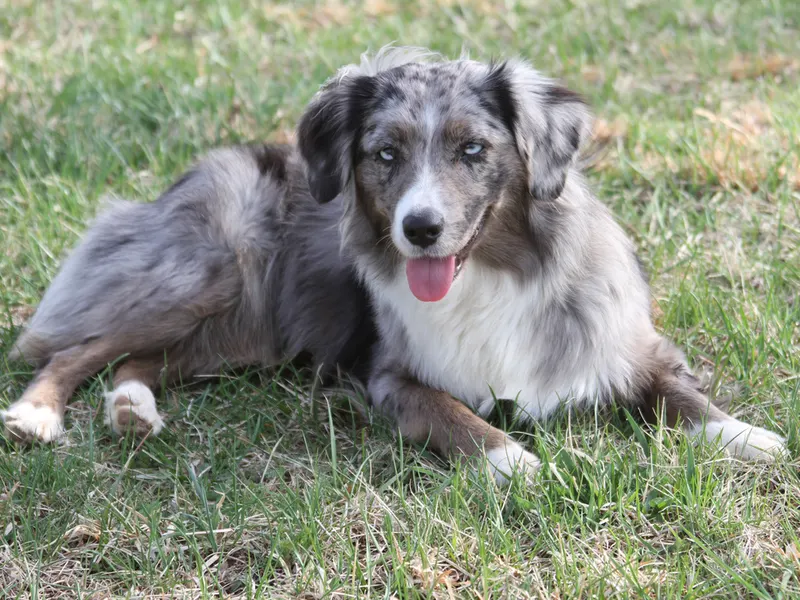
American breeders in the 1960s began deliberately selecting smaller Australian Shepherds, initially for use as ranch and rodeo performance dogs where a more compact, agile build had real practical advantages, and the resulting line eventually developed into its own distinct breed rather than simply remaining a size variant. Originally called the Miniature Australian Shepherd, the breed's name changed to Miniature American Shepherd upon full AKC recognition in 2015 to acknowledge that its development, unlike the original Australian Shepherd's, took place entirely within the United States despite the shared name heritage. Early breeders in the 1960s and 70s specifically targeted rodeo and ranch performance work, where a smaller, more maneuverable dog offered real practical advantages handling stock in tighter spaces than a full-sized Australian Shepherd could manage comfortably. The breed operated for decades under various informal names, including "Miniature Australian Shepherd" and simply "mini Aussie," before a dedicated breed club successfully petitioned for AKC recognition, which finally arrived in 2015 under the current, more historically accurate name.
Common health predispositions
- Hip dysplasia
- MDR1 drug sensitivity
- Collie eye anomaly
Temperament
This breed carries essentially the same high intelligence and herding drive as its larger Australian Shepherd relative, just in a considerably more compact body — a combination that makes for a genuinely capable working and sport dog that needs real mental engagement to stay content. Miniature American Shepherds are typically loyal and affectionate with family, quick to learn, and often excel in agility and obedience given an outlet for their intelligence. Left understimulated, the same drive that makes the breed so trainable can turn into anxious or destructive behavior. The breed's development for rodeo and ranch performance work meant early breeders selected heavily for quick reflexes and situational awareness in tight spaces, traits that carry over into the modern companion dog as genuine alertness to environmental changes, sometimes making the breed more reactive to sudden movements or sounds than a more laid-back companion breed.
Living with a Miniature American Shepherd
A bored Miniature American Shepherd tends to invent its own entertainment, usually inconveniently, so this small but high-drive breed does best on roughly an hour of daily exercise, provided real mental work gets folded in too. The medium double coat sheds moderately, picking up during seasonal changes, and responds well to regular brushing. One inherited quirk worth knowing about: the MDR1 mutation common in the larger Australian Shepherd line shows up here too, often enough to matter, and a carrier needs certain dewormers and anesthetic drugs avoided or dose-adjusted — a cheek-swab test run early answers the question long before it turns into an emergency. Hip dysplasia and progressive retinal atrophy complete the breed's more commonly documented health picture. Australian Shepherd intelligence and drive packed into a more apartment-manageable size is the appeal here for an active family or individual — a sedentary household, or anyone unable to provide the mental engagement this breed genuinely needs, should reconsider. Miniature American Shepherd rescue exists through the national breed club and general herding-breed rescue networks, with reasonable but not guaranteed availability given the breed's moderate and growing US population.
FAQ
Is a Miniature American Shepherd just a small Australian Shepherd?
Closely related, yes, but it's recognized as its own distinct breed, having been developed entirely in the US starting in the 1960s by deliberately breeding down Australian Shepherds for a smaller, more compact working and sport dog.
Does the Miniature American Shepherd carry the MDR1 gene?
It can — the mutation runs through the same herding-dog bloodlines as its larger Australian Shepherd relative, and a carrier's system handles certain dewormers and anesthetic drugs poorly, sometimes dangerously so. An inexpensive cheek-swab panel flags carriers well before a vet visit turns risky.
How much exercise does a Miniature American Shepherd need?
About 60 minutes daily combined with genuine mental work is the number that keeps this high-drive small breed satisfied; deny it an outlet and that same trainable intelligence tends to resurface as anxiety or destructive habits.
Why was the Miniature American Shepherd originally bred smaller?
Early breeders in the 1960s and 70s specifically wanted a more maneuverable dog for rodeo and ranch performance work, where handling stock in tighter spaces gave a smaller, more agile dog real practical advantages over a full-sized Australian Shepherd.
Why did the breed's name change from Miniature Australian Shepherd?
AKC recognition in 2015 came with a name change to Miniature American Shepherd, acknowledging that the breed's development took place entirely within the United States, unlike the original Australian Shepherd, despite decades of informal use of the earlier name.
Does a Miniature American Shepherd need livestock or acreage to be happy?
Not strictly — unlike some working herding breeds, this breed adapts reasonably well to suburban or even apartment life provided it gets genuine daily mental engagement through training, dog sports, or interactive play, since the drive to work can be redirected productively without actual livestock.
Related on FetchBreed
Lists this breed appears in
Whichever breed fits your life, consider adoption or breed-specific rescue first — many purebred and mixed-breed dogs and cats are already waiting for homes.
General breed information, not veterinary advice — consult a vet for your pet's specific health, diet, and behavior needs.