Herding Group
Polish Lowland Sheepdog
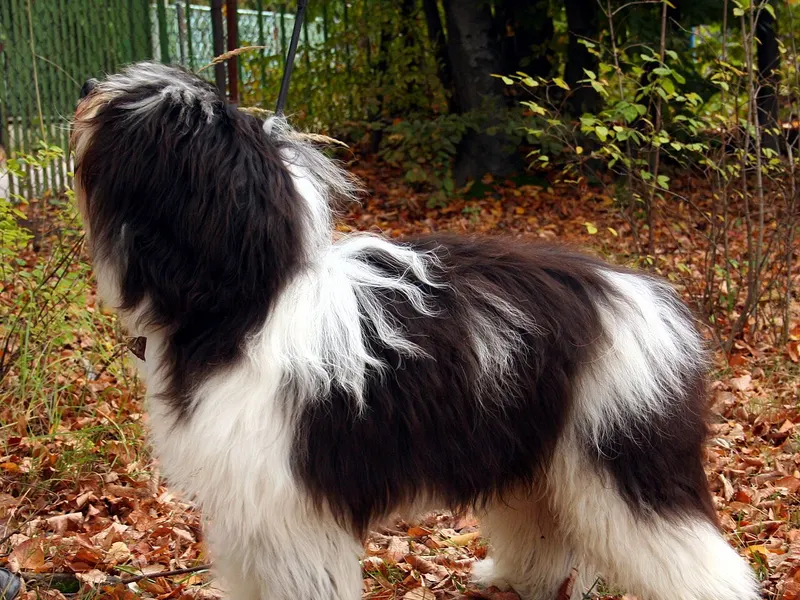
Polish shepherds developed this shaggy, medium-sized herder over centuries in the lowland regions of Poland, and breed historians widely believe it descends at least in part from Central Asian herding dogs brought west along historical trade routes, later crossed with local Polish sheepdog stock to produce the breed known domestically as the Polski Owczarek Nizinny, or PON for short. The breed's Polish homeland absorbed some of World War II's heaviest wartime losses, and the Polish Lowland Sheepdog came remarkably close to disappearing entirely along with it, before a small number of dedicated postwar breeders, working from very few surviving dogs, rebuilt the population essentially from scratch. That near-extinction and recovery story is a genuinely central part of the breed's modern identity, and Polish breed clubs today treat the PON as something of a national heritage breed precisely because of how narrowly it survived. AKC recognition came in 2001, and the breed remains modestly popular in the US, known mostly among owners specifically drawn to its shaggy sheepdog silhouette and Central European herding history.
Common health predispositions
- Hip dysplasia
- Hypothyroidism
- Generally hardy
Temperament
Independent-minded but genuinely intelligent, the Polish Lowland Sheepdog carries real herding instincts wrapped in a notably self-assured personality — this is a breed that thinks for itself rather than simply waiting for direction, a trait bred deliberately into dogs that historically worked flocks somewhat independently of close shepherd supervision. Families generally find the PON affectionate and good with children once properly socialized, and the breed tends to do well with other household pets too. Genuine alertness toward strangers and unfamiliar situations comes standard, making the PON a naturally watchful presence at home without tipping into outright aggression in a properly raised dog. Polish and American breed clubs alike actively promote the PON's herding heritage through trials and working demonstrations, treating those events as a genuine link back to the breed's near-extinction and recovery story.
Living with a Polish Lowland Sheepdog
This working-bred herder stays satisfied on about an hour of daily activity, and it genuinely appreciates having a job or puzzle to work through rather than just physical exercise alone. That long, dense, shaggy double coat is the real ongoing commitment here — regular, thorough brushing is non-negotiable to prevent matting under all that hair. Hip dysplasia and hypothyroidism are the main items to raise with a breeder, though the PON is generally considered a fairly hardy breed overall. Independent thinking paired with real herding drive suits an owner who wants an engaged working companion and won't be frustrated by a dog that occasionally has its own ideas about a task. Given the breed's dramatic near-extinction in Poland during World War II, US breeders remain limited in number, so expect a wait rather than an immediate placement, with rescue options correspondingly scarce. The heavy coat's grooming demands are the main recurring cost beyond typical medium-breed food and veterinary basics.
FAQ
What does PON stand for?
Polski Owczarek Nizinny, the breed's Polish name, which translates roughly to Polish Lowland Sheepdog — the English name used by the AKC and most Western kennel clubs is a fairly direct translation of the original Polish.
Did the Polish Lowland Sheepdog nearly go extinct?
Yes, genuinely — the breed's Polish homeland absorbed some of the war's heaviest losses, and it took a small number of dedicated postwar breeders working from very few surviving dogs to rebuild the population essentially from scratch.
Is a Polish Lowland Sheepdog good with kids?
Usually, once properly socialized — most individuals make affectionate family companions and tend to accept other household pets too, though the breed's independent streak means consistent training still matters.
How much grooming does a PON need?
A real, ongoing commitment — the long, dense, shaggy double coat needs thorough, regular brushing to prevent matting, making this one of the higher-maintenance coats in the Herding Group.
Is the Polish Lowland Sheepdog easy to train?
Moderately, though its genuine independent streak means it thinks for itself more than some other herding breeds, a trait bred deliberately into dogs that historically worked somewhat apart from close shepherd supervision.
Does the PON's shaggy coat cover its eyes on purpose?
Largely, yes — the breed standard actually calls for hair falling forward over the eyes, a look some breed historians link to genuine sun and weather protection while working outdoors on the Polish lowlands, though many pet owners today trim the fringe shorter simply so the dog can see more comfortably day to day.
How big does a Polish Lowland Sheepdog get?
A solidly built medium dog, generally 30 to 50 pounds and standing 17 to 20 inches at the shoulder — compact and low to the ground compared with many herding breeds, a build well suited to working close to a flock rather than covering wide-open terrain at speed.
Related on FetchBreed
Whichever breed fits your life, consider adoption or breed-specific rescue first — many purebred and mixed-breed dogs and cats are already waiting for homes.
General breed information, not veterinary advice — consult a vet for your pet's specific health, diet, and behavior needs.