Terrier Group
Irish Terrier
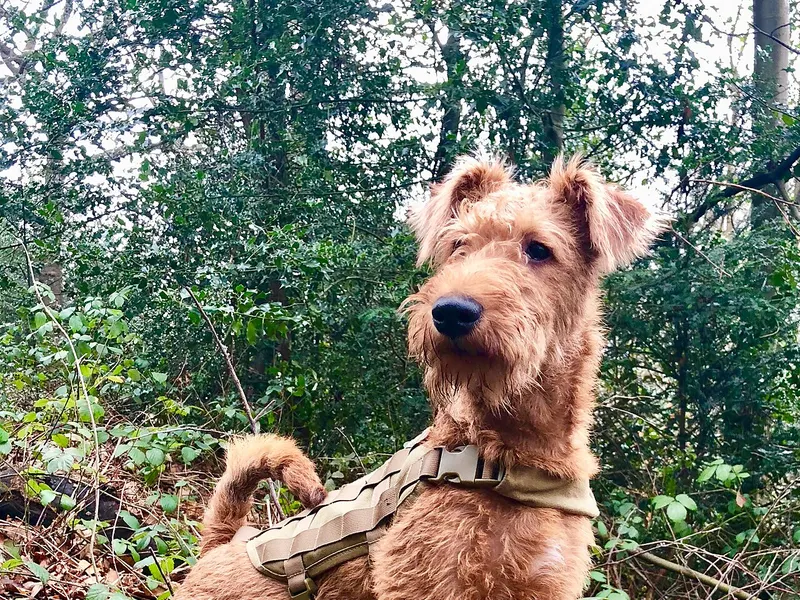
Among the oldest of the Irish terrier breeds, the Irish Terrier's exact origins are difficult to trace precisely, but the breed was well established in Ireland by the 19th century, developed as a versatile farm dog capable of ratting, guarding, and general vermin control across Irish homesteads. The breed earned a distinctive nickname, the "Daredevil," for its documented fearlessness in both hunting and, later, wartime service — Irish Terriers served as messenger and sentry dogs for British and Irish forces during World War I, a role that drew directly on the breed's natural boldness and loyalty under pressure. Irish Terrier Clubs on both sides of the Atlantic have long promoted the breed's wartime service history as a point of pride, and memorial accounts from WWI regimental records specifically credit individual Irish Terriers with carrying messages under fire, a documented contribution rare among purebred dog breeds generally. AKC recognition came in 1885, among the earlier terrier breeds the club formally recognized. The breed's wiry, dense red coat isn't purely aesthetic — it developed specifically to withstand the wear of daily farm and vermin-control work, and the breed's history of genuine wartime service stands out among terrier breeds, most of which were developed purely for hunting or companion roles rather than any documented military function.
Common health predispositions
- Hyperkeratosis (footpad)
- Cystinuria
- Hip dysplasia
Temperament
Fiercely loyal and genuinely fearless, the Irish Terrier carries real substance behind its elegant red coat, a breed that historically earned its "Daredevil" nickname through documented boldness in both hunting and wartime work. Intense family bonds are the norm, alongside real reserve or assertiveness toward unfamiliar dogs — both traits that echo the breed's farm-guarding heritage. This is a breed with real spirit and independence, not a purely decorative companion, and it tends to do best with an owner who respects that rather than trying to suppress it entirely. The breed's watchdog instincts remain genuinely sharp too, a holdover from its farm-guarding role, and most individuals will announce visitors or anything unusual with real conviction despite a build that's more mid-sized than imposing. Irish Terrier breed clubs often describe the ideal temperament using the phrase "heart of a lion," a characterization that shows up repeatedly in historical breed literature going back over a century and one still used informally by fanciers today.
Living with a Irish Terrier
An hour of real daily activity suits this substantial, energetic terrier well, and structured training or a job of some kind channels the breed's natural intelligence productively. Maintaining the dense, wiry red coat's harsh texture takes hand-stripping once or twice yearly, with regular brushing in between so it doesn't mat. Hyperkeratosis, a footpad thickening condition documented at an elevated rate in this specific breed, is worth asking a breeder about directly, alongside cystinuria — a hereditary condition affecting how the kidneys process certain amino acids — and standard hip dysplasia screening. A household drawn to the breed's genuine boldness and loyalty, and willing to invest in the coat-care commitment and firm, consistent training this terrier needs, tends to do well; anyone hoping for a purely mellow, low-maintenance companion should look elsewhere. Irish Terrier rescue exists through dedicated breed clubs in the US, though this breed's population runs smaller than more familiar terriers, so real patience is usually part of the process. Monthly costs land in the moderate range for a mid-sized terrier, with the periodic hand-stripping appointment representing the largest recurring line item beyond routine food and vet care.
FAQ
Why is the Irish Terrier called the 'Daredevil'?
The nickname reflects the breed's documented fearlessness in both hunting and wartime work — Irish Terriers served as messenger and sentry dogs during World War I, a role that drew directly on the breed's natural boldness and loyalty under real pressure.
Did Irish Terriers serve in any wars?
Yes — the breed served as messenger and sentry dogs for British and Irish forces during World War I, a genuinely documented military role that sets it apart from most terrier breeds, which were developed purely for hunting or farm work rather than any wartime function.
How much grooming does an Irish Terrier need?
A real ongoing commitment — the dense, wiry red coat only keeps its harsh, weather-resistant texture with a hand-strip once or twice yearly, backed up by regular brushing so it doesn't mat in between.
What health conditions are specific to the Irish Terrier?
Hyperkeratosis, a footpad thickening condition, occurs at an elevated rate in this specific breed, alongside cystinuria, a hereditary condition affecting how the kidneys process certain amino acids — both are worth discussing directly with a breeder.
Is an Irish Terrier good with other dogs?
It varies by dog — reserve or assertiveness toward unfamiliar dogs is common enough given the breed's farm-guarding roots, and putting in the socialization work early makes a genuine difference in how an individual turns out.
Related on FetchBreed
Lists this breed appears in
Whichever breed fits your life, consider adoption or breed-specific rescue first — many purebred and mixed-breed dogs and cats are already waiting for homes.
General breed information, not veterinary advice — consult a vet for your pet's specific health, diet, and behavior needs.