Terrier Group
Glen of Imaal Terrier
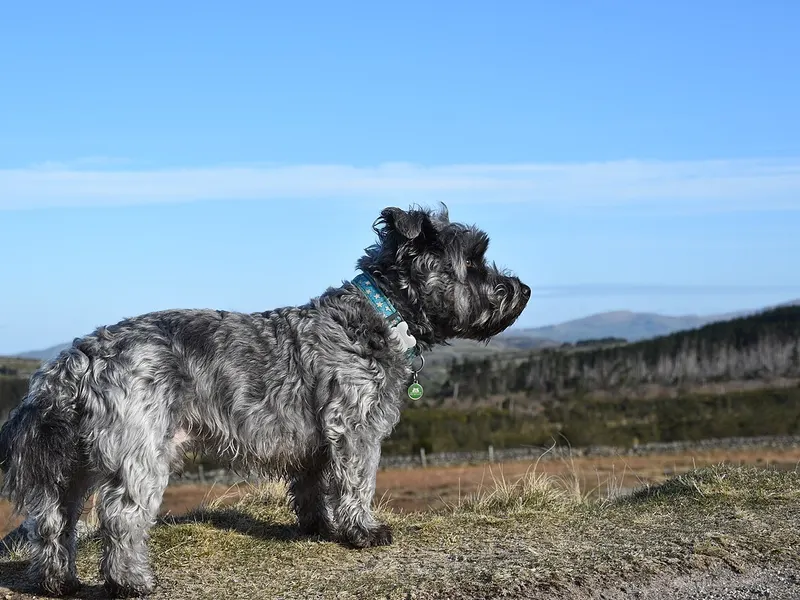
Farmers in the remote Glen of Imaal valley in County Wicklow, Ireland developed this sturdy terrier over centuries to handle general farm vermin control, and unusual for a terrier breed, local tradition also put the Glen of Imaal Terrier to work as a turnspit dog, running inside a wheel mechanism that turned meat over an open fire, a genuinely distinctive historical job most other terrier breeds never performed. Breed lore holds that the Glen of Imaal Terrier was deliberately bred to work silently underground, without the barking most other terriers use to signal a hunter, though the historical basis for this specific claim is difficult to verify with certainty and remains somewhat debated among breed historians. The breed's distinctively bowed front legs and substantial, low-slung build reflect genuine farm-working function, giving it real digging power and stability for tackling badger and fox in their dens despite carrying more bone and muscle than many other terrier breeds of similar height. AKC recognition came in 2004, remarkably late given the breed's genuinely old Irish farming roots, and the Glen of Imaal Terrier remains one of the rarer AKC-recognized terrier breeds even now, appealing mostly to dedicated fanciers aware of its distinctive working history.
Common health predispositions
- Hip dysplasia
- Progressive retinal atrophy
- Patellar luxation
Temperament
Notably calmer and quieter than many terrier breeds, the Glen of Imaal Terrier carries a working temperament shaped by its farm-dog history rather than the higher-strung intensity typical of terriers bred purely for vermin sport. Genuine affection at home pairs with real physical toughness in most individuals, a combination breed fanciers often trace back to the Glen's demanding history as a farm all-rounder rather than a single-purpose specialist. Real terrier stubbornness remains part of the package too, though, and training benefits from patient consistency rather than repetition given the breed's independent streak. Irish breed enthusiasts today actively work to raise the Glen of Imaal Terrier's international profile, and dedicated American and Irish clubs alike host events specifically aimed at introducing the breed to people who've simply never encountered one before.
Living with a Glen of Imaal Terrier
Sturdy rather than hyperactive describes this terrier's exercise profile well — 45 minutes a day is plenty. The medium-length, harsh double coat holds its proper texture only with a consistent brushing habit and the occasional hand-strip session. Hip dysplasia and progressive retinal atrophy both call for straight answers from a breeder, and patellar luxation fills out the remainder of the checklist. Genuine physical toughness, a calmer baseline than most terriers, and that unusual farm-and-turnspit backstory make this breed appealing to a household that's also ready to stay consistent with training given the Glen's real independent streak. Even within AKC terrier circles this breed stays genuinely rare, and rescue placements are close to nonexistent, so a direct relationship with an active breeder is really the only realistic route to a puppy. Periodic hand-stripping sessions are the main grooming-related cost that separates this breed's budget from a smooth-coated terrier of similar size.
FAQ
What is a turnspit dog?
A historical working role, genuinely unusual among terrier breeds, in which the dog ran inside a wheel mechanism that turned meat over an open fire — local tradition in Ireland's Glen of Imaal valley put this specific terrier breed to work that way for generations.
Is the Glen of Imaal Terrier a quiet breed?
Notably calmer and quieter than many terrier breeds, yes, though breed lore claiming it was deliberately bred to work silently underground without barking is difficult to verify historically and remains somewhat debated among breed historians.
Why does a Glen of Imaal Terrier have bowed front legs?
The distinctive bowed legs, along with the breed's substantial, low-slung build, developed for genuine farm-working function, giving it real digging power and stability for tackling badger and fox in their dens.
Is the Glen of Imaal Terrier rare?
Yes, genuinely — 2004 AKC recognition came late and did little to change how uncommon this breed stays even now, drawing mostly dedicated fanciers already aware of its distinctive Irish farming history.
Is a Glen of Imaal Terrier easy to train?
Not entirely — real terrier stubbornness remains part of the package despite the breed's calmer overall temperament, and training benefits considerably from patient consistency rather than repetition given its genuine independent streak.
Why does the Glen of Imaal Terrier have such short, bowed legs?
The breed was developed in a remote, rocky valley in Ireland's County Wicklow where farmers needed a low, sturdy digging terrier able to work badger and fox setts in difficult terrain, and its slightly bowed front legs, unusual among terriers, give it real digging leverage close to the ground rather than being a purely cosmetic trait.
Related on FetchBreed
Whichever breed fits your life, consider adoption or breed-specific rescue first — many purebred and mixed-breed dogs and cats are already waiting for homes.
General breed information, not veterinary advice — consult a vet for your pet's specific health, diet, and behavior needs.