Working Group
Estrela Mountain Dog
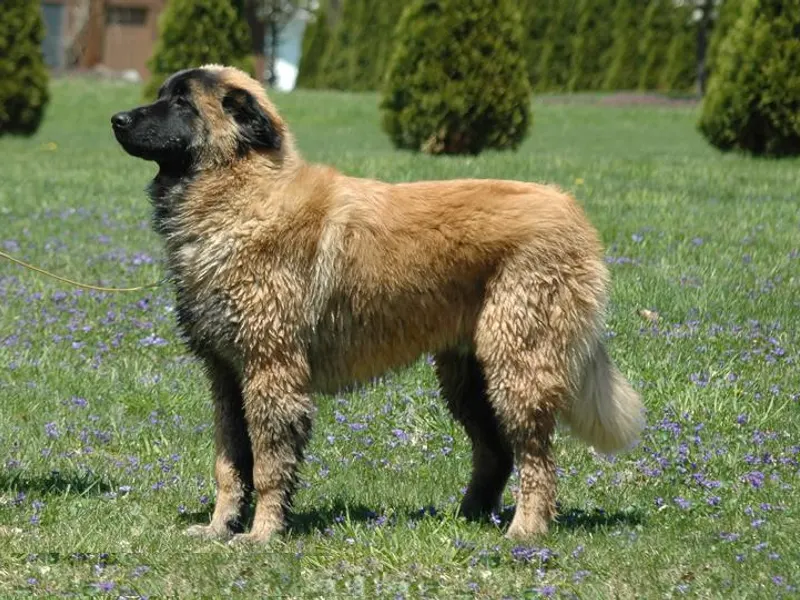
Portugal's Estrela Mountains gave this ancient breed its name, and shepherds in the region relied on it for centuries to guard flocks against wolves in genuinely harsh, remote terrain — some breed historians consider it among the oldest dog breeds native to the Iberian Peninsula, with possible ancestry connecting it to Roman-era mastiff-type dogs. The breed remained a working farm dog largely unknown outside rural Portugal until the 20th century, when formal breed standards were established and the Estrela began appearing in wider European kennel club circles; it remains rare in the US and most of North America even today, with the AKC recognizing it through its Foundation Stock Service program. The breed remained essentially a regional secret for centuries, known only within the Estrela mountain range's shepherding communities, until a formal Portuguese breed standard was finally written in 1933 — remarkably late given evidence suggesting dogs of this type had guarded Portuguese flocks for well over a thousand years beforehand. The breed's international spread has been slow and deliberate, with Portuguese breed clubs historically cautious about large-scale export.
Common health predispositions
- Hip dysplasia
- Elbow dysplasia
- Bloat
Temperament
This is a classic livestock-guardian temperament: calm, watchful, and independent-minded, a dog that historically spent long stretches with flocks and had to make its own decisions about threats without human direction. With family, Estrelas are typically affectionate and loyal, often forming close bonds, but the guarding instinct means strangers are met with genuine wariness rather than automatic friendliness. Given the breed's rarity outside its native Portugal, finding an experienced breeder who can speak honestly to temperament variation within available lines is worth the extra effort. Because the breed developed almost entirely in isolation within Portugal's mountain regions, temperament variation between individual dogs and lines can run somewhat wider than in more internationally standardized breeds, making direct conversation with a breeder about a specific litter's parent temperaments especially valuable for this particular breed.
Living with a Estrela Mountain Dog
This large, steady guardian breed isn't built for high-intensity activity so much as sustained outdoor movement, and roughly an hour of purposeful daily exercise covers what it genuinely needs. Coat type varies between a short and a long variety within the breed, and both versions shed enough during seasonal coat changes to warrant twice-weekly brushing the rest of the year. Socialization starting in puppyhood matters as much as physical exercise, given the guardian temperament and imposing size. Hip dysplasia, elbow dysplasia, and bloat round out the breed's known health picture, and because so few US breeders exist, comparing notes across multiple lines takes real extra legwork. This breed suits an owner specifically drawn to a calm, independent livestock-guardian temperament and willing to search internationally or wait for a rare US litter — it's not a realistic option for anyone wanting a readily available breed. Dedicated rescue infrastructure for this breed is essentially nonexistent in North America given how few Estrela Mountain Dogs live here, which leaves prospective owners going straight to one of the small handful of established breeders.
FAQ
Are Estrela Mountain Dogs rare in the US?
Yes, genuinely rare — the breed remains uncommon outside Portugal, and the AKC currently recognizes it through its Foundation Stock Service rather than full breed status, so finding a breeder in North America takes real research.
Do Estrela Mountain Dogs have long or short coats?
Both varieties exist within the breed, a short coat and a longer one, and either version sheds substantially enough to require regular brushing several times a week.
Are Estrela Mountain Dogs good with strangers?
Not automatically — this is a livestock-guardian breed with genuine wariness toward unfamiliar people built into its working history, so early, consistent socialization matters more than with a naturally outgoing companion breed.
How old is the Estrela Mountain Dog breed?
Genuinely ancient by most accounts, with dogs of this general type believed to have guarded Portuguese mountain flocks for well over a thousand years, even though a formal written breed standard wasn't established until 1933.
Can you easily find an Estrela Mountain Dog breeder in the US?
Not easily — the breed remains quite rare in North America, and prospective owners typically need to search internationally or accept a genuine wait for one of the very few US litters produced in a given year.
Is the Estrela Mountain Dog good with livestock other than sheep?
Generally yes — the breed's guardian instincts extend naturally to whatever livestock it's raised alongside, and Estrelas have historically protected goats, cattle, and poultry in addition to the sheep flocks most closely associated with the breed's traditional role.
How old is the Estrela Mountain Dog as a breed?
Genuinely ancient — the breed is believed to descend from some of the earliest livestock guardian dogs in the Iberian Peninsula, working the Estrela mountain range in Portugal for centuries largely unchanged before formal breed standardization began in the 20th century.
Related on FetchBreed
Lists this breed appears in
Whichever breed fits your life, consider adoption or breed-specific rescue first — many purebred and mixed-breed dogs and cats are already waiting for homes.
General breed information, not veterinary advice — consult a vet for your pet's specific health, diet, and behavior needs.