Working Group
Kuvasz
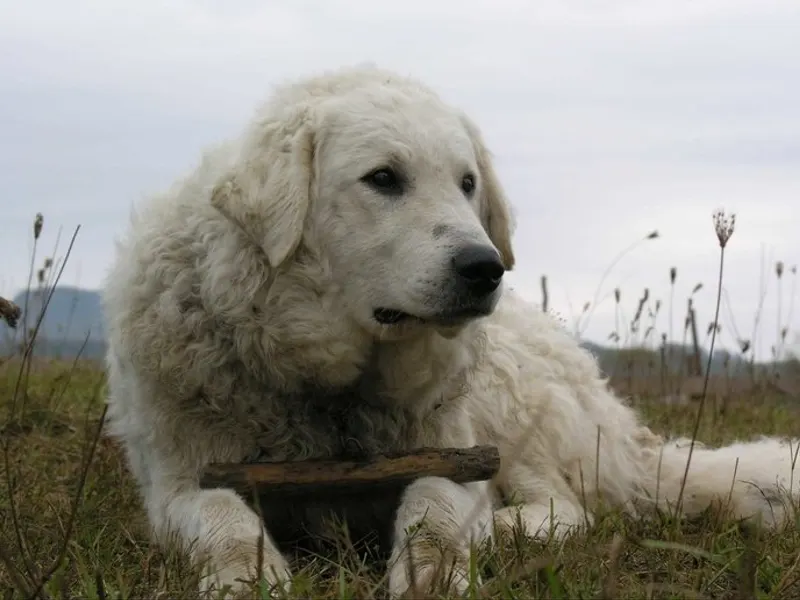
Hungarian nobility and shepherds alike valued the Kuvasz for centuries as a livestock guardian, and the breed's name is thought to derive from a Turkish word meaning armed guard of the nobility, reflecting its early status as both a working farm dog and a symbol of prestige among Hungarian royalty during the medieval period. The breed nearly disappeared during World War II when invading forces reportedly killed Kuvaszok on sight because their fierce guarding reputation made them a battlefield threat, and the postwar Hungarian population had to be rebuilt from a small number of survivors. AKC recognition dates to 1931, before the wartime near-extinction the breed later survived. King Matthias Corvinus of Hungary reportedly kept Kuvaszok as personal guards in the 15th century, trusting them over human bodyguards during a period of court intrigue, and the breed's association with royalty helped cement its reputation well beyond its working farm role. The Hungarian Kuvasz Club worked through the early 20th century to codify the breed standard before wartime devastation nearly erased that progress entirely.
Common health predispositions
- Hip dysplasia
- Osteosarcoma
- Bloat
Temperament
A Kuvasz's guardian instincts run deep and largely independent — this is a breed historically left alone with flocks for days at a time, expected to weigh threats and act on its own judgment with no human present, and that self-reliant streak hasn't faded much in the modern dog. With family, most Kuvaszok are affectionate and notably patient, but they're naturally wary of strangers and slow to warm even when introductions are handled well. Training requires real patience given the breed's independent problem-solving nature; a Kuvasz that decides a command doesn't make sense in the moment may simply not comply. The breed's history of being left alone with flocks for days at a time shaped an unusual comfort with solitary decision-making that persists in the modern dog, and while a well-socialized Kuvasz genuinely bonds with its family, it doesn't display the constant attention-seeking behavior common in more overtly needy breeds.
Living with a Kuvasz
Steady, purposeful exercise suits a Kuvasz's temperament better than frantic play, and roughly an hour of daily activity works for most individuals in this breed, which isn't built for high-intensity sporting drive. Seasonal blowouts from the coarse, wavy double coat bring on genuinely heavy shedding, and outside those stretches an owner still needs a couple of solid brushing sessions each week just to keep pace with the loose hair — allergy-sensitive households shouldn't expect relief here. Local housing rules and insurance carriers sometimes single out large guardian breeds by name, and this one's size and serious guarding instincts make that worth confirming ahead of time, and hip dysplasia, osteosarcoma, and bloat are worth screening for in a breeding line. This breed suits an experienced owner with secure fencing and genuine patience for a slow-maturing, independent-minded guardian — it's a poor match for anyone wanting a dog that responds instantly to commands or a household without room for a large, active breed. Kuvasz rescue exists through dedicated national breed-club networks given the modest US population, and adopters typically go through a fairly thorough screening process given the breed's guarding temperament.
FAQ
Are Kuvaszok good guard dogs?
Yes, genuinely — this is a breed developed specifically for independent livestock and property guarding, and that instinct is still strong, which means early socialization matters to keep natural wariness from tipping into problem behavior.
Do Kuvaszok shed a lot?
Heavily, particularly during seasonal coat blowouts, and the thick double coat sheds enough that a couple of brushing sessions weekly is the bare minimum to keep loose hair off the furniture — not a low-maintenance breed by any measure.
Is a Kuvasz easy to train?
Rarely straightforward — centuries of independent, self-directed guarding work left this breed disinclined to take instruction the way a working retriever might, so patient, consistent handling matters far more than drilling commands.
Did Hungarian royalty really keep Kuvaszok?
Yes — King Matthias Corvinus in the 15th century is documented as favoring the breed for personal protection, reportedly trusting his Kuvaszok's loyalty and judgment over that of human guards during a politically unstable period at court.
How long does it take a Kuvasz to mature?
Slower than many breeds — Kuvaszok often don't reach full physical and emotional maturity until 2-3 years old, meaning the challenging adolescent phase can stretch out longer than owners of faster-maturing breeds might expect.
Are Kuvaszok good with other dogs?
It depends heavily on socialization and the specific dogs involved — same-sex tension can surface given the breed's guardian instincts, and introductions to unfamiliar dogs generally go better when handled gradually and under supervision rather than assumed to work out naturally.
Related on FetchBreed
Lists this breed appears in
Whichever breed fits your life, consider adoption or breed-specific rescue first — many purebred and mixed-breed dogs and cats are already waiting for homes.
General breed information, not veterinary advice — consult a vet for your pet's specific health, diet, and behavior needs.