Herding Group
English Shepherd
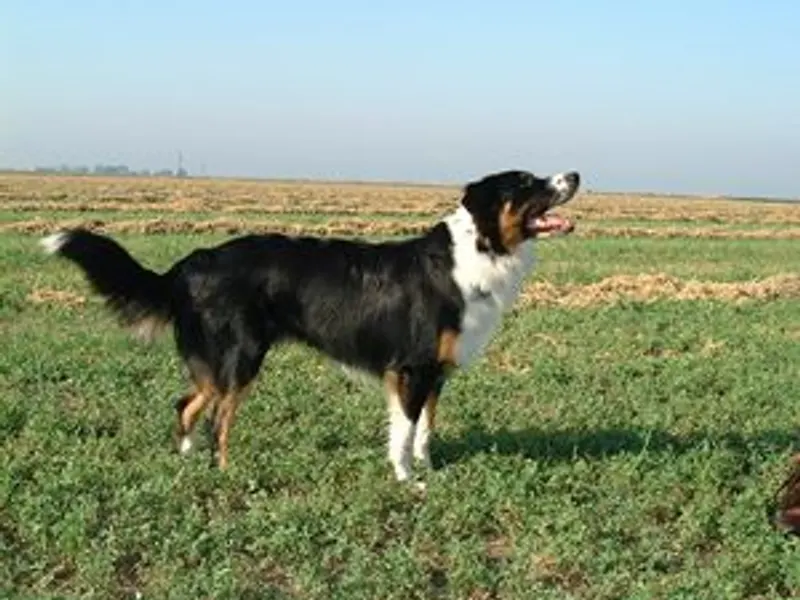
English settlers brought general farm-collie-type dogs to North America starting in the colonial era, and American farmers over subsequent generations selectively bred that imported stock specifically for practical, all-purpose farm utility — herding livestock, guarding property, and controlling vermin all in the same dog — producing what eventually became a distinct American breed rather than a simple continuation of any single English type. Unlike many herding breeds shaped substantially by formal show-ring standards, the English Shepherd developed almost entirely through working farmers' own selective breeding for functional ability, and that working-first history means the breed still shows real physical variation between individual lines even today, prioritizing soundness and versatility over cosmetic uniformity. The English Shepherd never pursued AKC recognition, remaining instead registered primarily through organizations like the English Shepherd Club and United Kennel Club rather than mainstream conformation-focused kennel clubs. This grounded, working-farm history keeps the breed genuinely popular among small-scale and hobby farmers today, even as it stays largely unknown to the broader dog-owning public.
Common health predispositions
- Hip dysplasia
- Generally healthy working-line breed with limited health-registry data
Temperament
Versatile and genuinely hardworking, the English Shepherd carries real all-purpose farm-dog instincts — herding drive, watchdog alertness, and even some vermin-hunting inclination all show up in the same animal, a direct legacy of generations spent bred for broad practical utility rather than any single specialized task. Kids typically rank high on this breed's list of favorite people, and most English Shepherds pair real affection toward their own household with a genuine protective streak that shows up without tipping into over-guarding. That same versatility extends to trainability — English Shepherds are consistently described by working owners as quick learners eager to take on a job, whether that's herding, general obedience, or simply keeping an eye on the property. Real wariness toward unfamiliar dogs sometimes shows up too, a trait that working farm breeders have generally selected alongside rather than against, given the breed's traditional guarding role.
Living with a English Shepherd
This is a working farm dog through and through, and it genuinely wants a real 75 minutes of activity daily at minimum, ideally with an actual job attached rather than exercise for its own sake. The medium-length, dense double coat sheds substantially but doesn't demand much beyond regular brushing to manage it. Because this breed's whole history sits outside mainstream kennel-club structures, comprehensive health-registry statistics simply don't exist the way they do for AKC conformation breeds — hip dysplasia is the structural issue breeders and owners flag most often, and beyond that the working lines are generally considered hardy and sound. Real versatility and genuine family devotion make the English Shepherd an excellent fit for an active household, particularly one with actual property or livestock to manage, though it can adapt to suburban life given enough real daily outlet. The English Shepherd Club and regional working-dog networks are the more realistic paths to a puppy or rescue than mainstream shelters, given how far outside conventional kennel-club channels this breed operates. Feeding and routine vet care make up most of the budget here, a genuinely ordinary cost profile for a medium dog compared with breeds carrying real grooming or specialty-vet overhead.
FAQ
Is the English Shepherd AKC recognized?
No — the breed developed almost entirely through American working farmers' own selective breeding rather than formal show-ring standards, and it never pursued AKC recognition, remaining instead registered primarily through the English Shepherd Club and United Kennel Club.
What's the difference between an English Shepherd and a Border Collie?
Both are working herding breeds, but the English Shepherd developed as a genuinely all-purpose American farm dog handling herding, guarding, and vermin control together, while the Border Collie was bred more narrowly and intensively for pure sheep-herding ability and drive.
Is an English Shepherd good with kids?
Yes, typically — most individuals pair genuine affection toward their own family with a natural, well-controlled protectiveness, an outcome of generations bred for all-purpose farm and family utility at once.
Why do English Shepherds look different from each other?
Working farmers bred this dog for functional ability rather than any formal show-ring standard, so individual lines still show real physical variation today, with soundness and versatility having always mattered more than cosmetic uniformity.
How much exercise does an English Shepherd need?
A real commitment — figure on 75 daily minutes at minimum, and this breed does noticeably better with an actual job or purpose attached to that activity rather than exercise for its own sake.
Is the English Shepherd the same as an Australian Shepherd?
No, and the resemblance is mostly superficial — the two developed independently, the English Shepherd from colonial-era farm collies bred purely for utility across generations of American farms, the Australian Shepherd from a separate line of herding stock despite the misleading name suggesting Australian origins; their coats and coloring can look similar, but the breeds aren't closely related.
Related on FetchBreed
Whichever breed fits your life, consider adoption or breed-specific rescue first — many purebred and mixed-breed dogs and cats are already waiting for homes.
General breed information, not veterinary advice — consult a vet for your pet's specific health, diet, and behavior needs.