Terrier Group
Sealyham Terrier
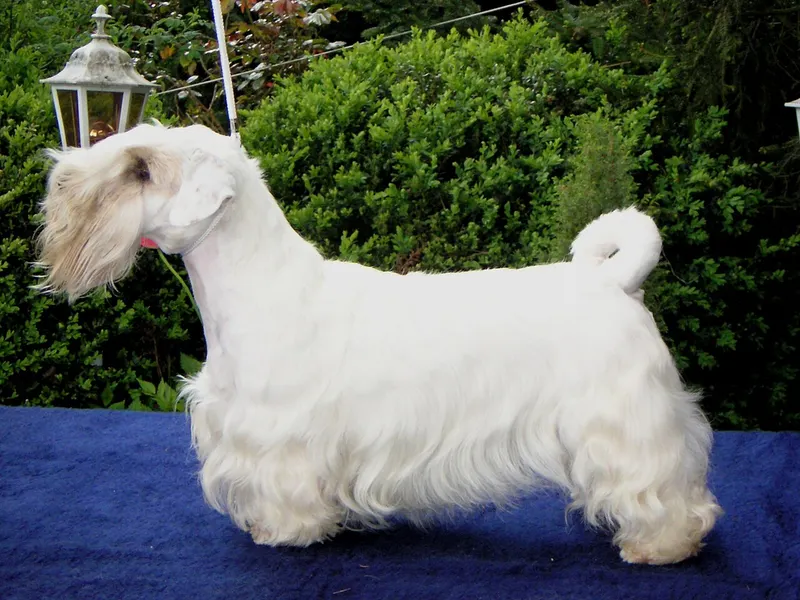
Captain John Edwardes developed this breed on his Sealyham estate in Wales during the mid-19th century, deliberately crossing several existing terrier types to produce a dog capable of going to ground after badger and otter across the harsh Welsh countryside, a working goal that shaped the breed's sturdy, low build and famously game temperament. The Sealyham Terrier enjoyed real celebrity status in the early-to-mid 20th century, with numerous Hollywood stars of the era, including Elizabeth Taylor and Cary Grant, photographed as devoted owners, a level of mainstream visibility the breed hasn't come close to matching since. That fall from popularity has been genuinely dramatic — the UK Kennel Club has repeatedly listed the Sealyham Terrier among its most vulnerable native breeds, with annual registration numbers low enough to raise real conservation concern among breed historians, a stark contrast to its earlier celebrity-endorsed heyday. AKC recognition dates to 1911, and despite that long American history, the breed remains genuinely uncommon in the US today, appealing mostly to dedicated terrier enthusiasts aware of its distinguished but increasingly overlooked history.
Common health predispositions
- Lens luxation
- Retinal dysplasia
- Deafness
Temperament
Feisty and genuinely game despite its rather distinguished appearance, the Sealyham Terrier carries real terrier confidence and independence, a working temperament shaped by its original badger-and-otter-hunting purpose. Family devotion runs deep, and most individuals show real affection at home balanced by genuine alertness and a willingness to voice an opinion about visitors or anything unusual. That combination of scrappy terrier spirit and a somewhat formal, almost dignified physical bearing gives the Sealyham a genuinely distinctive personality among terrier breeds, one that longtime fanciers describe as having real presence despite the breed's modest size. Dedicated Sealyham Terrier clubs in both the UK and US continue actively promoting the breed specifically to counter its declining numbers, organizing meetups and educational events aimed at reintroducing prospective owners to a breed many people have simply never heard of.
Living with a Sealyham Terrier
This is a comparatively easy terrier exercise-wise — roughly 45 minutes a day, without the higher-intensity demands some other working terriers make. Keeping the wiry white topcoat's texture right over its soft undercoat calls for frequent brushing at home, plus a hand-strip or clip every so often from someone who knows the breed. Lens luxation and retinal dysplasia are the two eye conditions worth flagging with a breeder directly, and documented deafness in the breed rounds out the health list. Real celebrity pedigree and a distinguished, moderately independent temperament appeal to a specific kind of owner — one genuinely willing to commit to that coat-care schedule in return for a dog with real presence. Between the UK Kennel Club's repeated warnings about the breed's vulnerable status and how few dedicated breeders exist stateside, finding a Sealyham puppy at all is the real challenge here, well before rescue availability even enters the picture. Grooming appointments are the standout recurring cost for this small terrier, on top of otherwise ordinary food and veterinary basics.
FAQ
Was the Sealyham Terrier really a celebrity dog?
Yes, genuinely — numerous Hollywood stars of the early-to-mid 20th century, including Elizabeth Taylor and Cary Grant, were photographed as devoted Sealyham Terrier owners, giving the breed a level of mainstream visibility it hasn't matched since.
Is the Sealyham Terrier an endangered breed?
Effectively yes — the UK Kennel Club keeps flagging it as one of its most vulnerable native breeds, and annual registration numbers stay low enough to worry breed conservationists despite its distinguished celebrity-endorsed heyday.
Which terrier breeds were crossed to create the Sealyham Terrier?
Captain Edwardes never left a fully documented breeding recipe, but breed historians generally believe he combined Welsh Corgi stock for low stature with the West Highland White Terrier, the Dandie Dinmont Terrier, and possibly the now-extinct Cheshire Terrier to build the Sealyham's sturdy, white, wire-coated type. Like many working terriers of the era, that makes it a genuinely composite breed assembled from whatever regional stock best suited the specific hunting job, rather than descended from one clean ancestral line.
How much grooming does a Sealyham Terrier need?
A real ongoing commitment — the wiry white topcoat over a soft undercoat stays in proper shape only with frequent brushing and either hand-stripping or clipping on a recurring schedule.
Is a Sealyham Terrier easy to find in the US?
Not really — the breed's genuinely critical rarity worldwide means rescue placements are close to unheard of, and getting a puppy at all usually means reaching out directly to one of the very few active domestic breeders and being patient.
Is the Sealyham Terrier a rare breed today?
Yes, genuinely rare — the Kennel Club in the UK has repeatedly listed it among its Vulnerable Native Breeds, with annual registrations far below historic levels despite the breed's popularity in the early 20th century among celebrities and country estates, and its low numbers today make finding a breeder a more involved process than for most AKC breeds.
Related on FetchBreed
Whichever breed fits your life, consider adoption or breed-specific rescue first — many purebred and mixed-breed dogs and cats are already waiting for homes.
General breed information, not veterinary advice — consult a vet for your pet's specific health, diet, and behavior needs.