Herding Group
Pyrenean Shepherd
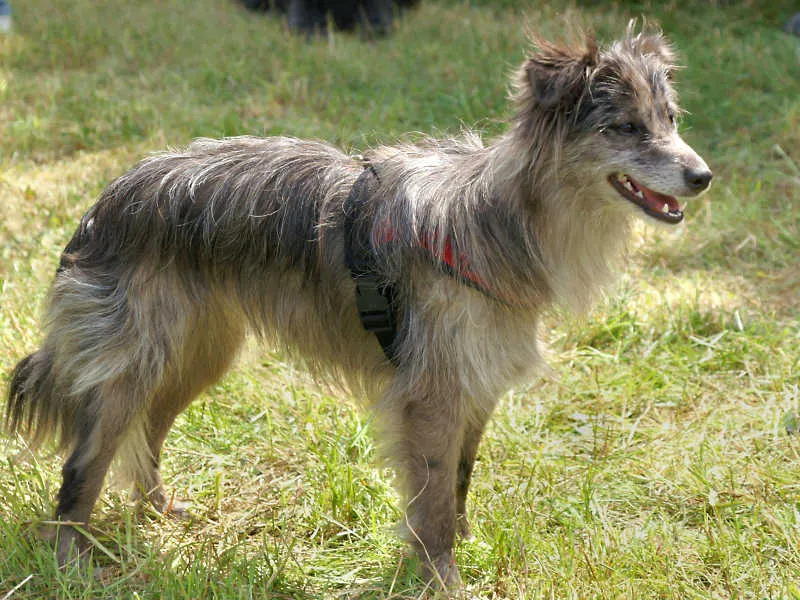
French shepherds in the Pyrenees mountains developed this small, energetic herder over centuries to work alongside the much larger Great Pyrenees, splitting the flock-management duties between the two breeds — the Pyrenean Shepherd handled the quick, agile herding work while the Great Pyrenees guarded against predators, a genuinely complementary working partnership between two breeds from the same mountain range. Two coat varieties exist within the breed, rough-faced and smooth-faced, both working the same herding role but differing enough in appearance that newcomers sometimes assume they're separate breeds entirely. The Pyrenean Shepherd remained largely unknown outside its native French mountain region for a remarkably long time, arriving in the US only in the late 20th century and gaining AKC recognition in 2009, a comparatively recent addition to the American Herding Group despite the breed's genuinely centuries-old European working history. Domestically, few AKC herding breeds are harder to actually find than this one.
Common health predispositions
- Hip dysplasia (lower rate given small size)
- Patellar luxation
- Progressive retinal atrophy
Temperament
Extremely energetic and quick-witted, the Pyrenean Shepherd carries real herding drive in a notably small, wiry frame, and that combination of intensity and small size sometimes surprises people expecting a more sedate companion from such a diminutive breed. Genuine devotion to its own family runs deep, often to the point of shadowing one particular person closely, though real wariness with strangers and other dogs means early socialization matters quite a bit for this breed specifically. Real intelligence and a genuinely inquisitive nature make the Pyrenean Shepherd a fast learner, and the breed tends to excel at agility and herding trials where that quick thinking has a legitimate outlet. French and American breed clubs alike emphasize the working partnership history with the Great Pyrenees as central to understanding this breed's actual temperament and drive.
Living with a Pyrenean Shepherd
Don't underestimate this small dog's stamina — a genuine 75 minutes of vigorous activity plus real mental engagement is closer to the true minimum, reflecting the breed's history as a tireless mountain herding dog. Coat care depends on which variety an individual carries: the rough-faced coat needs more regular brushing to manage its longer, harsher texture, while the smooth-faced coat is considerably lower-maintenance. Given the breed's small size, hip dysplasia shows up at a comparatively lower rate than in larger herding breeds, though patellar luxation and progressive retinal atrophy both belong on the breeder-screening list. Real intensity and genuine one-person devotion suit an active owner who wants a highly engaged working partner rather than a low-key lap dog. Rescue placements are genuinely uncommon given how small the US population still is, so most interested owners contact one of the handful of domestic breeders directly and simply wait their turn. Costs run fairly modest given the small size, though an active household should budget for agility or herding-class fees if pursuing the outlets this breed genuinely needs.
FAQ
Why did the Pyrenean Shepherd work alongside the Great Pyrenees?
The two breeds developed a genuinely complementary working partnership in the French Pyrenees — the small, agile Pyrenean Shepherd handled the quick herding work while the much larger Great Pyrenees guarded the flock against predators, each doing the job its build suited.
What's the difference between rough-faced and smooth-faced Pyrenean Shepherds?
They're coat varieties within the same breed rather than separate breeds — the rough-faced coat is longer and harsher-textured, needing more regular brushing, while the smooth-faced coat is shorter and considerably lower-maintenance.
Is a Pyrenean Shepherd a good first dog?
Not typically — the breed's real intensity, genuine wariness with strangers, and near-constant need for mental and physical engagement suit a seasoned, active handler far more comfortably than a first-time owner.
How much exercise does a Pyrenean Shepherd need?
A genuine amount despite its small size — around 75 minutes of vigorous daily activity plus real mental work, reflecting centuries spent as a tireless working herder in mountainous terrain.
Is the Pyrenean Shepherd rare in the US?
Yes — AKC recognition only came in 2009, and the domestic population still hasn't caught up, so prospective owners should expect a genuine wait on a short list of established breeders.
How big does a Pyrenean Shepherd get?
Genuinely tiny for a herding breed — typically 15 to 30 pounds and only 15 to 18.5 inches tall, among the smallest dogs the American Herding Group recognizes, a build that let it dart quickly around a flock's edges while the far larger Great Pyrenees held ground against predators.
Does the Pyrenean Shepherd compete in dog sports?
Increasingly, yes — the breed's quick reflexes and near-constant need for mental work translate well to agility and flyball, and French and American clubs both report growing participation in herding trials specifically designed to test the breed's traditional close, fast-moving working style rather than the wider-ranging pattern larger herders use.
Related on FetchBreed
Whichever breed fits your life, consider adoption or breed-specific rescue first — many purebred and mixed-breed dogs and cats are already waiting for homes.
General breed information, not veterinary advice — consult a vet for your pet's specific health, diet, and behavior needs.