Terrier Group
Bedlington Terrier
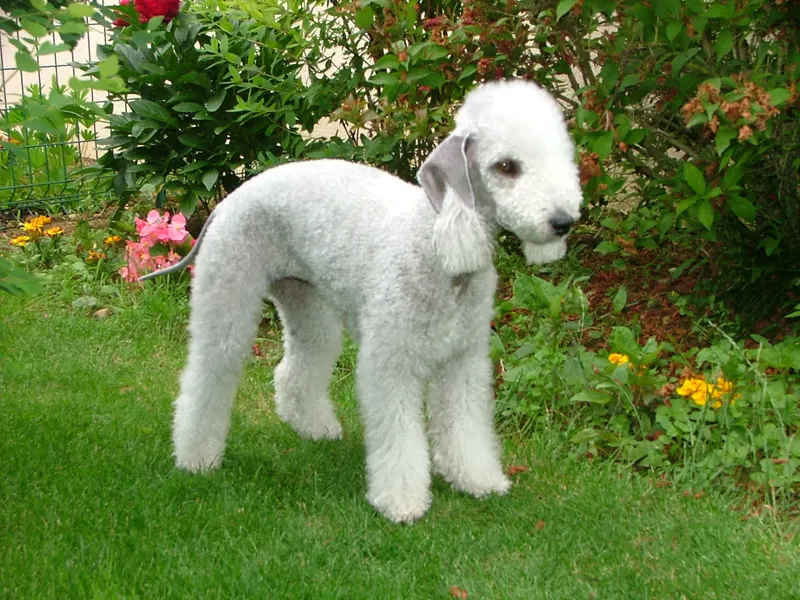
Named for Bedlington, a mining town in Northumberland, England, this terrier developed in the early 19th century among mining communities that needed a dog capable of ratting in the pits as well as coursing small game aboveground, bred with a notable dash of Whippet blood that shows clearly in the breed's distinctive arched topline and lamb-like silhouette. That lamb-shaped appearance, produced by a curly, non-shedding coat trimmed into a distinctive rounded profile, sets the Bedlington Terrier apart visually from nearly every other terrier breed at a glance, a look genuinely unusual enough that people unfamiliar with the breed frequently mistake it for something other than a dog entirely. The breed nearly disappeared from the show ring in the mid-20th century before dedicated fanciers on both sides of the Atlantic rebuilt interest through the 1950s and 60s, and it remains today a genuinely uncommon sight even among experienced dog enthusiasts despite its long AKC recognition. AKC recognition came in 1886. The Whippet influence in the breed's ancestry contributes more than just the arched back — it's part of why the Bedlington retains real coursing speed and a genuine prey drive uncommon among most terrier breeds, which more typically specialized in digging and ratting rather than open-ground chasing.
Common health predispositions
- Copper toxicosis (hereditary liver disease)
- Retinal dysplasia
- Distichiasis
Temperament
Beneath the distinctive lamb-like coat sits a genuine terrier temperament — spirited, alert, and capable of real assertiveness with unfamiliar dogs, a trait that surprises people expecting the breed's gentle appearance to predict a purely mellow personality. Most individuals are deeply affectionate and loyal with their own family, and the Whippet-influenced build gives the breed real athletic speed when it decides to run. Early socialization matters for managing the breed's terrier-typical wariness around other dogs and its genuine prey drive toward smaller animals. Despite the coursing ancestry, most Bedlingtons settle into a genuinely calm indoor presence once their exercise needs are met, a combination of real athleticism and household composure that distinguishes the breed from more relentlessly high-strung terriers.
Living with a Bedlington Terrier
Moderate exercise, roughly 45 minutes a day, is enough to satisfy this terrier day to day, though the breed genuinely appreciates the occasional chance to open up and run given its coursing-dog ancestry. Coat care is where the real ongoing commitment sits: the thick, curly, non-shedding coat needs a trim roughly every 6-8 weeks from a groomer who knows the breed's distinctive rounded shape, with brushing in between visits — in return, the coat sheds remarkably little around the house. Copper toxicosis — a hereditary liver disease in which the body fails to properly process dietary copper, closely related to Wilson's disease in humans — is a genuine breed-specific concern that responsible breeders test for directly, alongside retinal dysplasia and distichiasis, a condition involving abnormal eyelash growth that irritates the eye. A household drawn to the breed's unusual look and genuinely willing to commit to the specialized grooming schedule, plus firm socialization around other dogs, tends to do well with a Bedlington Terrier. Breed-specific rescue exists through dedicated Bedlington Terrier clubs in the US, a better resource than a general shelter given how distinctive and specialized this breed's grooming needs are. Monthly costs run on the higher end for a small terrier once the specialized grooming appointments are factored in, a real budget line beyond typical food and veterinary expenses.
FAQ
Why does a Bedlington Terrier look like a lamb?
The breed's arched topline, inherited partly from Whippet ancestry, combined with a curly, non-shedding coat trimmed into a distinctive rounded profile by groomers, produces a silhouette genuinely unusual enough among dog breeds that it's often compared to a small lamb.
Does a Bedlington Terrier shed?
Very little — the thick, curly coat is closer to non-shedding than most breeds, similar in that respect to a Poodle, though it needs professional trimming roughly every 6-8 weeks to maintain its shape and prevent matting.
What is copper toxicosis in Bedlington Terriers?
It's a hereditary liver disease, genuinely specific and well-documented in this breed, in which the body fails to properly process dietary copper, leading to toxic buildup in the liver over time — responsible breeders test directly for the genetic marker before breeding.
Is a Bedlington Terrier a calm dog?
Moderately so compared to some other terriers, but genuine terrier spirit and assertiveness with unfamiliar dogs still sits underneath the gentle-looking coat, and the breed's Whippet-influenced build gives it real athletic speed when it wants to run.
Why was the Bedlington Terrier originally bred?
English mining communities in Northumberland developed the breed in the early 19th century for ratting in the pits as well as coursing small game aboveground, crossing in Whippet blood for extra speed and agility beyond what a typical terrier build offered.
Related on FetchBreed
Whichever breed fits your life, consider adoption or breed-specific rescue first — many purebred and mixed-breed dogs and cats are already waiting for homes.
General breed information, not veterinary advice — consult a vet for your pet's specific health, diet, and behavior needs.