Non-Sporting Group
Finnish Spitz
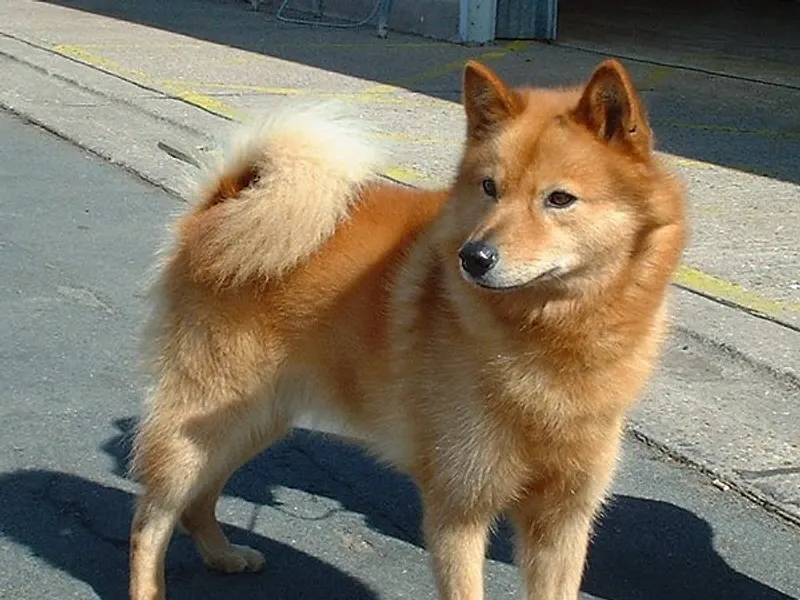
Finland's national dog breed, the Finnish Spitz developed over centuries among Finnish hunters as a "bark pointer," a genuinely distinct working method from most pointing or flushing breeds — rather than staying silent, the dog trails game like grouse or squirrels, then barks continuously and rapidly once the animal is treed or cornered, alerting the hunter to its exact location through sound rather than a visual point. That barking behavior isn't incidental to the breed but the entire functional point of it, and Finnish hunters historically judged working dogs partly on bark quality and rhythm, a genuinely unusual selection criterion among sporting and hunting breeds worldwide. Finnish breed clubs have historically held organized barking competitions judging dogs on the number and quality of barks produced in a set time period, a genuinely unusual formal event among purebred dog sports worldwide and a direct extension of the same criteria hunters once used to judge working stock. AKC recognition came in 1988. Finland formally designated the Finnish Spitz its national dog breed, a distinction reflecting deep cultural roots stretching back centuries among Finnish hunting communities, and the breed's foxlike golden-red coat and upright, pricked ears remain closely associated with Finnish national identity in ways few other countries' national-breed designations carry as strongly.
Common health predispositions
- Hip dysplasia
- Patellar luxation
- Epilepsy
Temperament
Lively, alert, and famously vocal, the Finnish Spitz channels its real hunting drive into everyday watchfulness and, characteristically, a genuine willingness to bark — this is a breed selectively bred for centuries specifically to vocalize readily, not one where barking reflects a training failure. Family affection runs strong and most individuals get along reasonably well with children, and the breed's foxlike appearance and animated, expressive personality make it a genuinely engaging companion for an owner who doesn't mind the noise. Independence runs moderately strong, a trait consistent with the breed's history working somewhat autonomously once it located game. Most individuals are also notably clean and fastidious for a dog, a trait sometimes compared informally to cat-like grooming habits, and the breed's coat has a natural tendency to resist dirt and odor better than many other double-coated spitz breeds. Loyalty to family runs genuinely deep too, and many Finnish Spitz owners describe the breed as forming an especially close bond with one household member in particular, a preference pattern common among spitz breeds generally but frequently remarked upon by this breed's fanciers specifically.
Living with a Finnish Spitz
This energetic spitz breed does well on roughly an hour of daily activity, and scent-based games or activities put its genuine bark-pointing instincts to productive use. Seasonal blowouts aside, the dense, harsh, golden-red double coat sheds substantially, and staying ahead of the loose hair takes a solid brushing routine several times weekly. Hip dysplasia and patellar luxation are the two most worth flagging, and epilepsy rounds out the list to raise with a knowledgeable breeder. Real tolerance for frequent, loud vocalization is the price of admission for this breed's distinctive foxlike look and lively personality; noise-sensitive apartment living and a Finnish Spitz make for a difficult combination given how central barking is to its entire working design. This breed's population outside Finland stays modest, so dedicated US rescue is uncommon, and interested adopters typically work through the relatively small number of dedicated US breeders. Monthly costs run moderate for a mid-sized breed, with the substantial seasonal shedding meaning grooming tools and possibly professional deshedding sessions are worth budgeting for.
FAQ
Why does a Finnish Spitz bark so much?
The breed was bred over centuries specifically as a 'bark pointer' — rather than silently pointing at treed or cornered game like many hunting breeds, it barks continuously and rapidly to alert the hunter by sound, and Finnish hunters historically even judged working dogs partly on bark quality and rhythm.
Is the Finnish Spitz Finland's national dog?
Yes — Finland formally designated the Finnish Spitz its national dog breed, reflecting deep cultural roots stretching back centuries among Finnish hunting communities, and the breed's foxlike appearance remains closely tied to Finnish national identity.
Is a Finnish Spitz good for apartment living?
Generally not the best fit for noise-sensitive apartment living — the breed's genuine, frequent vocalization is central to its entire working design as a bark pointer, not a behavior that trains away easily.
How much does a Finnish Spitz shed?
Substantially, especially during seasonal coat blowouts — expect to brush the dense, harsh double coat several times a week just to keep the loose hair under control, and even more often once shedding season hits.
What does a Finnish Spitz hunt?
Historically, the breed trailed game like grouse and squirrels through Finnish forests, treeing or cornering the animal and then barking continuously to alert the hunter to its exact location by sound.
Related on FetchBreed
Lists this breed appears in
Whichever breed fits your life, consider adoption or breed-specific rescue first — many purebred and mixed-breed dogs and cats are already waiting for homes.
General breed information, not veterinary advice — consult a vet for your pet's specific health, diet, and behavior needs.