Easiest Dogs To Train
Trainability in dogs is typically measured along two related but distinct axes: how quickly a breed learns a new command (working/obedience intelligence, the category most famously ranked in Stanley Coren's 1994 breed-intelligence research) and how motivated the breed is to actually comply once it understands what's being asked, since a dog can be brilliant and still be reluctant to prioritize a human's request over its own agenda. The breeds that dominate "easiest to train" lists tend to score high on both axes at once — bred historically to take direction constantly from a handler, whether herding livestock, retrieving game, or performing service work, so responsiveness to human cues is deeply selected-for rather than incidental. Border Collies, Poodles, German Shepherds, and Golden Retrievers consistently top formal trainability rankings, and each got there through a slightly different working history worth noting rather than treating as interchangeable: Border Collies through generations of split-second responsiveness to shepherd commands across open fields, Poodles through their less-known original role as retrieving water dogs that also became prized circus and performance animals precisely because of their quick uptake of complex sequences, German Shepherds through selective breeding for versatile working and military/police service roles that demand reliable obedience under distraction, and Golden Retrievers through the same cooperative retrieving lineage that makes their close cousin the Labrador similarly biddable. What actually makes training "easy" in practice for an average owner, rather than in a formal intelligence study, is less about raw cognitive horsepower and more about a breed's food and praise motivation, low tendency toward independent decision-making, and a naturally lower threshold for distraction. A hound bred to follow a scent trail for miles regardless of a handler's recall whistle might be just as intelligent as a Border Collie by problem-solving measures, but that intelligence is oriented toward following its nose rather than a person's cue, which is a genuinely different trait from trainability even though the two get conflated constantly in casual breed rankings. The most common misconception here is treating trainability as a fixed, guaranteed outcome rather than a starting advantage. A highly trainable breed still requires consistent, correctly-timed positive reinforcement, early socialization, and realistic expectations about a puppy's attention span — a breed's genetic head start doesn't substitute for actual training time, and even the most biddable breeds develop problem behaviors when training is inconsistent or delayed past the critical early socialization window (roughly three to fourteen weeks). Conversely, a lower-ranked breed with a patient, consistent owner using well-timed reinforcement can still become a well-mannered, reliably obedient dog; trainability affects how quickly and how much effort training takes, not whether it's possible. Breeds qualify for this list based on a combination of formal working-intelligence rankings, documented service and competitive-obedience representation (these breeds disproportionately populate guide-dog, detection, and obedience-trial programs), and consistent trainer consensus on responsiveness to reward-based methods — criteria that favor cooperative working history over raw problem-solving ability alone, since a dog that's brilliant but unmotivated to comply is, in practical training terms, a harder dog to live with than a moderately clever one that genuinely wants to please. Rounding out the trainability picture: the Papillon, a small toy breed, regularly outperforms expectations in formal obedience and agility competition relative to its size, the Shetland Sheepdog inherited a close cousin's biddable, handler-focused herding instincts in a considerably smaller frame, and the Doberman Pinscher combines high working intelligence with strong handler focus, historically bred for versatile guard and police work requiring reliable obedience. For anyone newer to the method, it helps to pin down what trainers actually mean by "positive reinforcement," since the phrase gets thrown around loosely: rewarding a desired behavior immediately with something the dog genuinely values (food, praise, play, access to something wanted) at the exact moment the behavior occurs, timed precisely enough that the dog associates the reward with the specific action rather than something incidental happening nearby. Clicker training — using a distinct sound to mark the exact correct moment before delivering the reward — is a widely recommended tool specifically because it solves the timing-precision problem that trips up many new trainers, and it works well across virtually every breed on this list regardless of how naturally trainable that specific breed already is. It's worth naming a specific, common training mistake that undermines even highly trainable breeds: inconsistent household rules, where one family member allows a behavior (jumping on furniture, begging at the table) that another actively discourages, confuses a dog regardless of its underlying trainability, since the dog can't reliably learn a rule that changes depending on who's present — getting the whole household aligned on a consistent, simple rule set before training begins matters at least as much as the breed's inherent trainability for producing a genuinely well-mannered adult dog.
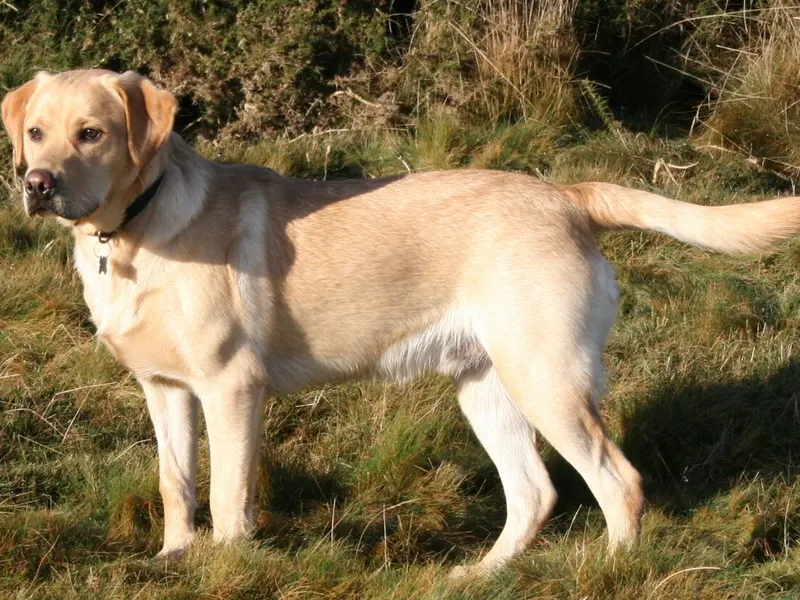
Labrador Retriever
Sporting
55–80 lbs · 10–12 yrs
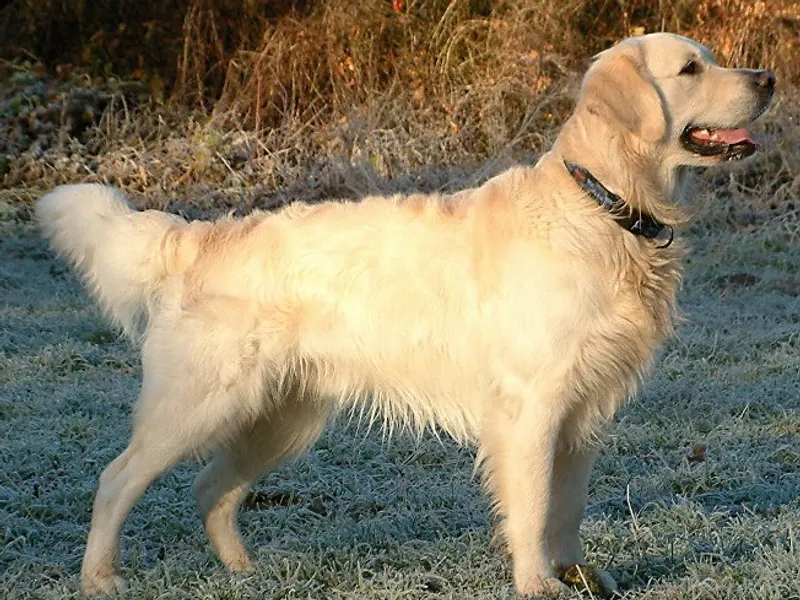
Golden Retriever
Sporting
55–75 lbs · 10–12 yrs
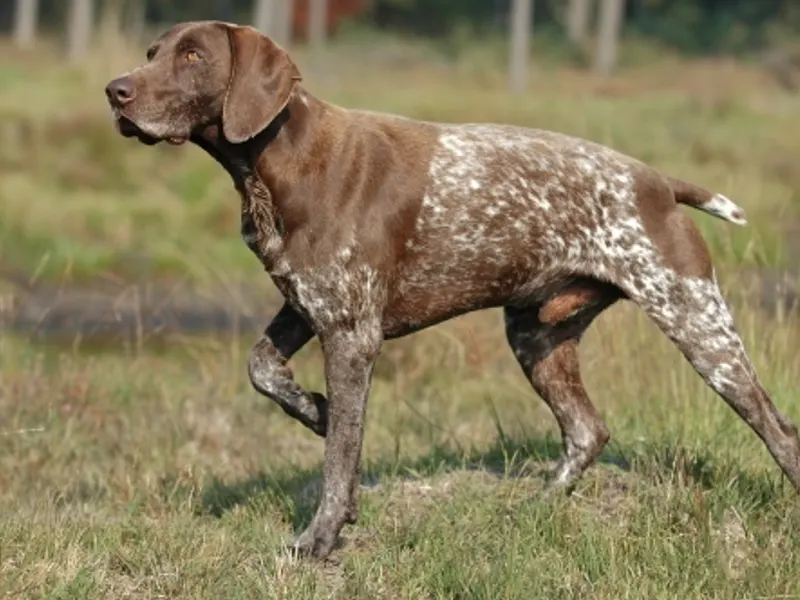
German Shorthaired Pointer
Sporting
45–70 lbs · 10–12 yrs
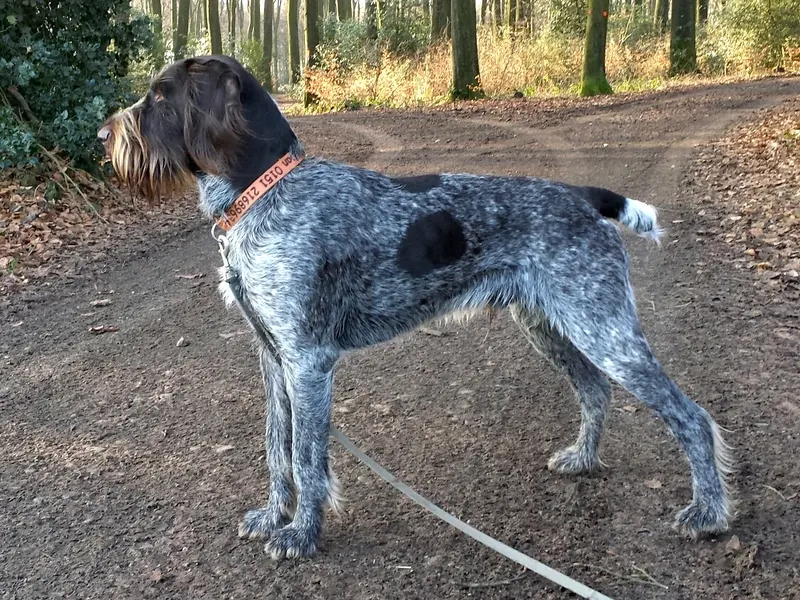
German Wirehaired Pointer
Sporting
50–70 lbs · 12–14 yrs
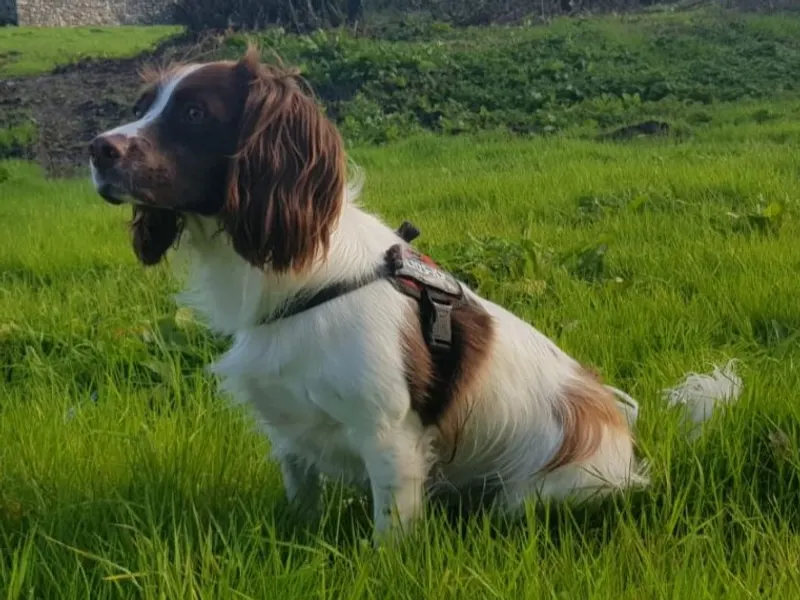
English Springer Spaniel
Sporting
40–50 lbs · 12–14 yrs
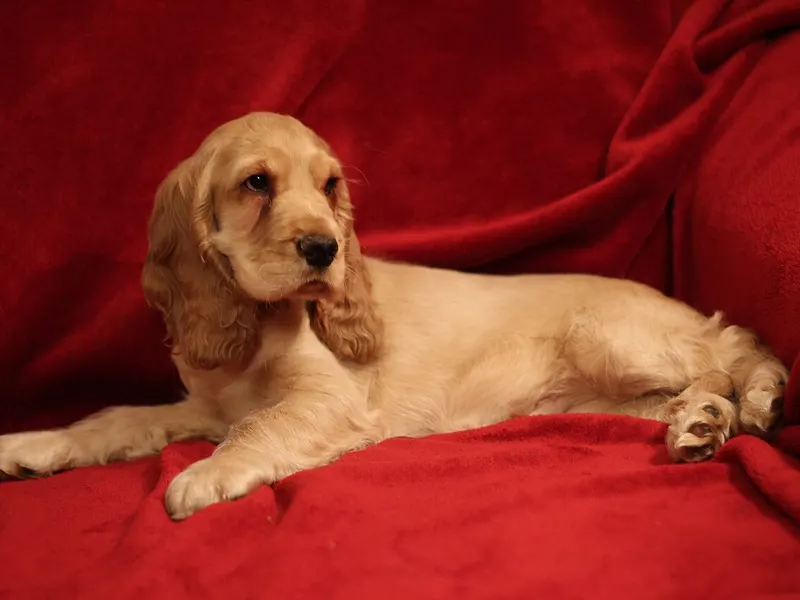
English Cocker Spaniel
Sporting
26–34 lbs · 12–14 yrs
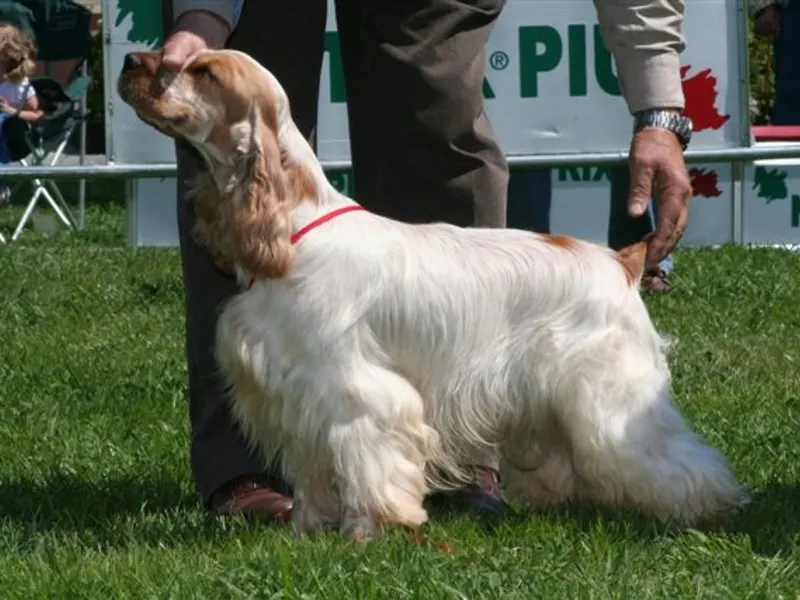
Cocker Spaniel
Sporting
20–30 lbs · 12–15 yrs
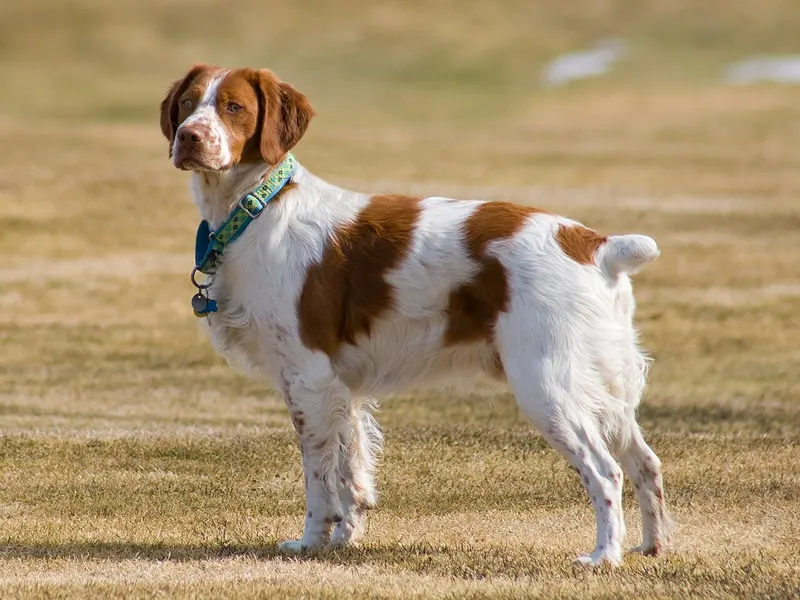
Brittany
Sporting
30–40 lbs · 12–14 yrs
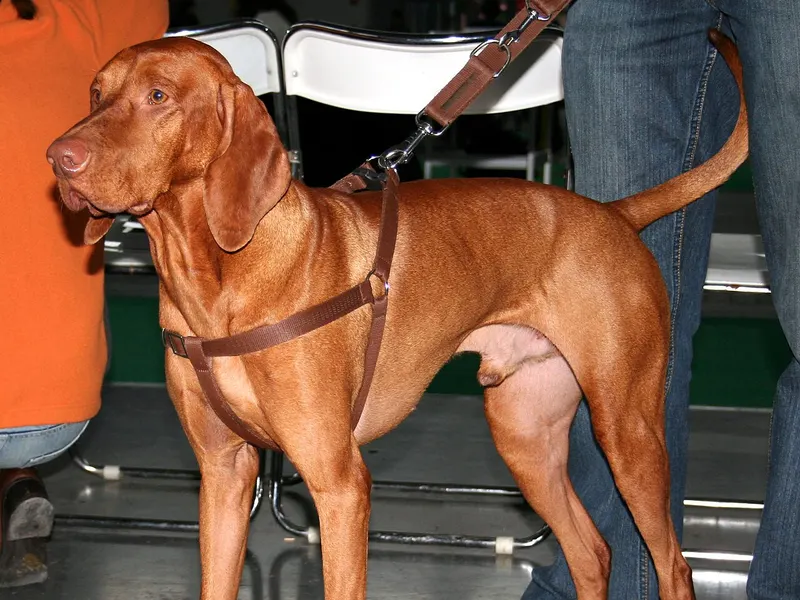
Vizsla
Sporting
44–60 lbs · 12–14 yrs
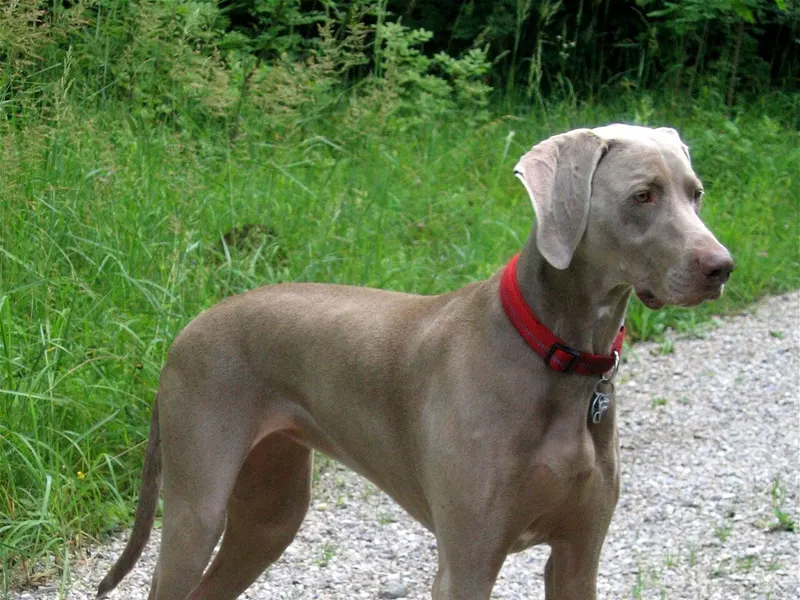
Weimaraner
Sporting
55–90 lbs · 10–13 yrs
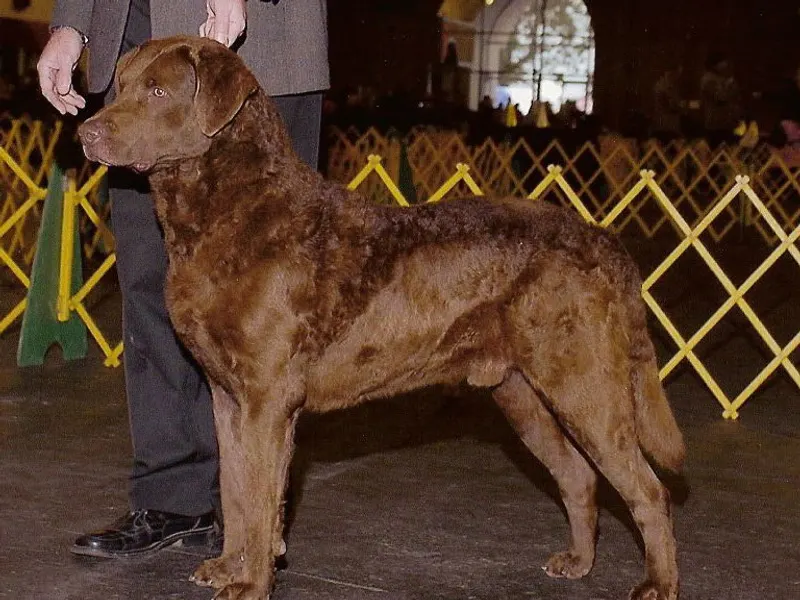
Chesapeake Bay Retriever
Sporting
55–80 lbs · 10–13 yrs
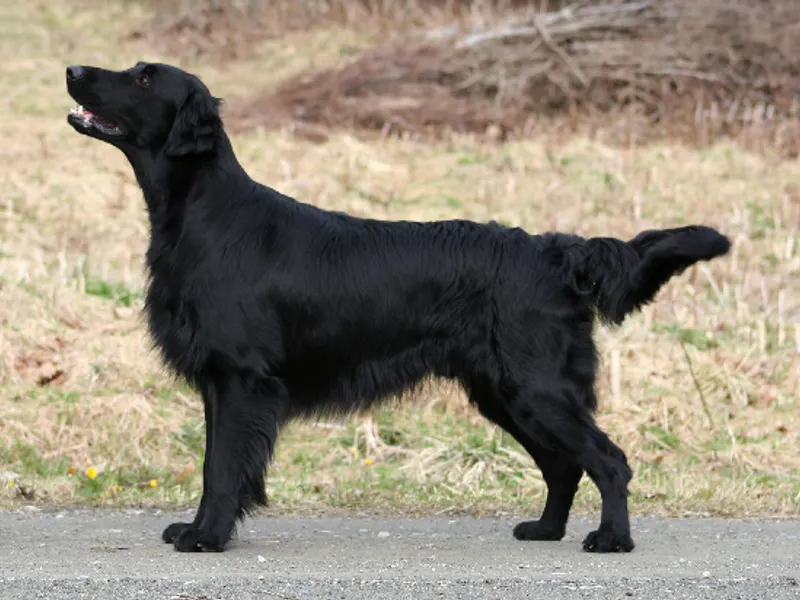
Flat-Coated Retriever
Sporting
55–70 lbs · 8–10 yrs
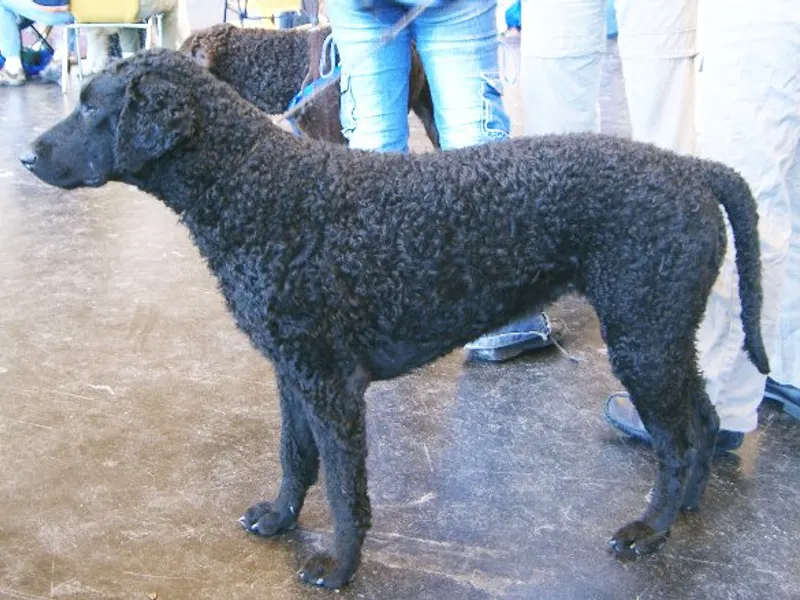
Curly-Coated Retriever
Sporting
60–95 lbs · 10–12 yrs
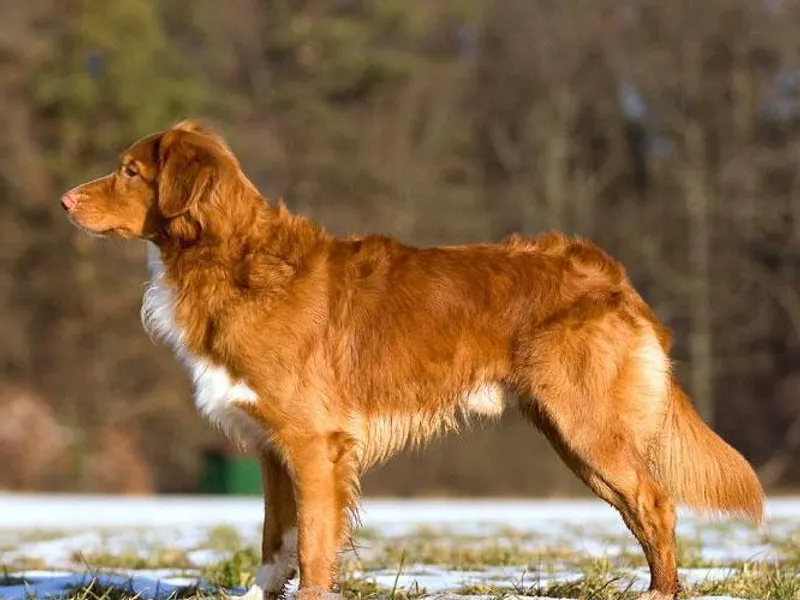
Nova Scotia Duck Tolling Retriever
Sporting
35–50 lbs · 12–14 yrs
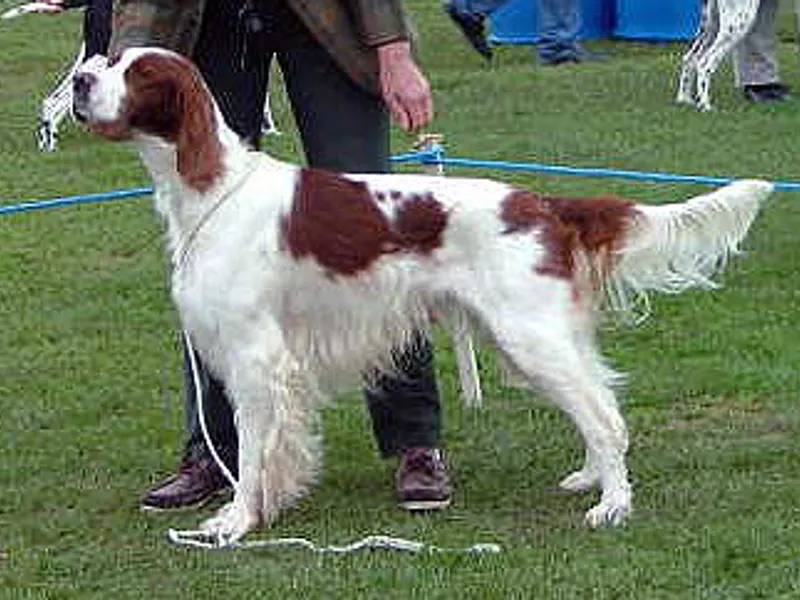
Irish Red and White Setter
Sporting
45–70 lbs · 11–13 yrs
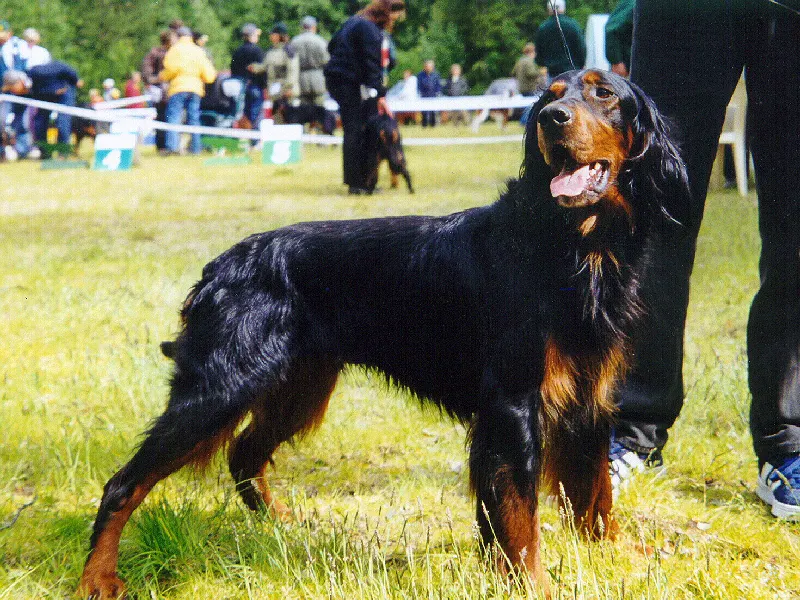
Gordon Setter
Sporting
45–80 lbs · 10–12 yrs
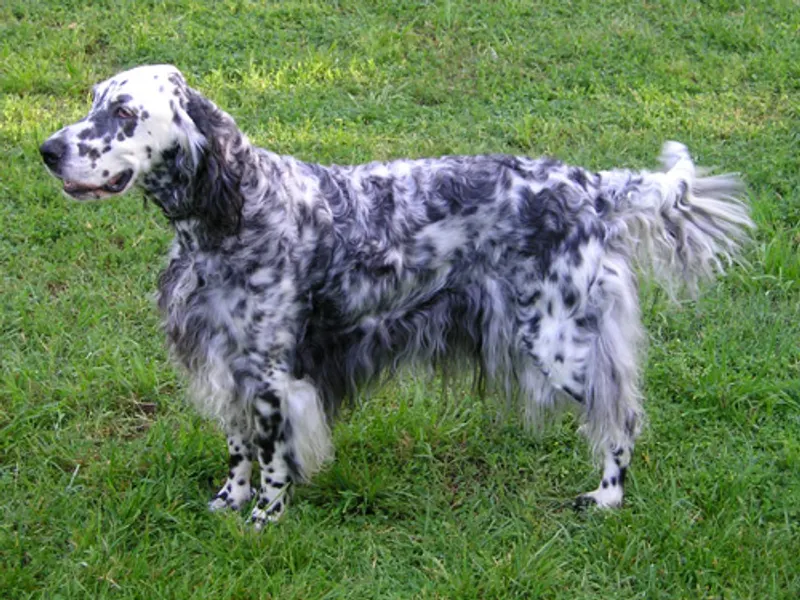
English Setter
Sporting
45–80 lbs · 11–15 yrs
Pointer
Sporting
45–75 lbs · 12–17 yrs
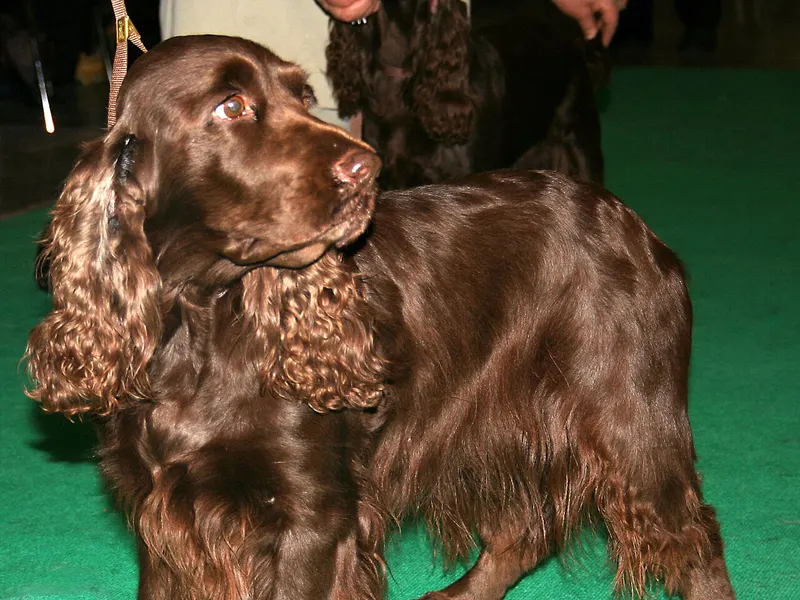
Field Spaniel
Sporting
35–50 lbs · 10–12 yrs
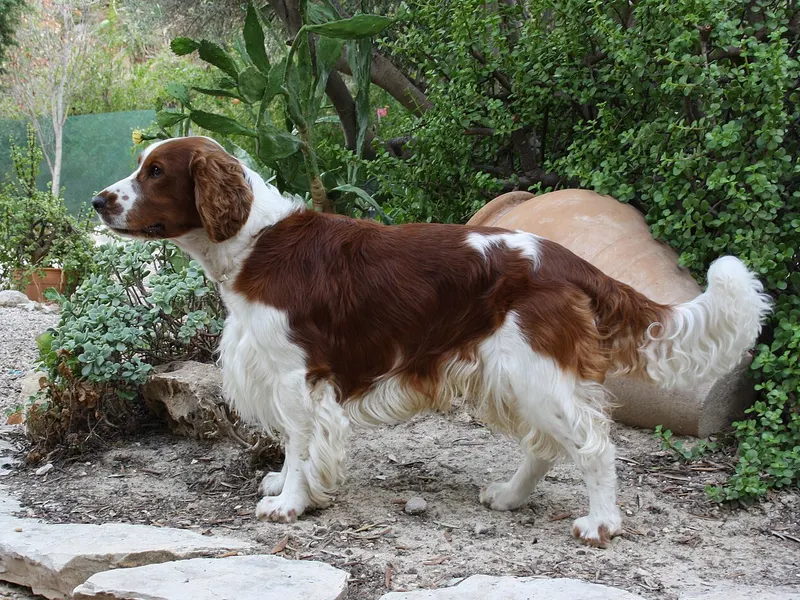
Welsh Springer Spaniel
Sporting
35–45 lbs · 12–15 yrs
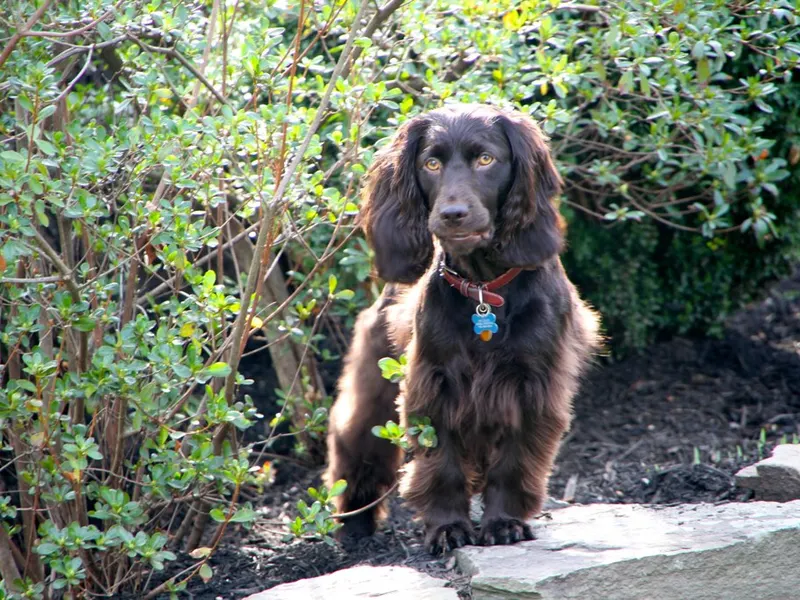
Boykin Spaniel
Sporting
25–40 lbs · 10–15 yrs
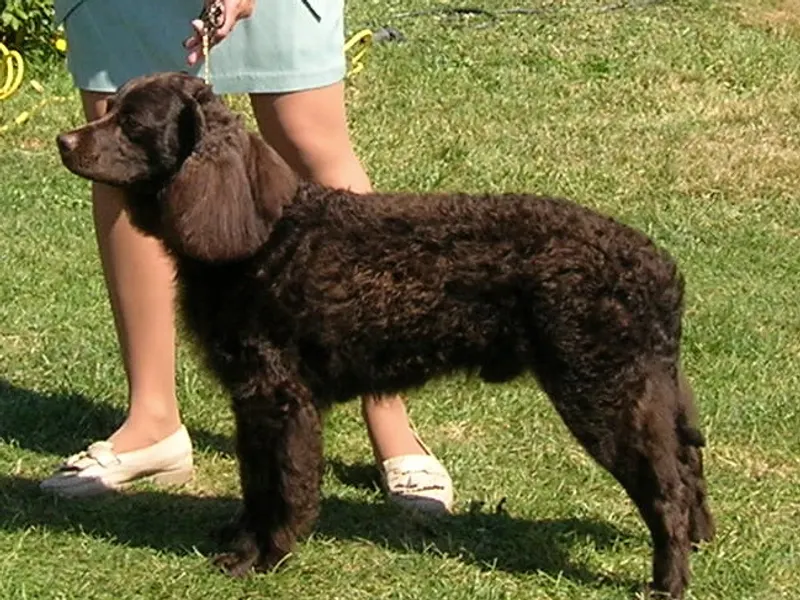
American Water Spaniel
Sporting
25–45 lbs · 10–14 yrs
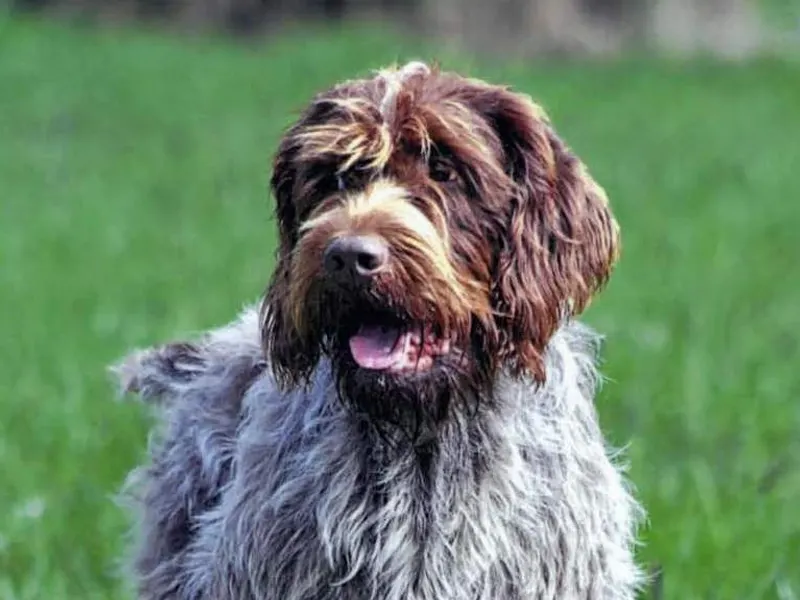
Wirehaired Pointing Griffon
Sporting
35–70 lbs · 12–14 yrs
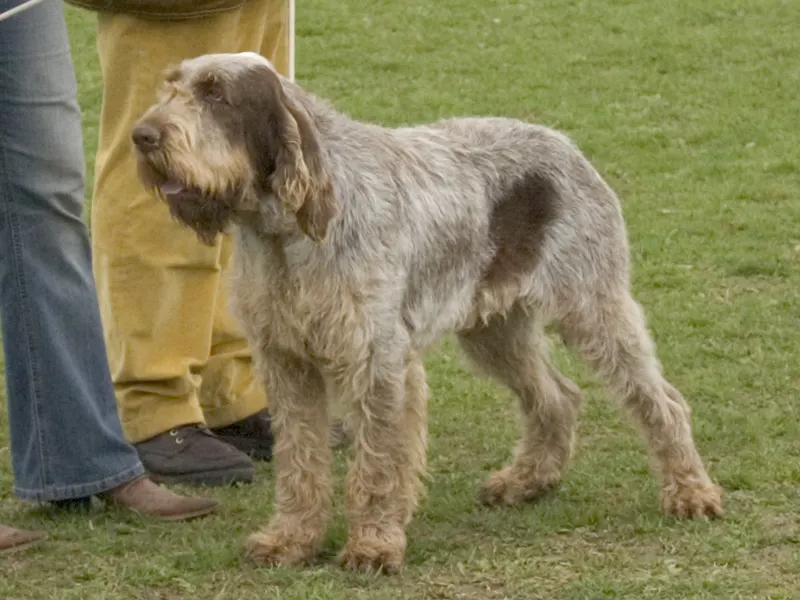
Spinone Italiano
Sporting
62–85 lbs · 10–12 yrs
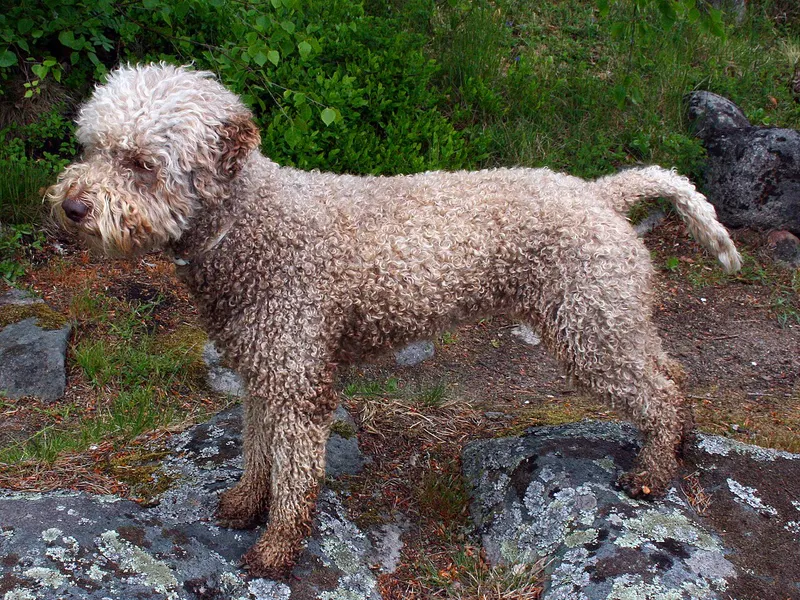
Lagotto Romagnolo
Sporting
24–35 lbs · 15–17 yrs
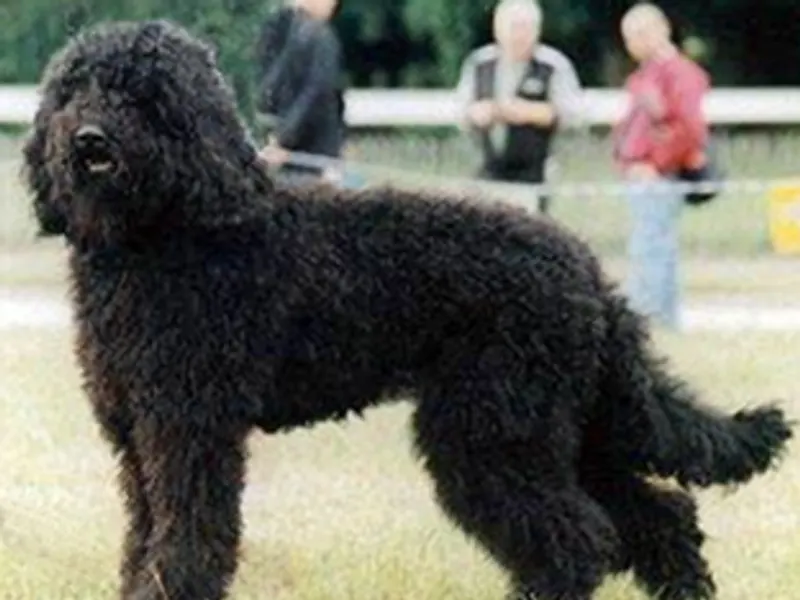
Barbet
Sporting
35–65 lbs · 13–15 yrs
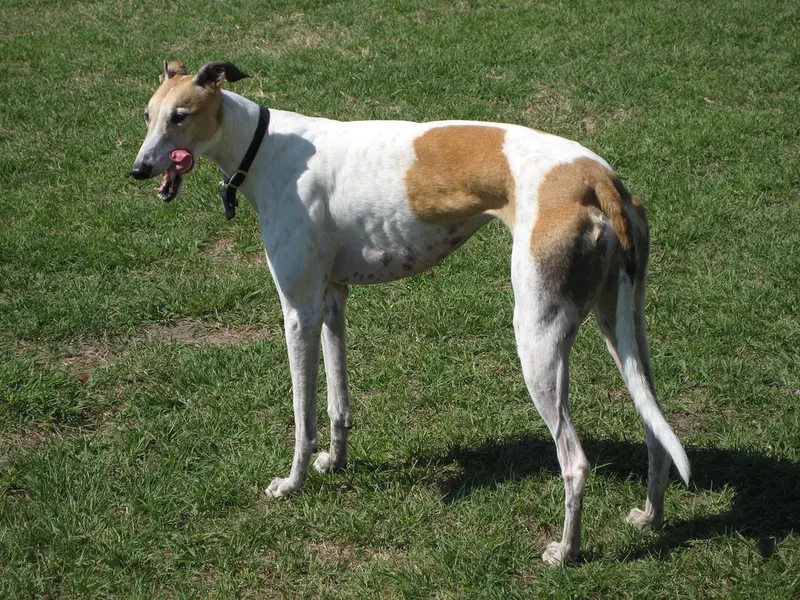
Greyhound
Hound
60–88 lbs · 10–14 yrs
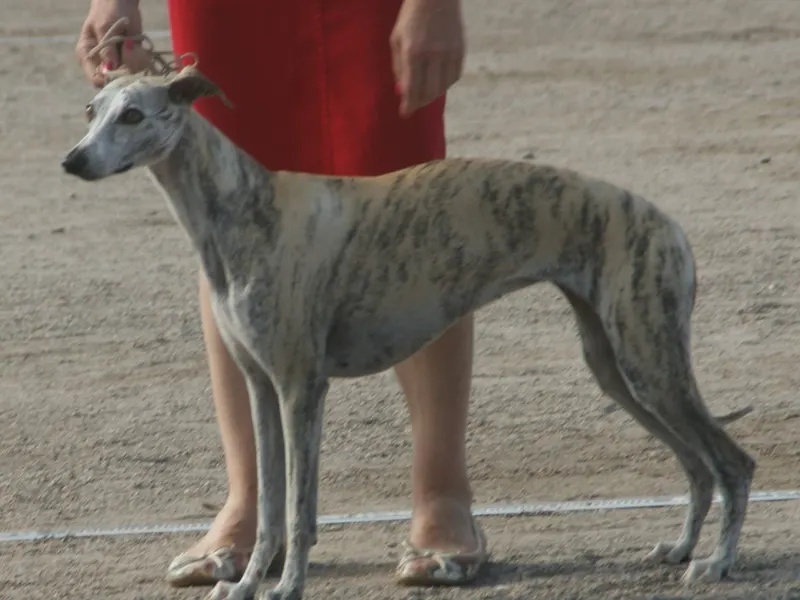
Whippet
Hound
25–40 lbs · 12–15 yrs
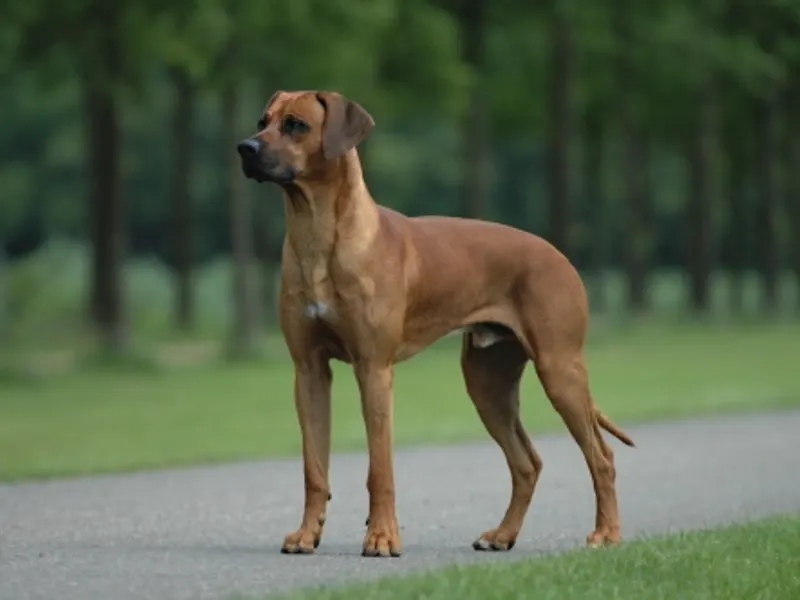
Rhodesian Ridgeback
Hound
70–85 lbs · 10–12 yrs
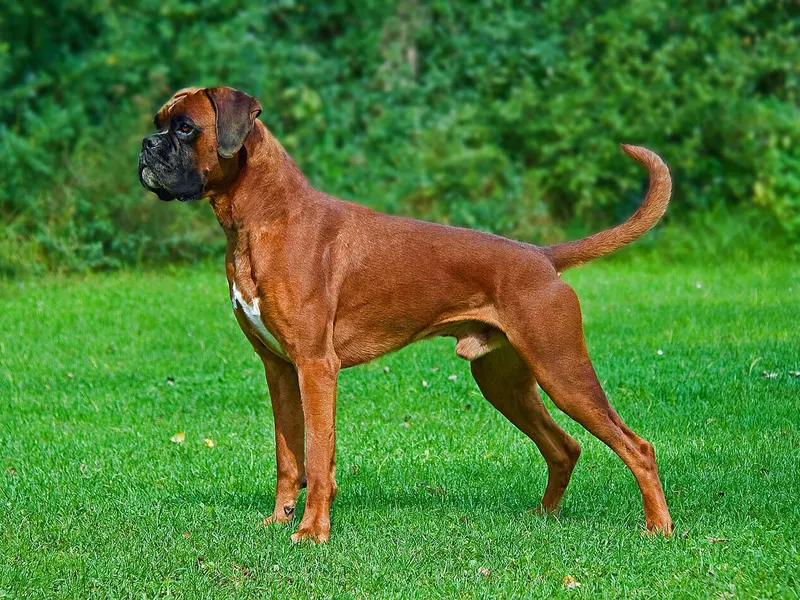
Boxer
Working
50–80 lbs · 10–12 yrs
Doberman Pinscher
Working
60–100 lbs · 10–13 yrs
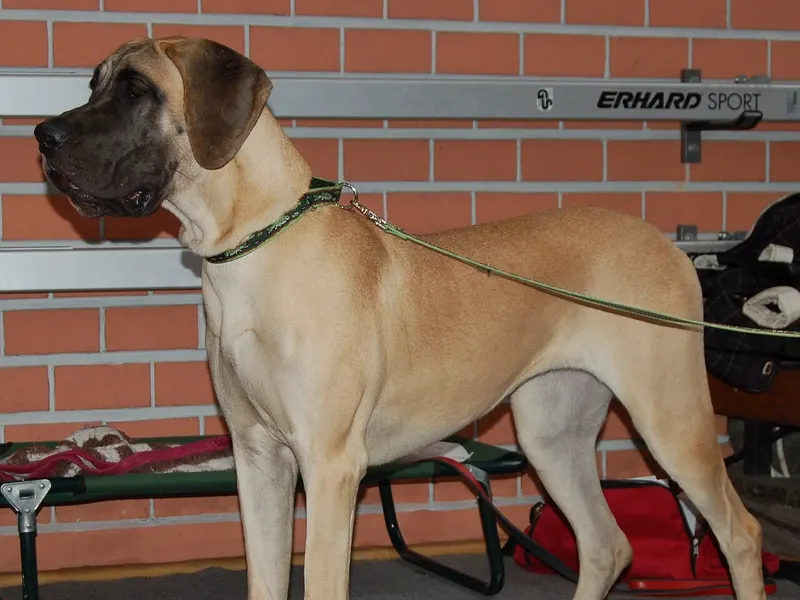
Great Dane
Working
110–175 lbs · 7–10 yrs
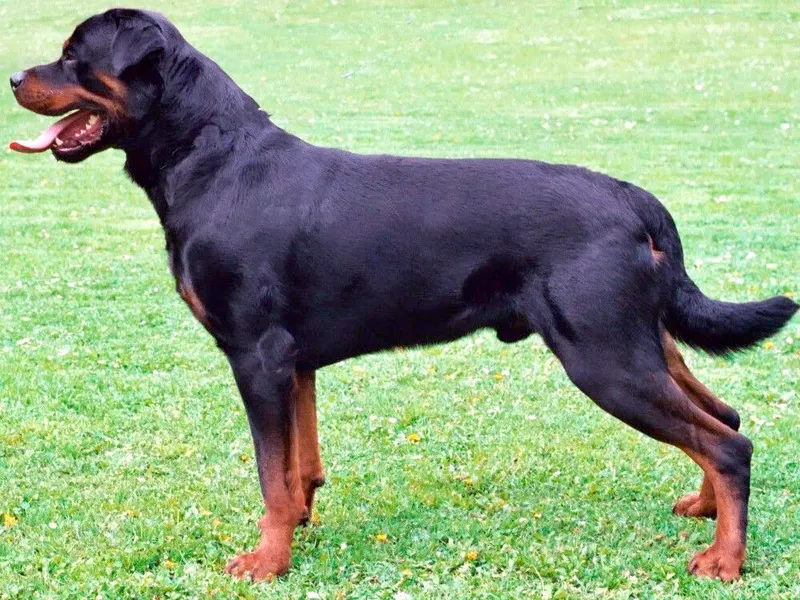
Rottweiler
Working
80–135 lbs · 8–10 yrs
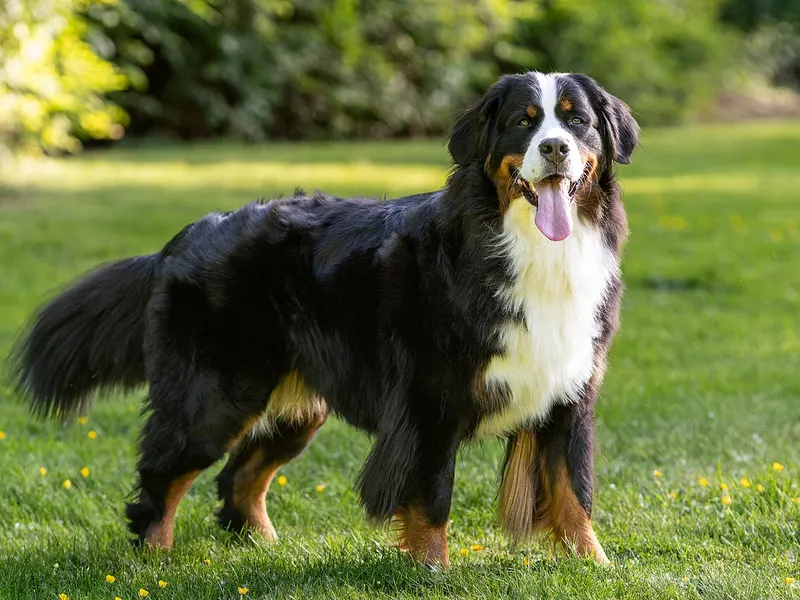
Bernese Mountain Dog
Working
70–115 lbs · 7–10 yrs
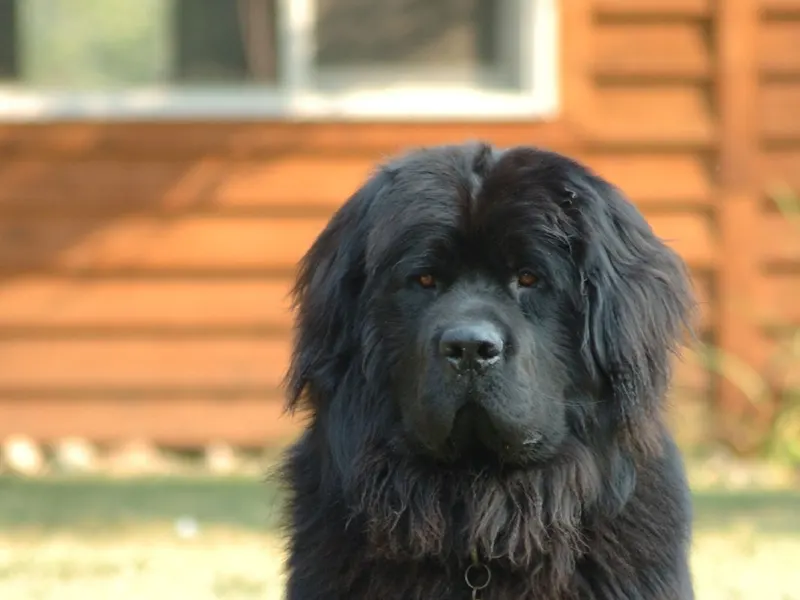
Newfoundland
Working
100–150 lbs · 9–10 yrs
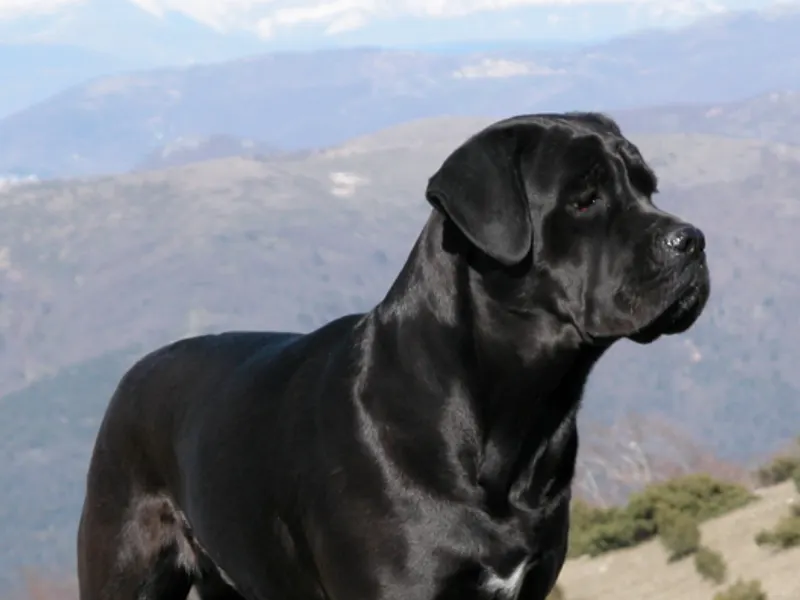
Cane Corso
Working
88–120 lbs · 9–12 yrs
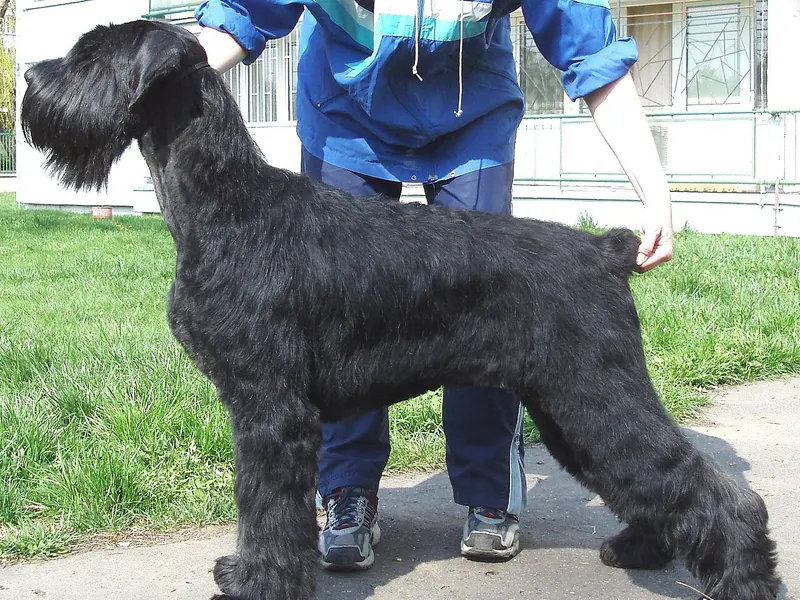
Giant Schnauzer
Working
55–85 lbs · 12–15 yrs
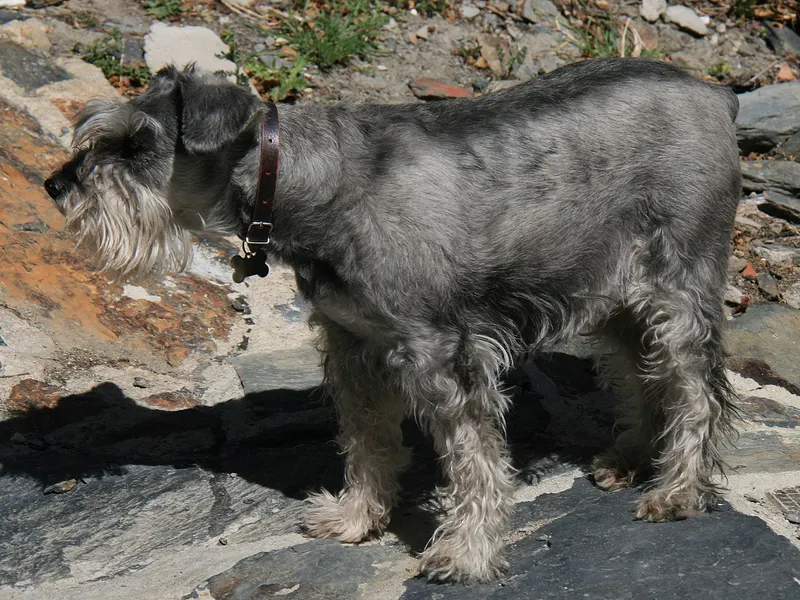
Standard Schnauzer
Working
30–50 lbs · 13–16 yrs
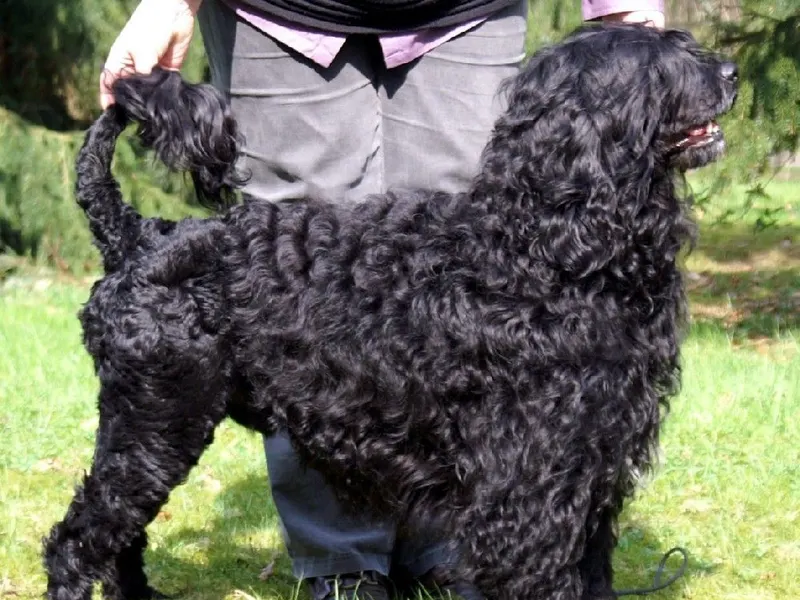
Portuguese Water Dog
Working
35–60 lbs · 11–13 yrs
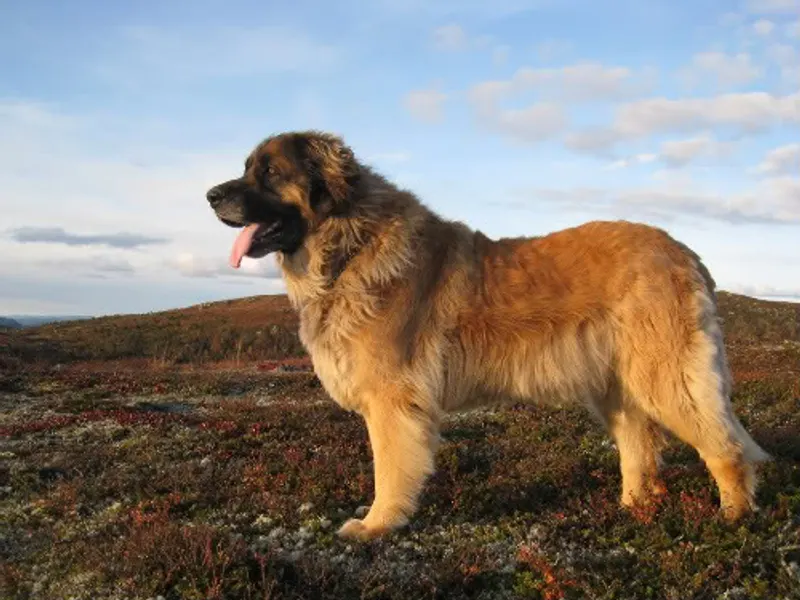
Leonberger
Working
90–170 lbs · 7–9 yrs
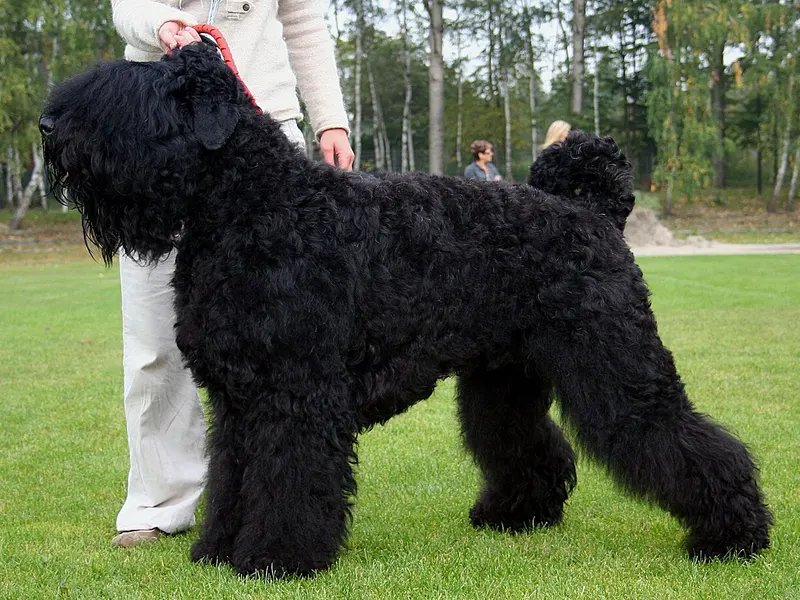
Black Russian Terrier
Working
80–140 lbs · 10–12 yrs
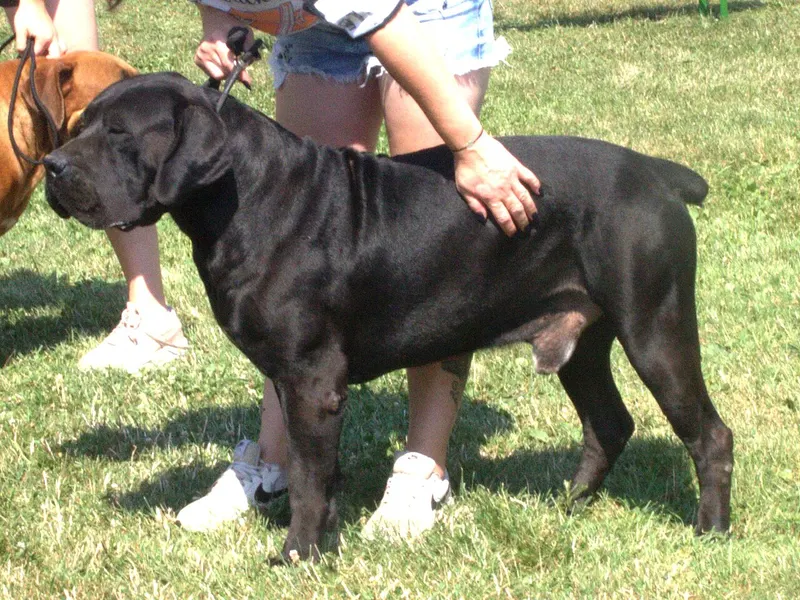
Boerboel
Working
150–200 lbs · 9–11 yrs
Chinook
Working
50–90 lbs · 12–15 yrs
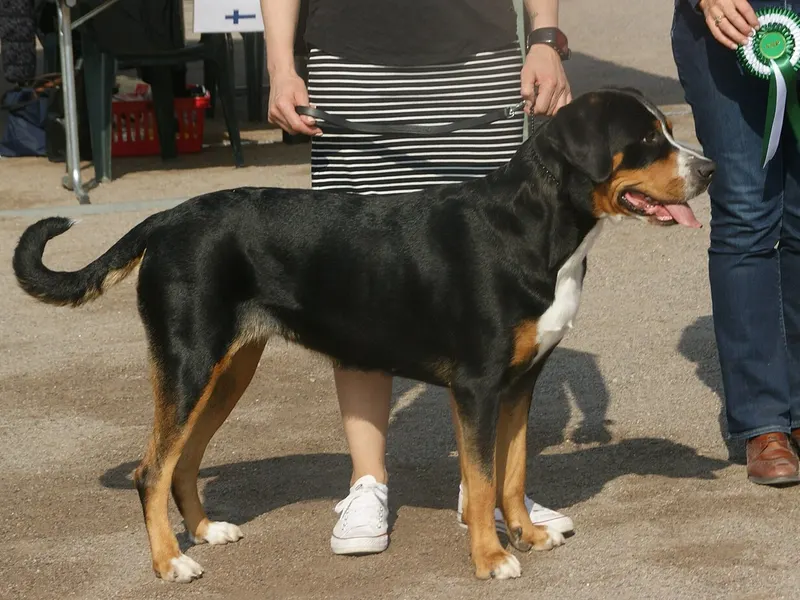
Greater Swiss Mountain Dog
Working
85–140 lbs · 8–11 yrs
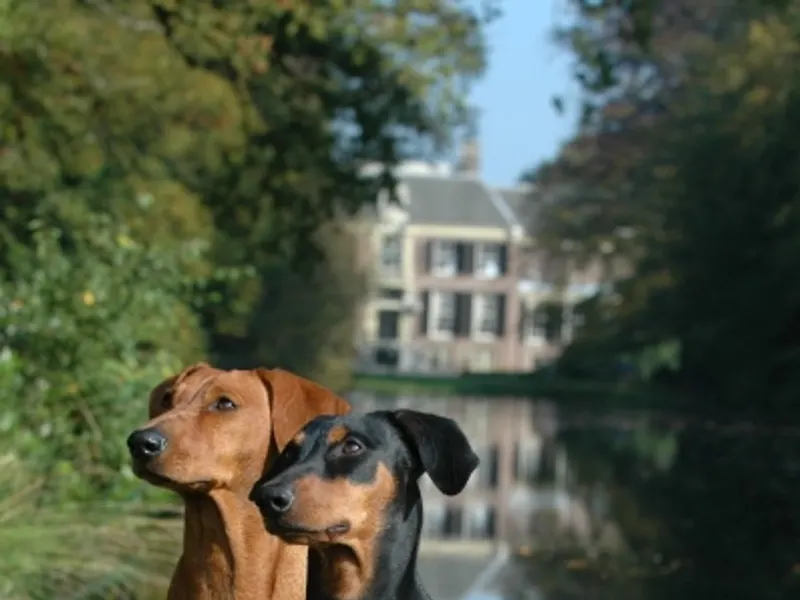
German Pinscher
Working
25–45 lbs · 12–14 yrs
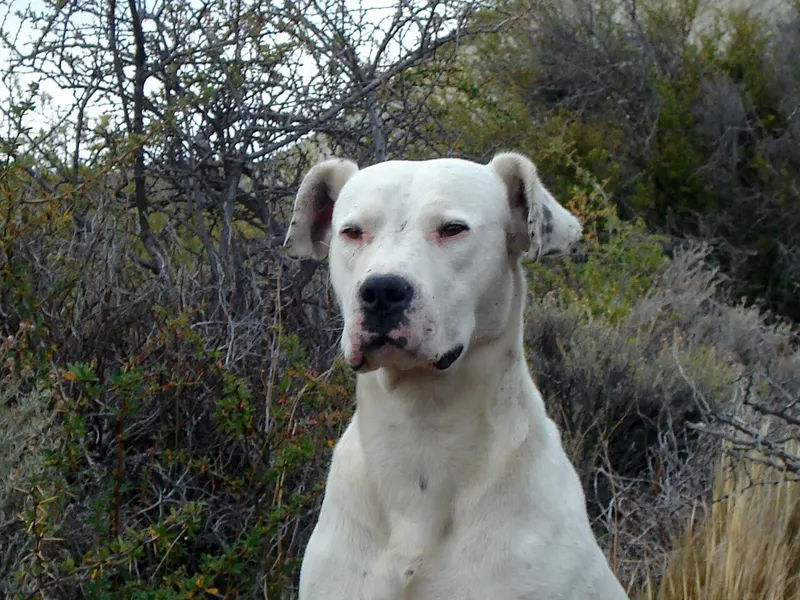
Dogo Argentino
Working
80–100 lbs · 9–15 yrs
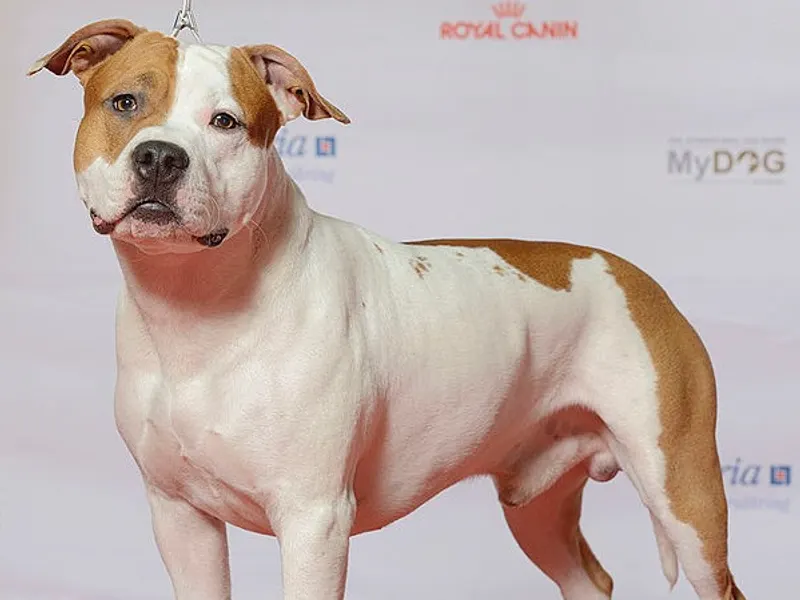
American Staffordshire Terrier
Terrier
40–70 lbs · 12–16 yrs
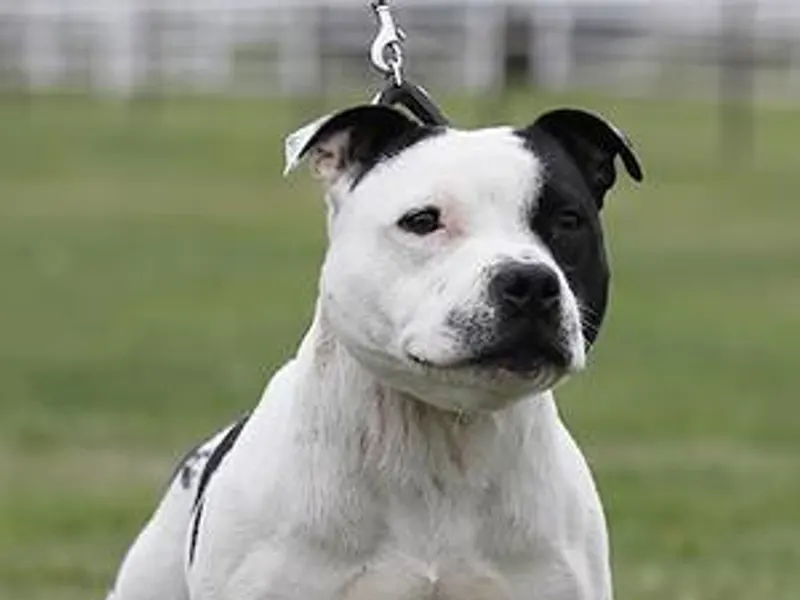
Staffordshire Bull Terrier
Terrier
24–38 lbs · 12–14 yrs
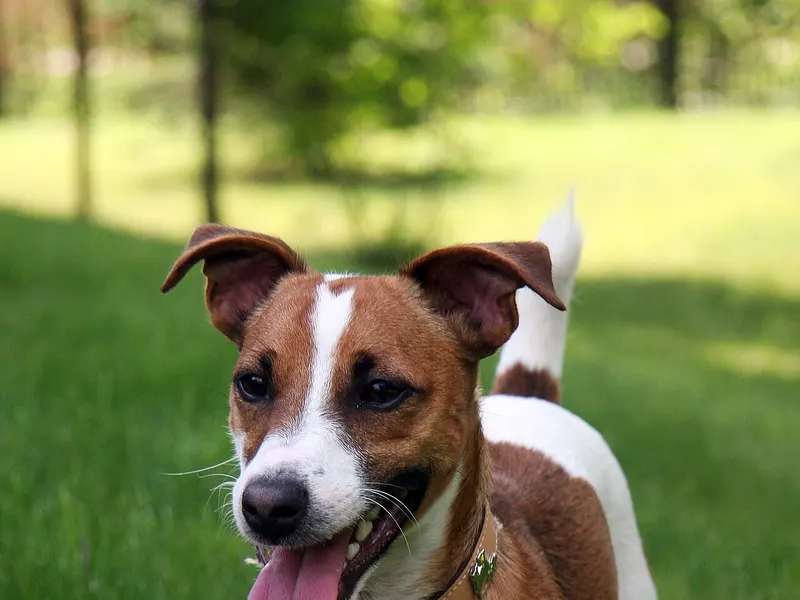
Jack Russell Terrier
Terrier
9–15 lbs · 13–16 yrs
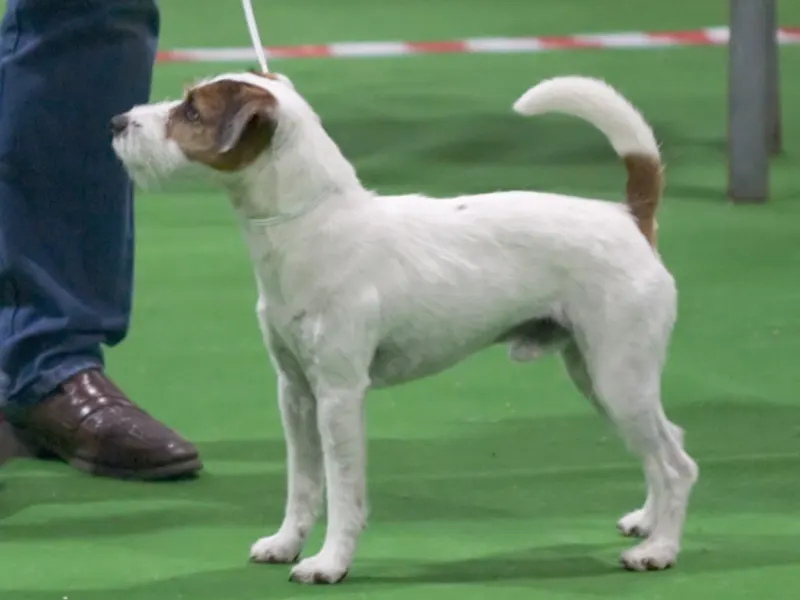
Parson Russell Terrier
Terrier
13–17 lbs · 13–15 yrs
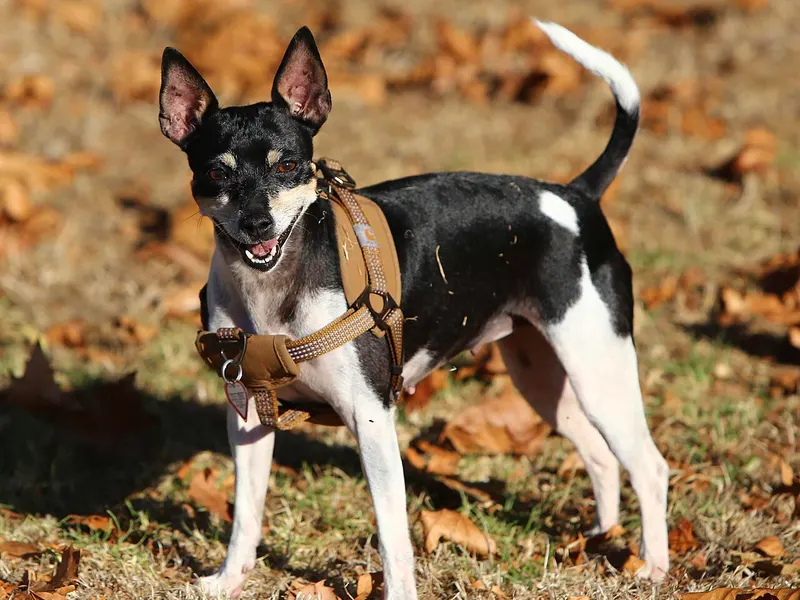
Rat Terrier
Terrier
10–25 lbs · 15–18 yrs
Border Terrier
Terrier
11.5–15.5 lbs · 12–15 yrs
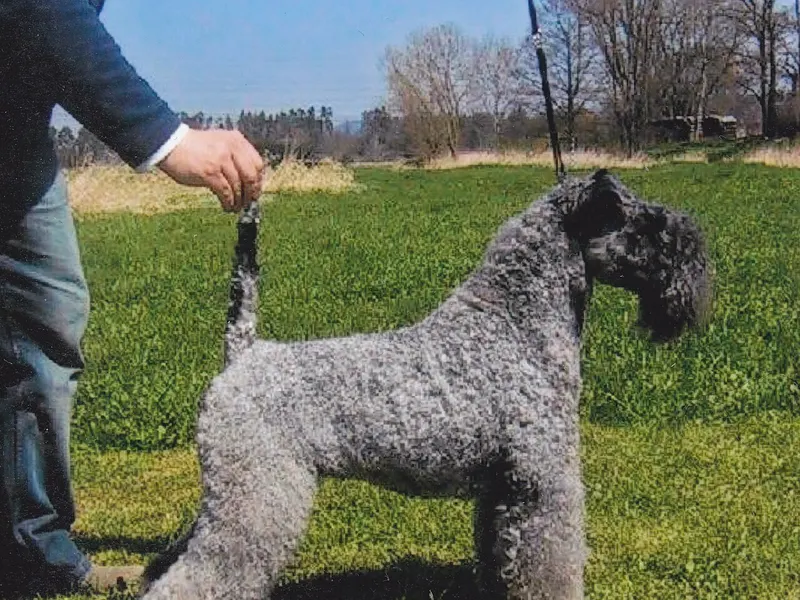
Kerry Blue Terrier
Terrier
33–40 lbs · 12–15 yrs
Manchester Terrier
Terrier
12–22 lbs · 15–17 yrs
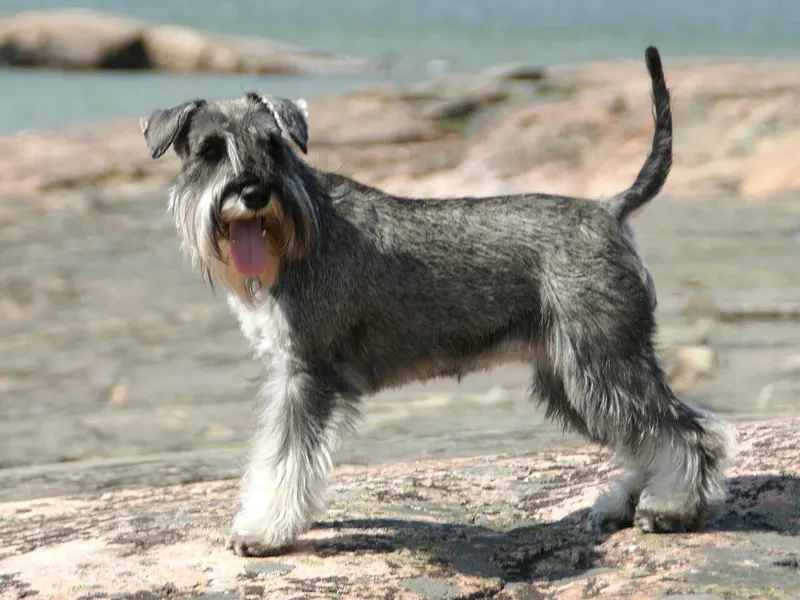
Miniature Schnauzer
Terrier
11–20 lbs · 12–15 yrs
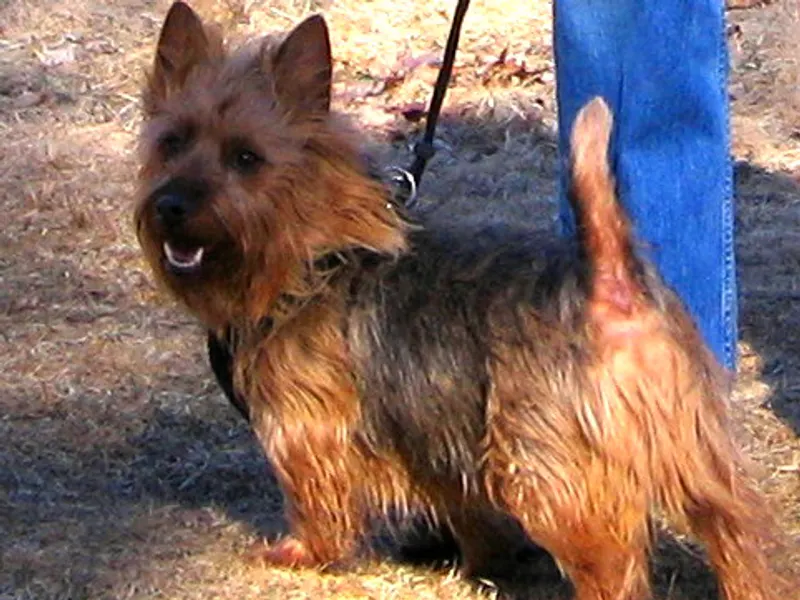
Australian Terrier
Terrier
14–16 lbs · 11–15 yrs
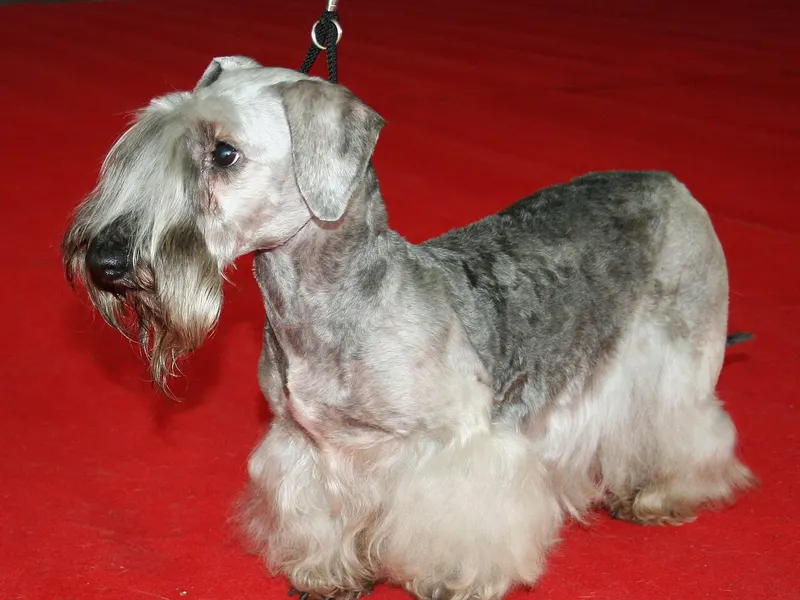
Cesky Terrier
Terrier
13–24 lbs · 12–15 yrs
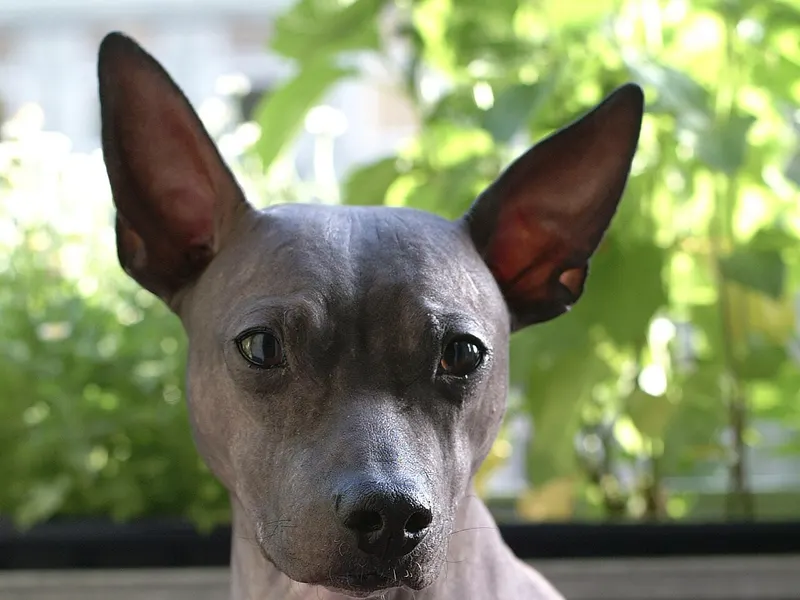
American Hairless Terrier
Terrier
5–16 lbs · 14–16 yrs
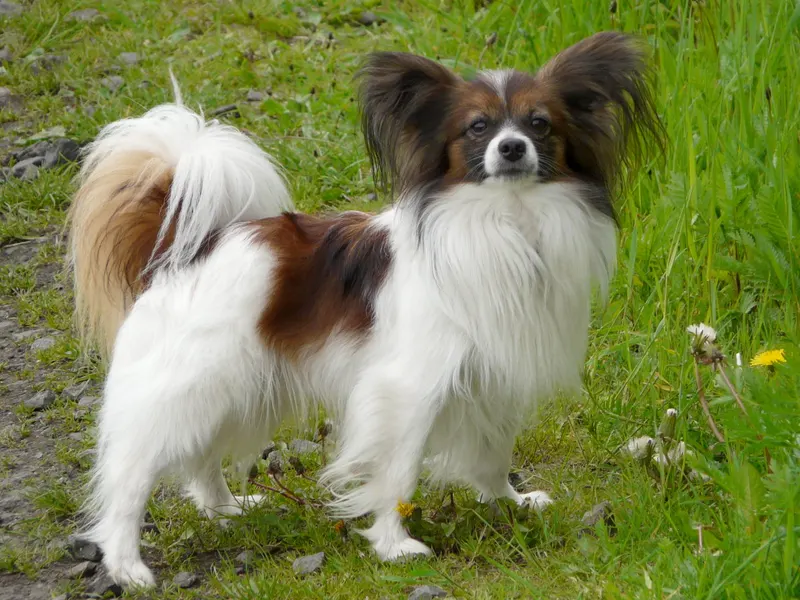
Papillon
Toy
5–10 lbs · 14–16 yrs
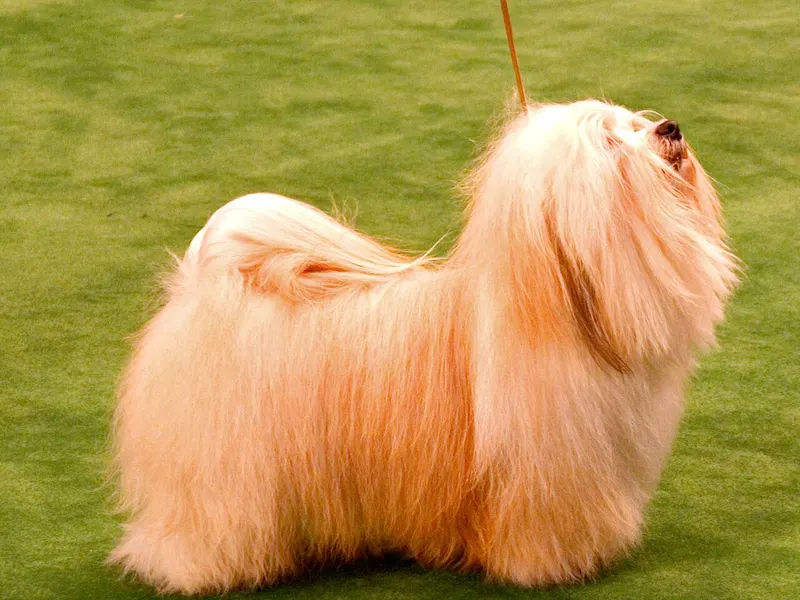
Havanese
Toy
7–13 lbs · 14–16 yrs
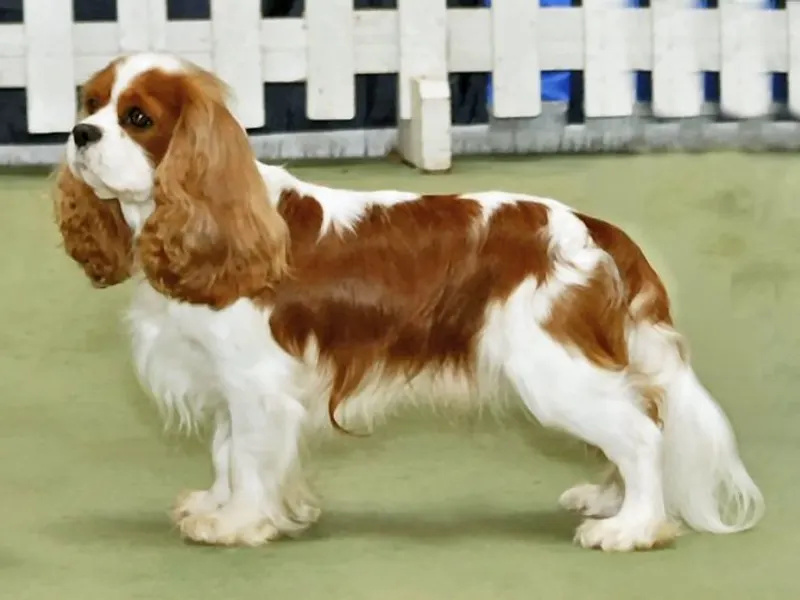
Cavalier King Charles Spaniel
Toy
13–18 lbs · 9–14 yrs
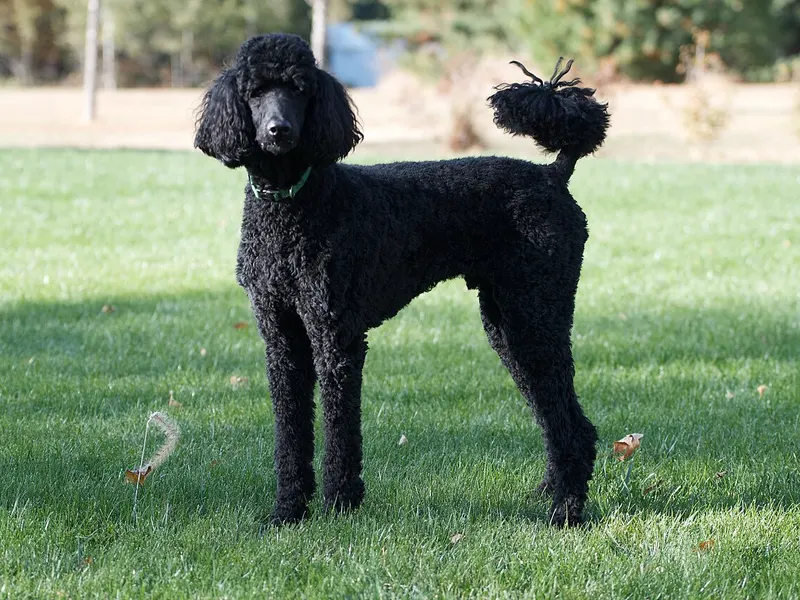
Toy Poodle
Toy
4–6 lbs · 12–15 yrs
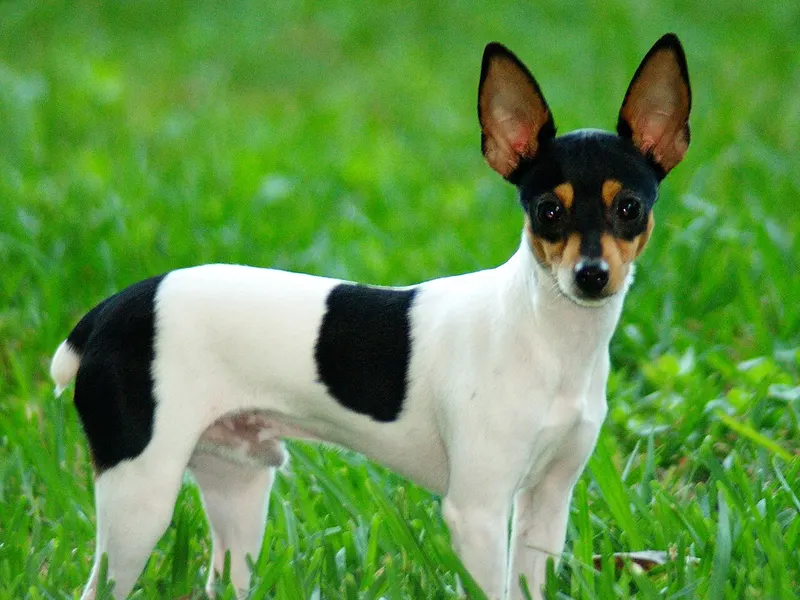
Toy Fox Terrier
Toy
3.5–7 lbs · 13–15 yrs
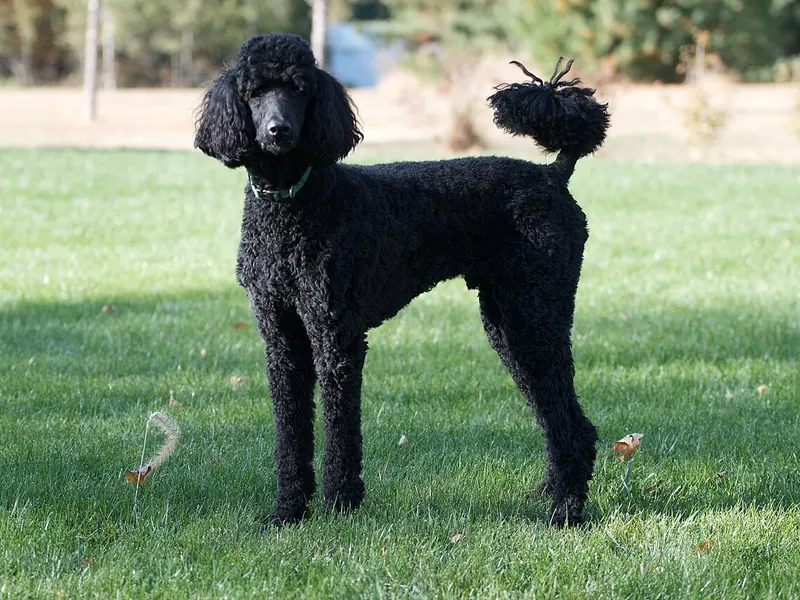
Standard Poodle
Non-Sporting
45–70 lbs · 10–13 yrs
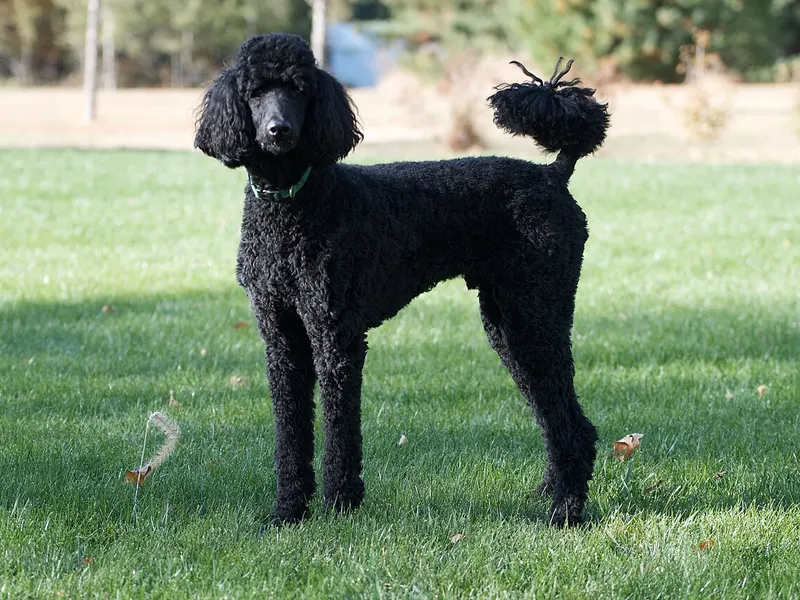
Miniature Poodle
Non-Sporting
10–15 lbs · 12–15 yrs
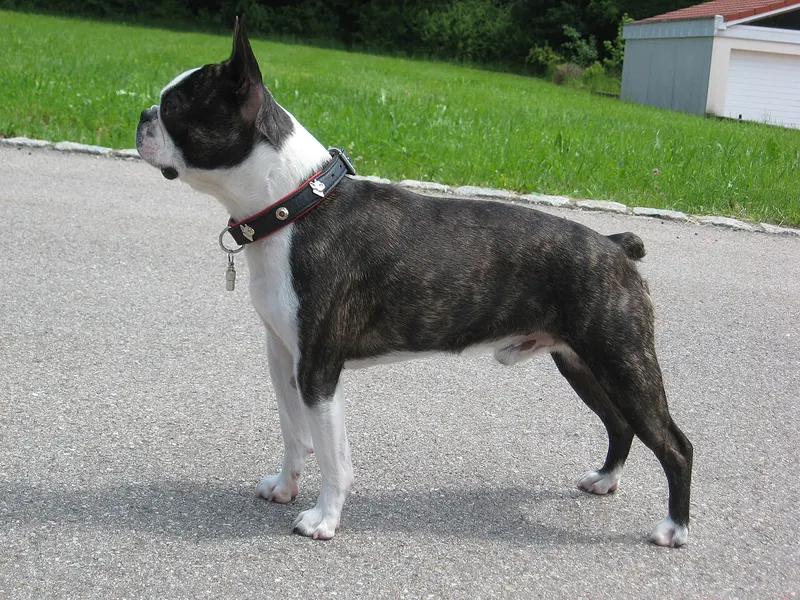
Boston Terrier
Non-Sporting
12–25 lbs · 11–13 yrs
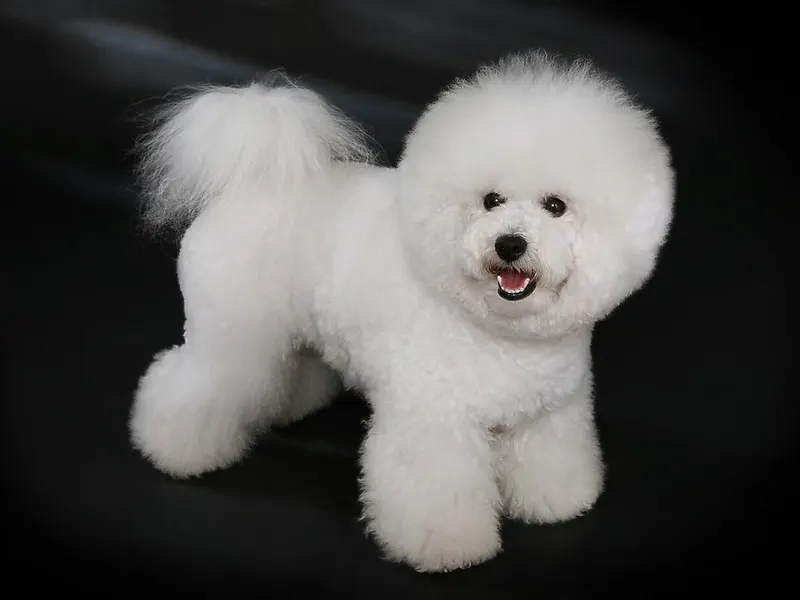
Bichon Frise
Non-Sporting
12–18 lbs · 14–15 yrs
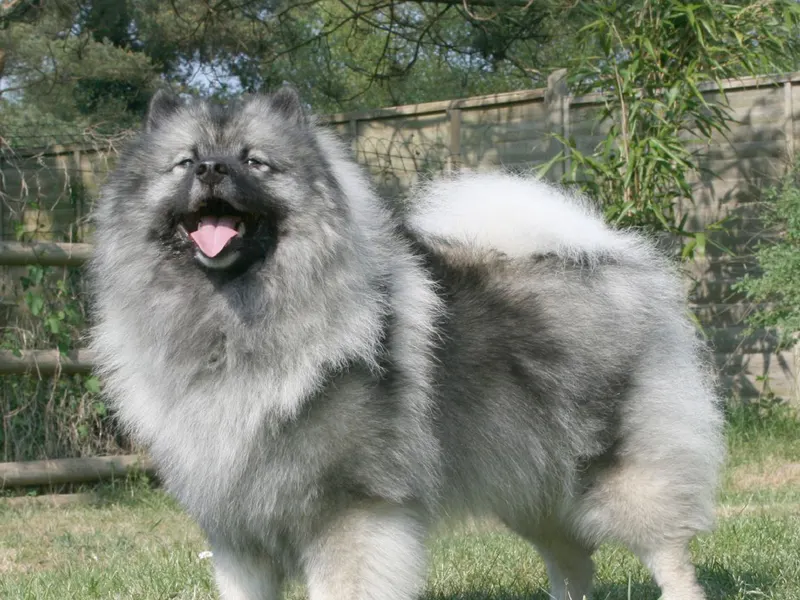
Keeshond
Non-Sporting
35–45 lbs · 12–15 yrs
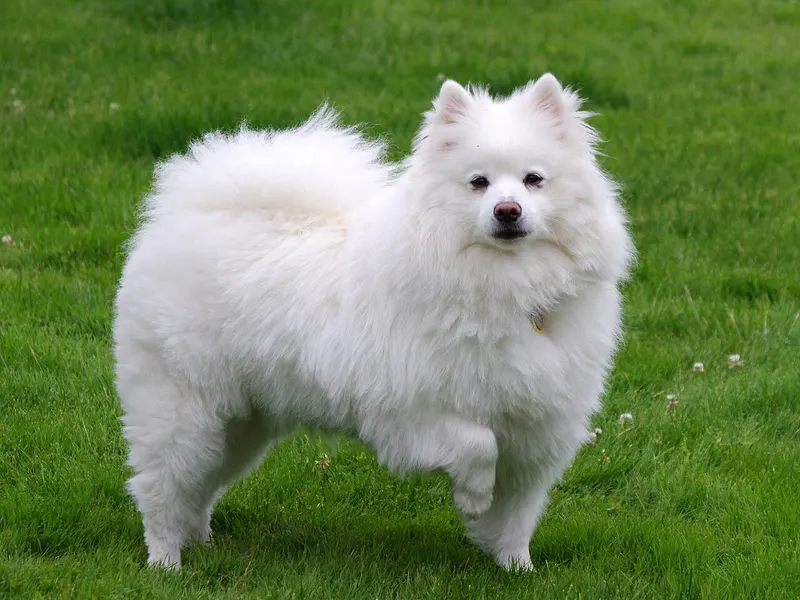
American Eskimo Dog
Non-Sporting
25–35 lbs · 13–15 yrs
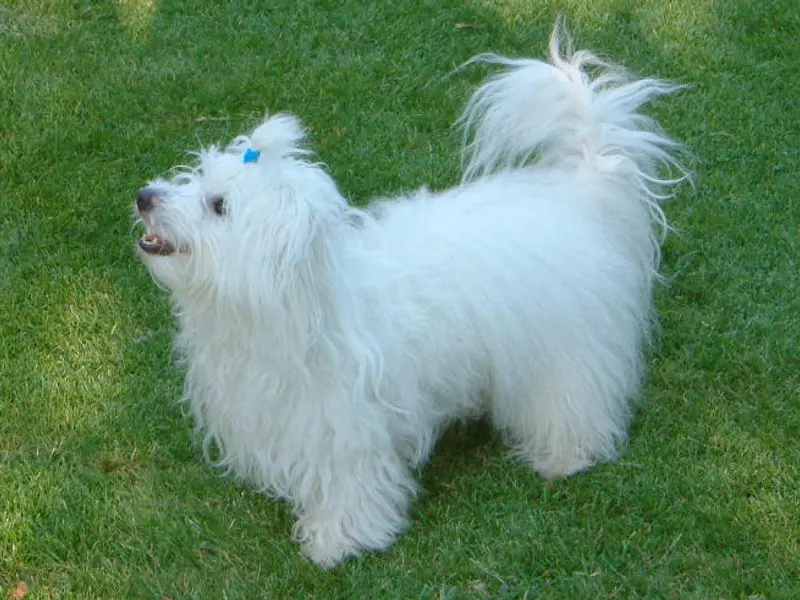
Coton de Tulear
Non-Sporting
8–15 lbs · 14–16 yrs
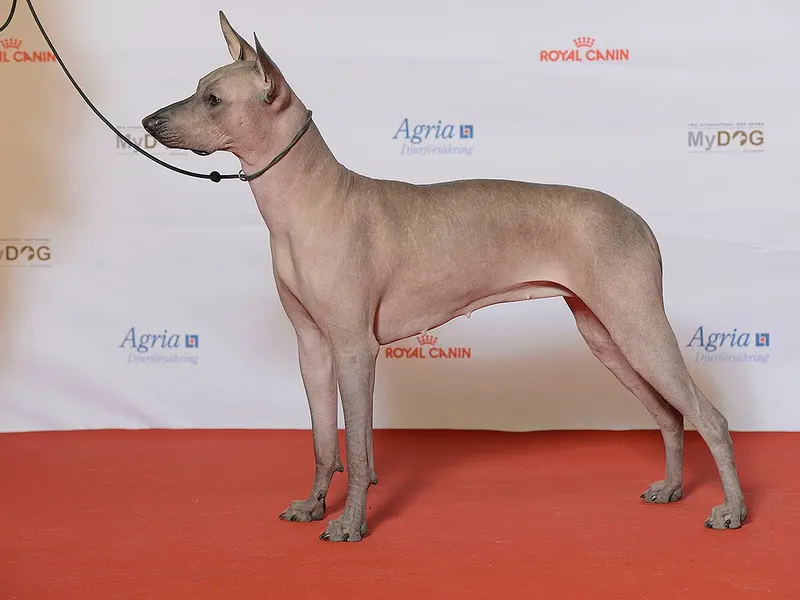
Xoloitzcuintli
Non-Sporting
10–50 lbs · 13–18 yrs
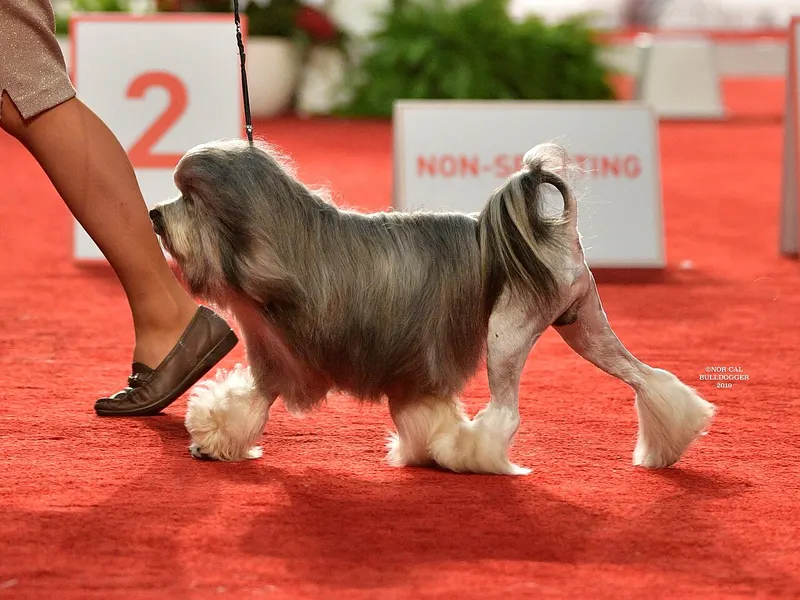
Löwchen
Non-Sporting
9–18 lbs · 13–15 yrs
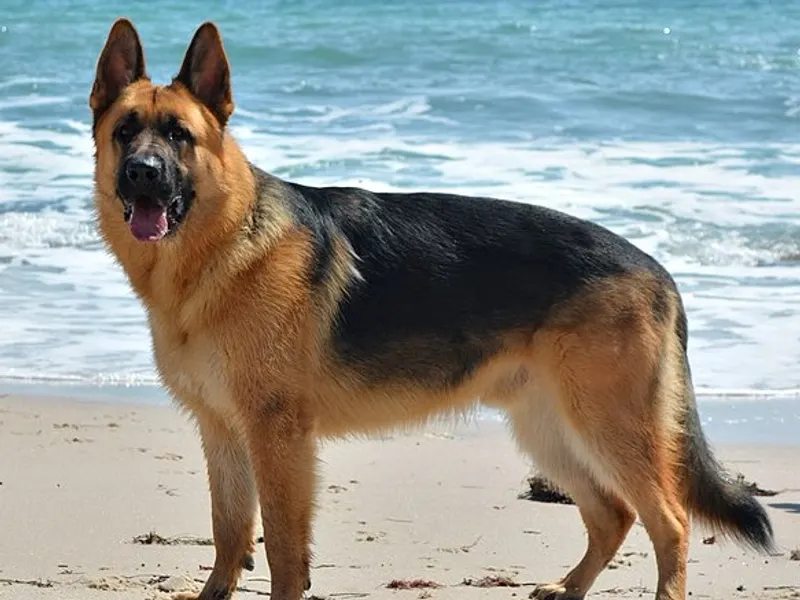
German Shepherd Dog
Herding
50–90 lbs · 9–13 yrs
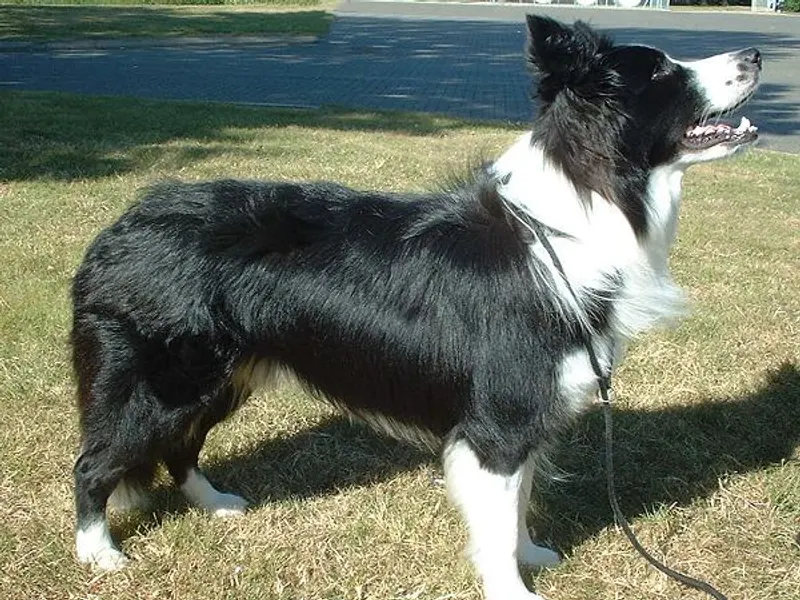
Border Collie
Herding
30–55 lbs · 12–15 yrs
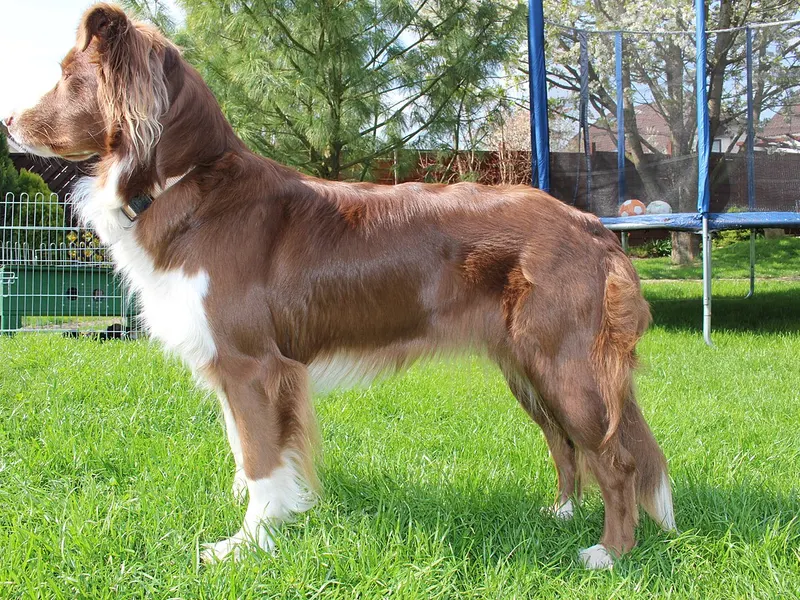
Australian Shepherd
Herding
40–65 lbs · 12–15 yrs
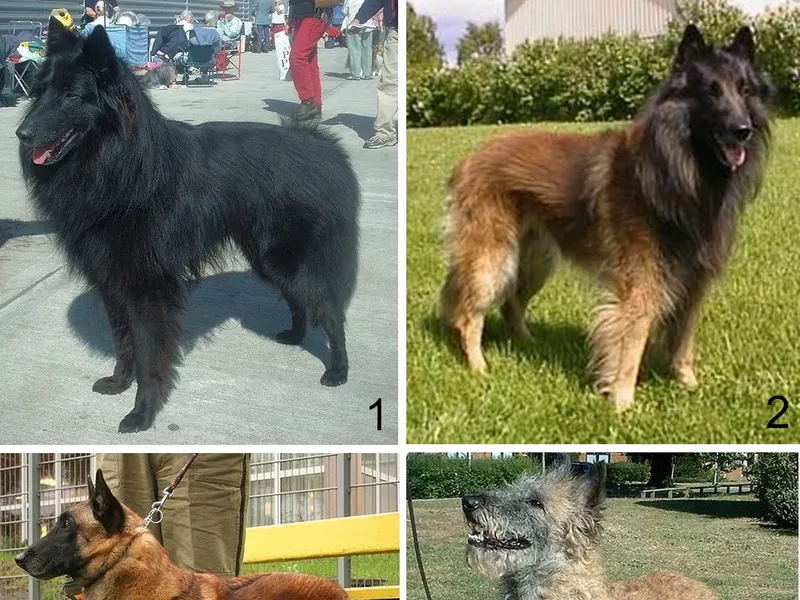
Belgian Malinois
Herding
40–80 lbs · 12–14 yrs
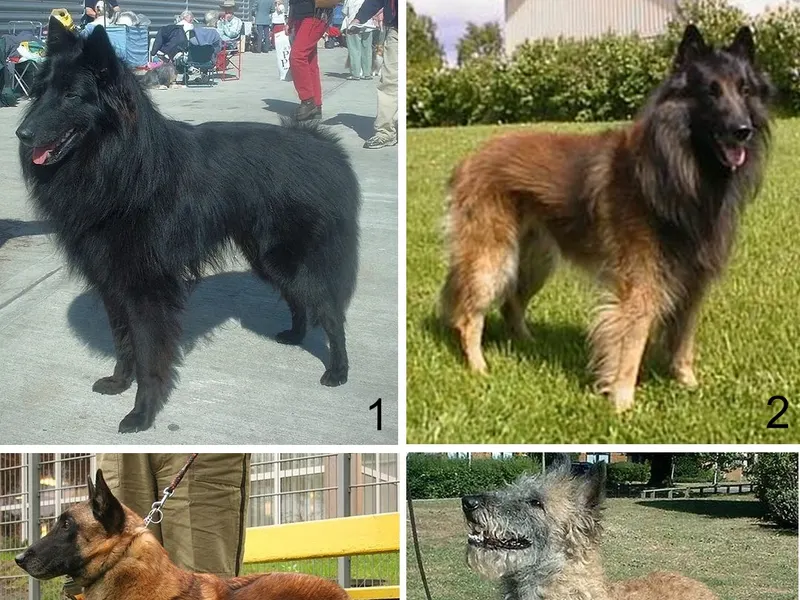
Belgian Tervuren
Herding
45–75 lbs · 12–14 yrs
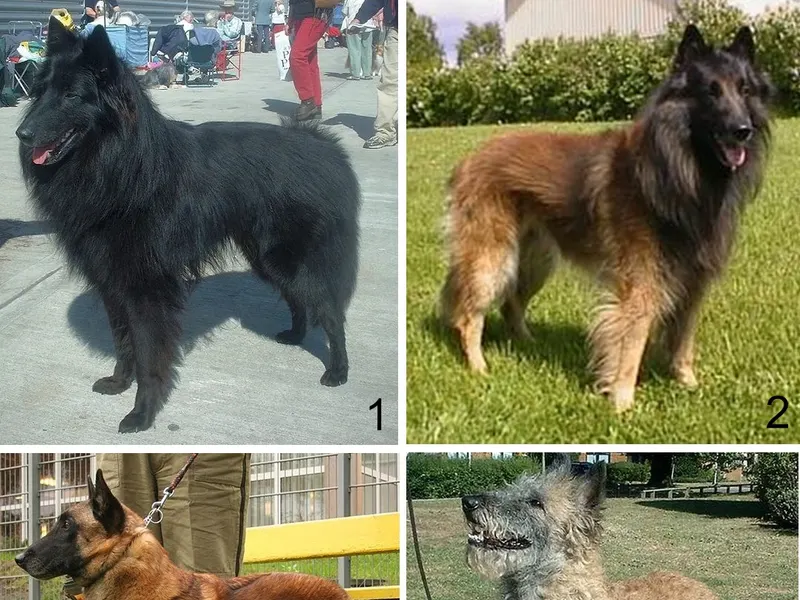
Belgian Sheepdog
Herding
45–75 lbs · 12–14 yrs
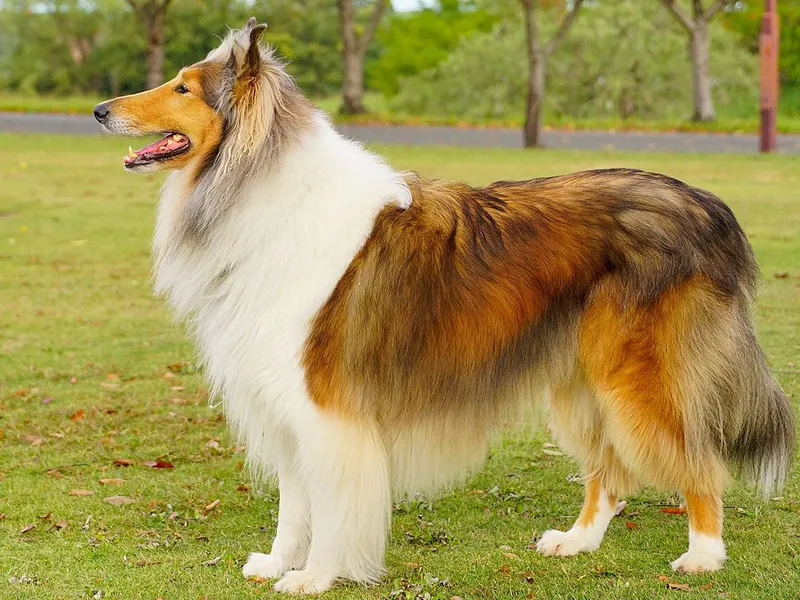
Collie
Herding
50–75 lbs · 12–14 yrs
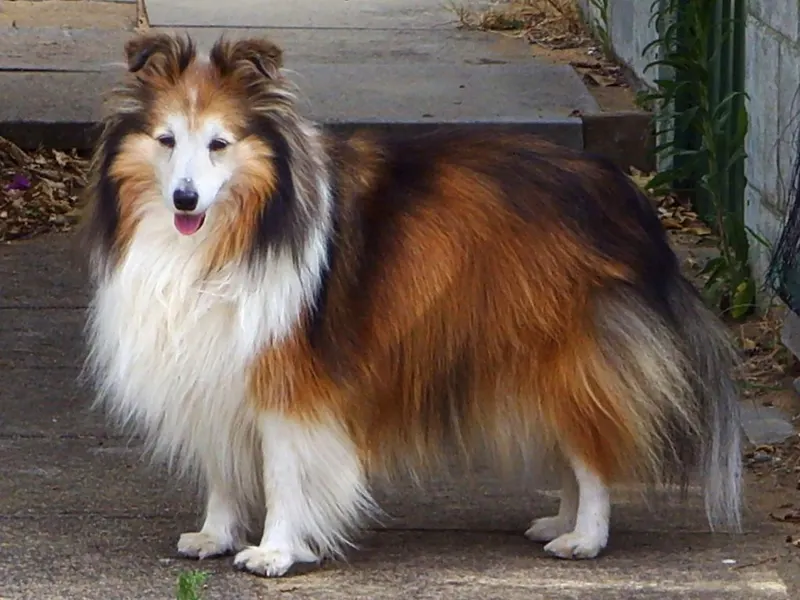
Shetland Sheepdog
Herding
15–25 lbs · 12–14 yrs
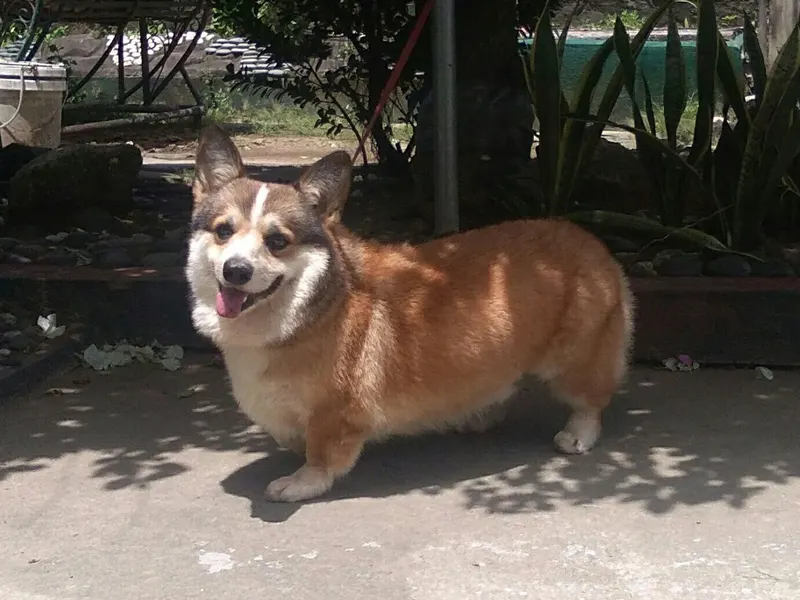
Pembroke Welsh Corgi
Herding
24–30 lbs · 12–13 yrs
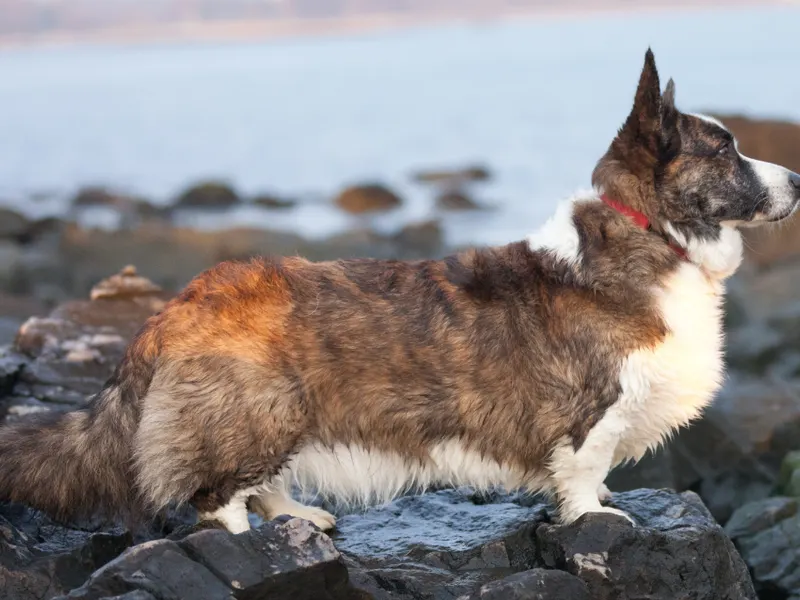
Cardigan Welsh Corgi
Herding
25–38 lbs · 12–15 yrs
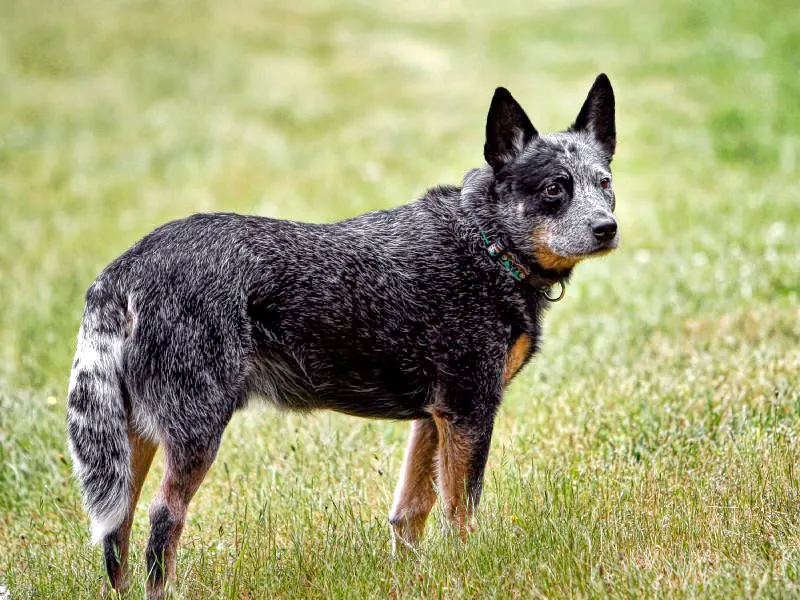
Australian Cattle Dog
Herding
35–50 lbs · 12–16 yrs
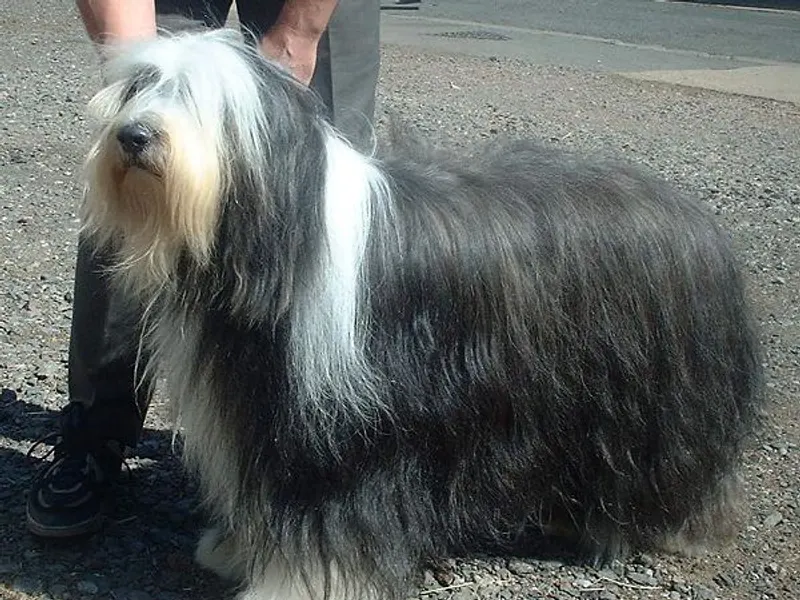
Bearded Collie
Herding
45–55 lbs · 12–14 yrs
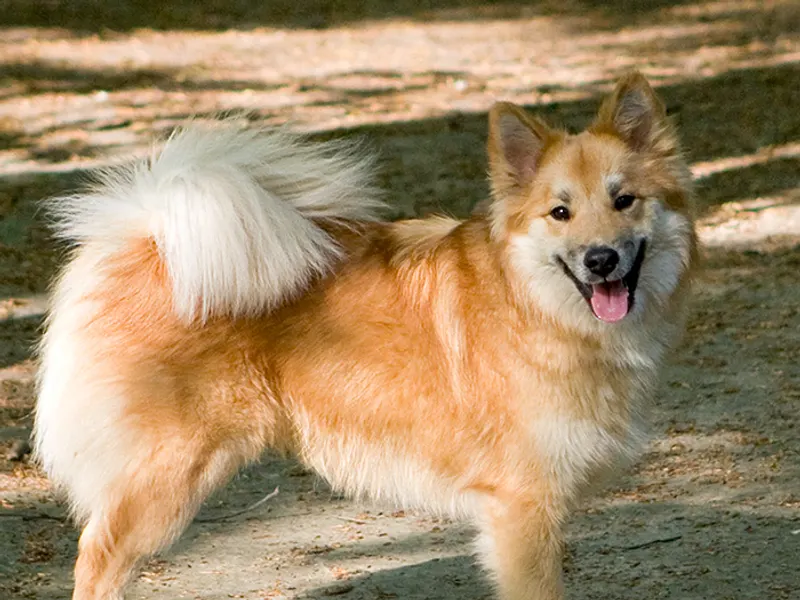
Icelandic Sheepdog
Herding
20–30 lbs · 12–14 yrs
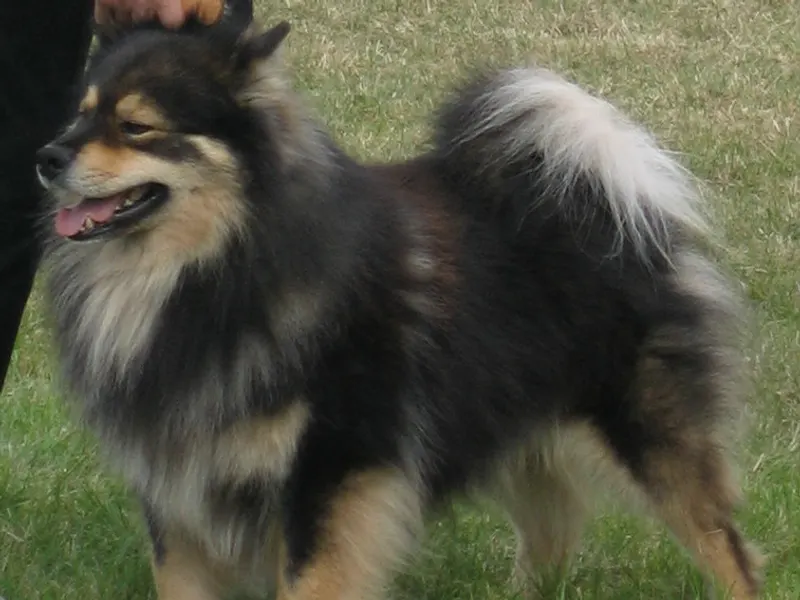
Finnish Lapphund
Herding
33–53 lbs · 12–14 yrs
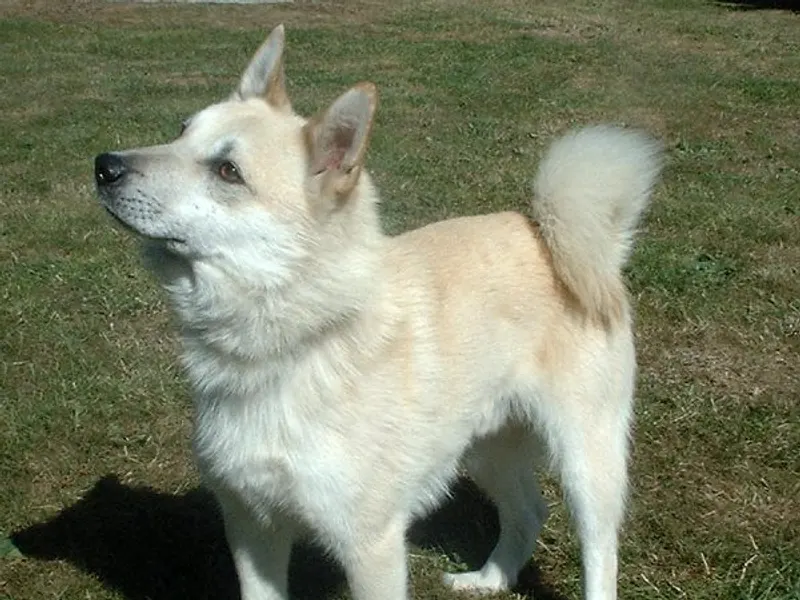
Norwegian Buhund
Herding
26–40 lbs · 12–15 yrs
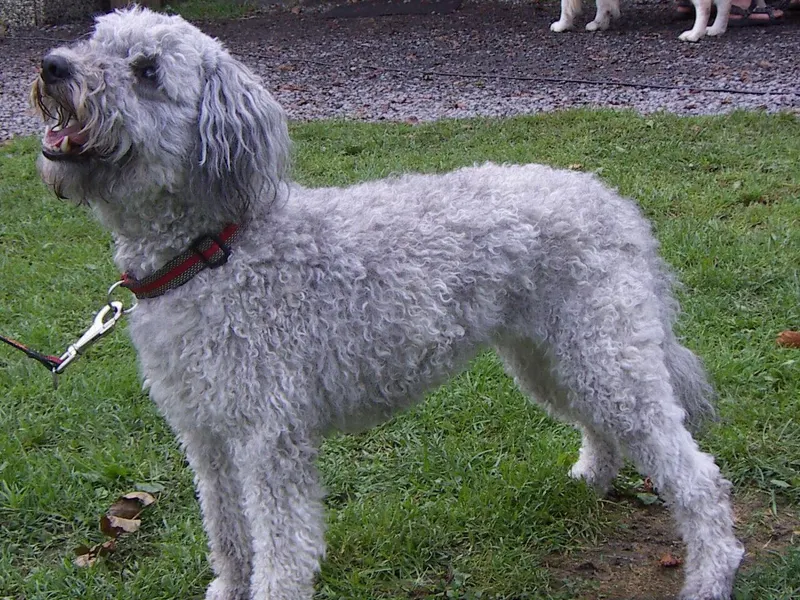
Pumi
Herding
18–33 lbs · 12–13 yrs
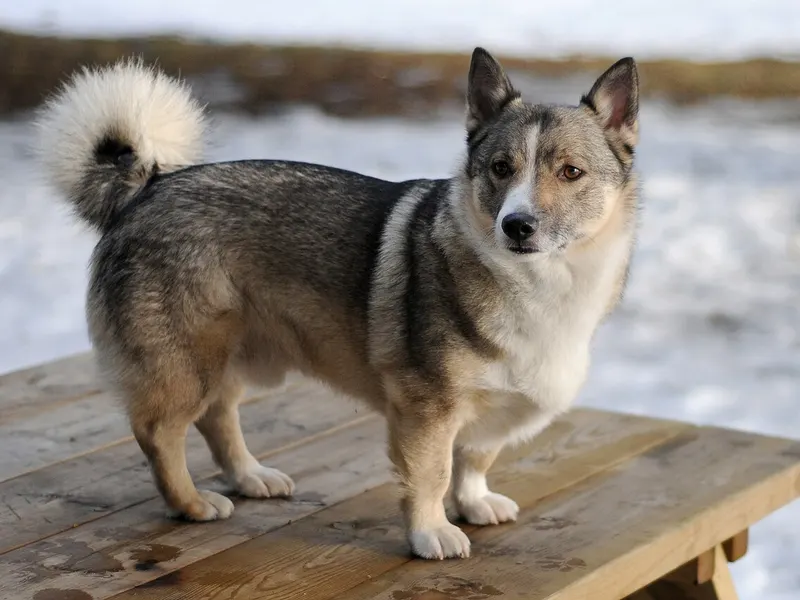
Swedish Vallhund
Herding
20–35 lbs · 12–15 yrs
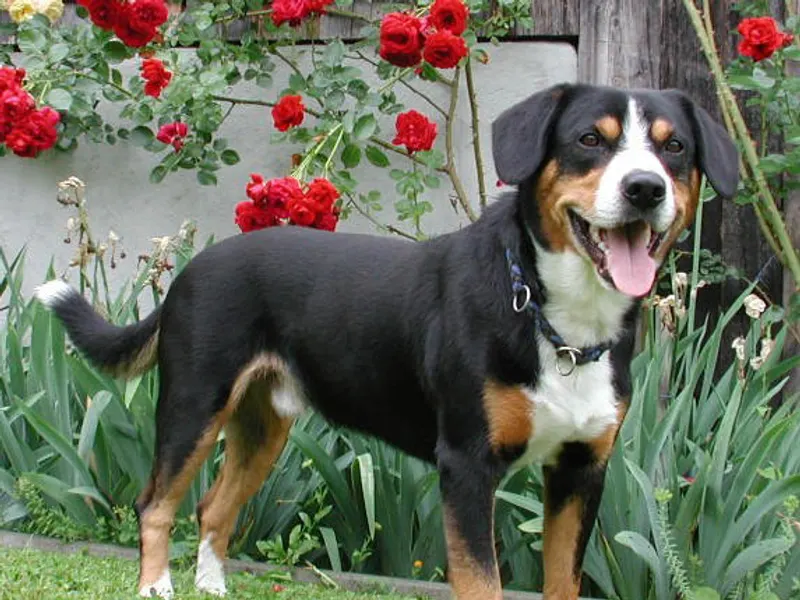
Entlebucher Mountain Dog
Herding
40–65 lbs · 11–15 yrs
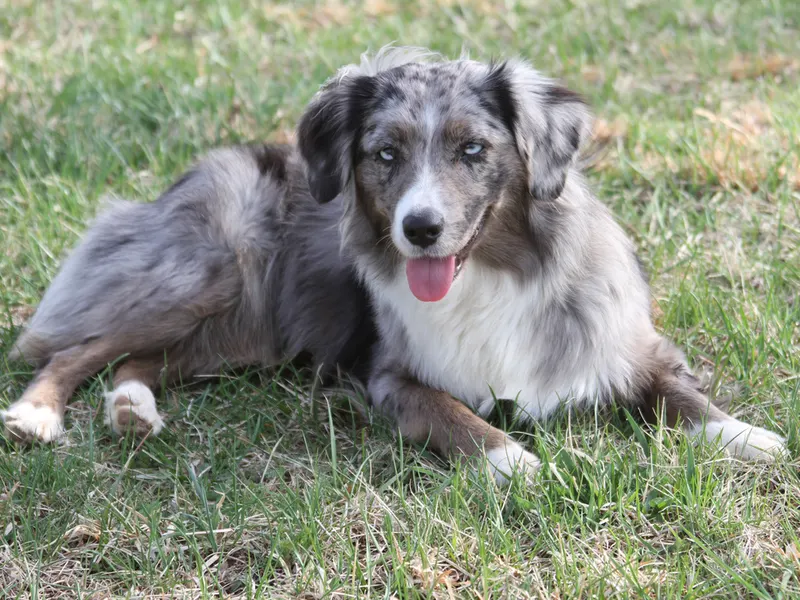
Miniature American Shepherd
Herding
20–40 lbs · 12–13 yrs
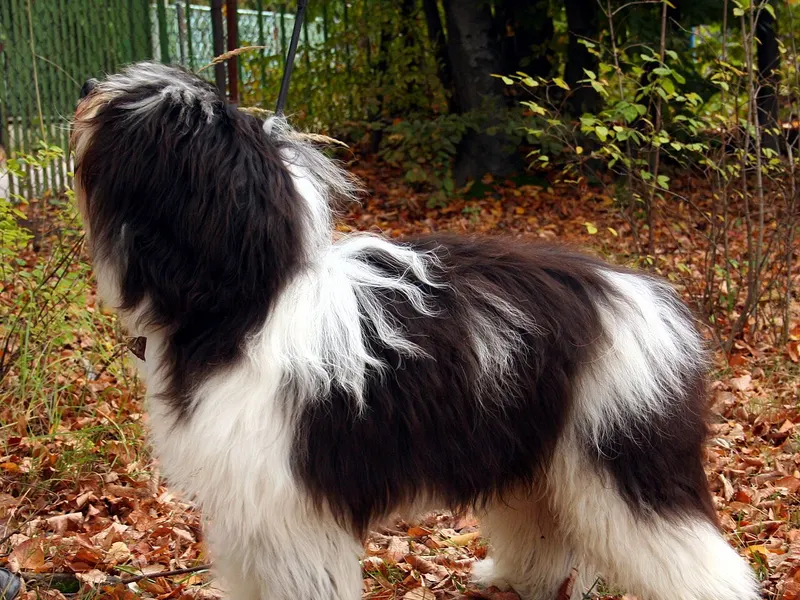
Polish Lowland Sheepdog
Herding
30–50 lbs · 12–14 yrs
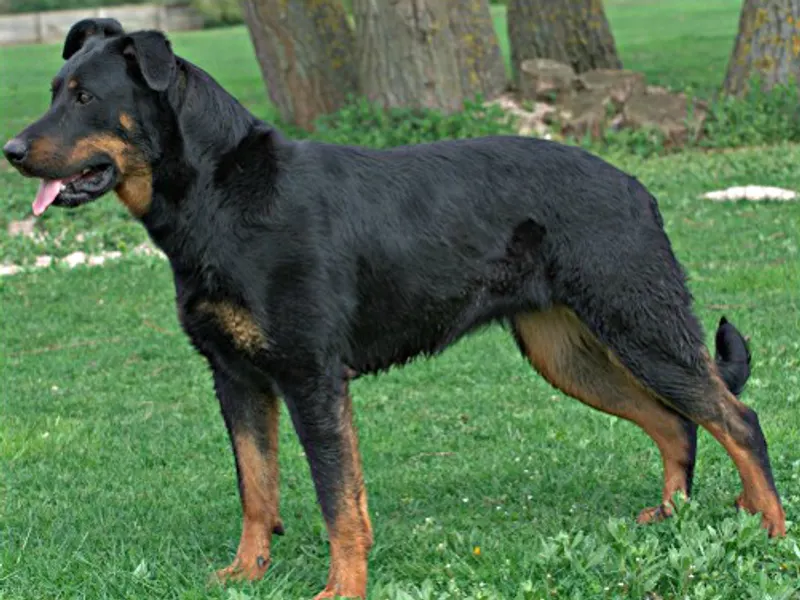
Beauceron
Herding
70–110 lbs · 10–12 yrs
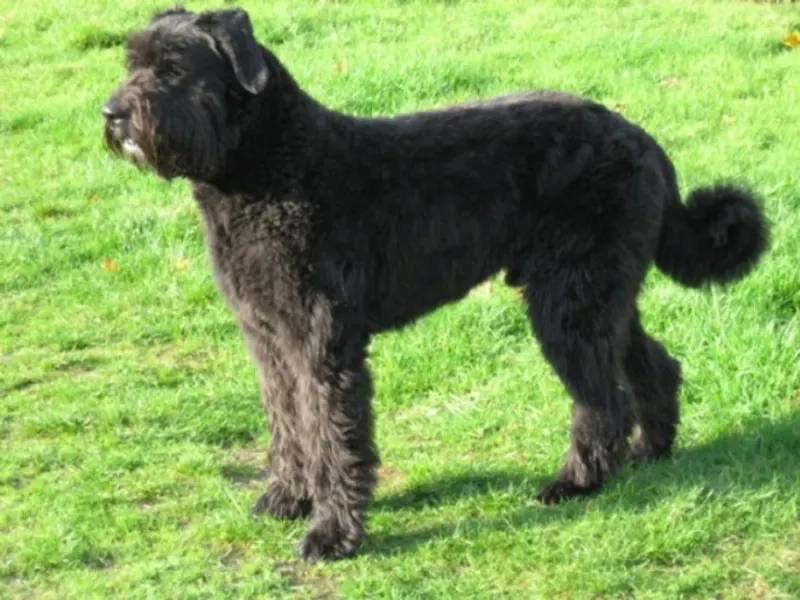
Bouvier des Flandres
Herding
70–110 lbs · 10–12 yrs
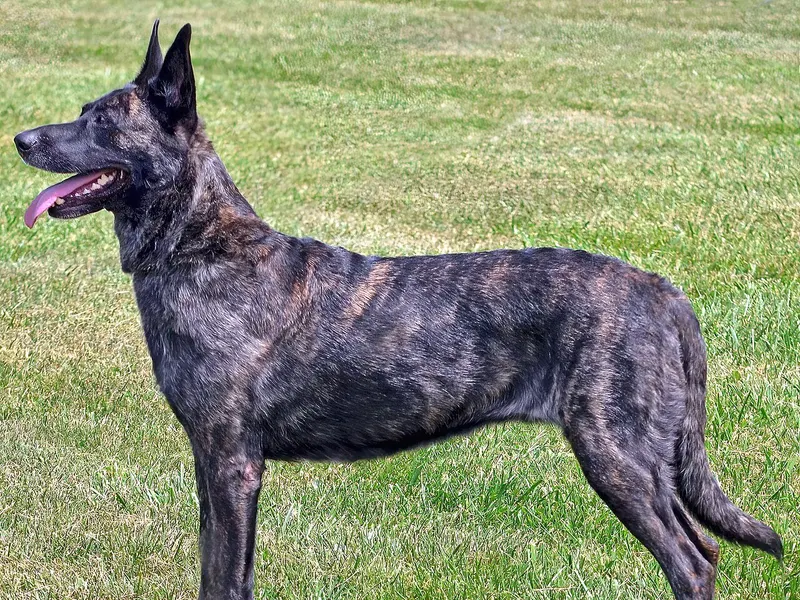
Dutch Shepherd
Herding
42–75 lbs · 11–14 yrs
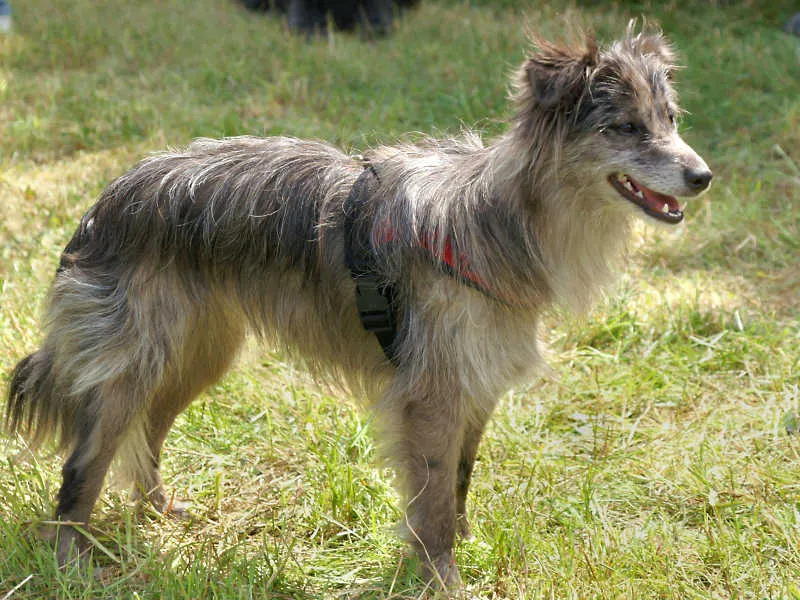
Pyrenean Shepherd
Herding
15–32 lbs · 15–17 yrs
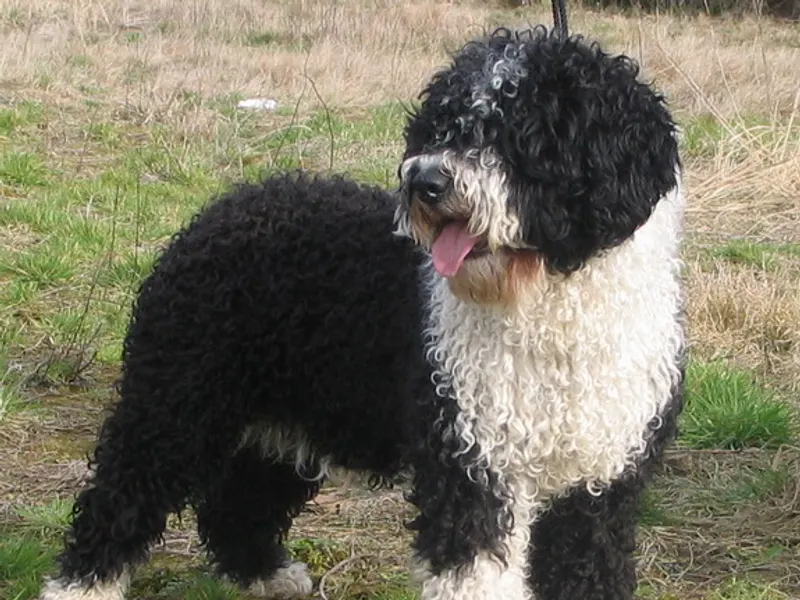
Spanish Water Dog
Herding
31–49 lbs · 12–14 yrs
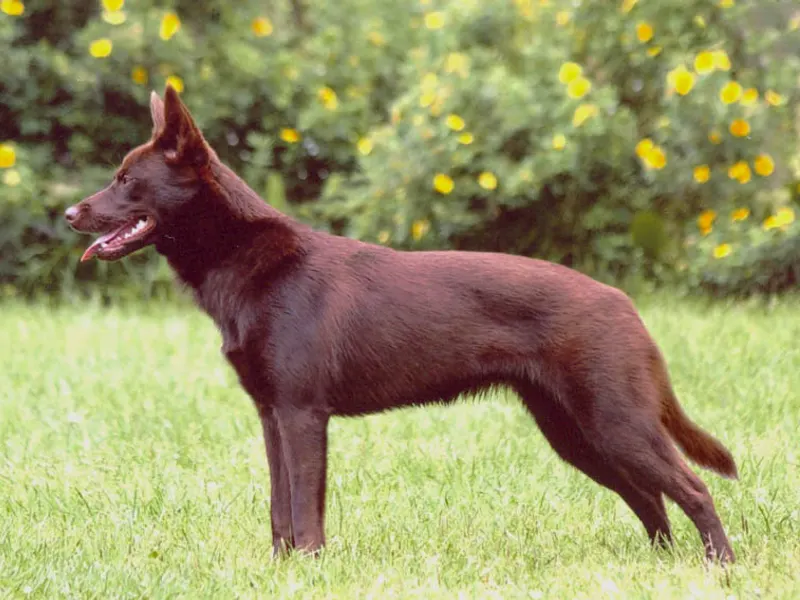
Australian Kelpie
Herding
25–45 lbs · 10–14 yrs
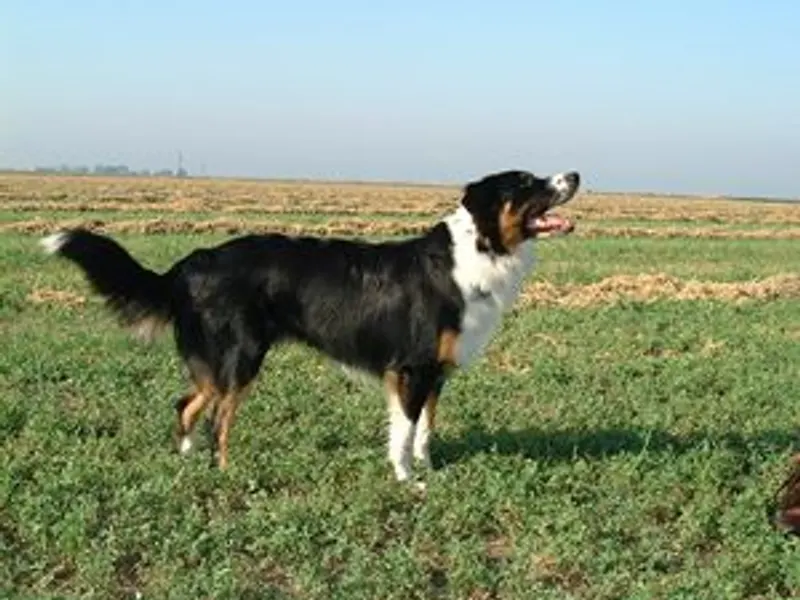
English Shepherd
Herding
40–60 lbs · 12–15 yrs
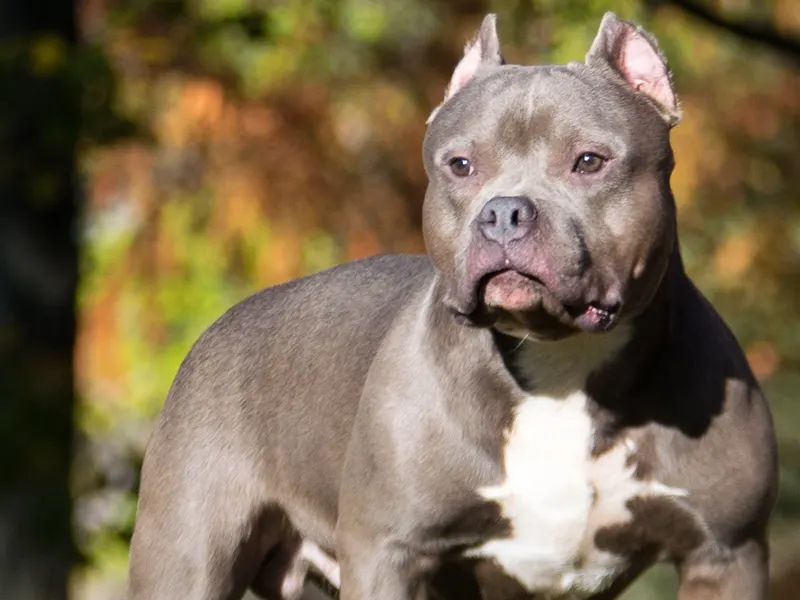
American Bully
Foundation Stock
30–150 lbs · 10–13 yrs
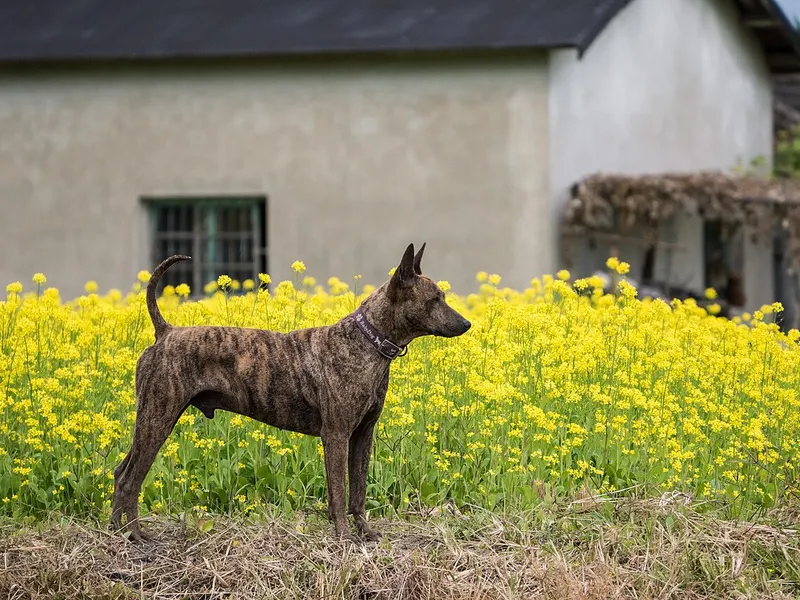
Formosan Mountain Dog
Foundation Stock
26–50 lbs · 13–16 yrs
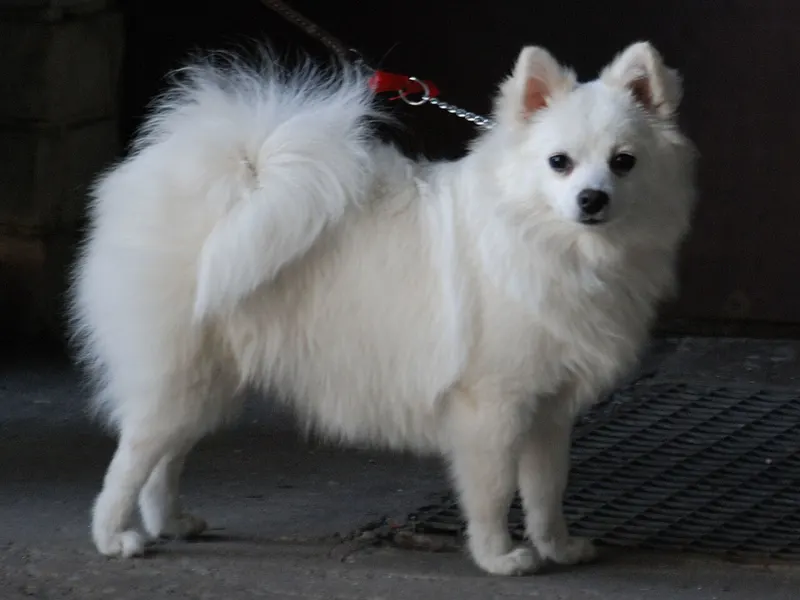
Volpino Italiano
Foundation Stock
9–14 lbs · 14–16 yrs
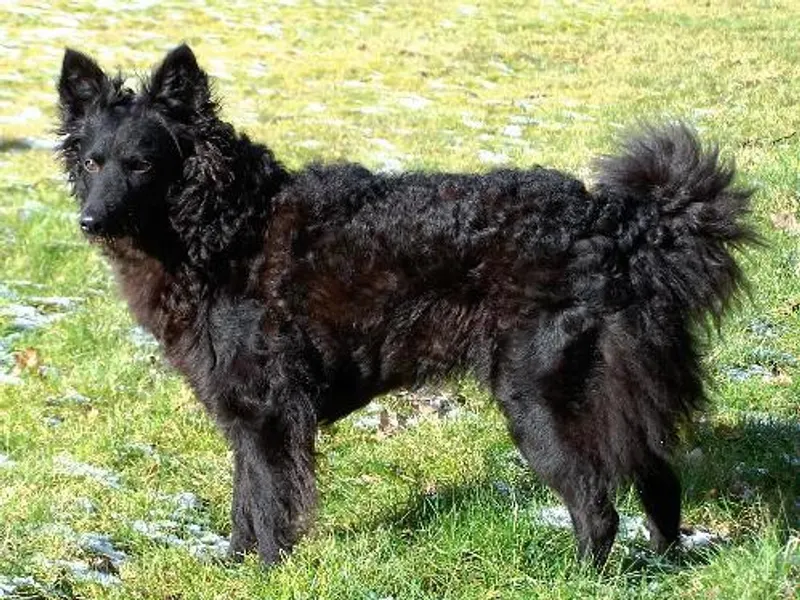
Mudi
Foundation Stock
18–29 lbs · 12–14 yrs
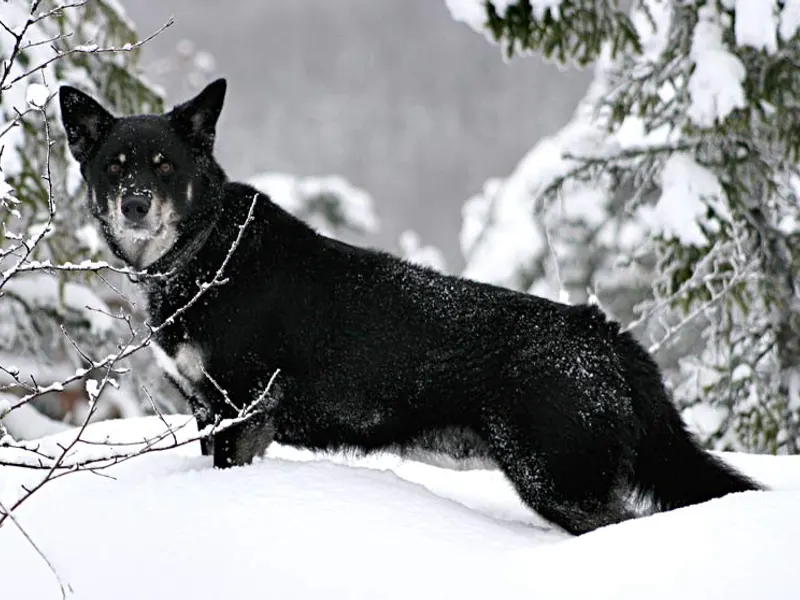
Lapponian Herder
Foundation Stock
40–55 lbs · 12–14 yrs
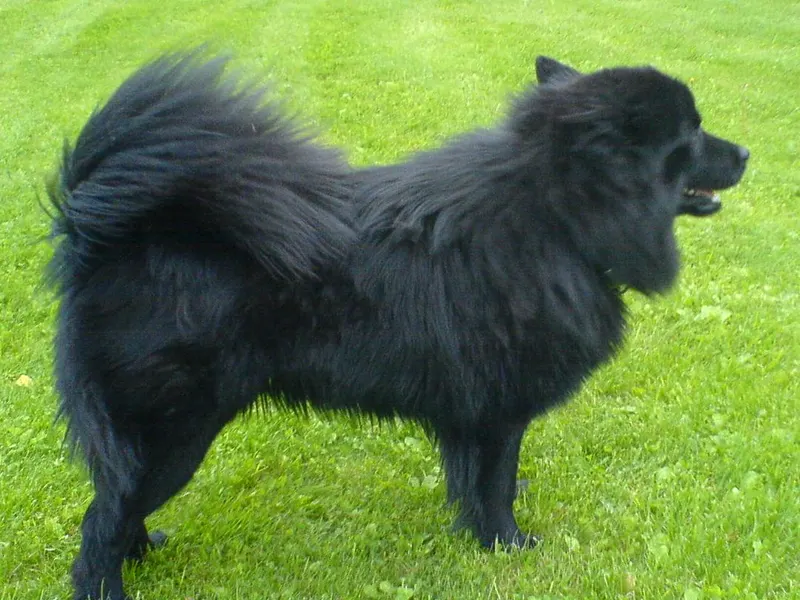
Swedish Lapphund
Foundation Stock
30–44 lbs · 12–15 yrs
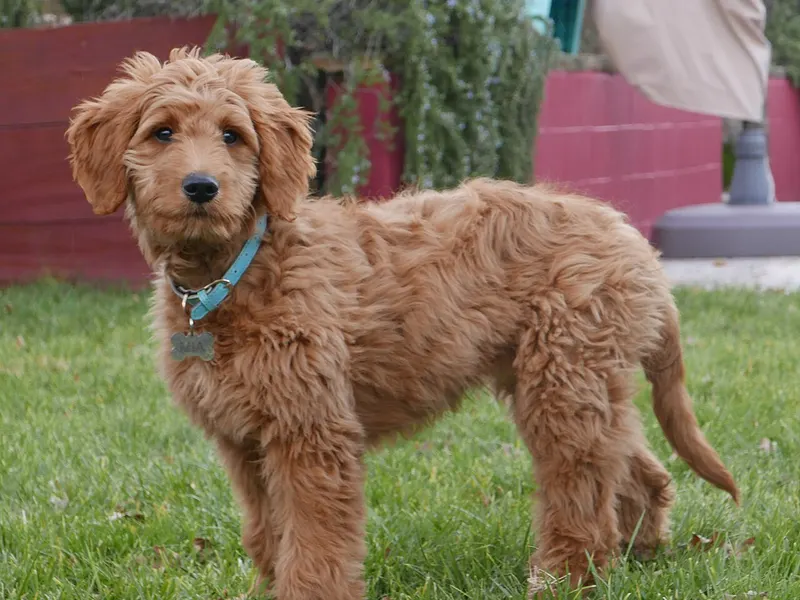
Goldendoodle
Crossbreed
50–90 lbs · 10–15 yrs
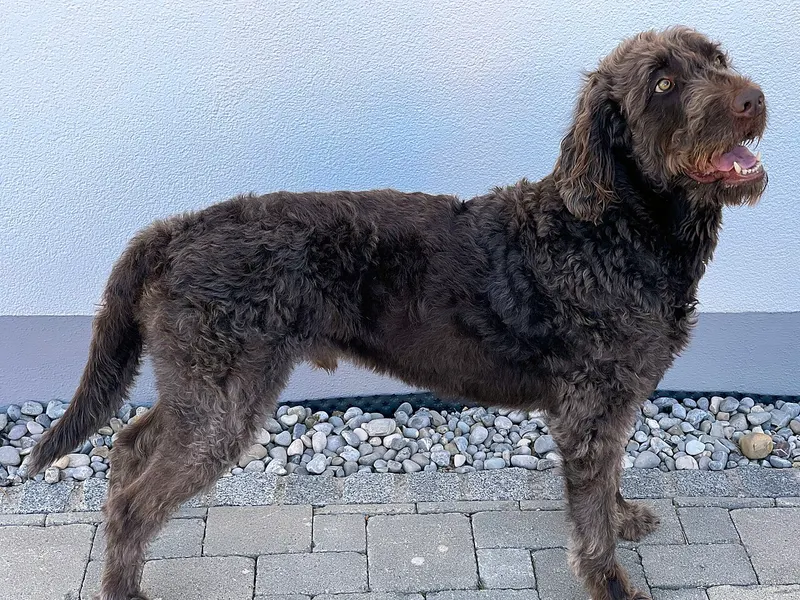
Labradoodle
Crossbreed
45–80 lbs · 12–14 yrs
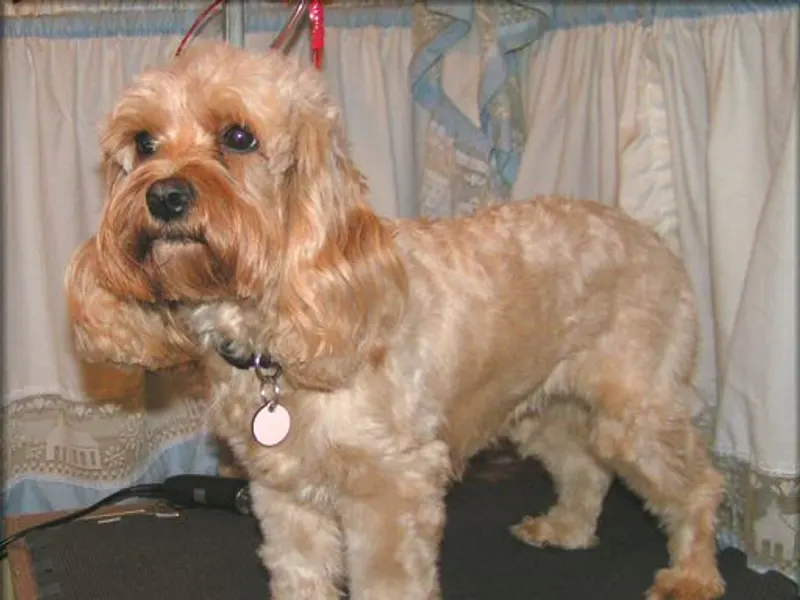
Cockapoo
Crossbreed
12–24 lbs · 13–15 yrs
Maltipoo
Crossbreed
5–20 lbs · 12–15 yrs
Schnoodle
Crossbreed
6–75 lbs · 10–16 yrs
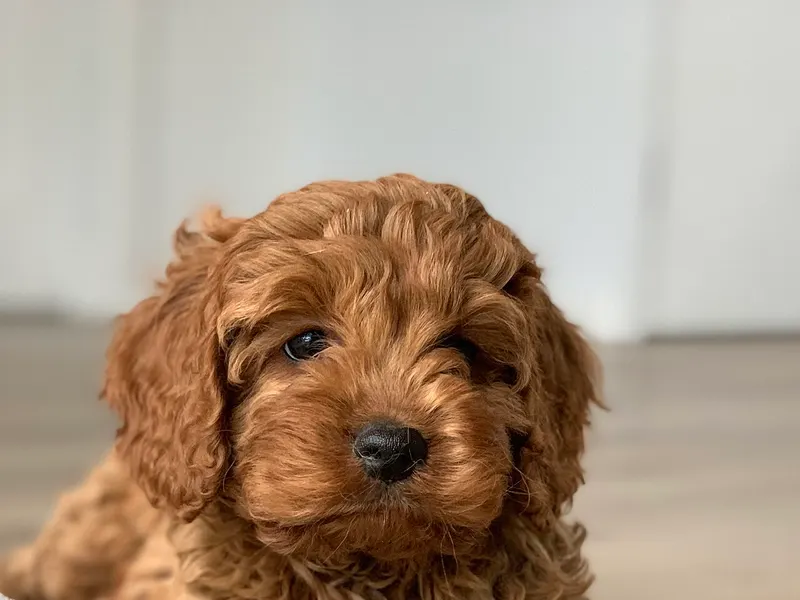
Cavapoo
Crossbreed
9–25 lbs · 12–15 yrs
Yorkipoo
Crossbreed
3–14 lbs · 12–15 yrs
Sheepadoodle
Crossbreed
45–80 lbs · 12–15 yrs
Bernedoodle
Crossbreed
50–90 lbs · 12–15 yrs
Aussiedoodle
Crossbreed
25–70 lbs · 12–15 yrs
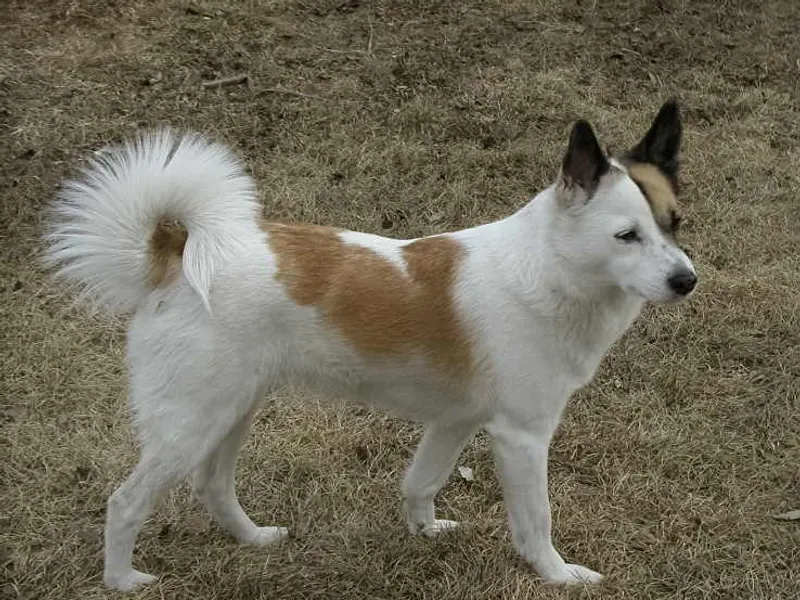
Norrbottenspets
Sporting
20–33 lbs · 14–16 yrs
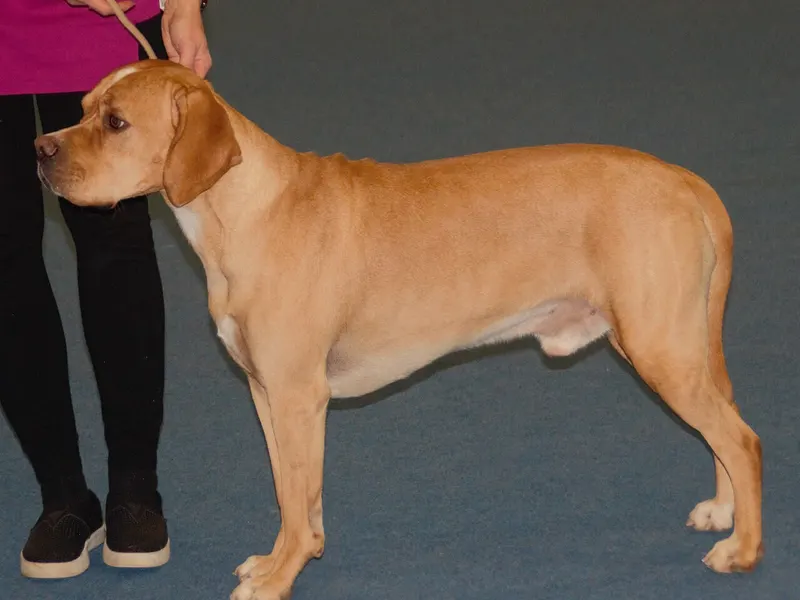
Portuguese Pointer
Sporting
35–55 lbs · 12–14 yrs
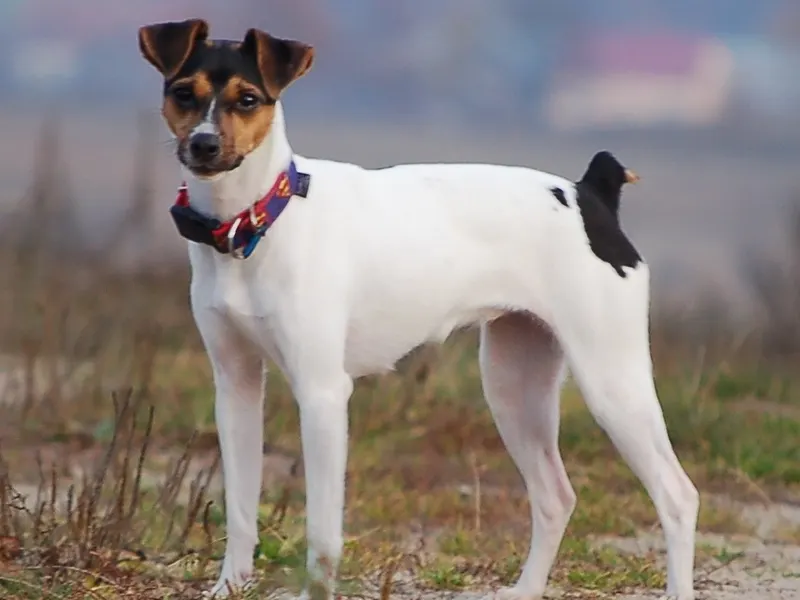
Brazilian Terrier
Terrier
14–22 lbs · 12–14 yrs
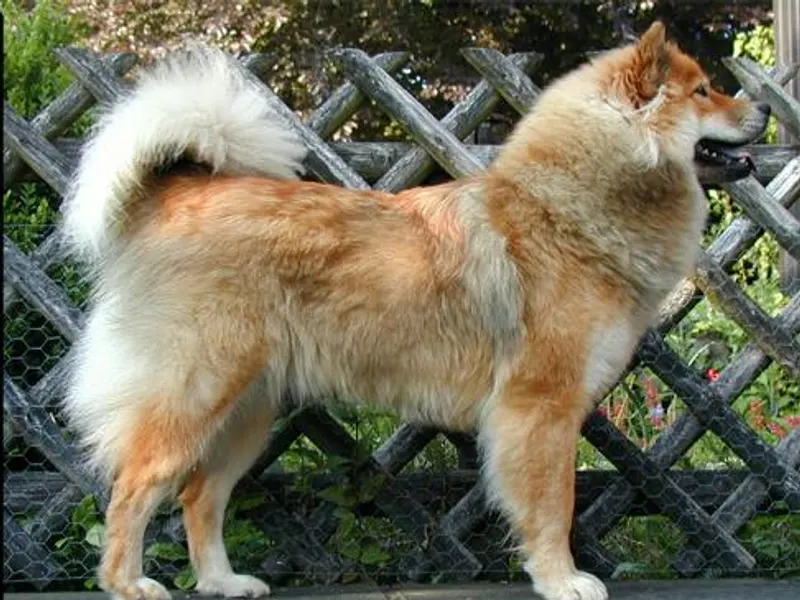
Eurasier
Non-Sporting
40–70 lbs · 11–13 yrs
German Spitz
Non-Sporting
18–29 lbs · 13–15 yrs
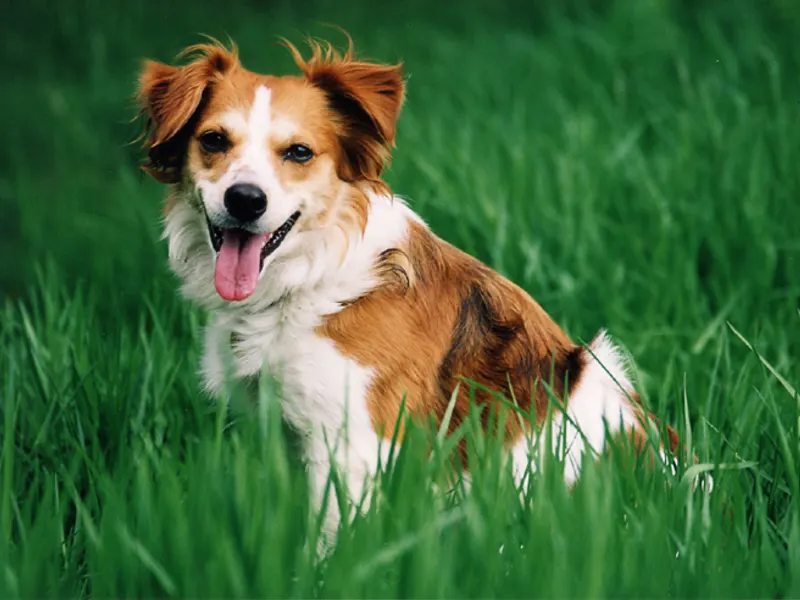
Kromfohrländer
Non-Sporting
20–30 lbs · 13–15 yrs
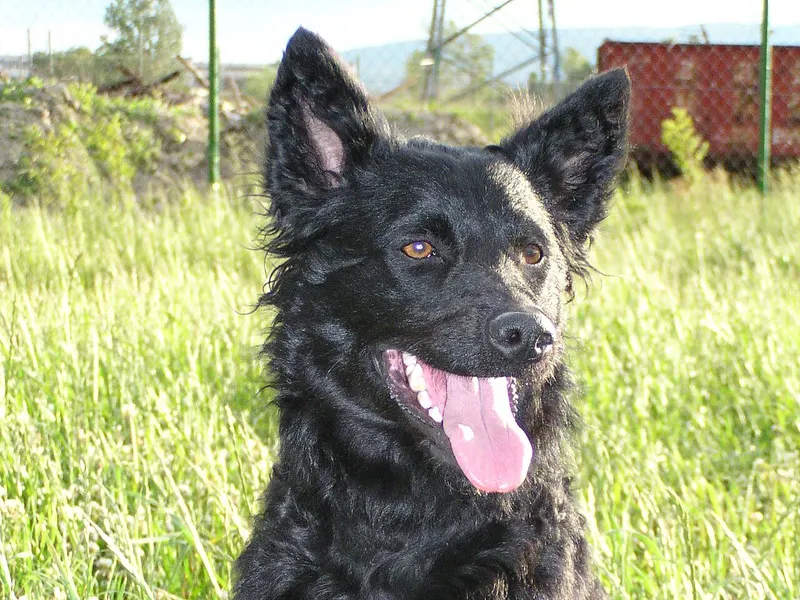
Croatian Sheepdog
Herding
29–44 lbs · 12–14 yrs
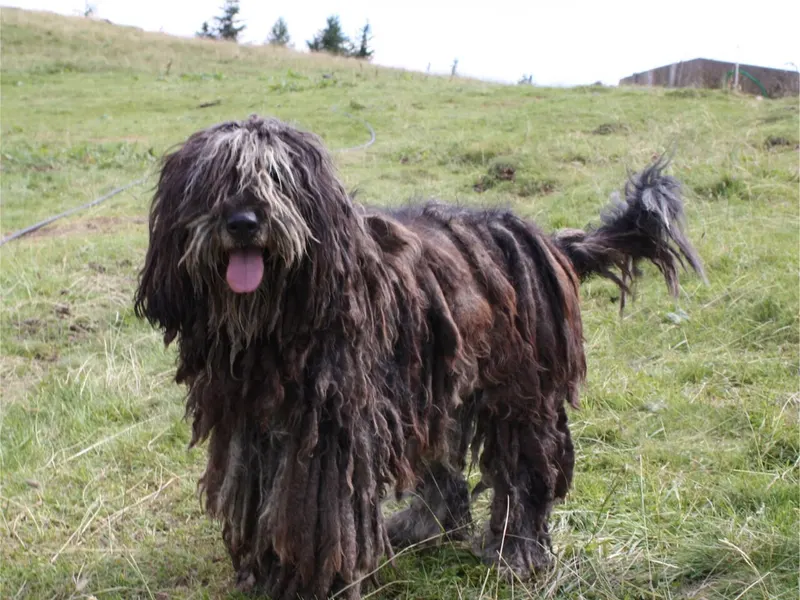
Bergamasco Sheepdog
Herding
57–84 lbs · 13–15 yrs
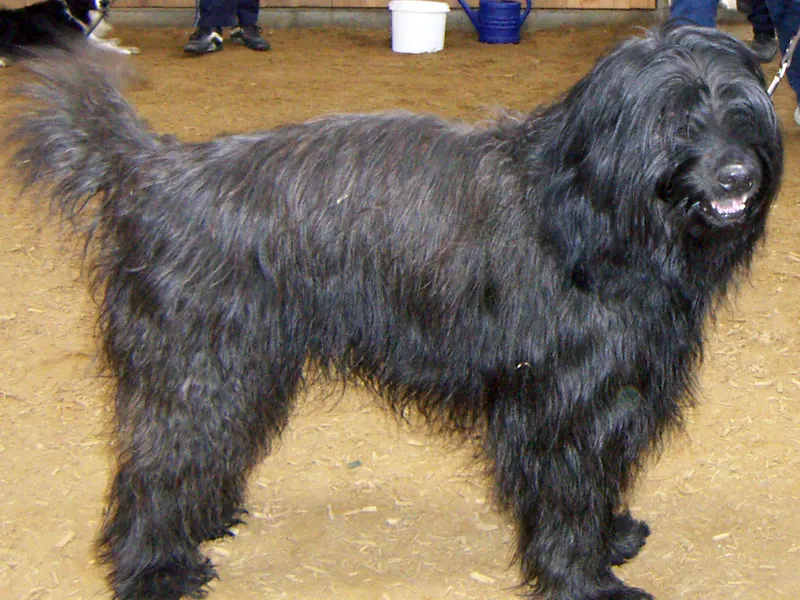
Catalan Sheepdog
Herding
35–55 lbs · 12–14 yrs
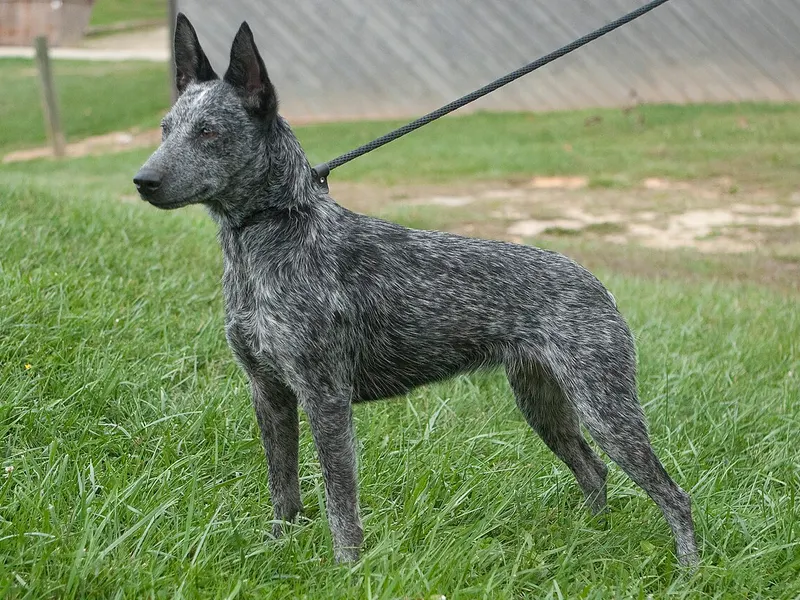
Australian Stumpy Tail Cattle Dog
Herding
33–49 lbs · 12–15 yrs
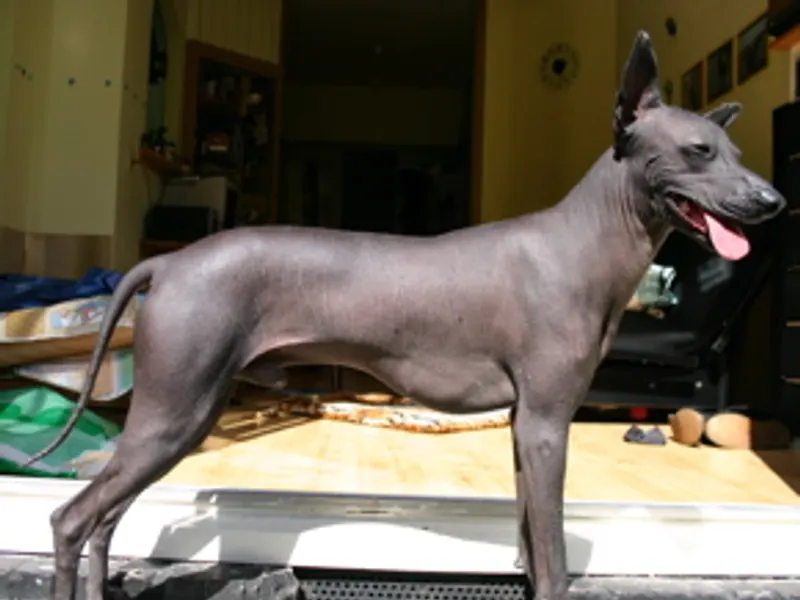
Peruvian Inca Orchid
Foundation Stock
12–55 lbs · 11–12 yrs