Herding Group
Belgian Malinois
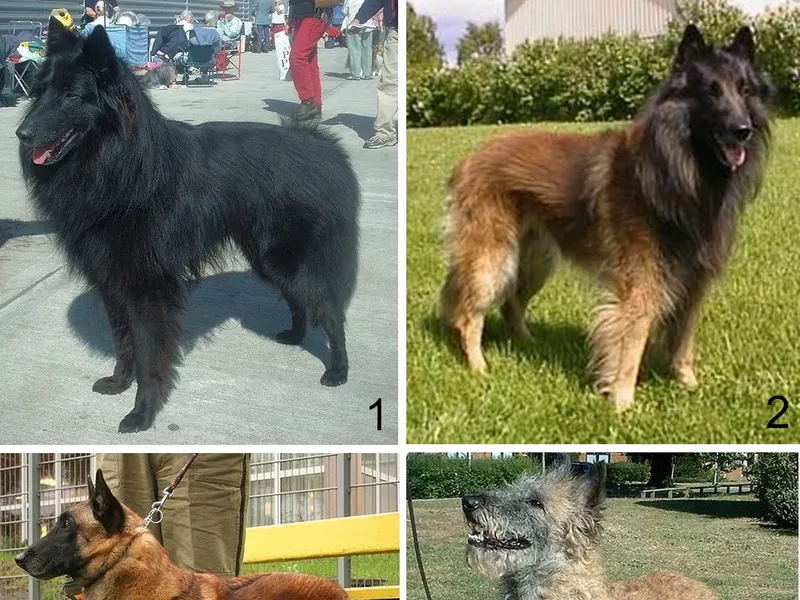
The Belgian Malinois is one of four Belgian herding breed varieties (alongside the Tervuren, Groenendael, and Laekenois) developed in the Malines region of Belgium in the late 1800s to herd and guard sheep, distinguished from its relatives primarily by its short, fawn-and-black coat. The breed's exceptional drive and trainability made it an increasingly common choice for military and police K9 work through the 20th century, and it has largely eclipsed the German Shepherd in elite military working-dog programs in recent decades, including reported use in high-profile special-operations missions. The AKC granted the Malinois full recognition only in 1965, and while it's technically classified in the Herding group alongside its herding-breed relatives, the overwhelming majority of modern Malinois are bred and trained specifically for protection, detection, or sport work rather than any actual sheep-herding role.
Common health predispositions
- Hip dysplasia
- Elbow dysplasia
- Progressive retinal atrophy
Temperament
Belgian Malinois carry maxed-out ratings for energy and trainability, reflecting a working drive so intense that the breed is now widely considered the premier choice for demanding protection, detection, and military work — but that same intensity makes the breed a genuinely poor fit for the vast majority of pet households — its below-average scores for living with kids and other pets are an honest reflection of that mismatch, not reflexive caution. A Malinois without a serious job or structured daily outlet is prone to developing significant behavioral problems, more so than almost any other popular breed.
Living with a Belgian Malinois
This is one of the most exercise-demanding breeds available — 100 minutes of genuinely vigorous physical and mental work daily is closer to a floor than a ceiling, and the breed thrives on structured training, dog sports (IGP/Schutzhund, French ring sport), or actual working roles rather than casual pet ownership. Grooming is minimal for the short coat. Hip and elbow dysplasia and an inherited retinal degeneration both turn up in the breed's health record, but the far more important consideration for most prospective owners is temperament management: reputable breeders and rescue organizations alike generally steer inexperienced or first-time dog owners away from the Malinois specifically, a rare and telling case of breed advocates actively discouraging casual adoption. A well-matched Malinois, kept by an experienced handler with a genuine job or sport outlet, is a different animal entirely — the breed's rising popularity in dog sports like French ring, IGP, and mondioring reflects real enthusiasm among serious working-dog hobbyists specifically drawn to the breed's intensity.
FAQ
Is a Belgian Malinois a good family pet?
For most families, no — the breed's extremely high drive and exercise needs are genuinely difficult to meet in a typical household, and reputable breeders and rescues commonly and explicitly steer inexperienced owners away from the breed, recommending it mainly for owners with serious working-dog sport or professional-handling experience.
Why do police and military programs prefer Malinois over German Shepherds?
The Malinois generally carries an even higher drive, energy level, and resilience than the German Shepherd while being slightly smaller and lighter, traits that have made it increasingly favored in elite working-dog programs over recent decades, including some high-profile special-operations deployments that brought the breed wider public attention.
How much exercise does a Belgian Malinois need?
An exceptional amount — around 100 minutes of genuinely vigorous physical and mental work daily is typical, among the highest of any breed, and the dog generally needs a real job or structured sport rather than casual exercise to stay behaviorally stable.
Are Belgian Malinois related to German Shepherds?
Not closely — despite superficial resemblance and overlapping working roles, the Malinois is one of four distinct Belgian herding breed varieties developed independently in Belgium, while the German Shepherd was standardized separately in Germany; any similarity reflects convergent selection for working ability rather than shared ancestry.
What are the other three Belgian herding breeds besides the Malinois?
The Tervuren (long-haired, fawn with black overlay), the Groenendael (long-haired, solid black), and the Laekenois (wiry-coated, fawn) — all four share the same general Belgian herding-dog foundation but were standardized as distinct varieties primarily by coat type and color rather than fundamentally different working roles.
How is the Belgian Malinois different from the German Shepherd in working roles?
Both serve heavily in police and military work, but the Malinois is generally lighter, faster, and more intensely driven, traits many handlers say make it the preferred choice for elite units like those in the U.S. military's working-dog program, while the German Shepherd's slightly heavier build and different temperament profile suit a broader range of civilian working roles.
Related on FetchBreed
Comparisons
- Belgian Malinois vs Australian Cattle Dog
- Belgian Malinois vs Australian Shepherd
- Belgian Malinois vs Border Collie
- Belgian Malinois vs Collie
- Belgian Malinois vs German Shepherd Dog
- Belgian Malinois vs German Shorthaired Pointer
- Belgian Malinois vs Golden Retriever
- Belgian Malinois vs Goldendoodle
- Belgian Malinois vs Labradoodle
- Belgian Malinois vs Labrador Retriever
- Belgian Malinois vs Pembroke Welsh Corgi
- Belgian Malinois vs Shetland Sheepdog
Lists this breed appears in
Care equipment for a Belgian Malinois
As an Amazon Associate we earn from qualifying purchases made through these links, at no extra cost to you.
- Bite tug and training toy
This page describes a breed that needs a genuine job or sport outlet, and notes its rising popularity in French ring, IGP and mondioring. Grooming is minimal for the short coat, so nothing here is a brush.
- Puzzle feeder
The same requirement for real mental work rather than passive exercise.
Whichever breed fits your life, consider adoption or breed-specific rescue first — many purebred and mixed-breed dogs and cats are already waiting for homes.
General breed information, not veterinary advice — consult a vet for your pet's specific health, diet, and behavior needs.