Toy Group
Toy Poodle
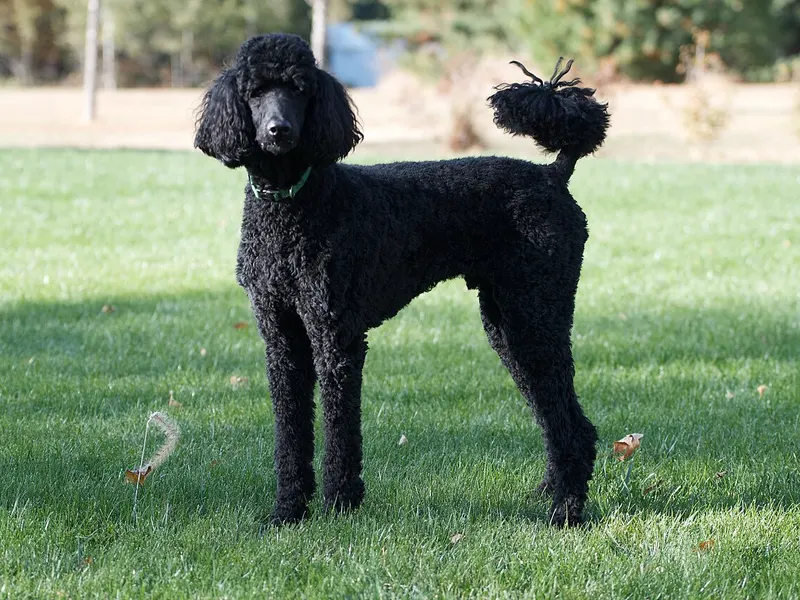
The Poodle's ancestors were water retrievers, and the breed's name likely traces to the German word "Pudel," related to splashing in water, though the Poodle became so strongly associated with France over subsequent centuries that it's now widely recognized as the country's national dog. The Toy Poodle is the smallest of the three AKC-recognized Poodle size varieties — Toy, Miniature, and Standard — all considered a single breed under the standard rather than separate breeds, differing only in height. Toy-sized Poodles developed specifically as companion dogs for aristocratic households, prized for combining the larger Poodle's genuine intelligence and trainability with a size suited to lap-dog life, and the variety has remained one of the most consistently popular toy breeds in the AKC registry for decades.
Common health predispositions
- Patellar luxation
- Progressive retinal atrophy
- Legg-Calve-Perthes disease
Temperament
The Toy Poodle inherits the breed's famously high trainability nearly intact despite its small size, ranking among the smartest toy breeds and regularly excelling in obedience and trick training when given the chance — leave that brain with nothing to do and boredom-driven habits show up fast. GoodWithOtherPets ratings run solidly good, reflecting the breed's generally sociable, adaptable temperament, though goodWithKids sits more moderate given the Toy's small, physically delicate size rather than any temperament issue; rough handling by young children is a real injury risk. Toy Poodles can be more prone to separation-related anxiety and vocal alerting than the larger Poodle varieties, a pattern common across many toy breeds rather than unique to this one.
Living with a Toy Poodle
Thirty minutes of daily activity, mixed with genuine mental engagement, keeps a Toy Poodle satisfied — the breed's intelligence means training games and puzzle toys do real work here, not just physical exercise. Unlike a shedding breed's seasonal blowouts, this coat just keeps growing, curling tighter and matting closer to the skin the longer it goes between a trim, which is why most owners book a groomer every four to six weeks rather than waiting for visible shedding to prompt one. Allergy sufferers often do better around a Toy Poodle than around a heavier-shedding breed, though 'better' isn't the same as allergen-free, and meeting the individual dog first remains the safest test. Patellar luxation, progressive retinal atrophy, and Legg-Calve-Perthes disease turn up often enough in the breed that a knowledgeable breeder should be able to speak to all three without hesitation. Because of its small size, the Toy Poodle is also more vulnerable than larger breeds to dental crowding and to injury from falls or rough play, both practical considerations for households with very young children or larger dogs in the home.
FAQ
Is a Toy Poodle a different breed from a Standard Poodle?
No — the AKC recognizes Toy, Miniature, and Standard as size varieties of a single Poodle breed, differing only in height rather than being separate breeds, and all three share the same general temperament and coat type.
Are Toy Poodles good with young children?
Best with supervision — the breed's small, delicate size makes it vulnerable to injury from rough handling, so goodWithKids compatibility runs more moderate than the breed's friendly temperament alone would suggest.
How much grooming does a Toy Poodle need?
A significant, ongoing commitment — because this coat keeps lengthening instead of shedding out on a season, professional trims every four to six weeks are standard, along with regular at-home brushing to keep matting at bay in between.
Are Toy Poodles hypoallergenic?
'Hypoallergenic' oversells it — every dog sheds some allergen — but the Toy Poodle's minimal-shed coat genuinely puts less dander into the air than most breeds, which is why allergy sufferers so often gravitate toward it; testing the waters with the specific dog beforehand is still the smart move.
Do Toy Poodles bark a lot?
Some do — like many toy breeds, Toy Poodles can be prone to vocal alerting and separation-related anxiety if left alone often or under-stimulated, though consistent training and enough mental engagement generally keep this manageable.
How long do Toy Poodles typically live?
Most sources cite 12 to 15 years, and it's genuinely common for individual dogs to push past that ceiling, part of the broader pattern of longer lifespans among small toy breeds without extreme structural traits.
Are Toy Poodles good for people with allergies but also want an active dog?
Reasonably — the breed's genuine athleticism and enthusiasm for training and trick work make it more physically engaging than many other low-shed toy breeds, a real plus for allergy-conscious owners who still want a dog with some get-up-and-go.
What colors do Toy Poodles come in?
A wide range, including black, white, apricot, red, cream, silver, and parti-color patterns, all cosmetic variations within the breed standard with no meaningful link to temperament or health.
How big does a Toy Poodle get?
The smallest of the three Poodle sizes — typically 4 to 6 pounds and under 10 inches at the shoulder, developed specifically as a scaled-down companion variety for households wanting Poodle intelligence in a lap-dog-sized package.
Is a Toy Poodle a good family dog?
Good for families with older, gentler children — the breed's affectionate, trainable temperament suits family life well, though its small, delicate frame means supervision matters more than it would with a sturdier breed.
Do Toy Poodles do well with other dogs?
Generally yes — the breed's sociable, adaptable temperament extends to other dogs, and Toy Poodles typically do fine in multi-pet households, though size differences with much larger dogs are worth managing carefully.
Are Toy Poodles prone to dental problems?
Yes, more than larger breeds — small jaws crowd teeth together, making plaque buildup and dental disease a genuine, common concern that benefits from regular home dental care and professional cleanings.
Related on FetchBreed
Care equipment for a Toy Poodle
As an Amazon Associate we earn from qualifying purchases made through these links, at no extra cost to you.
- Puzzle toys
Named on the page: training games and puzzle toys do real work here, not just physical exercise.
- Slicker brush
The coat just keeps growing, curling tighter and matting closer to the skin the longer it goes between trims.
- Dog toothbrush and paste
Dental crowding is called out on this page as a practical consequence of the breed's small size.
Whichever breed fits your life, consider adoption or breed-specific rescue first — many purebred and mixed-breed dogs and cats are already waiting for homes.
General breed information, not veterinary advice — consult a vet for your pet's specific health, diet, and behavior needs.