Low Shedding Dogs
Shedding is the normal, healthy process of a dog's coat cycling out old hair to make room for new growth, and how much of it ends up on your floor comes down mostly to coat type rather than breed size or personality. Double-coated breeds — those with a dense, insulating undercoat beneath a coarser outer layer, like Labradors, German Shepherds, and Huskies — blow their undercoat seasonally in dramatic clumps and shed lightly year-round in between. Single-coated and continuously-growing coats, by contrast, don't cycle the same way; hair that would otherwise fall out gets caught in the coat itself and needs to be cut or brushed out, which is why breeds built this way top low-shedding lists. The breeds that qualify here — Poodles, Bichons Frises, Portuguese Water Dogs, Schnauzers, various terriers with wiry coats, and hairless breeds like the Xoloitzcuintli — share one of two structural traits: a coat that grows continuously like human hair rather than cycling seasonally, or so little coat that there's minimal hair to shed in the first place. This is a distinct claim from "hypoallergenic," even though the two lists overlap heavily; shedding is about visible hair loss and household mess, while allergy reactions are driven by dander and saliva proteins that a low-shedding dog can still produce in normal amounts. A low-shedding dog is not automatically allergy-friendly, though in practice most low-shedding coats do trap and redistribute less loose dander around a home. Low shedding is not the same as low maintenance, and this is the misconception that trips up the most new owners. Continuously-growing coats like a Poodle's or a Bichon's need professional trimming roughly every six to eight weeks and daily brushing to prevent painful matting at the skin, which over a dog's lifetime is a real and recurring cost that a seasonal double-coat shedder simply doesn't have. Wire-coated terriers sometimes need hand-stripping, a specific grooming technique that plucks dead hair rather than cutting it, to keep the coat's texture correct — a service not every groomer offers. Anyone drawn to this list purely to avoid vacuuming should weigh that against the grooming bill and time commitment before assuming they've found the easier option. A handful of double-coated breeds get mistakenly lumped into low-shedding conversations because their shedding is less visible on certain flooring or clothing colors, which is worth flagging as a myth: coat color or texture affecting visibility is not the same as the dog actually shedding less. True low shedders are defined by coat growth pattern, confirmed by veterinary and grooming literature on coat biology, not owner anecdote about how much hair they happen to notice. Breeds appear on this list only where that structural coat trait is well documented across breed standards and veterinary dermatology sources. If minimizing loose hair around the house is the actual goal rather than allergy management specifically, it's worth being honest that no dog is hair-free — even hairless breeds can shed some body hair and always shed skin cells — and that a well-groomed double-coated dog on a consistent brushing schedule can sometimes be less disruptive day-to-day than a poorly maintained curly-coated one whose coat has matted and needs an expensive, sometimes distressing shave-down at the groomer. A few additional breeds worth naming for anyone building out a genuine shortlist: the Miniature Schnauzer and Standard Schnauzer both carry the same wiry, low-shedding coat structure as their larger cousin the Giant Schnauzer, the Irish Water Spaniel combines a tight, curly coat with genuine retrieving ability for anyone wanting both traits together, and the Chinese Crested's hairless variety sheds essentially nothing from its bare skin while its "powderpuff" variety — a fully coated version of the same breed — still sheds notably less than most double-coated dogs. Coat color has no bearing on shedding volume despite a persistent owner belief that darker coats "show" less hair; what actually varies shedding volume is coat structure and growth cycle, not pigment. It's also worth flagging a real, if less discussed, downside of continuously-growing coats: because the hair doesn't shed out naturally, matted or neglected coats on these breeds can trap moisture, debris, and bacteria against the skin, leading to skin infections that a seasonally-shedding double coat is less prone to since old hair and trapped debris get released rather than accumulating. This makes the grooming schedule for low-shedding breeds a genuine health matter, not simply a cosmetic one, and it's part of why professional groomers recommend against stretching a curly-coated dog's trim schedule too far past the standard six-to-eight-week window even when the coat still looks presentable from a distance.
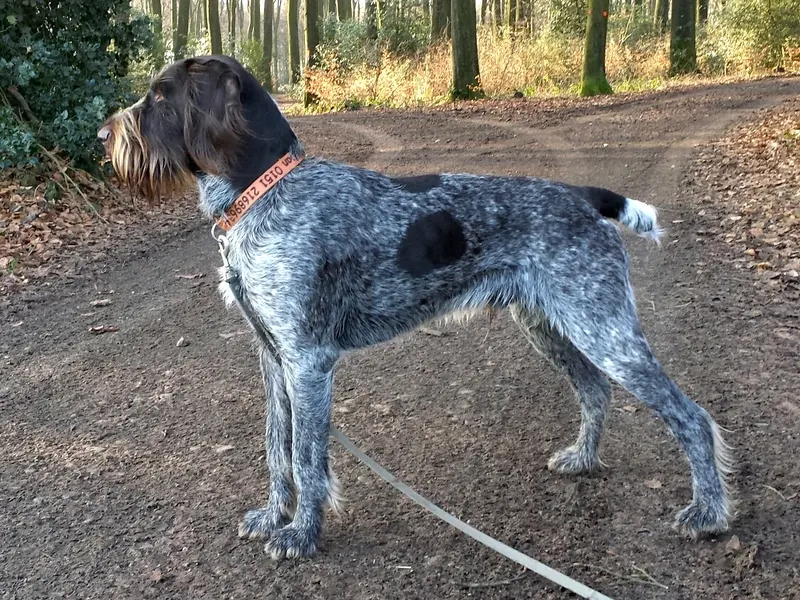
German Wirehaired Pointer
Sporting
50–70 lbs · 12–14 yrs
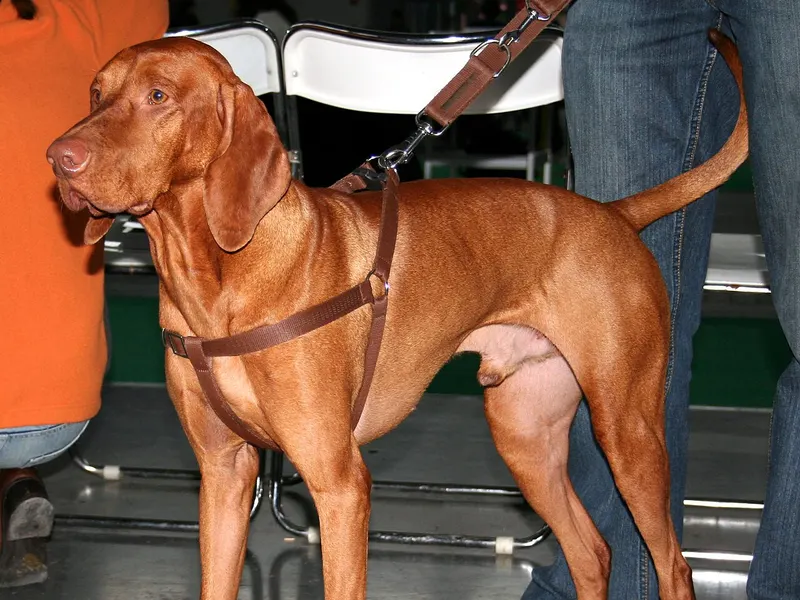
Vizsla
Sporting
44–60 lbs · 12–14 yrs
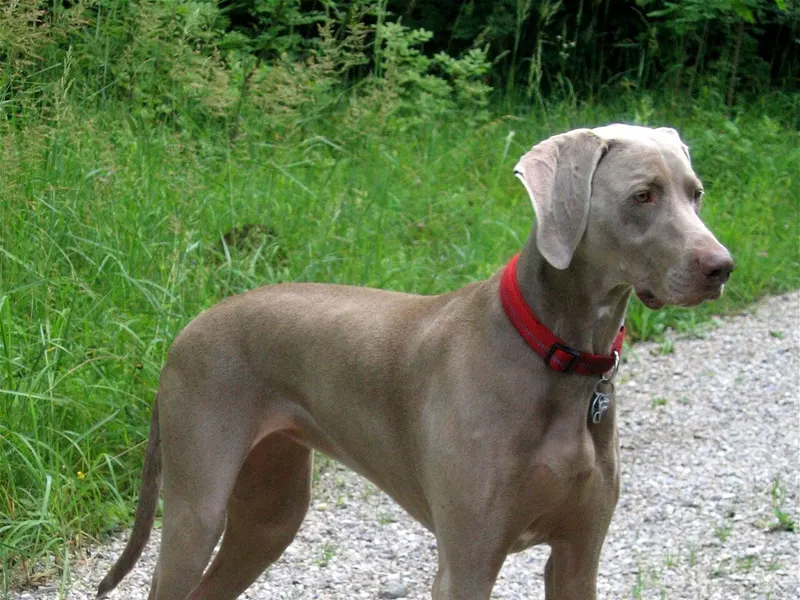
Weimaraner
Sporting
55–90 lbs · 10–13 yrs
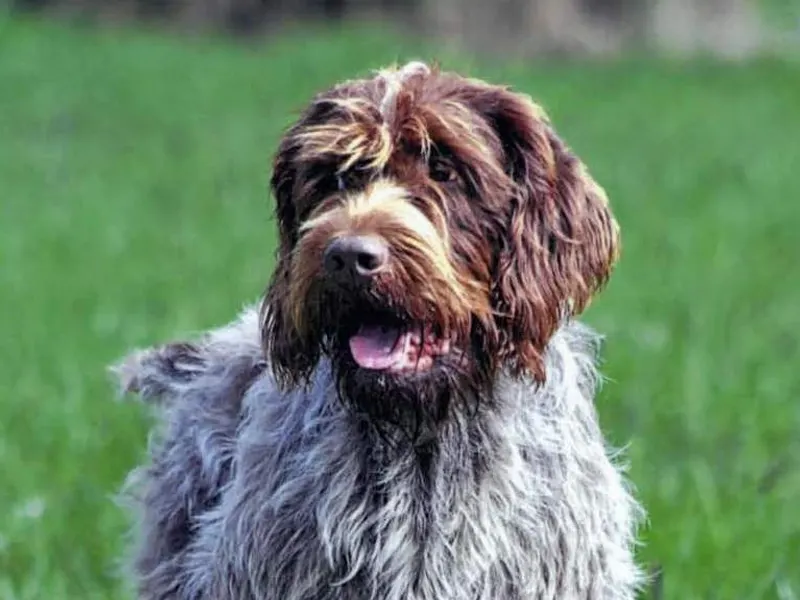
Wirehaired Pointing Griffon
Sporting
35–70 lbs · 12–14 yrs
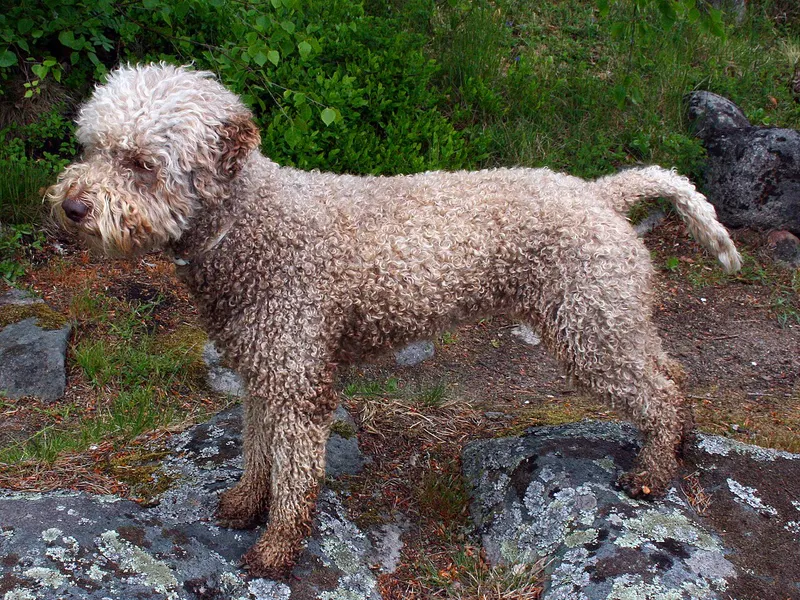
Lagotto Romagnolo
Sporting
24–35 lbs · 15–17 yrs
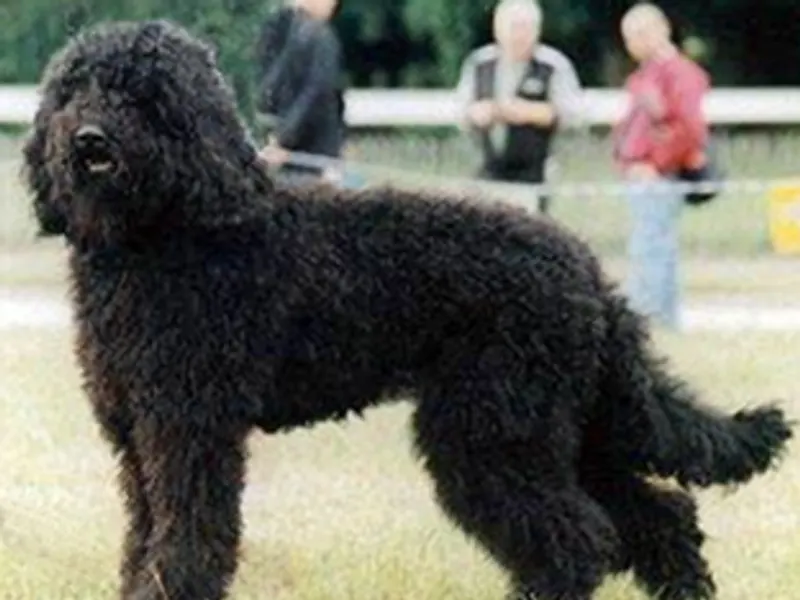
Barbet
Sporting
35–65 lbs · 13–15 yrs
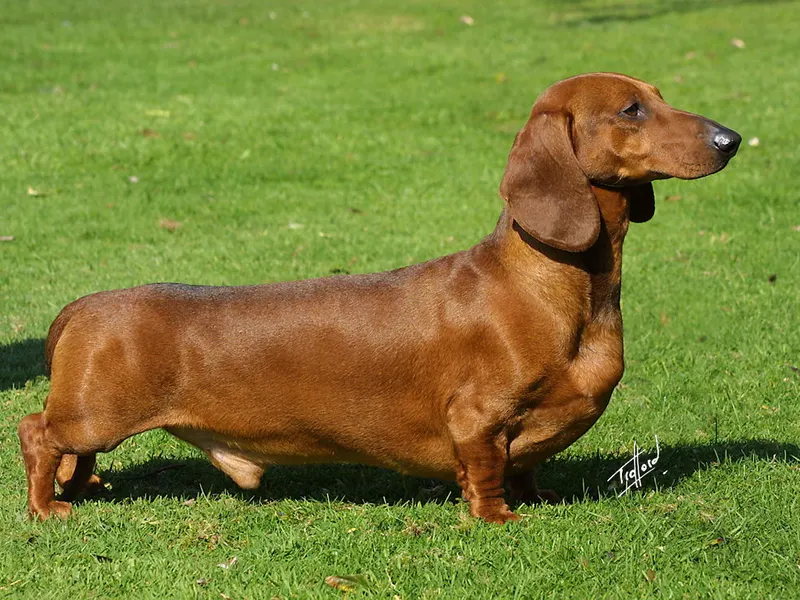
Dachshund
Hound
11–32 lbs · 12–16 yrs
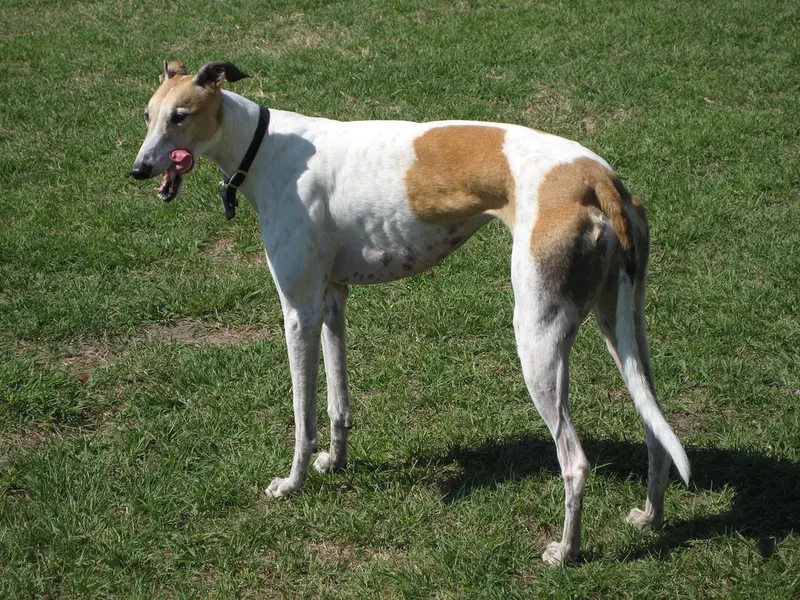
Greyhound
Hound
60–88 lbs · 10–14 yrs
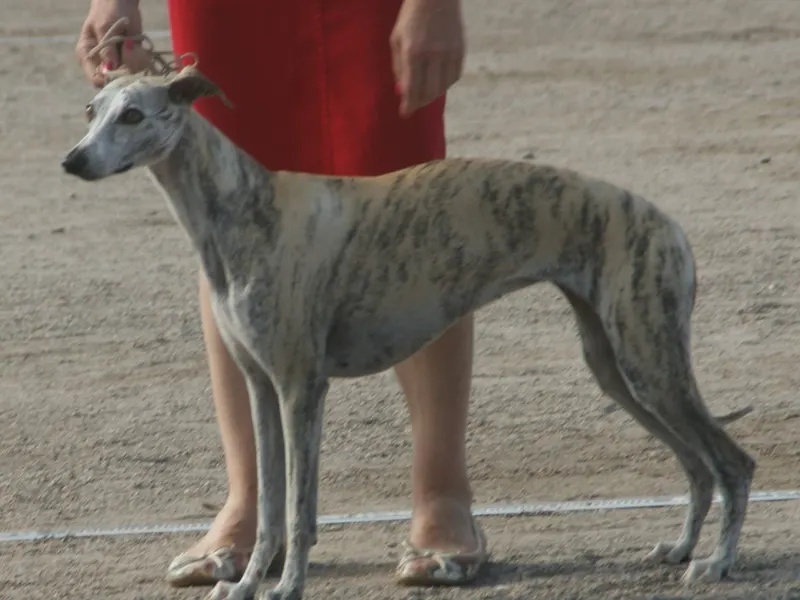
Whippet
Hound
25–40 lbs · 12–15 yrs
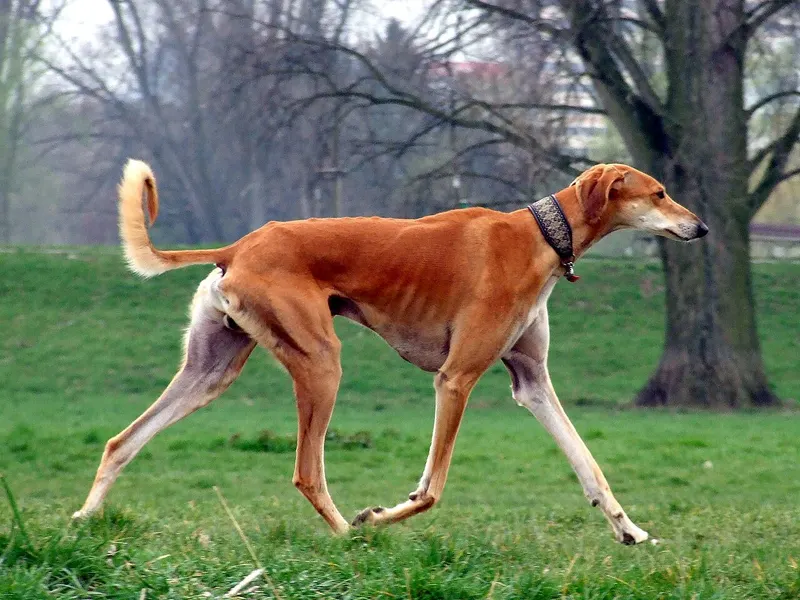
Saluki
Hound
40–65 lbs · 12–14 yrs
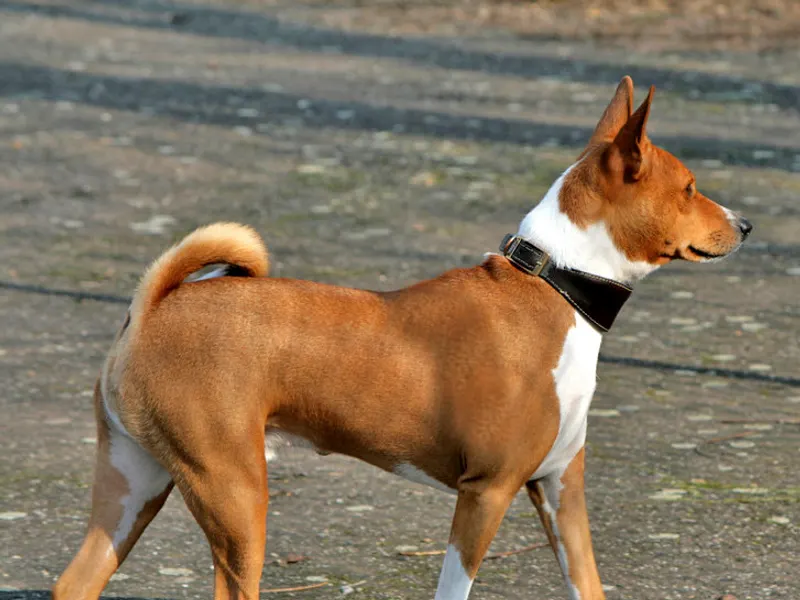
Basenji
Hound
22–24 lbs · 13–14 yrs
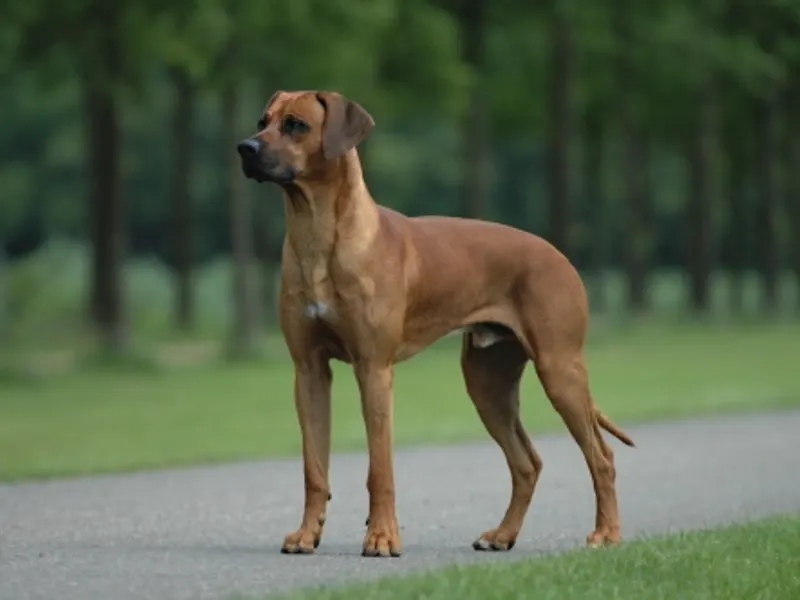
Rhodesian Ridgeback
Hound
70–85 lbs · 10–12 yrs
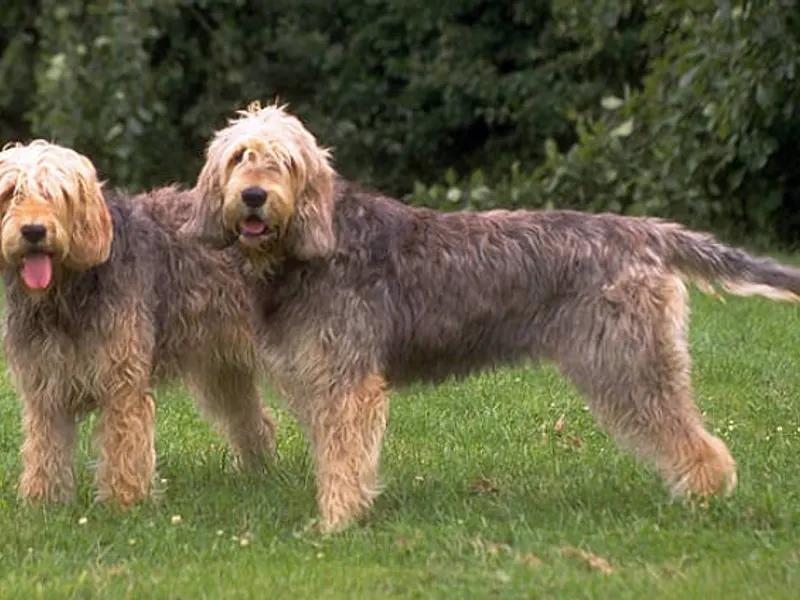
Otterhound
Hound
65–115 lbs · 10–13 yrs
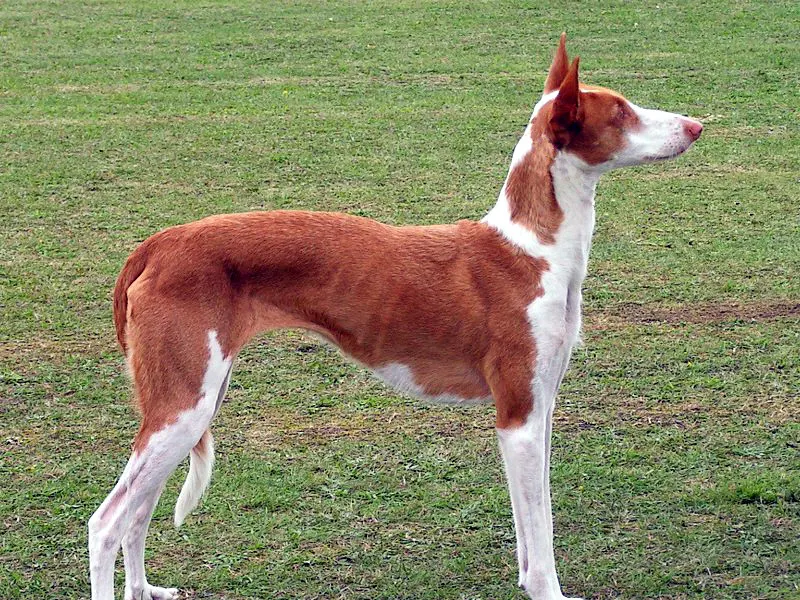
Ibizan Hound
Hound
45–50 lbs · 11–14 yrs
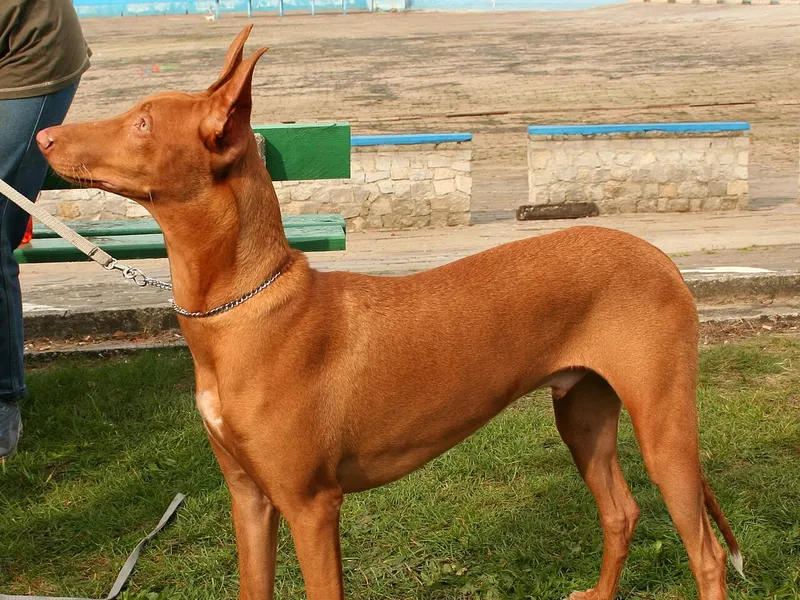
Pharaoh Hound
Hound
45–55 lbs · 11–14 yrs
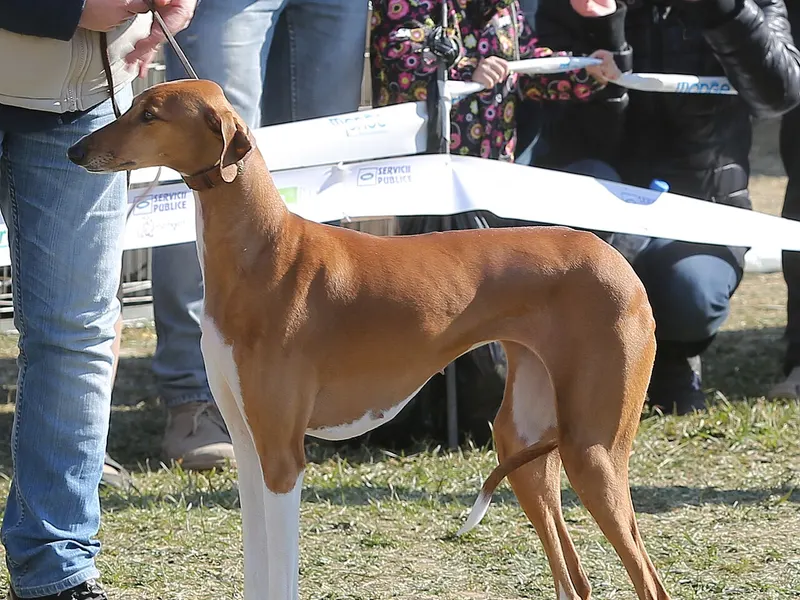
Azawakh
Hound
33–55 lbs · 12–15 yrs
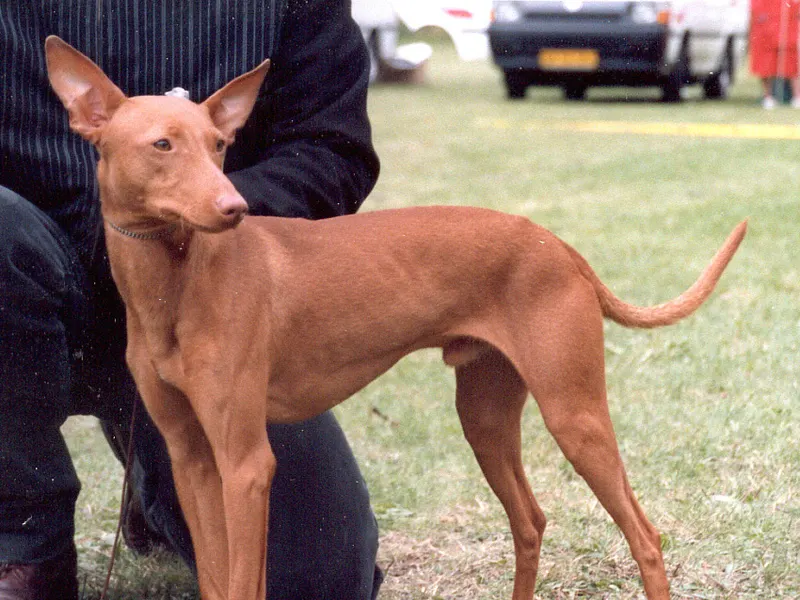
Cirneco dell'Etna
Hound
17–26 lbs · 12–14 yrs
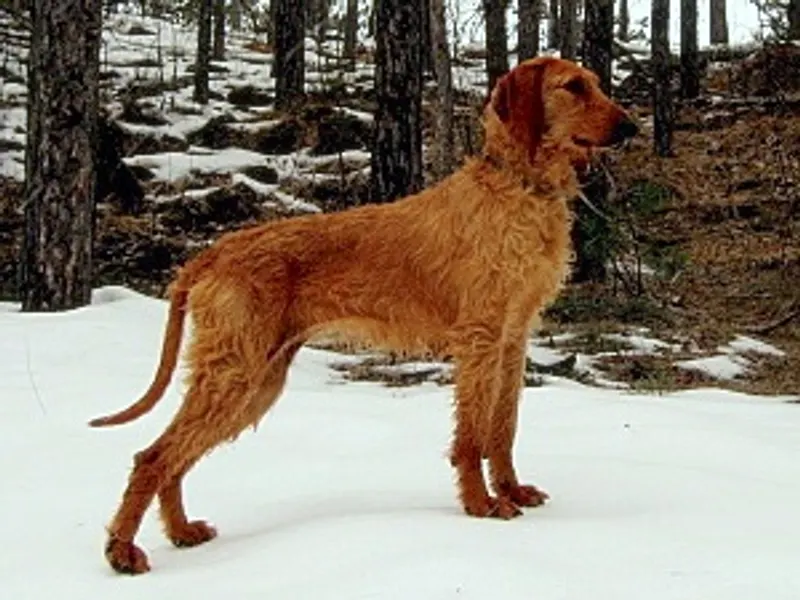
Segugio Italiano
Hound
40–62 lbs · 13–15 yrs
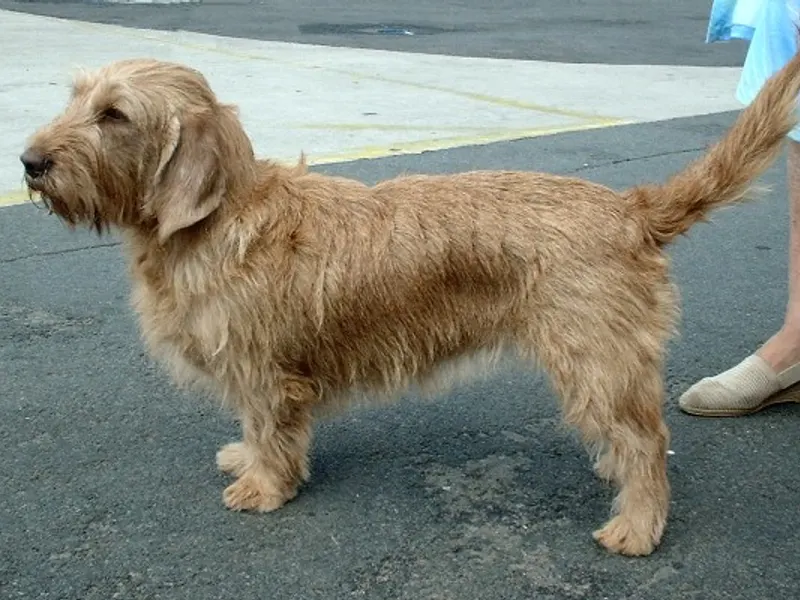
Basset Fauve de Bretagne
Hound
25–35 lbs · 13–14 yrs
Doberman Pinscher
Working
60–100 lbs · 10–13 yrs
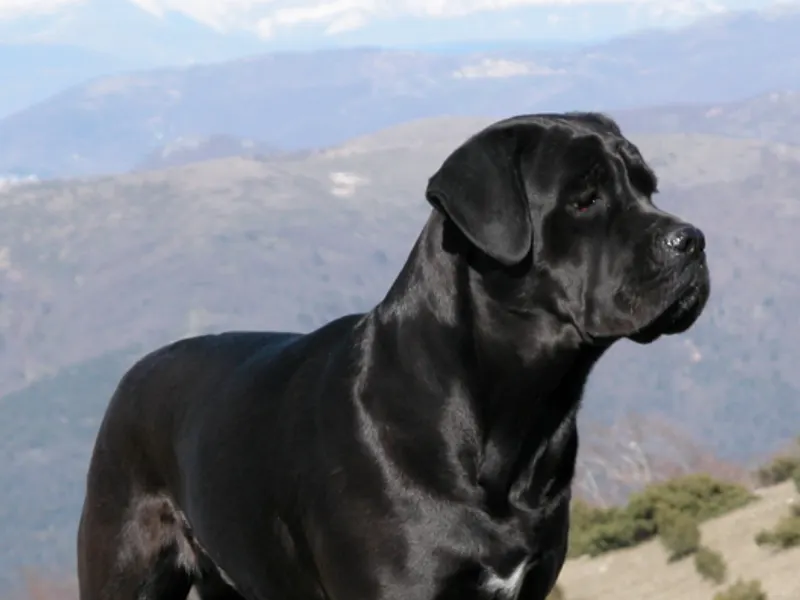
Cane Corso
Working
88–120 lbs · 9–12 yrs
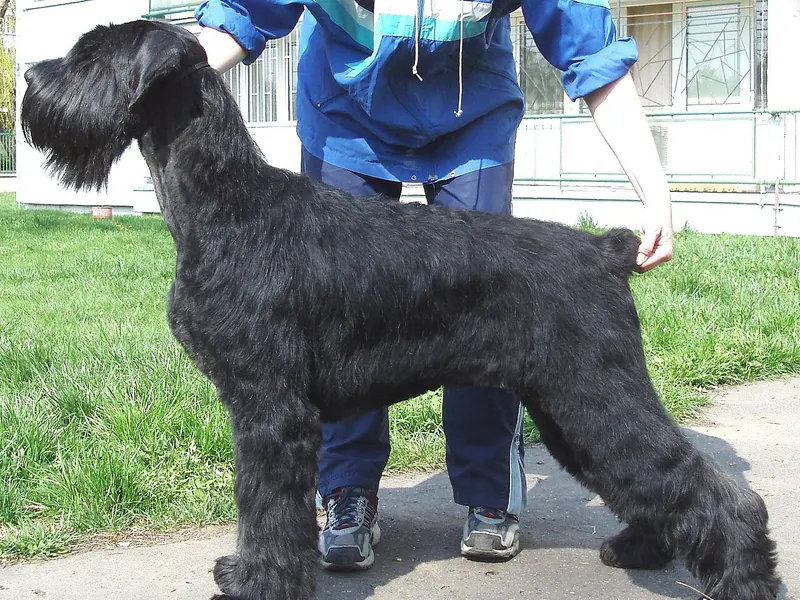
Giant Schnauzer
Working
55–85 lbs · 12–15 yrs
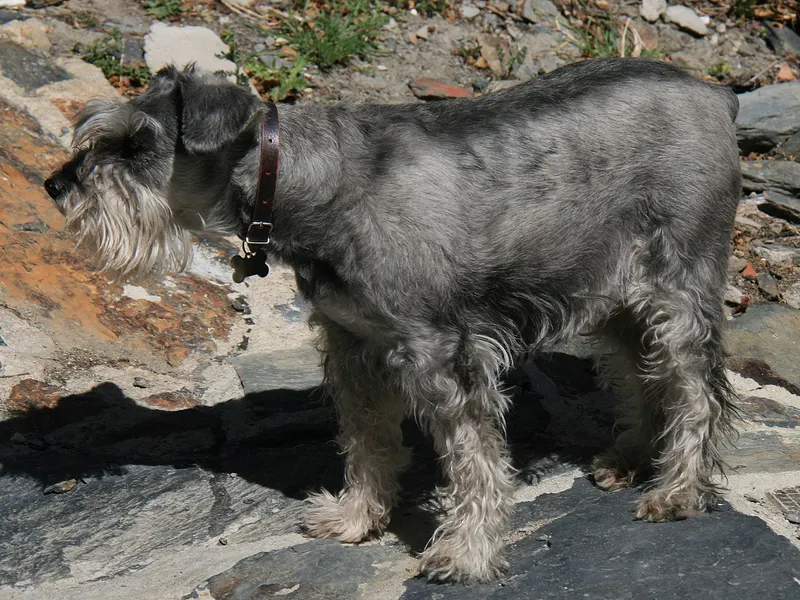
Standard Schnauzer
Working
30–50 lbs · 13–16 yrs
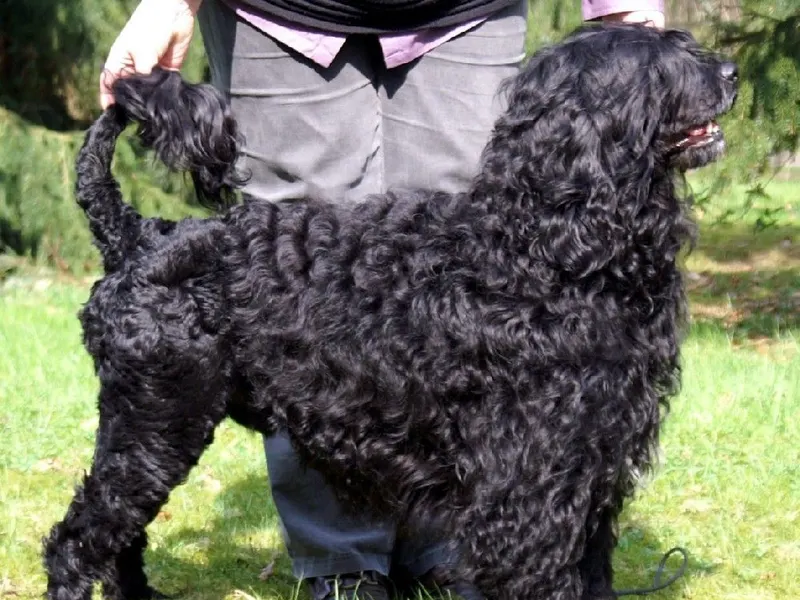
Portuguese Water Dog
Working
35–60 lbs · 11–13 yrs
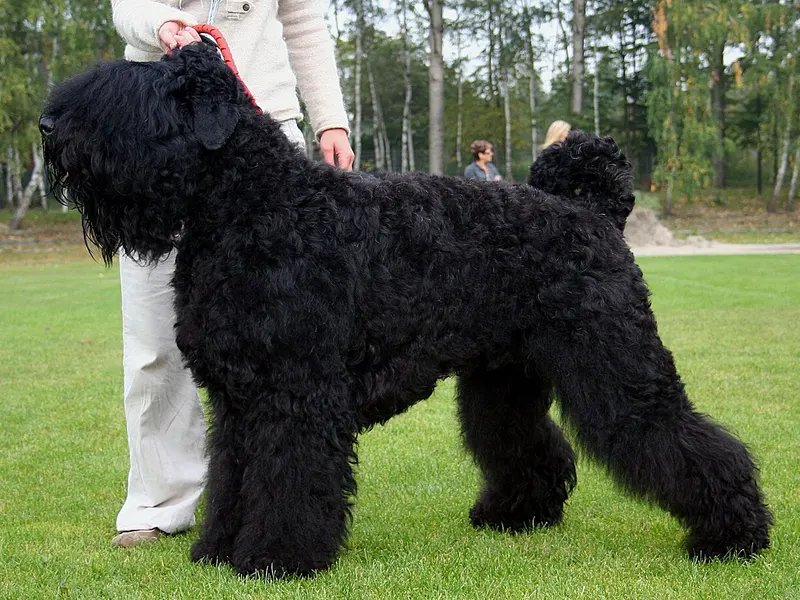
Black Russian Terrier
Working
80–140 lbs · 10–12 yrs
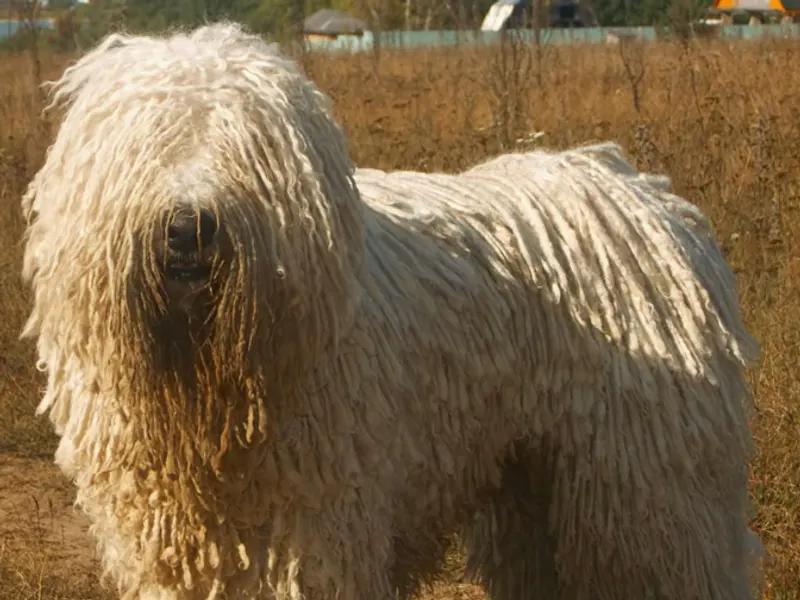
Komondor
Working
80–100 lbs · 10–12 yrs
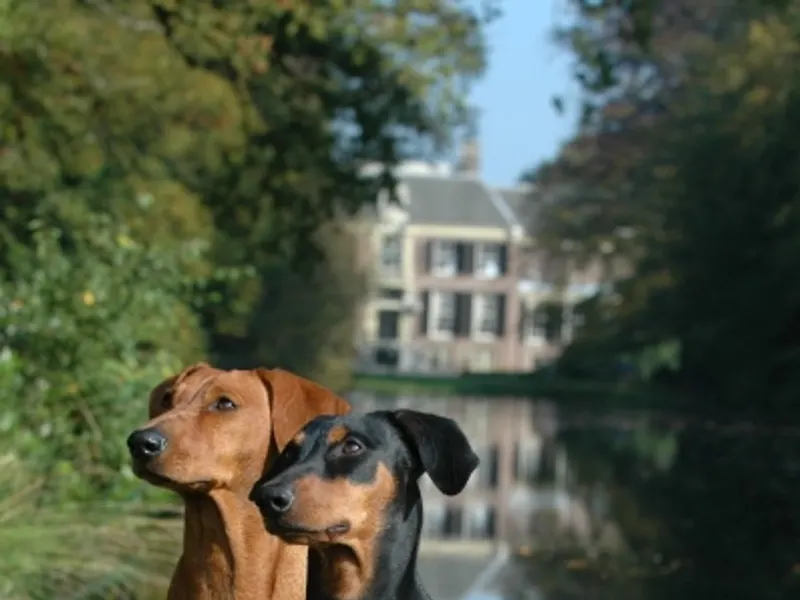
German Pinscher
Working
25–45 lbs · 12–14 yrs
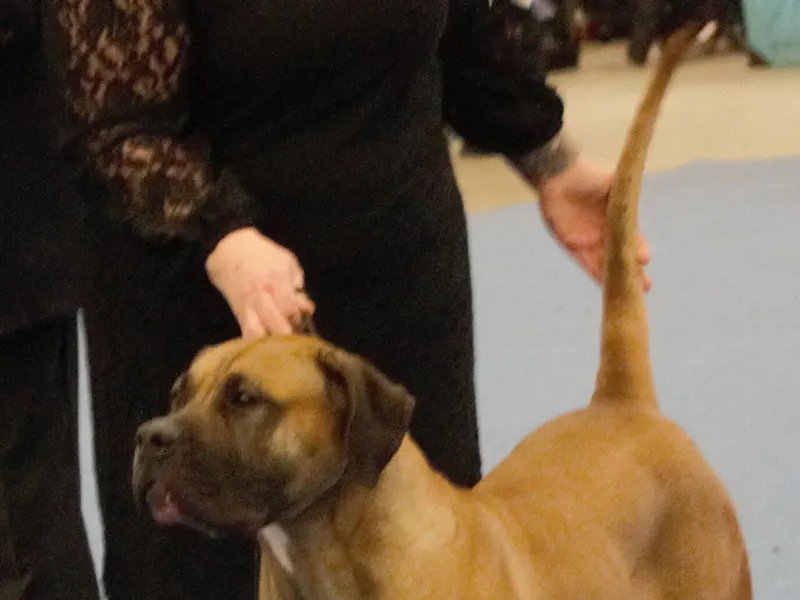
Presa Canario
Working
80–130 lbs · 9–11 yrs
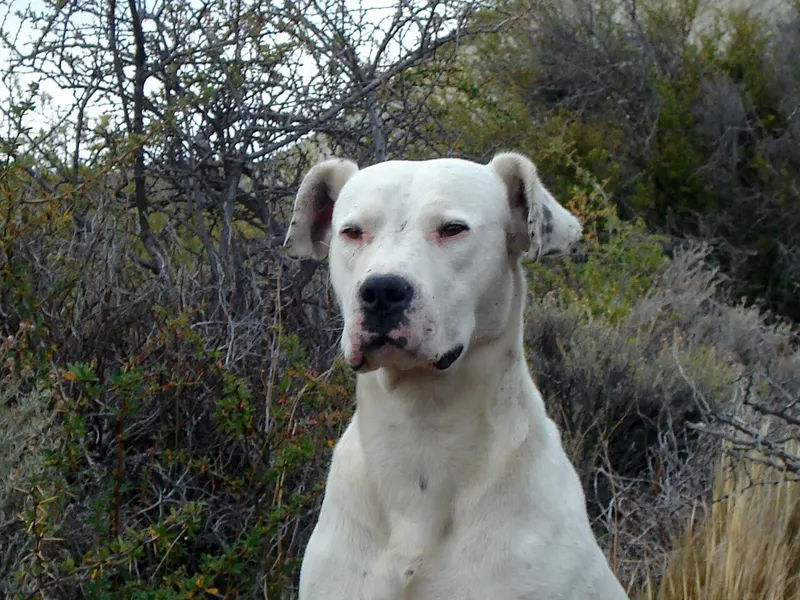
Dogo Argentino
Working
80–100 lbs · 9–15 yrs
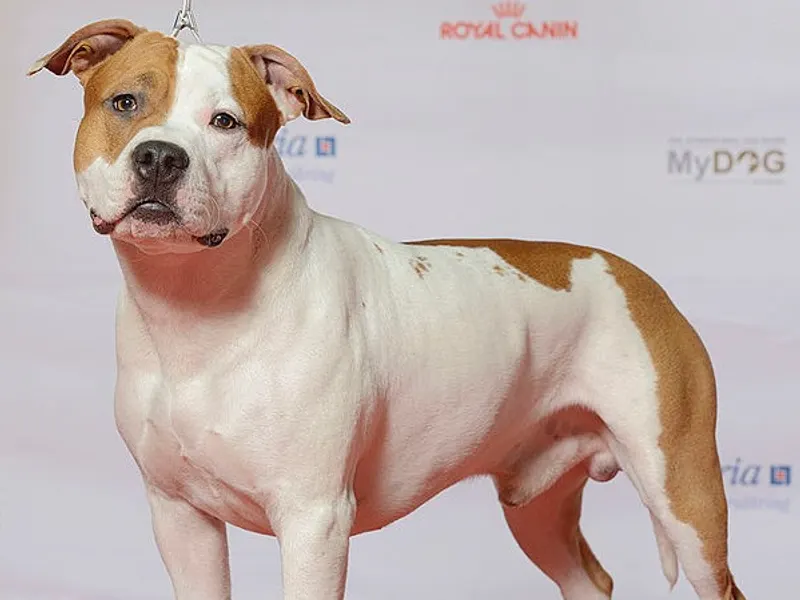
American Staffordshire Terrier
Terrier
40–70 lbs · 12–16 yrs
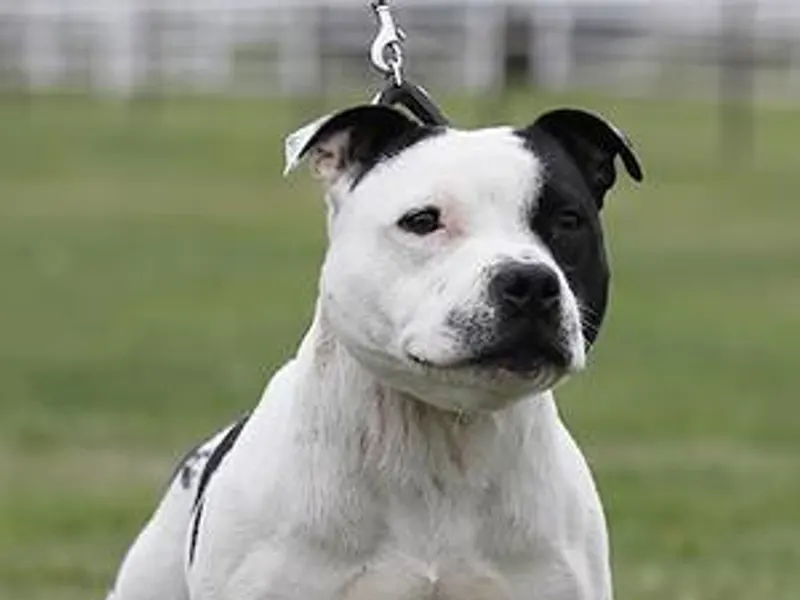
Staffordshire Bull Terrier
Terrier
24–38 lbs · 12–14 yrs
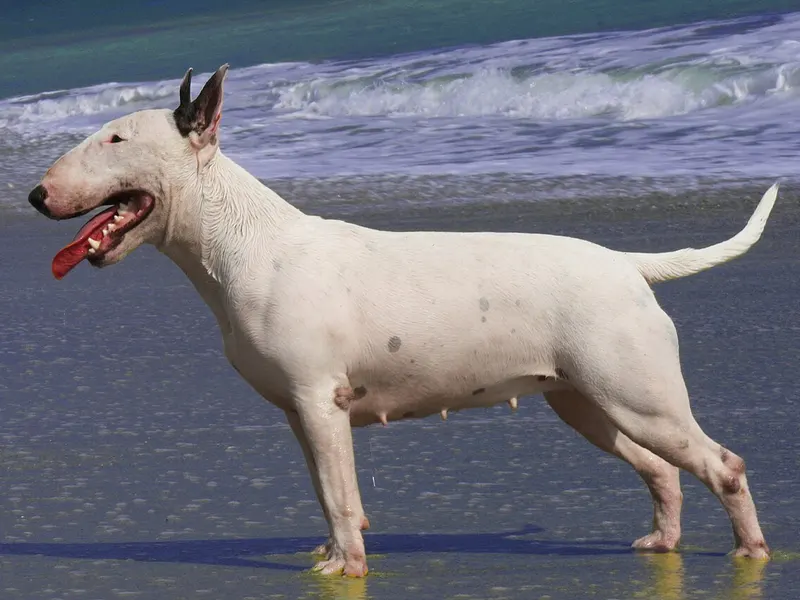
Bull Terrier
Terrier
35–65 lbs · 11–13 yrs
Airedale Terrier
Terrier
50–70 lbs · 11–14 yrs
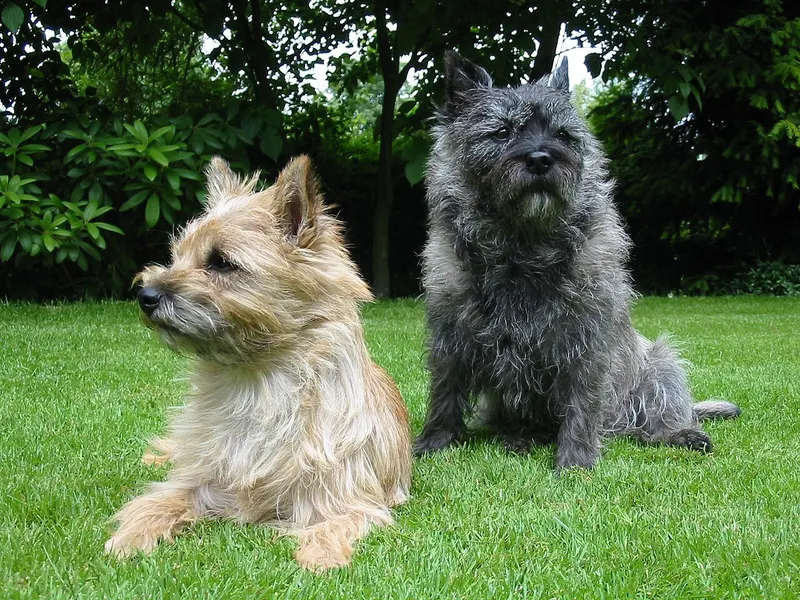
Cairn Terrier
Terrier
13–14 lbs · 13–15 yrs
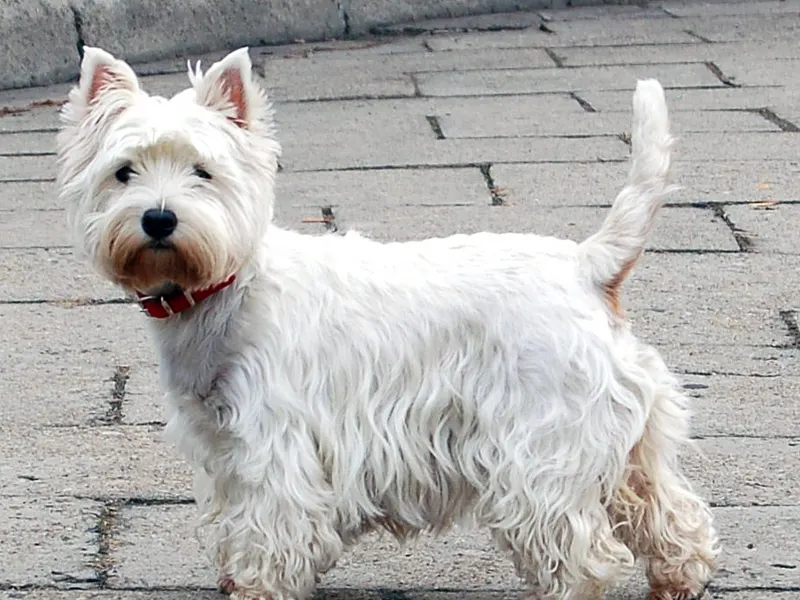
West Highland White Terrier
Terrier
13–22 lbs · 12–16 yrs
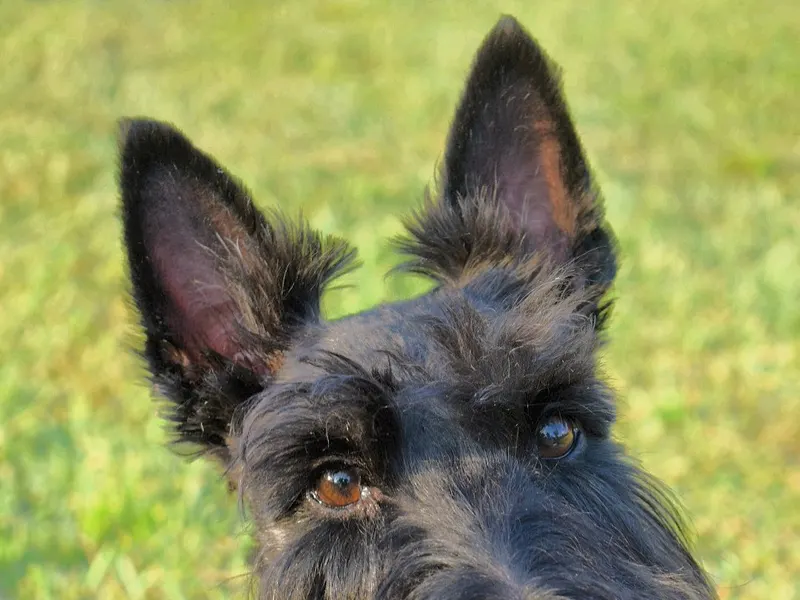
Scottish Terrier
Terrier
18–22 lbs · 11–13 yrs
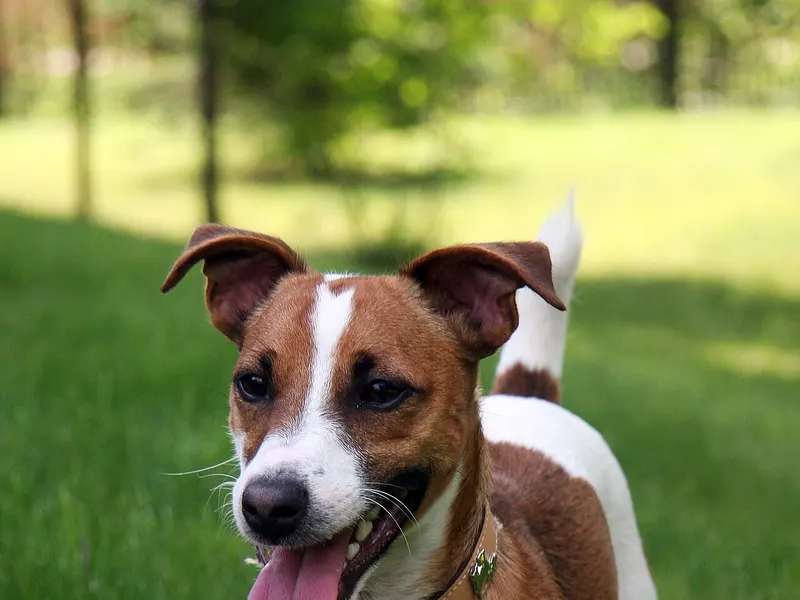
Jack Russell Terrier
Terrier
9–15 lbs · 13–16 yrs
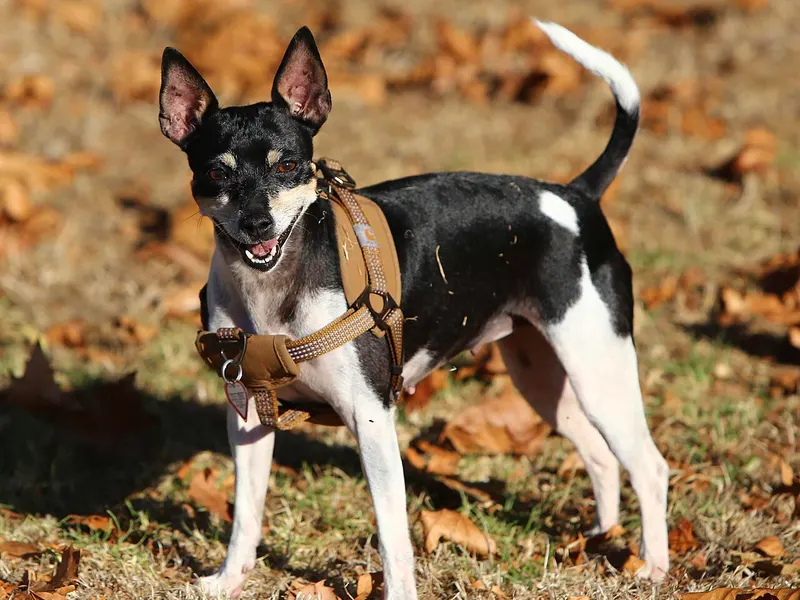
Rat Terrier
Terrier
10–25 lbs · 15–18 yrs
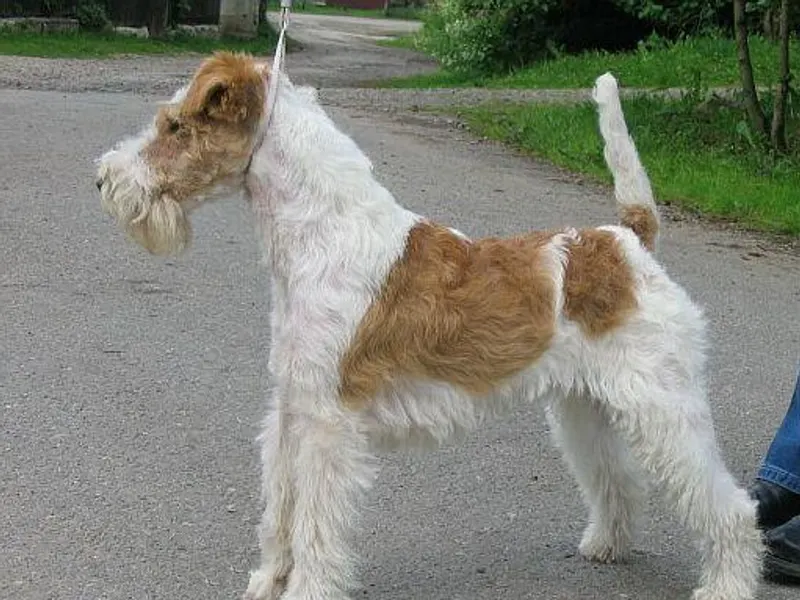
Wire Fox Terrier
Terrier
15–19 lbs · 12–15 yrs
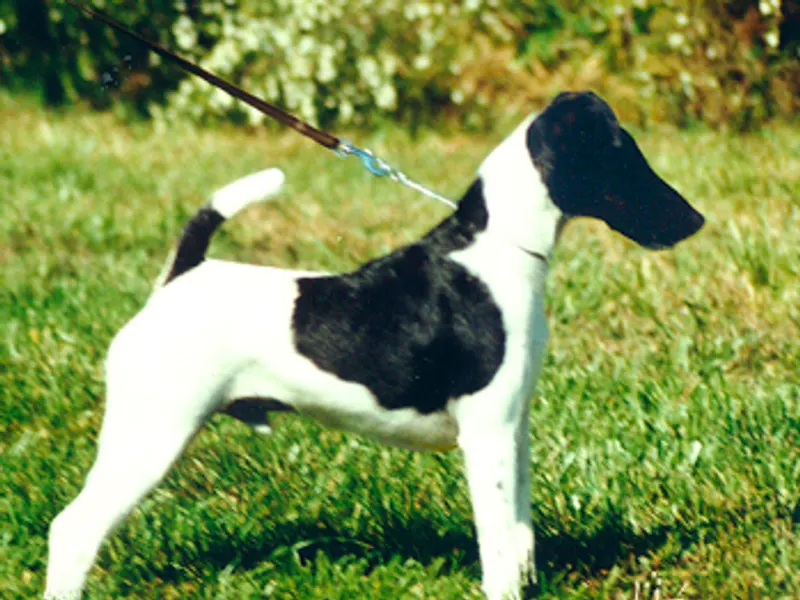
Smooth Fox Terrier
Terrier
15–18 lbs · 12–15 yrs
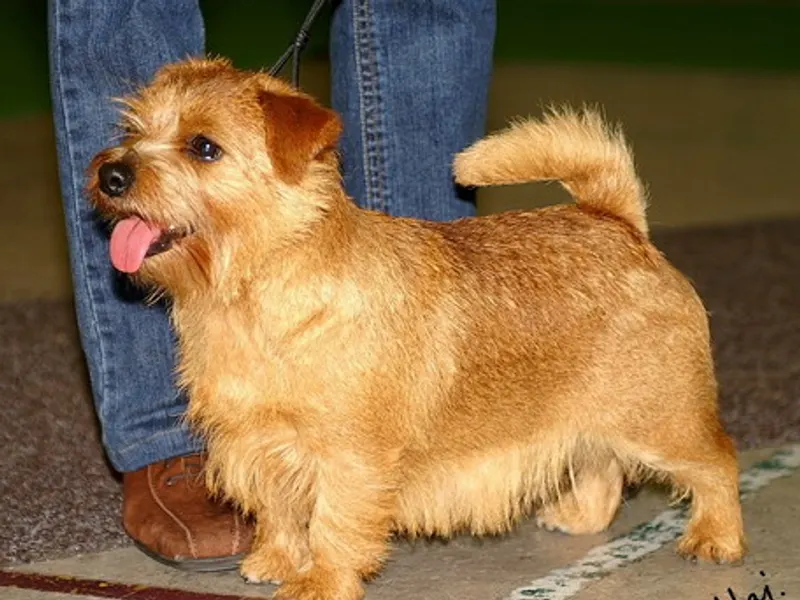
Norfolk Terrier
Terrier
11–12 lbs · 12–15 yrs
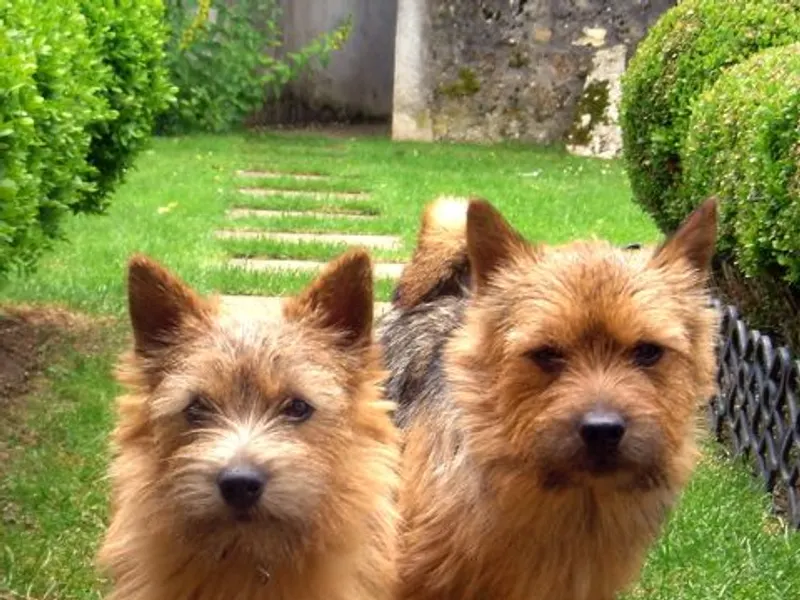
Norwich Terrier
Terrier
11–12 lbs · 12–15 yrs
Border Terrier
Terrier
11.5–15.5 lbs · 12–15 yrs
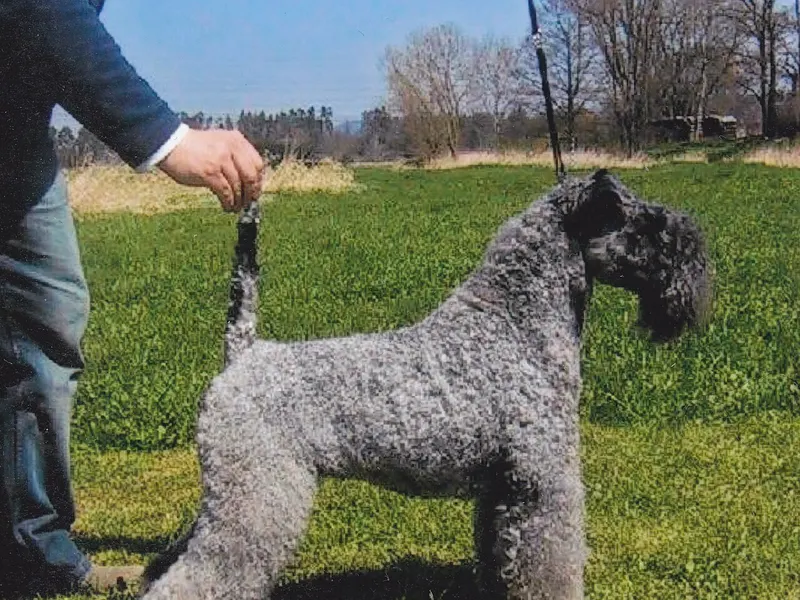
Kerry Blue Terrier
Terrier
33–40 lbs · 12–15 yrs
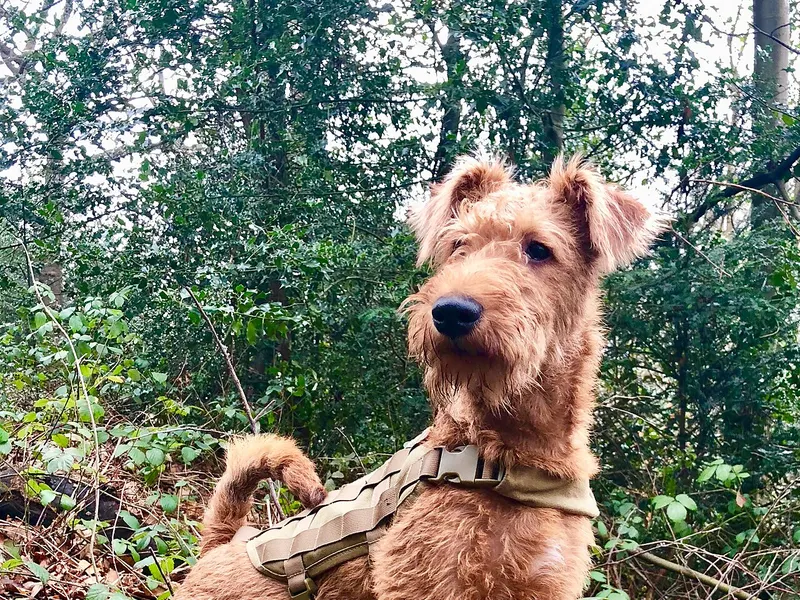
Irish Terrier
Terrier
25–27 lbs · 13–15 yrs
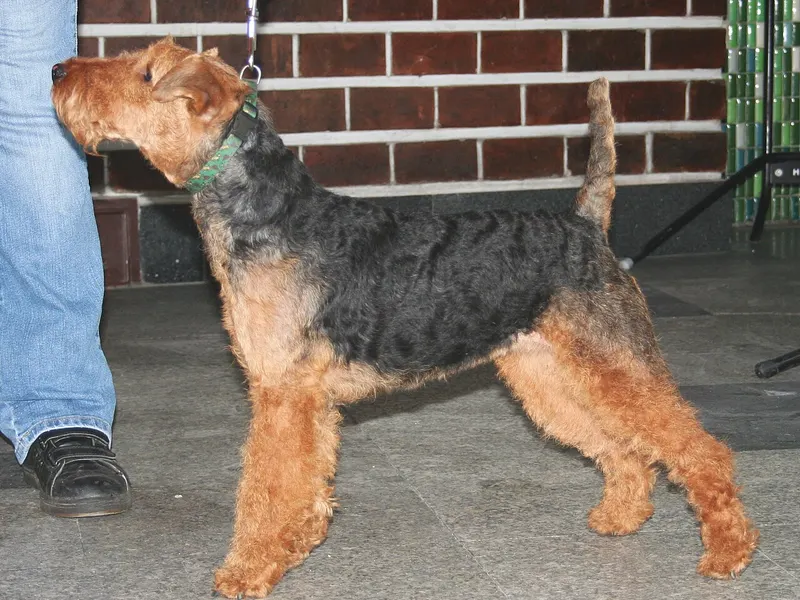
Welsh Terrier
Terrier
20–21 lbs · 12–15 yrs
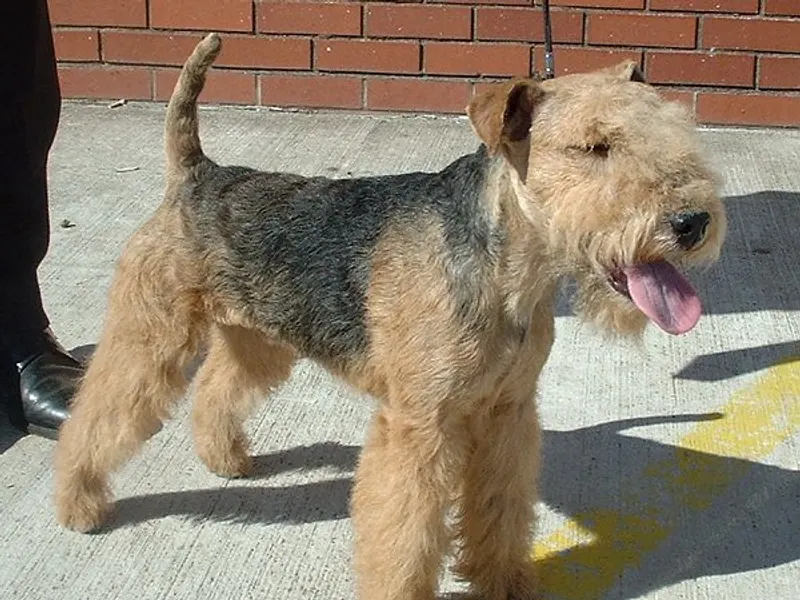
Lakeland Terrier
Terrier
15–17 lbs · 12–16 yrs
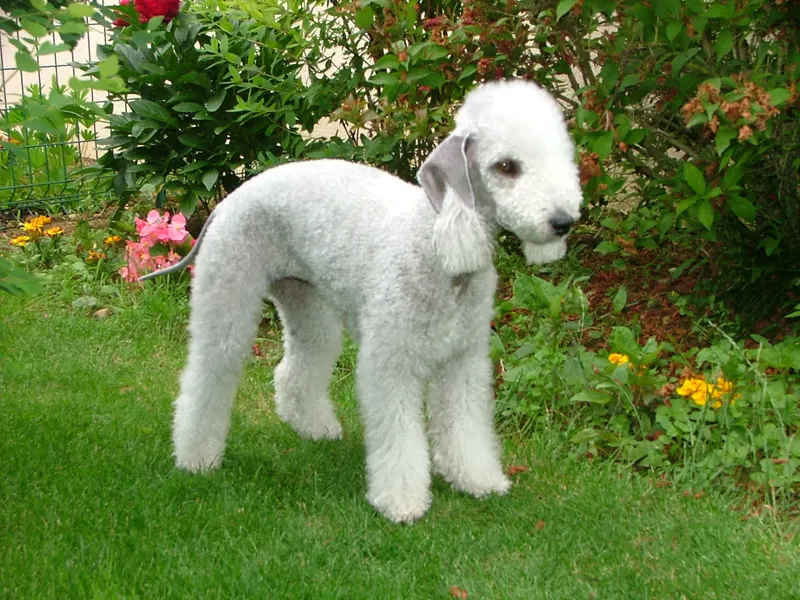
Bedlington Terrier
Terrier
17–23 lbs · 11–16 yrs
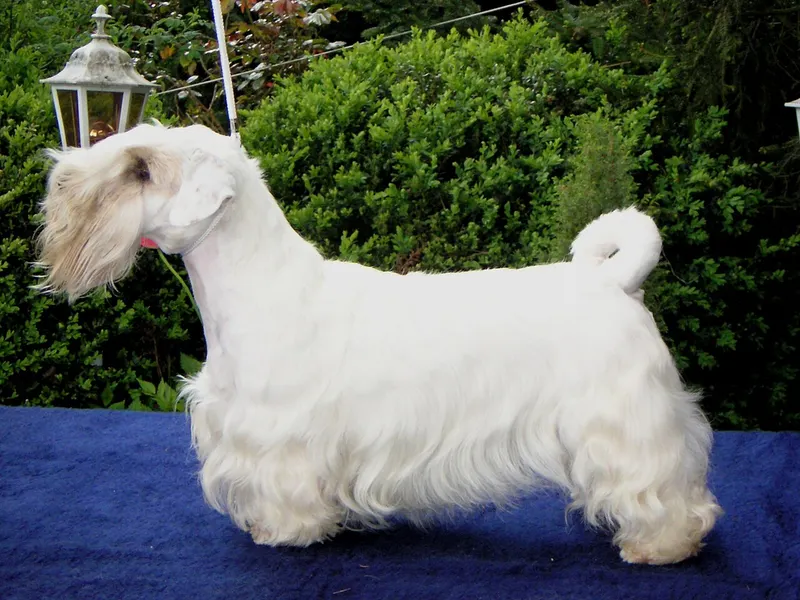
Sealyham Terrier
Terrier
23–24 lbs · 12–14 yrs
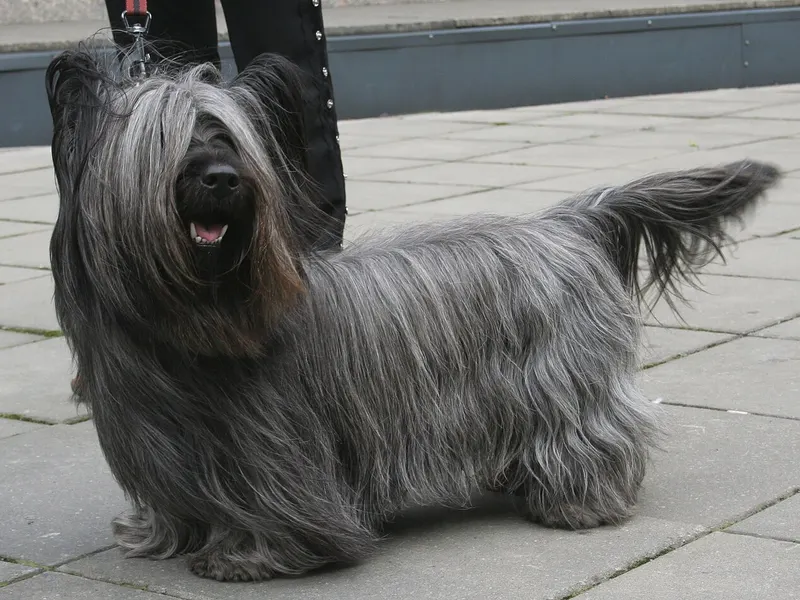
Skye Terrier
Terrier
25–40 lbs · 12–14 yrs
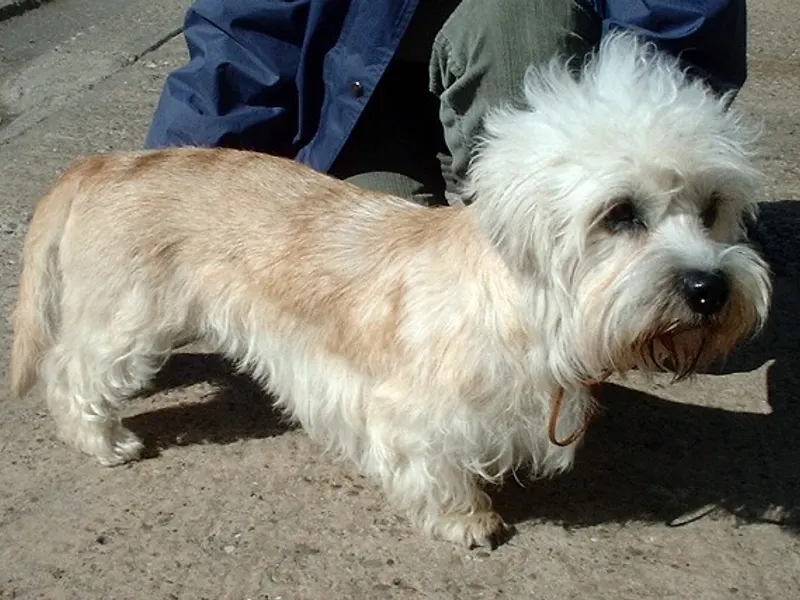
Dandie Dinmont Terrier
Terrier
18–24 lbs · 12–15 yrs
Manchester Terrier
Terrier
12–22 lbs · 15–17 yrs
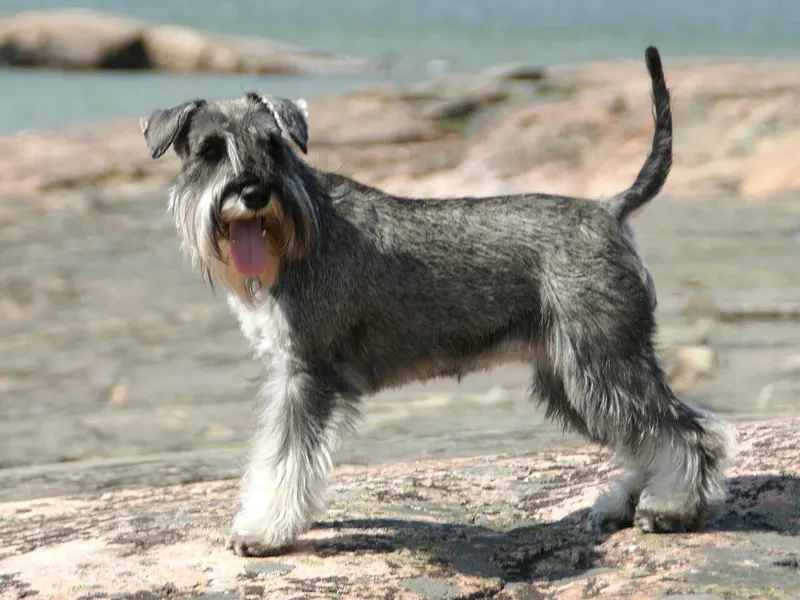
Miniature Schnauzer
Terrier
11–20 lbs · 12–15 yrs
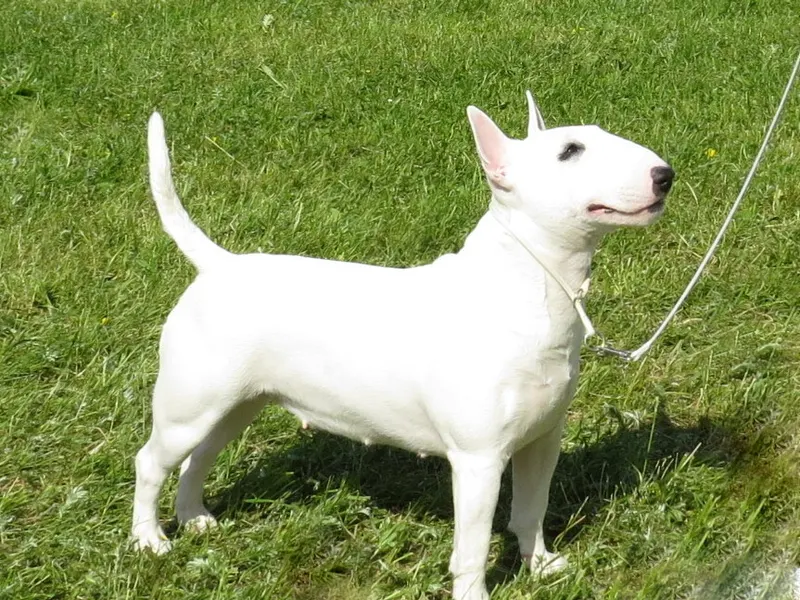
Miniature Bull Terrier
Terrier
25–33 lbs · 11–14 yrs
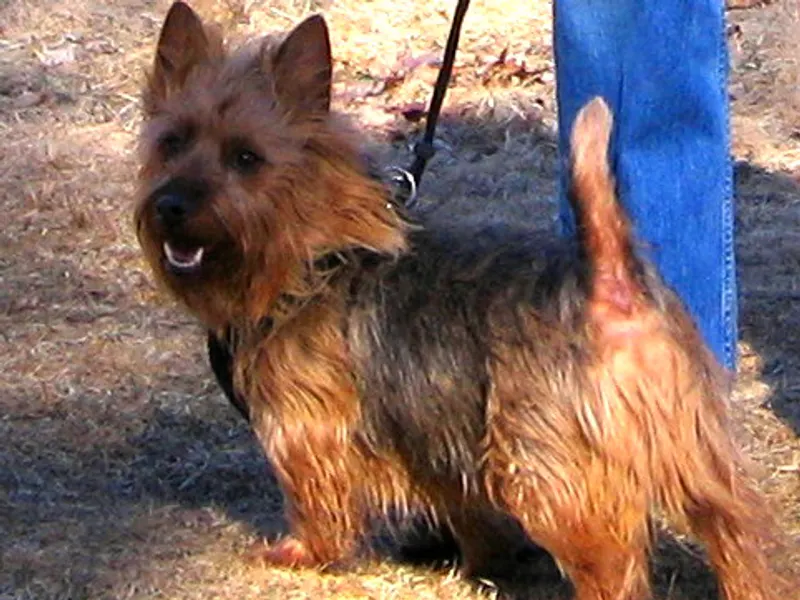
Australian Terrier
Terrier
14–16 lbs · 11–15 yrs
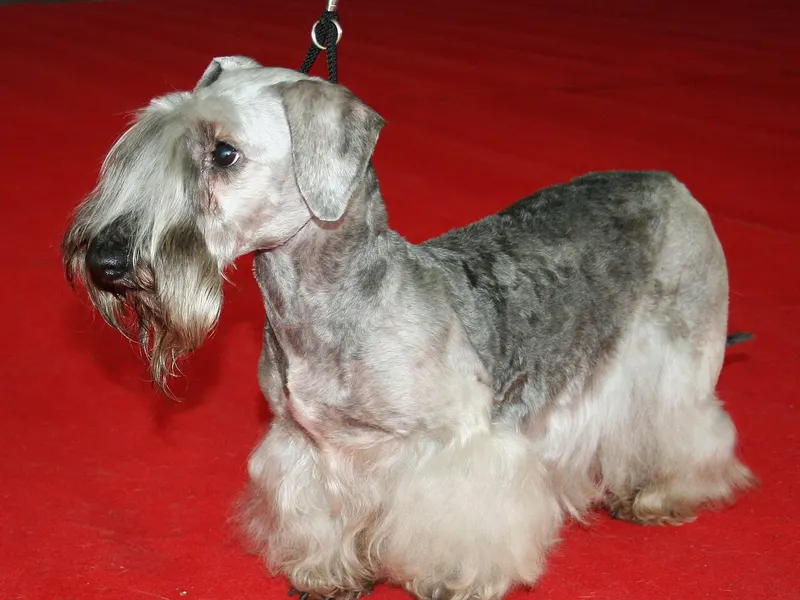
Cesky Terrier
Terrier
13–24 lbs · 12–15 yrs
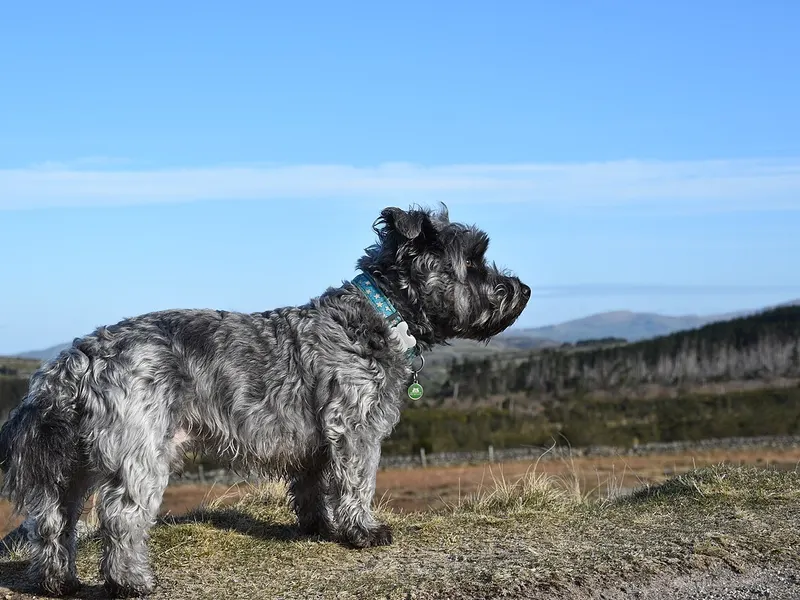
Glen of Imaal Terrier
Terrier
32–40 lbs · 10–15 yrs
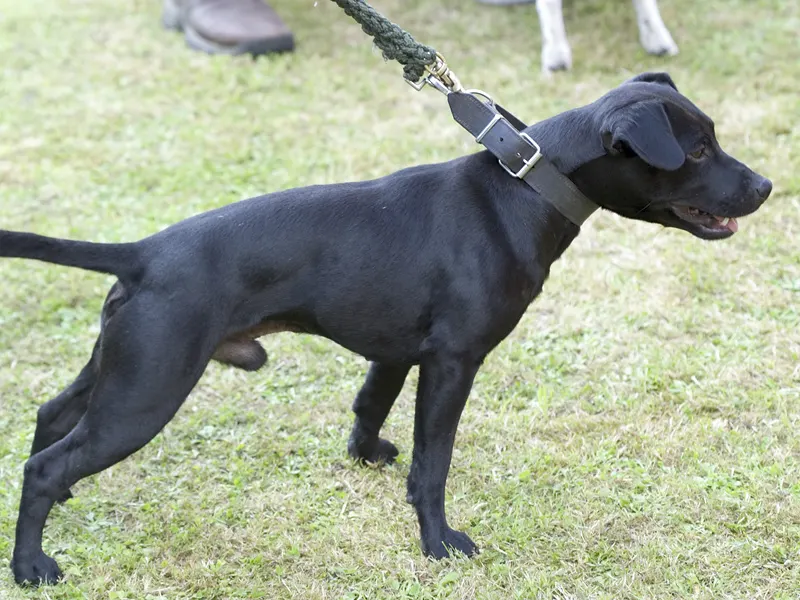
Patterdale Terrier
Terrier
11–13 lbs · 11–13 yrs
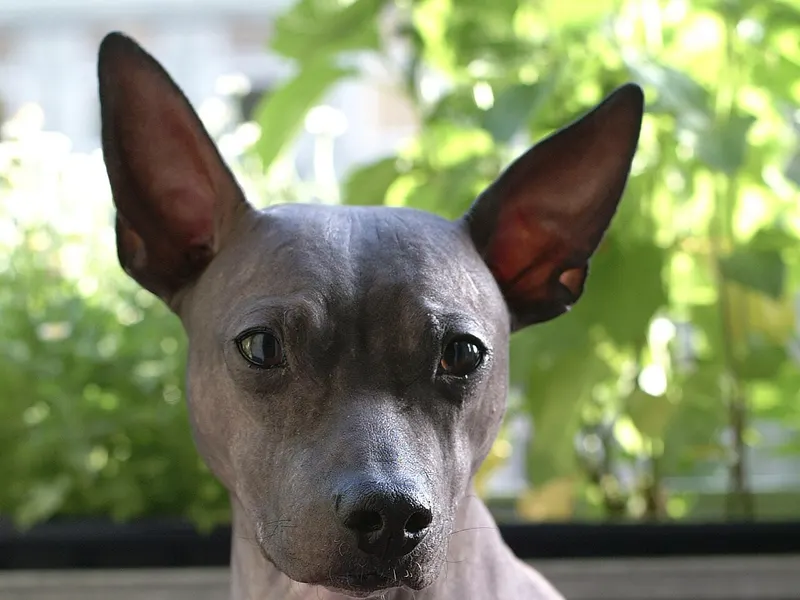
American Hairless Terrier
Terrier
5–16 lbs · 14–16 yrs
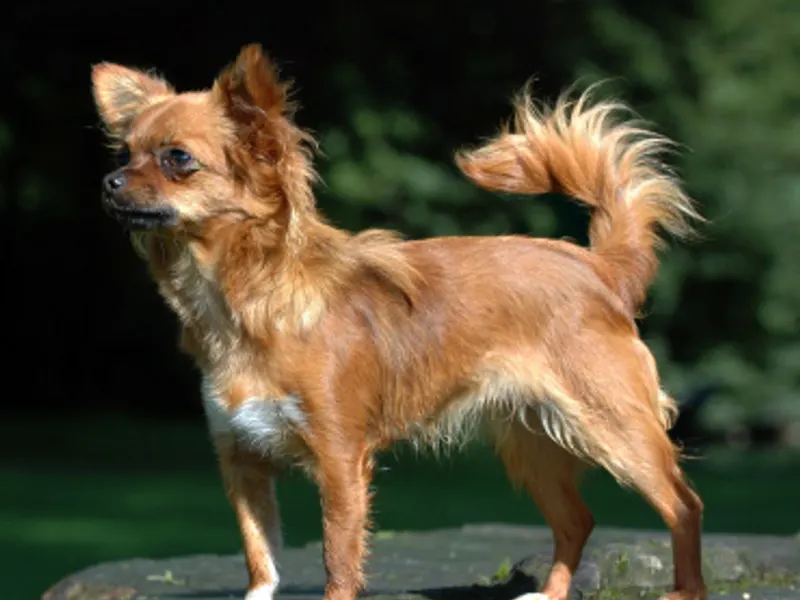
Chihuahua
Toy
2–6 lbs · 14–16 yrs
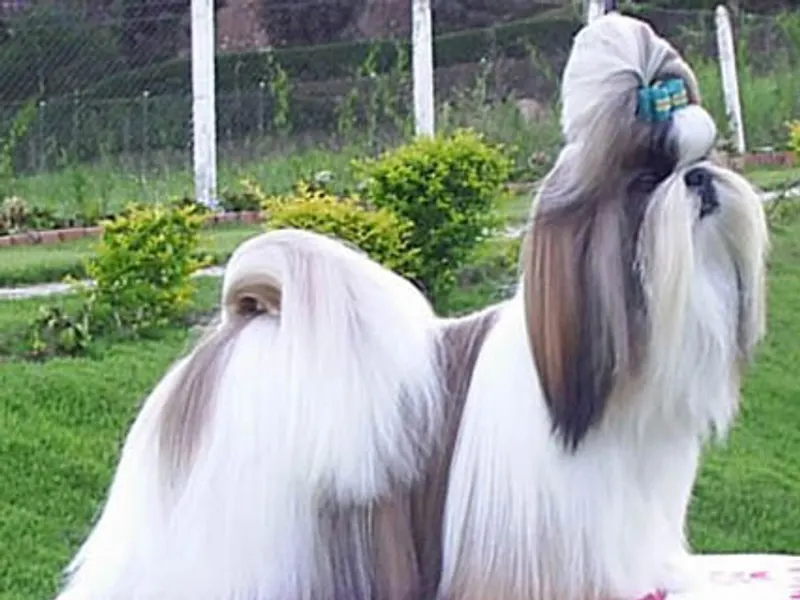
Shih Tzu
Toy
9–16 lbs · 10–16 yrs
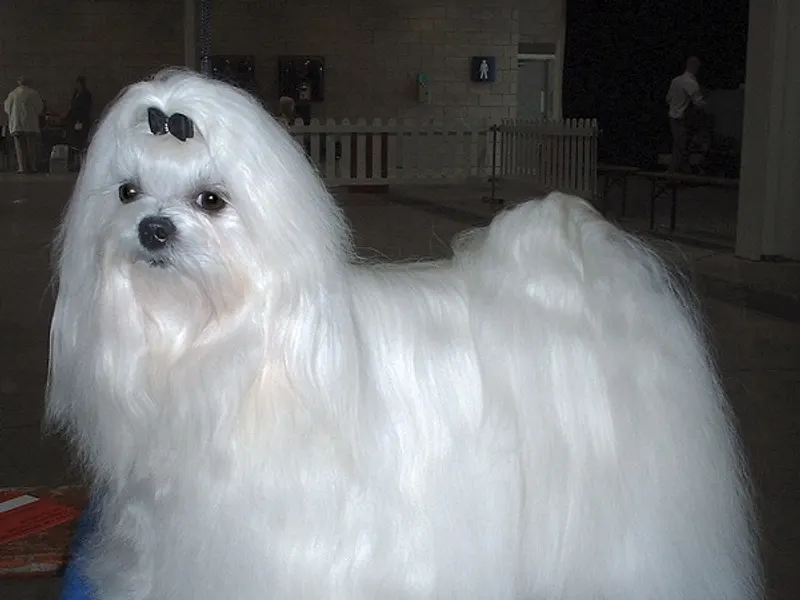
Maltese
Toy
4–7 lbs · 12–15 yrs
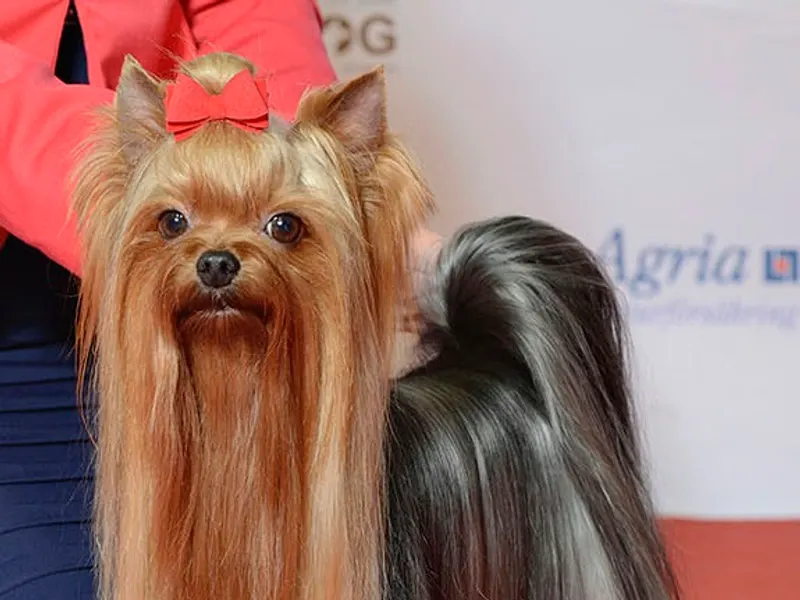
Yorkshire Terrier
Toy
4–7 lbs · 11–15 yrs
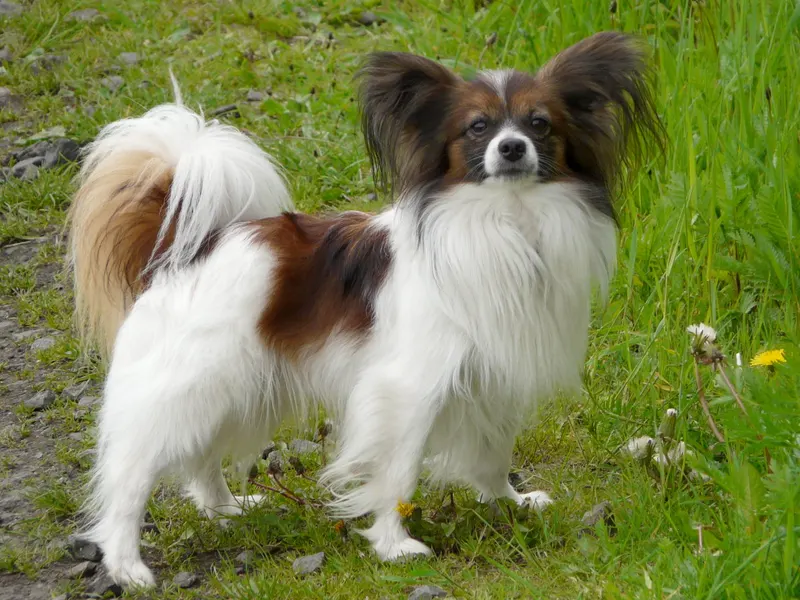
Papillon
Toy
5–10 lbs · 14–16 yrs
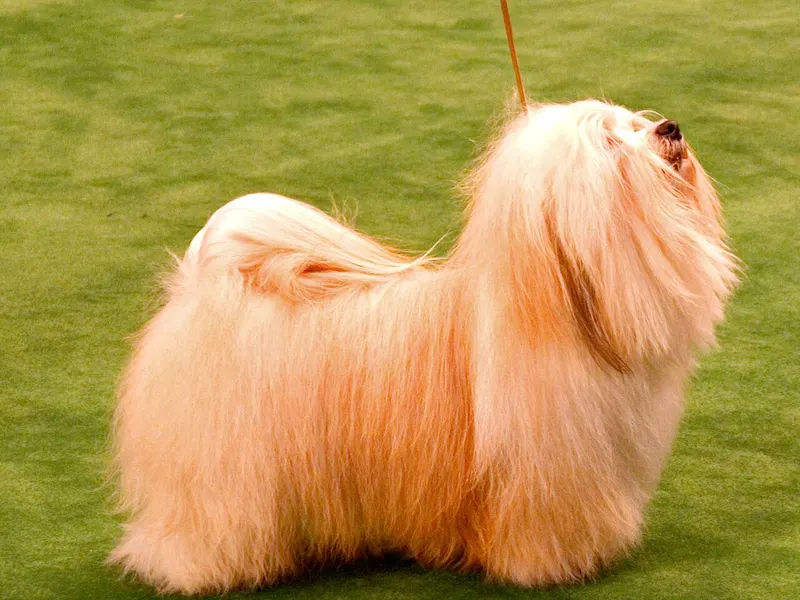
Havanese
Toy
7–13 lbs · 14–16 yrs
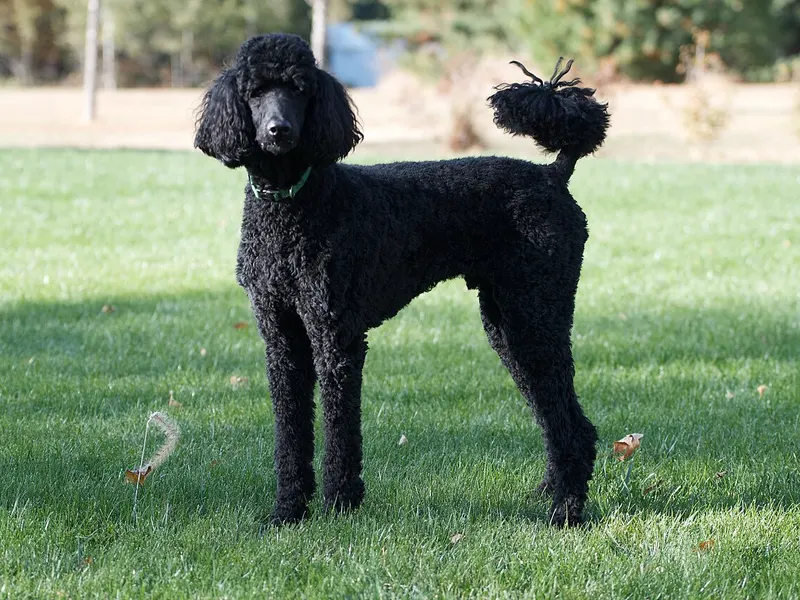
Toy Poodle
Toy
4–6 lbs · 12–15 yrs
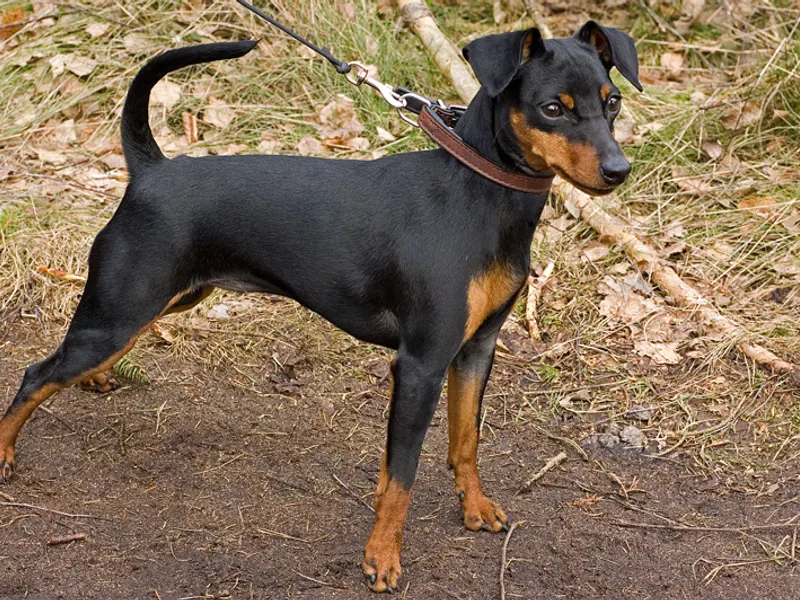
Miniature Pinscher
Toy
8–11 lbs · 12–16 yrs
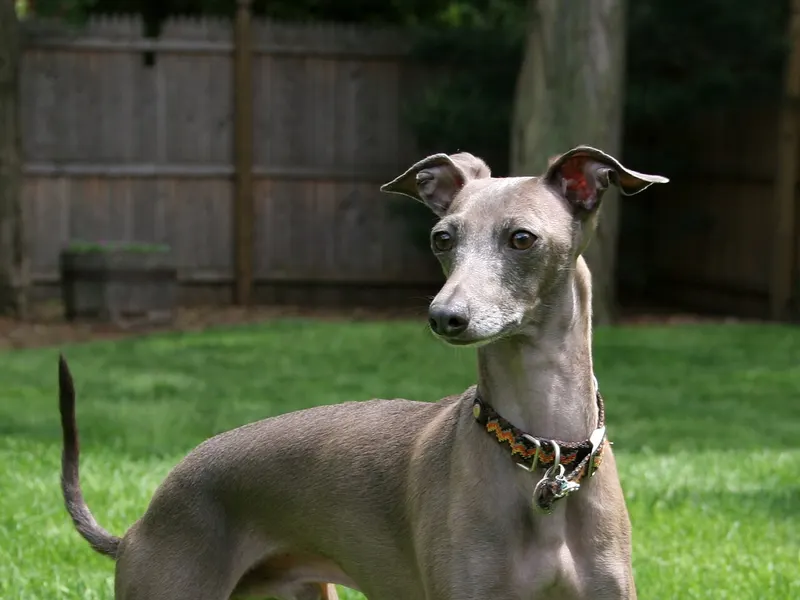
Italian Greyhound
Toy
7–14 lbs · 14–15 yrs
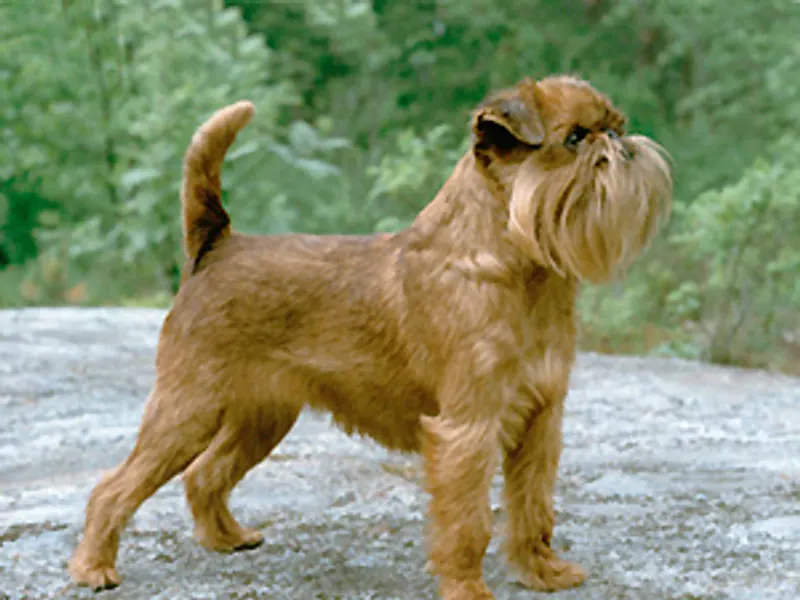
Brussels Griffon
Toy
6–12 lbs · 12–15 yrs
Affenpinscher
Toy
7–10 lbs · 12–15 yrs
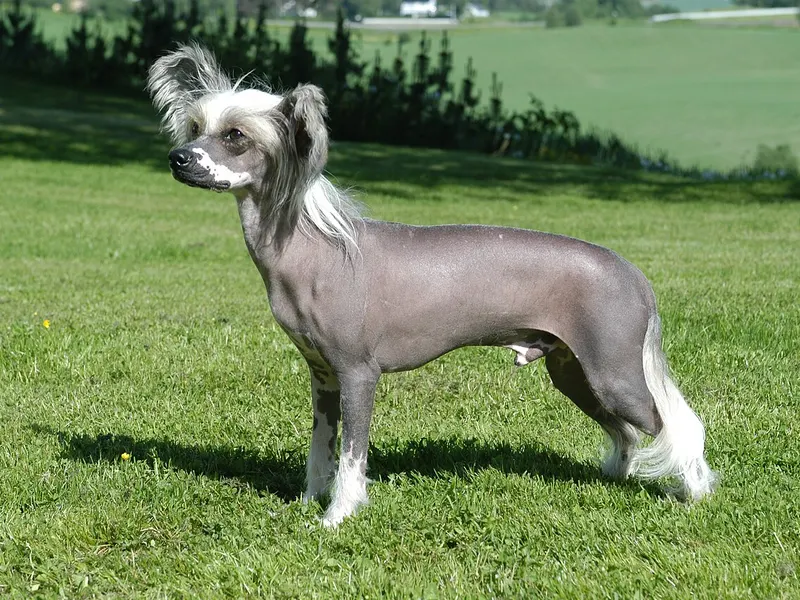
Chinese Crested
Toy
8–12 lbs · 13–15 yrs
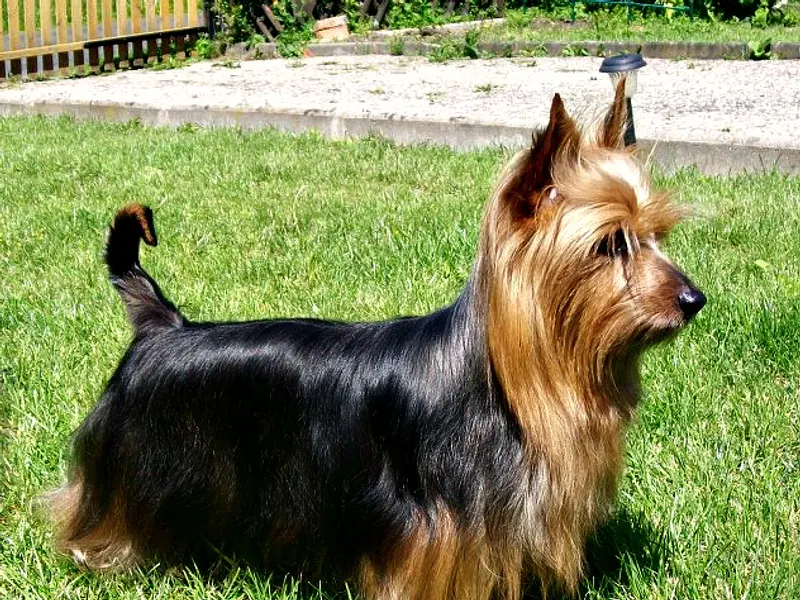
Silky Terrier
Toy
8–10 lbs · 13–15 yrs
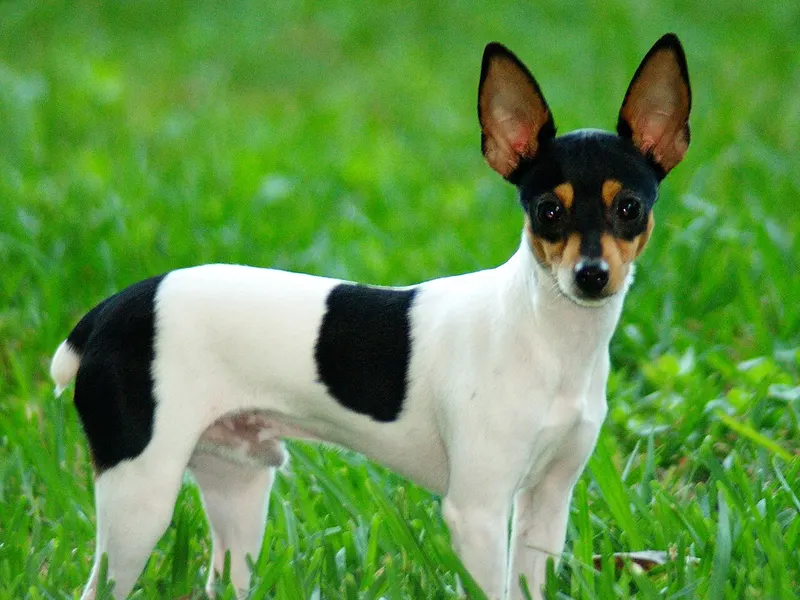
Toy Fox Terrier
Toy
3.5–7 lbs · 13–15 yrs
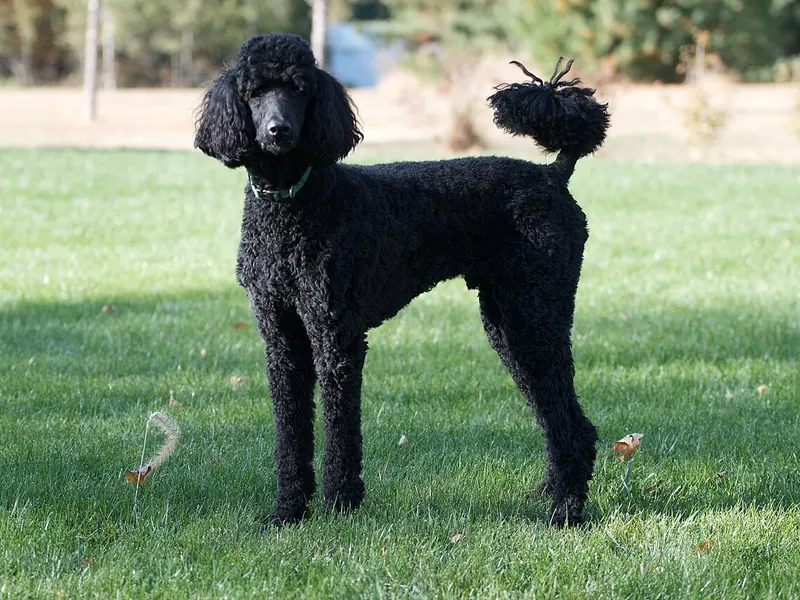
Standard Poodle
Non-Sporting
45–70 lbs · 10–13 yrs
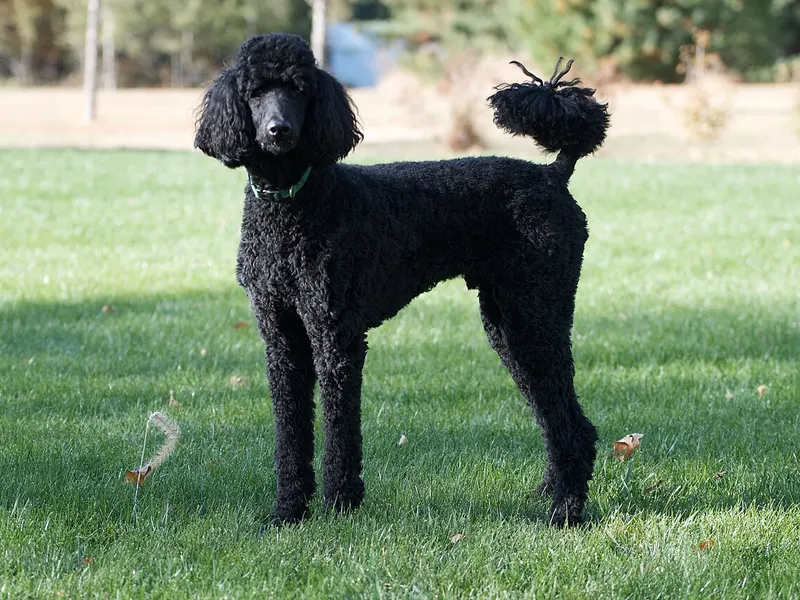
Miniature Poodle
Non-Sporting
10–15 lbs · 12–15 yrs
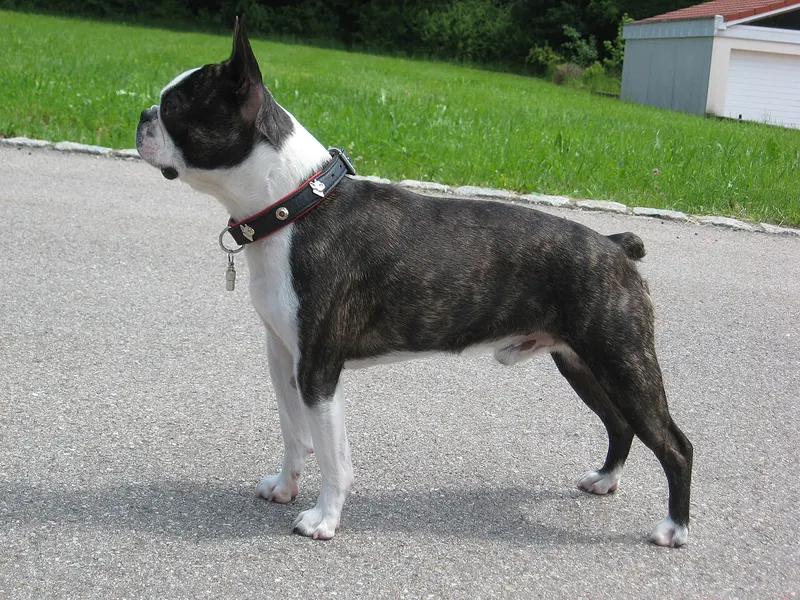
Boston Terrier
Non-Sporting
12–25 lbs · 11–13 yrs
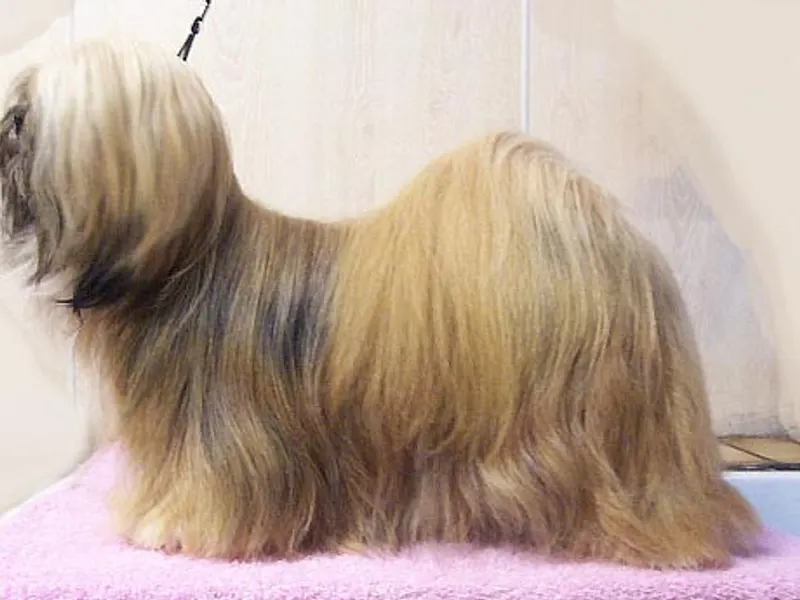
Lhasa Apso
Non-Sporting
12–18 lbs · 12–15 yrs
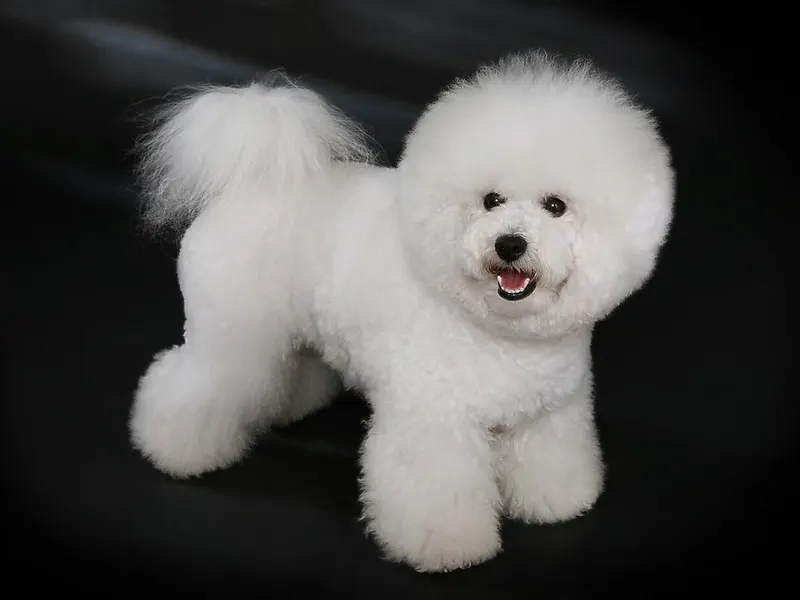
Bichon Frise
Non-Sporting
12–18 lbs · 14–15 yrs
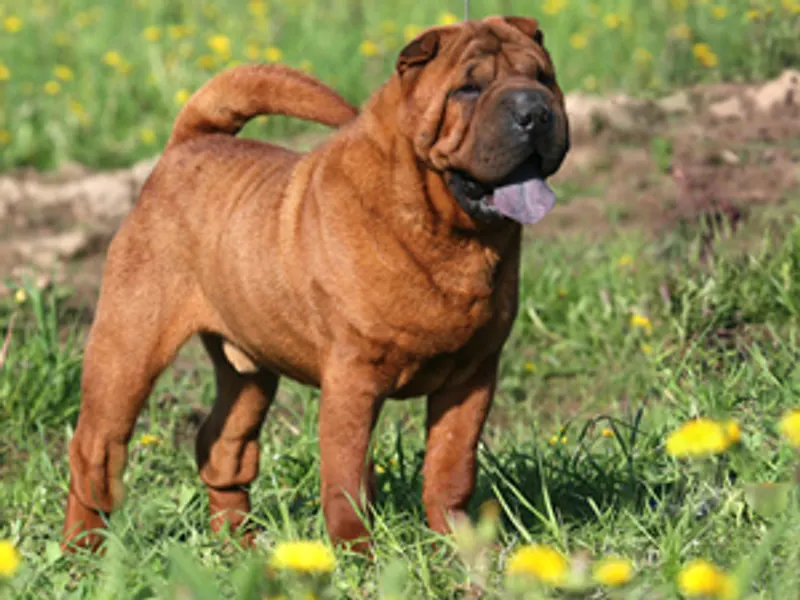
Shar-Pei
Non-Sporting
45–60 lbs · 8–12 yrs
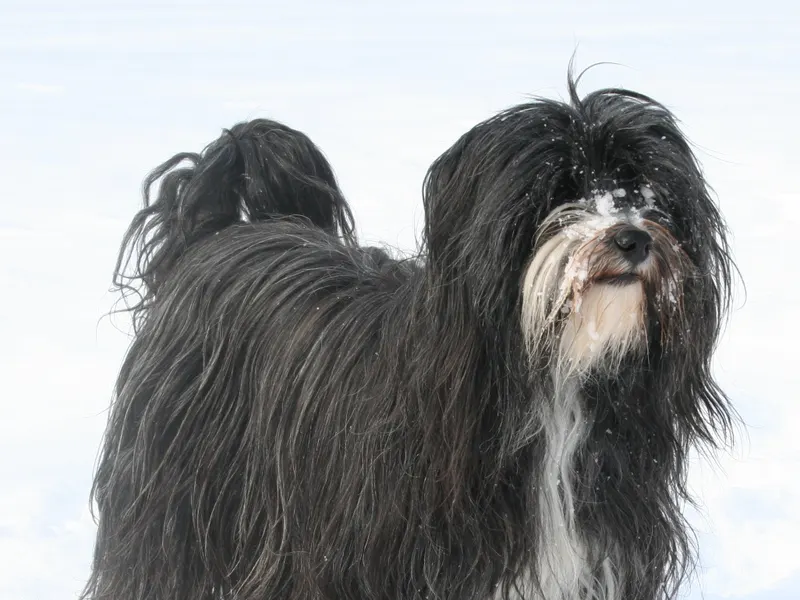
Tibetan Terrier
Non-Sporting
18–30 lbs · 12–15 yrs
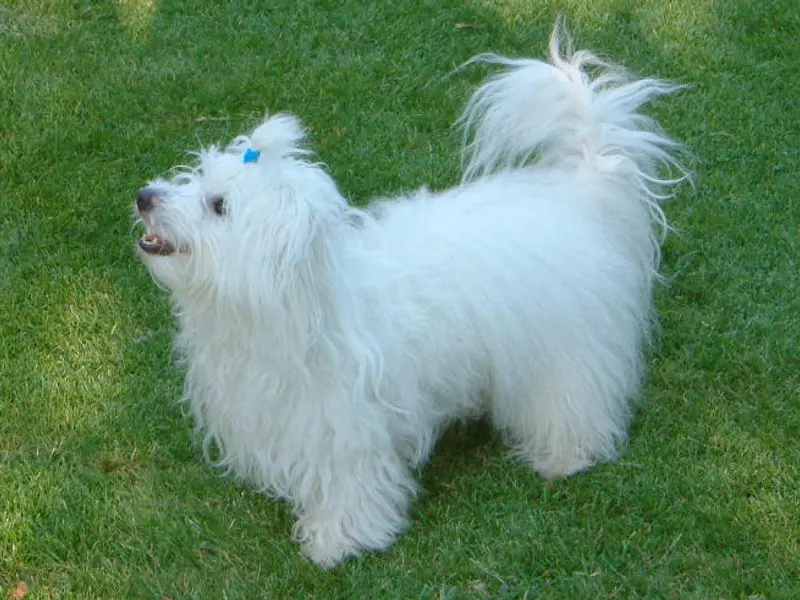
Coton de Tulear
Non-Sporting
8–15 lbs · 14–16 yrs
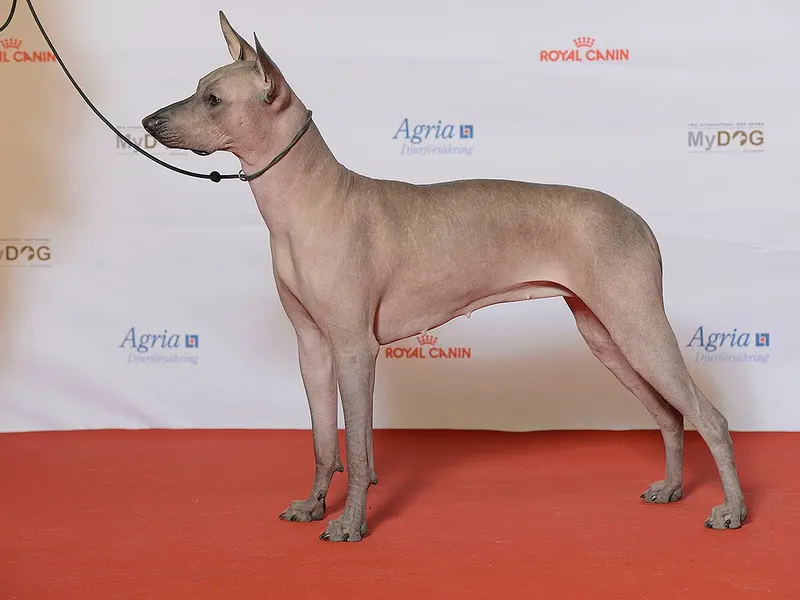
Xoloitzcuintli
Non-Sporting
10–50 lbs · 13–18 yrs
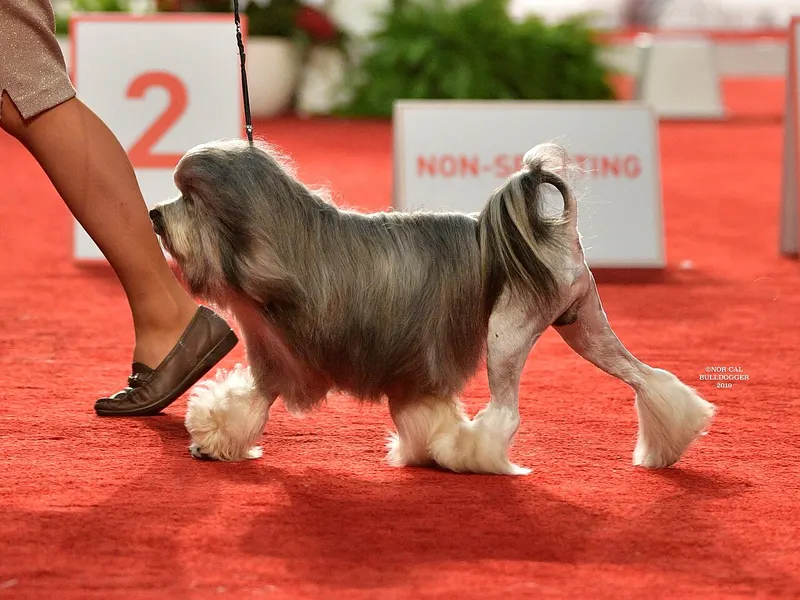
Löwchen
Non-Sporting
9–18 lbs · 13–15 yrs
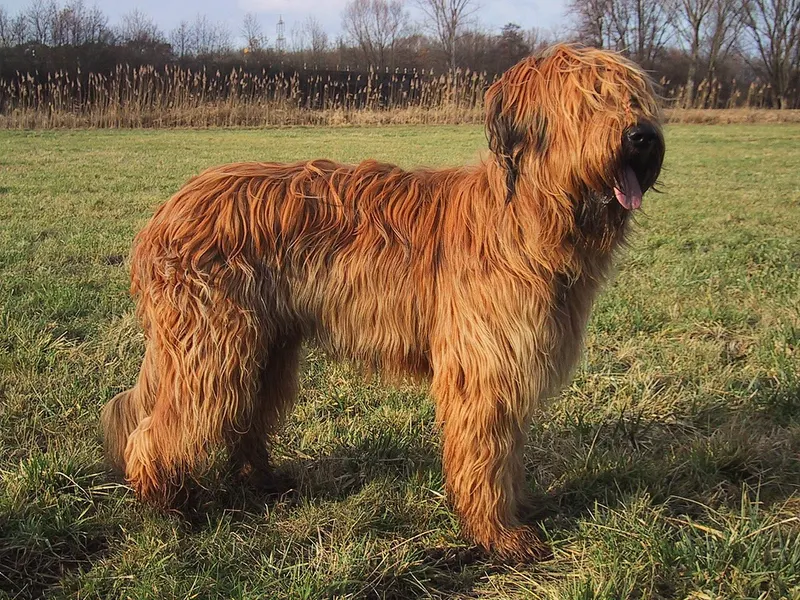
Briard
Herding
55–100 lbs · 10–12 yrs
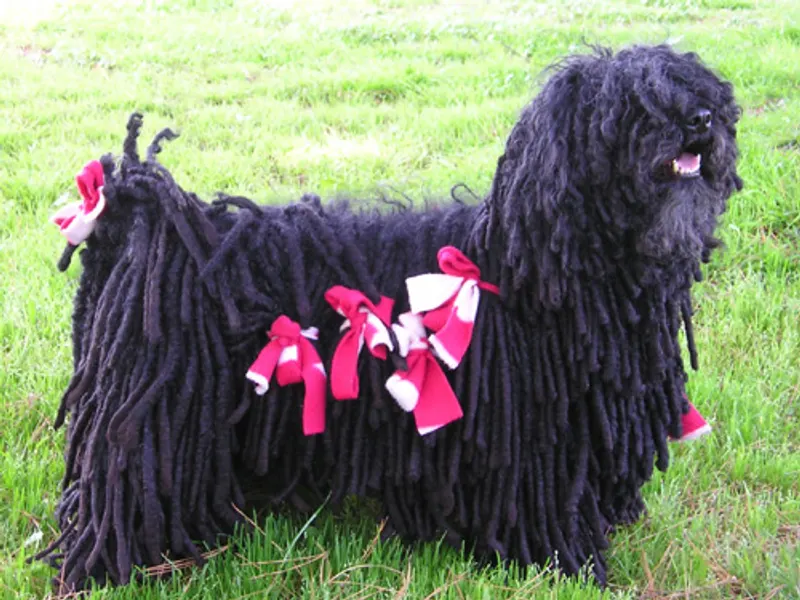
Puli
Herding
25–35 lbs · 10–15 yrs
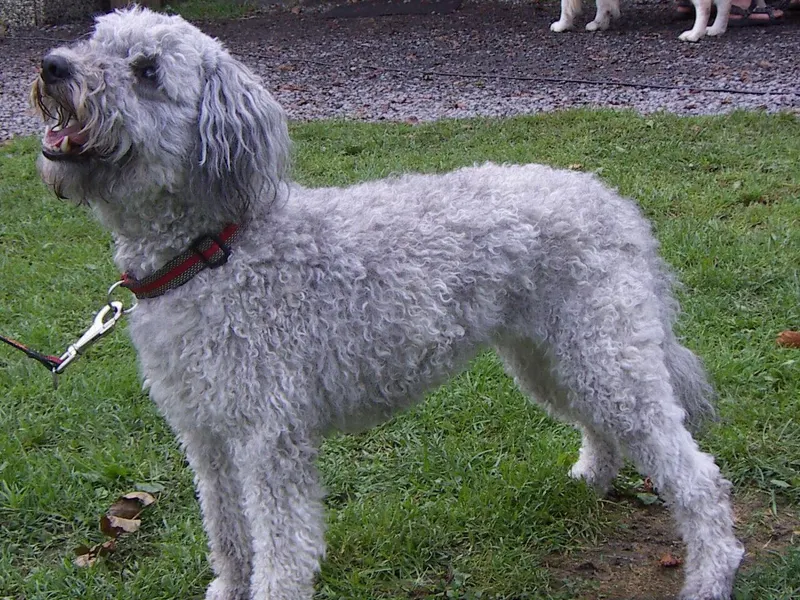
Pumi
Herding
18–33 lbs · 12–13 yrs
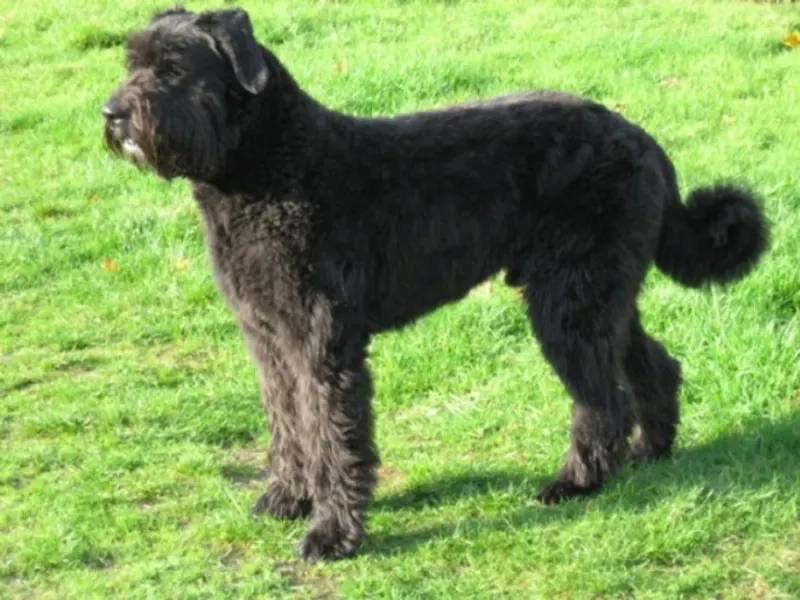
Bouvier des Flandres
Herding
70–110 lbs · 10–12 yrs
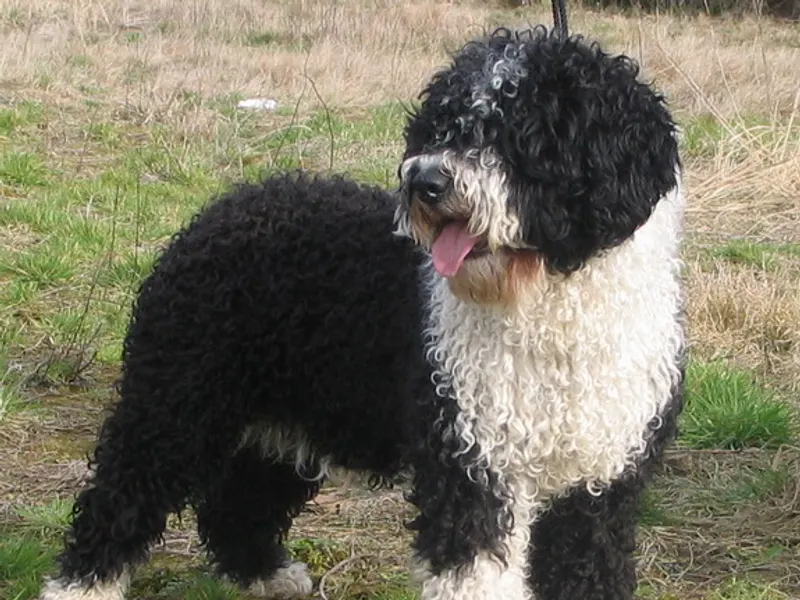
Spanish Water Dog
Herding
31–49 lbs · 12–14 yrs
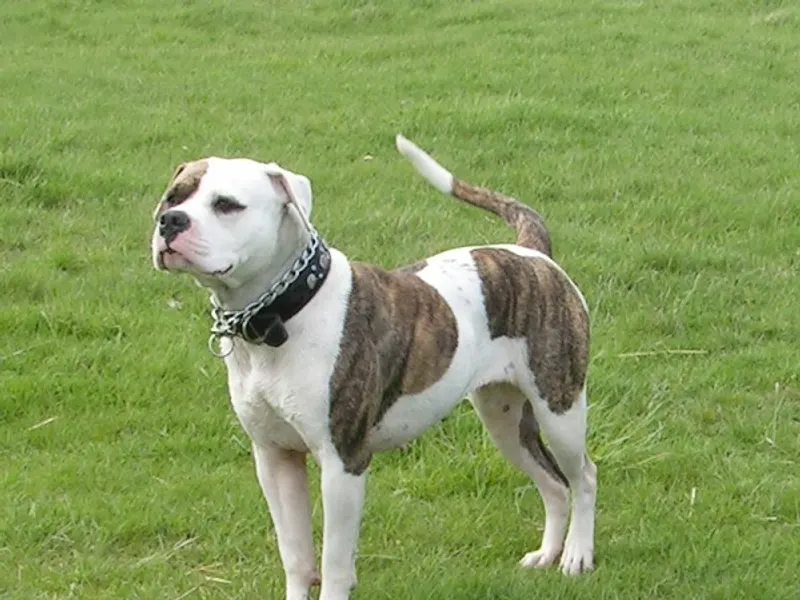
American Bulldog
Foundation Stock
60–120 lbs · 10–12 yrs
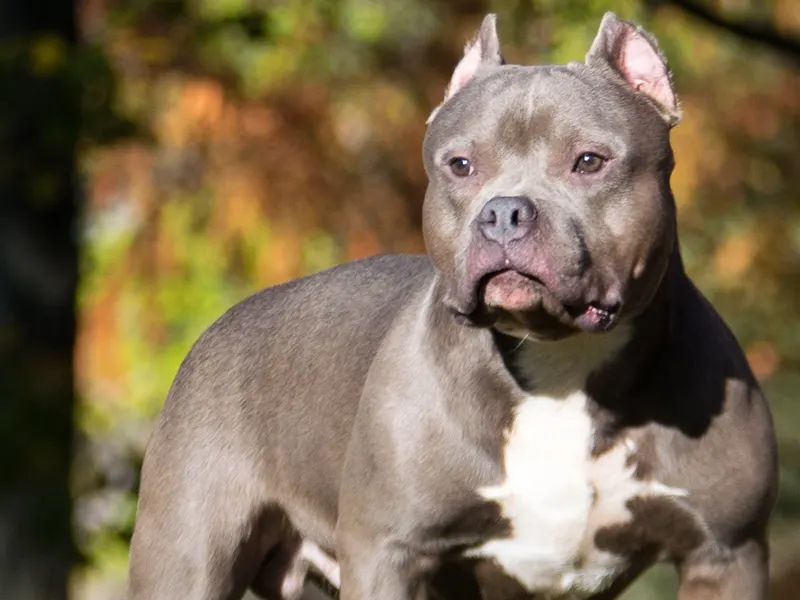
American Bully
Foundation Stock
30–150 lbs · 10–13 yrs
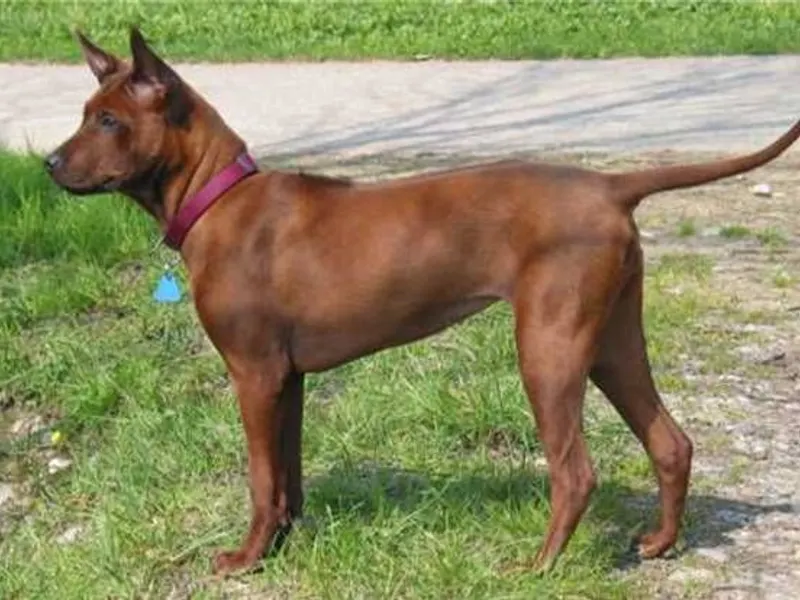
Thai Ridgeback
Foundation Stock
35–75 lbs · 12–13 yrs
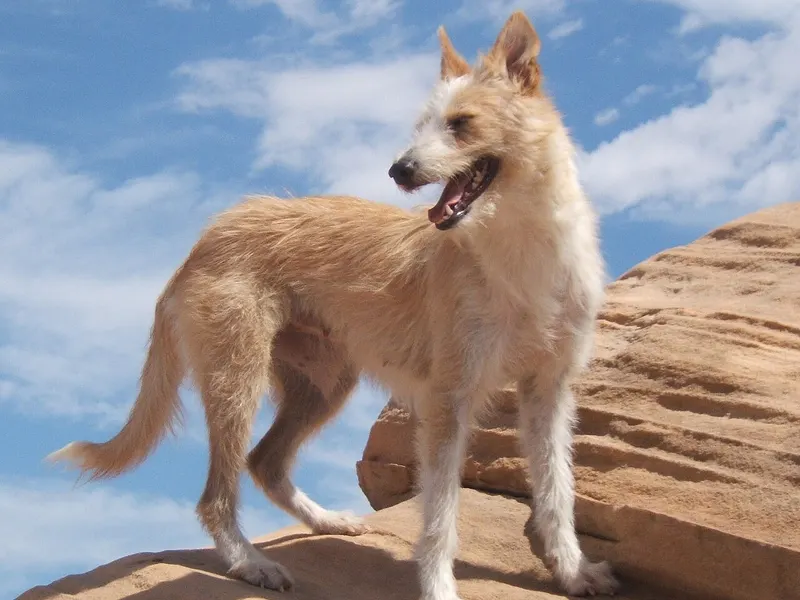
Podengo Português
Foundation Stock
35–44 lbs · 12–15 yrs
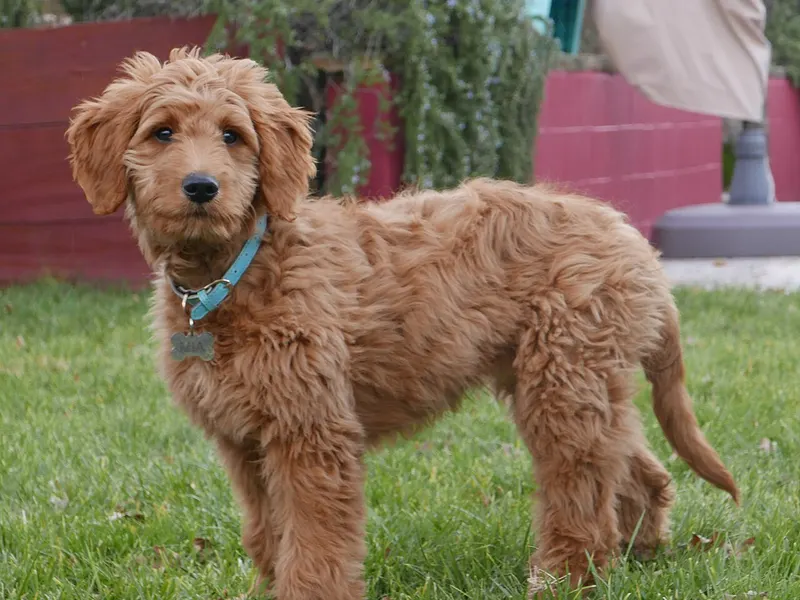
Goldendoodle
Crossbreed
50–90 lbs · 10–15 yrs
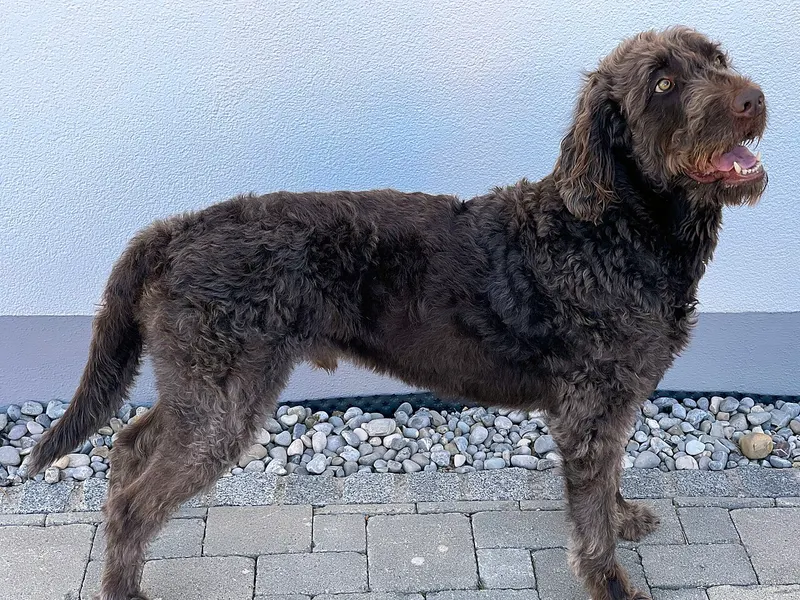
Labradoodle
Crossbreed
45–80 lbs · 12–14 yrs
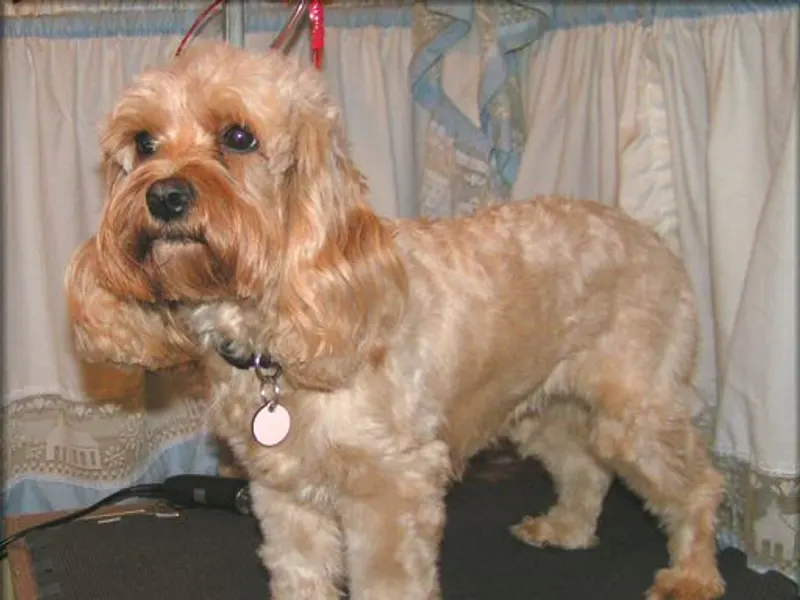
Cockapoo
Crossbreed
12–24 lbs · 13–15 yrs
Maltipoo
Crossbreed
5–20 lbs · 12–15 yrs
Schnoodle
Crossbreed
6–75 lbs · 10–16 yrs
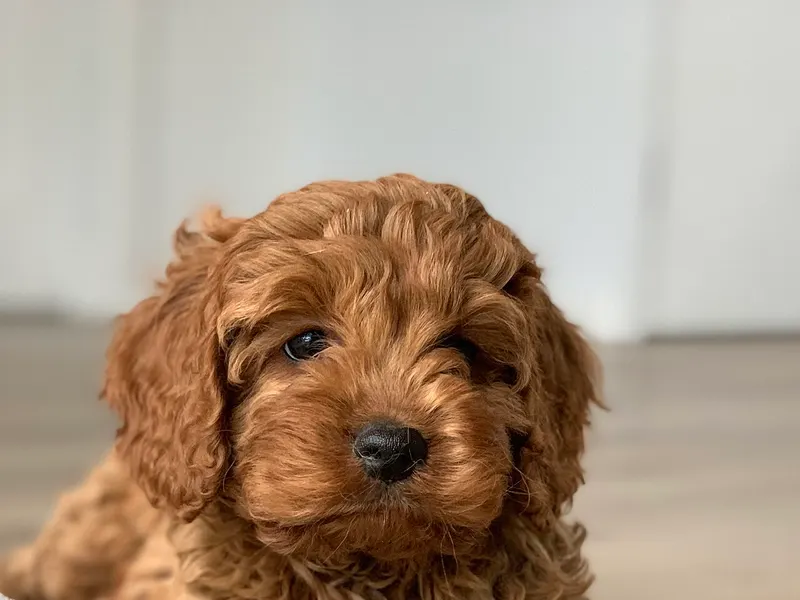
Cavapoo
Crossbreed
9–25 lbs · 12–15 yrs
Yorkipoo
Crossbreed
3–14 lbs · 12–15 yrs
Sheepadoodle
Crossbreed
45–80 lbs · 12–15 yrs
Bernedoodle
Crossbreed
50–90 lbs · 12–15 yrs
Aussiedoodle
Crossbreed
25–70 lbs · 12–15 yrs
Chiweenie
Crossbreed
5–12 lbs · 13–16 yrs
Shorkie
Crossbreed
8–16 lbs · 11–16 yrs
Morkie
Crossbreed
4–8 lbs · 10–13 yrs
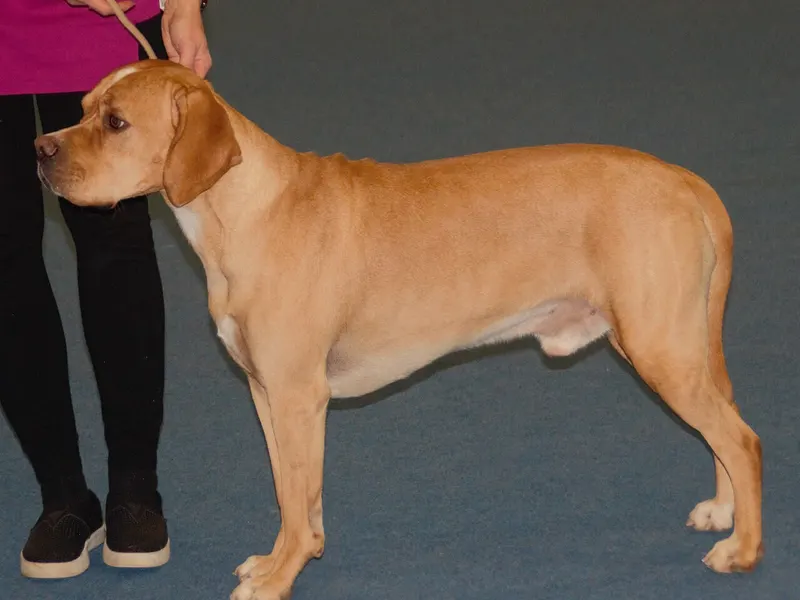
Portuguese Pointer
Sporting
35–55 lbs · 12–14 yrs
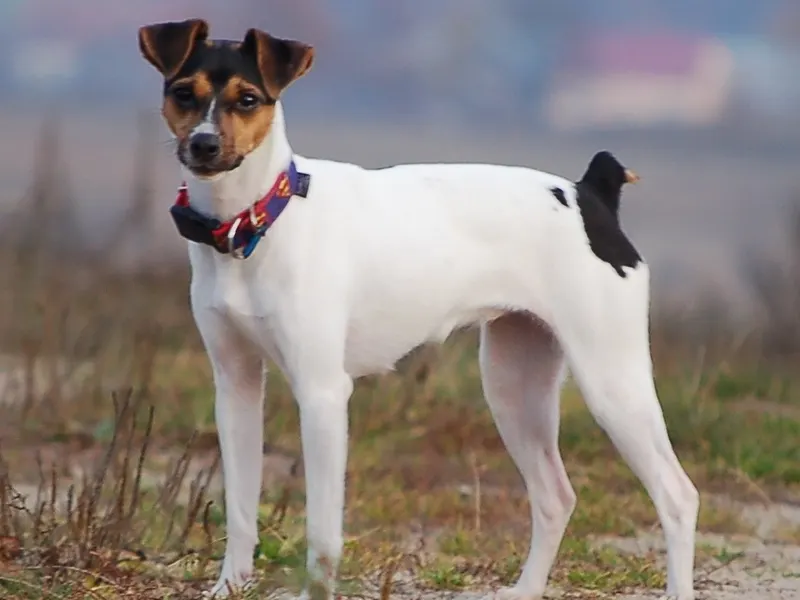
Brazilian Terrier
Terrier
14–22 lbs · 12–14 yrs
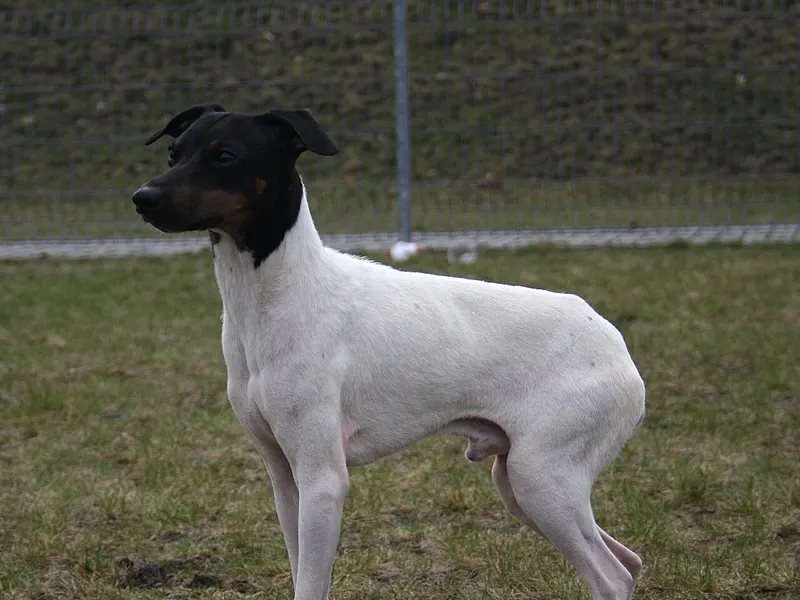
Japanese Terrier
Terrier
5–9 lbs · 12–15 yrs
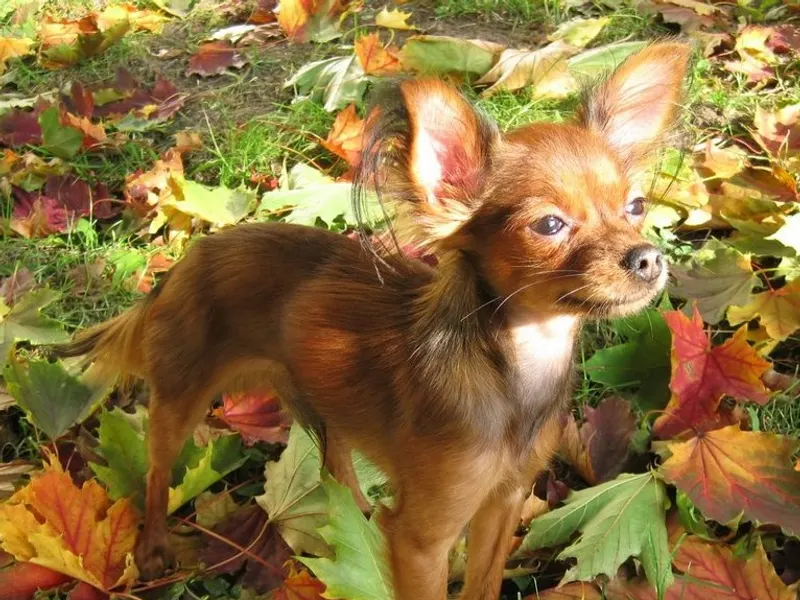
Russian Toy
Toy
3–6 lbs · 10–14 yrs
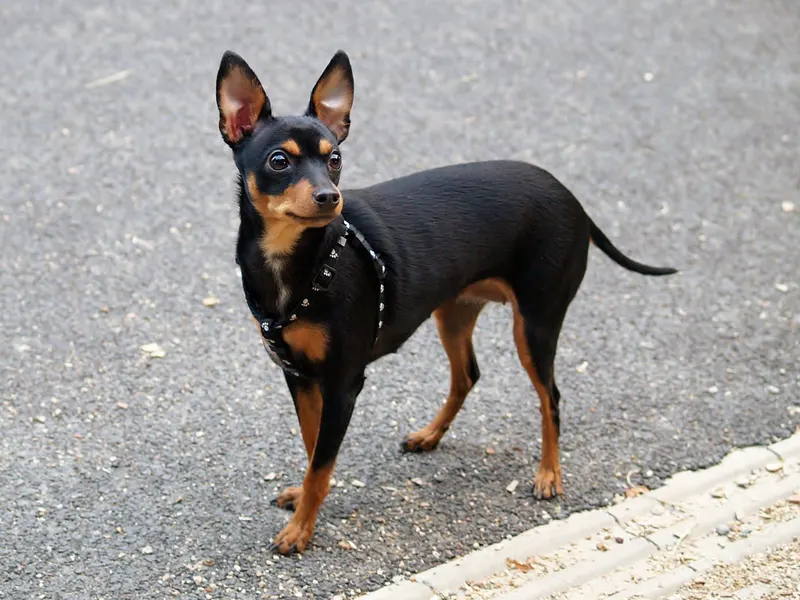
Prague Ratter
Toy
2–6 lbs · 12–15 yrs
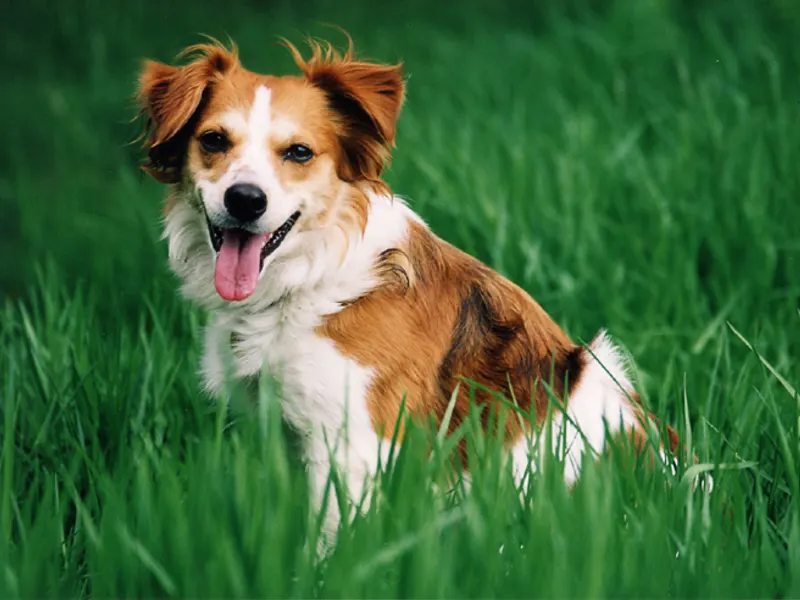
Kromfohrländer
Non-Sporting
20–30 lbs · 13–15 yrs
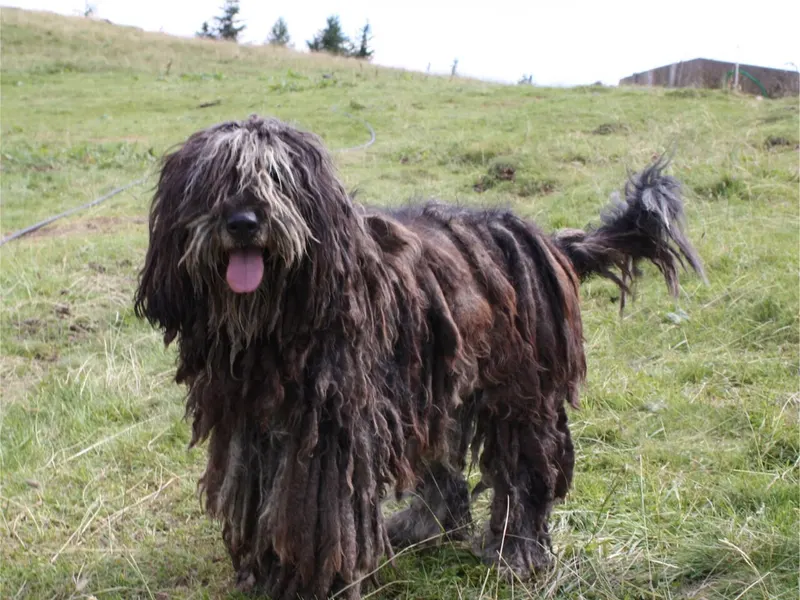
Bergamasco Sheepdog
Herding
57–84 lbs · 13–15 yrs
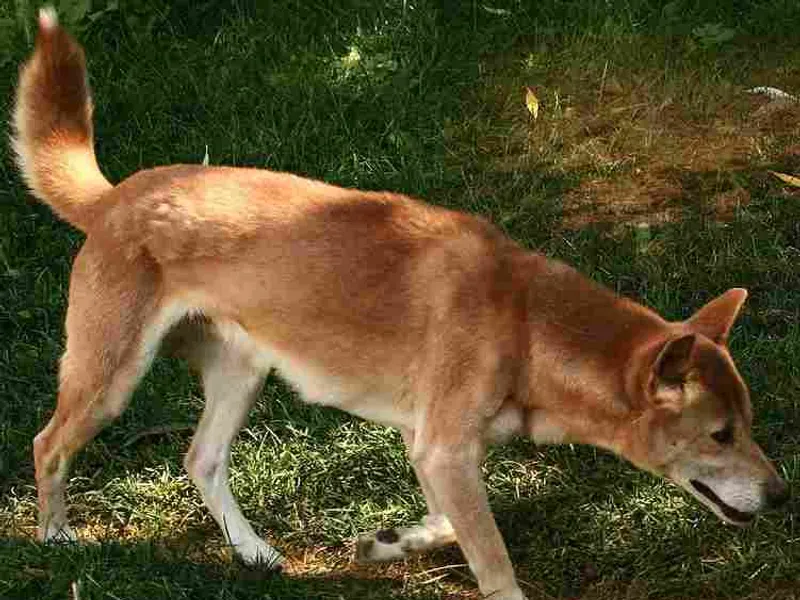
New Guinea Singing Dog
Foundation Stock
17–30 lbs · 15–18 yrs
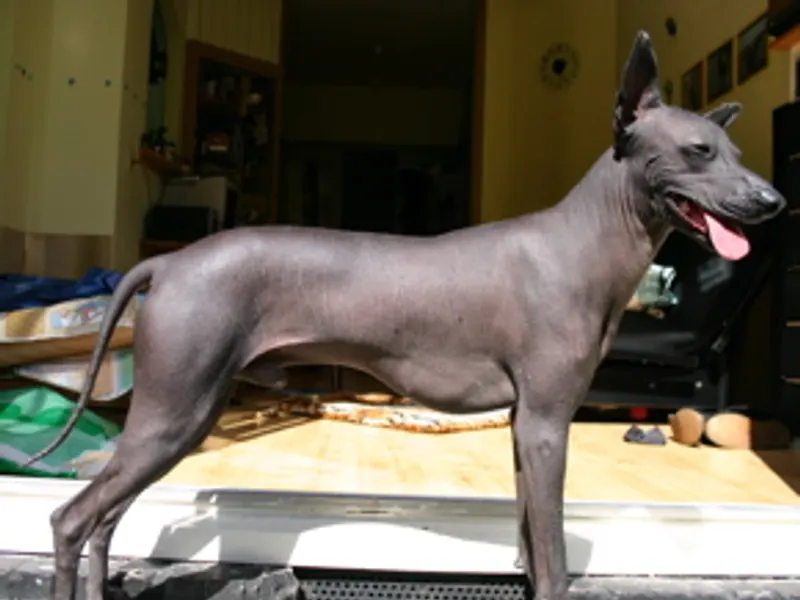
Peruvian Inca Orchid
Foundation Stock
12–55 lbs · 11–12 yrs
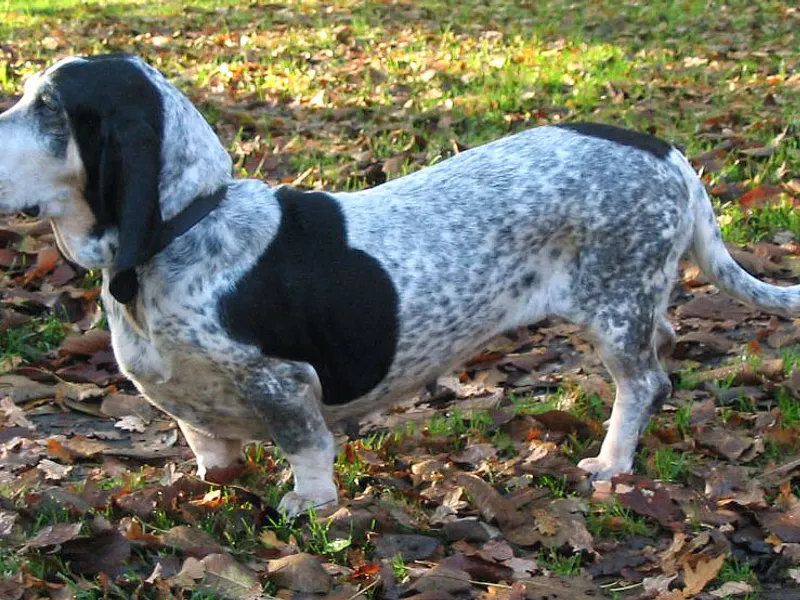
Basset Bleu de Gascogne
Hound
35–45 lbs · 11–13 yrs
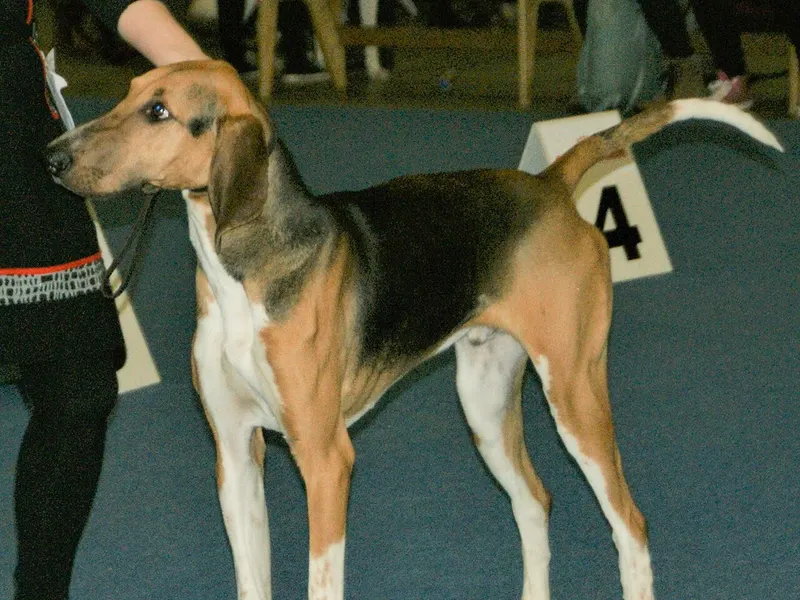
Poitevin
Hound
55–70 lbs · 11–13 yrs
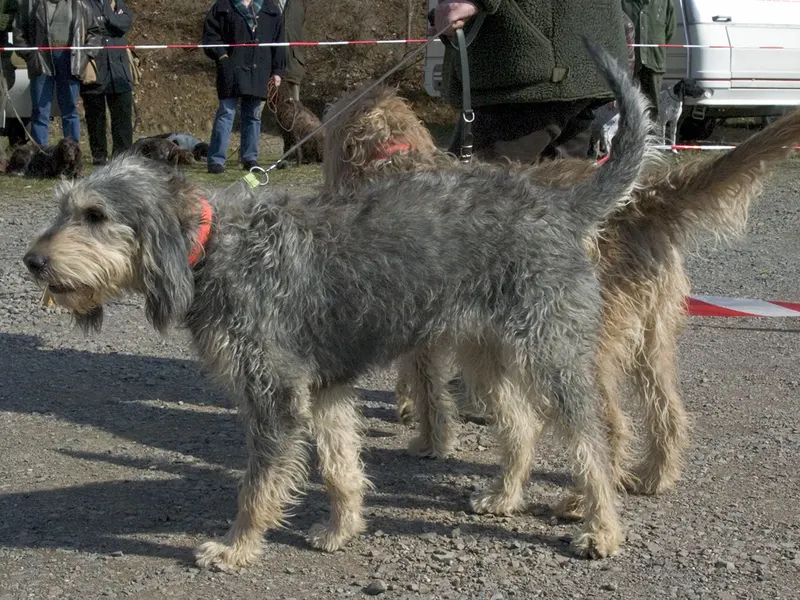
Griffon Nivernais
Hound
50–65 lbs · 12–14 yrs
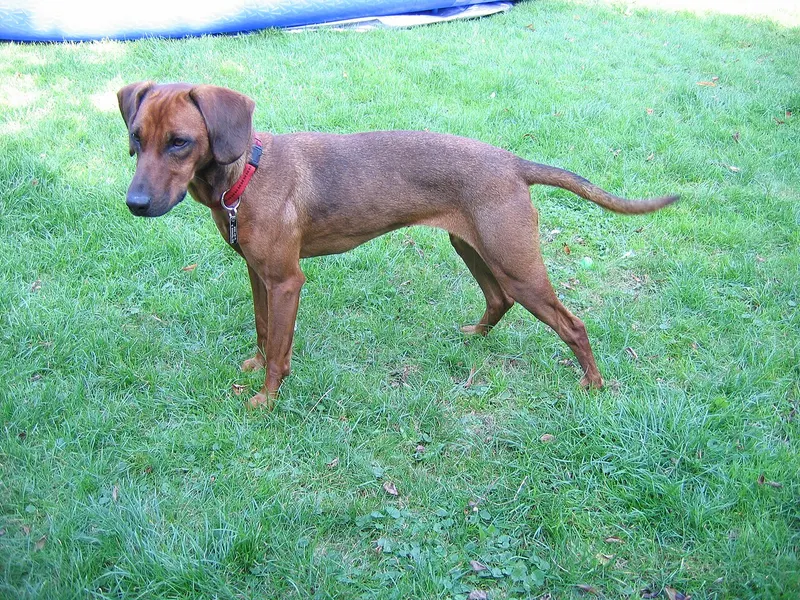
Tyrolean Hound
Hound
33–48 lbs · 12–14 yrs