Foundation Stock Group
Thai Ridgeback
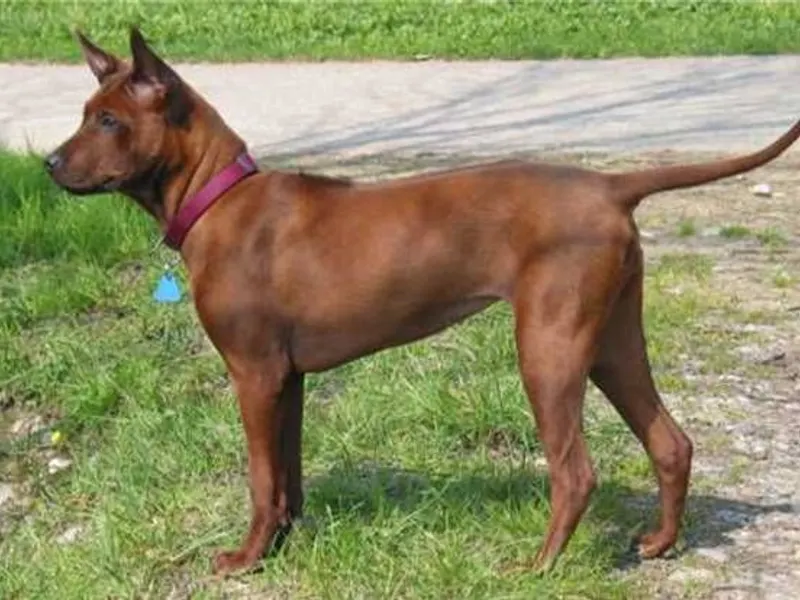
Eastern Thailand's rural provinces produced this breed largely in isolation, with dogs used historically for hunting, guarding homes, and even pulling small carts, developing over what breed historians believe may be centuries with minimal crossbreeding with Western dogs given Thailand's relative geographic and historical isolation. The breed's most distinctive feature, a ridge of hair growing in the opposite direction along the spine, is genetically linked to a mild birth defect called dermoid sinus that also affects the similarly-ridged Rhodesian Ridgeback, and reputable breeders screen puppies for the condition given its potential to cause spinal infection if left unaddressed. The AKC recognizes the Thai Ridgeback through its Foundation Stock Service; it remains rare in the US. Thai villagers in the country's eastern provinces reportedly used the breed for genuinely varied work, including guarding homes, hunting, and — according to some regional accounts — pulling small ox-carts in a pinch, a versatility that speaks to how self-sufficient rural Thai households needed their dogs to be. Western awareness of the breed grew only gradually starting in the 1990s as travelers and expatriates in Thailand began exporting dogs, decades after the similarly ridged Rhodesian Ridgeback had already established itself internationally.
Common health predispositions
- Dermoid sinus (ridge-linked)
- Hip dysplasia
- Hypothyroidism
Temperament
Thai Ridgebacks carry a genuinely independent, athletic temperament shaped by generations of working with minimal close human direction — intelligent and quick to learn but not naturally eager to please the way some companion-bred breeds are, which means training tends to require patience and consistency rather than repetition alone. Most individuals are deeply loyal to their own family while remaining wary of strangers, and the breed's strong prey drive and territorial instincts mean early socialization is a genuine necessity rather than a nice-to-have. Thailand's relative historical isolation meant the breed developed with minimal crossbreeding pressure from outside dog populations, and that genetic consistency shows up today as a fairly predictable temperament profile across the breed — independent, athletic, and reserved with strangers — even though the breed's overall population and gene pool remain comparatively small.
Living with a Thai Ridgeback
Bred for genuine hunting stamina across Thailand's terrain, this athletic breed does well with about 60 minutes of vigorous daily activity. Coat care is minor — occasional brushing covers the short, smooth coat — but the signature ridge carries a real medical consideration: dermoid sinus, a birth defect that can cause serious spinal infection if left untreated, so having a vet examine puppies for it before or shortly after placement matters. Hip dysplasia and hypothyroidism round out the breed's documented health concerns, and given how rare it still is in North America, finding an experienced breeder can take genuine searching. This breed suits an experienced owner drawn to an independent, athletic dog with genuine guarding instincts and willing to search out one of the few dedicated US breeders — it's not a realistic choice for anyone wanting an easily available breed or a highly biddable companion. Because the Thai Ridgeback remains genuinely rare in North America, dedicated rescue infrastructure barely exists, and prospective owners typically work directly with the small community of specialist breeders instead.
FAQ
What is dermoid sinus in Thai Ridgebacks?
It's a birth defect linked to the same ridge-of-hair genetics that gives the breed its name, where a small tunnel of skin tissue forms along the spine and can lead to serious infection if untreated — reputable breeders screen puppies for it and it's worth asking about directly.
Are Thai Ridgebacks rare in the US?
Yes, genuinely — the breed is recognized only through the AKC's Foundation Stock Service program and remains uncommon outside Thailand, so finding an experienced breeder in North America takes real effort.
Do Thai Ridgebacks need a lot of exercise?
Yes — this is a genuinely athletic breed developed for active hunting work, and around 60 minutes of vigorous daily exercise suits it far better than a sedentary lifestyle.
How is the Thai Ridgeback different from the Rhodesian Ridgeback?
Despite the shared ridge trait, the two breeds developed independently on different continents — the Thai Ridgeback in Thailand as an all-purpose farm and guard dog, the Rhodesian Ridgeback in Southern Africa as a big-game hunting dog — and they differ noticeably in build, size, and temperament despite the superficial similarity.
When did the Thai Ridgeback become known outside Thailand?
Not until the 1990s, when travelers and expatriates living in Thailand began exporting dogs to the West — decades later than the similarly ridged Rhodesian Ridgeback, which is part of why the Thai Ridgeback remains far less commonly seen internationally.
Do Thai Ridgebacks make good guard dogs?
Yes, reliably — generations spent watching over rural Thai homesteads left it naturally suspicious of strangers and genuinely territorial, traits that become a watchful, protective companion once early socialization keeps that instinct properly calibrated.
Related on FetchBreed
Lists this breed appears in
Whichever breed fits your life, consider adoption or breed-specific rescue first — many purebred and mixed-breed dogs and cats are already waiting for homes.
General breed information, not veterinary advice — consult a vet for your pet's specific health, diet, and behavior needs.