Non-Sporting Group
Shar-Pei
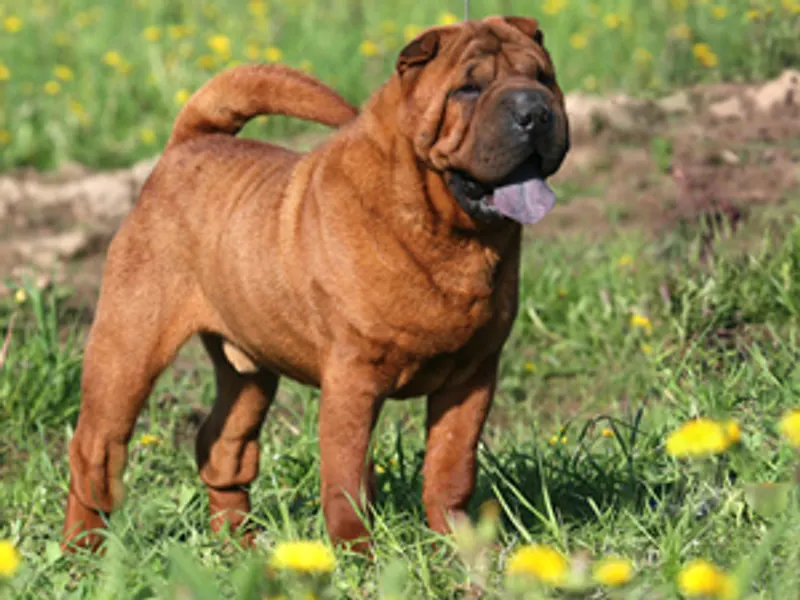
The Shar-Pei originated in China's Guangdong province, where it worked historically as an all-purpose farm dog handling guarding, hunting, and herding duties, and — like the Chow Chow, a breed it's genetically related to — the Shar-Pei carries a distinctive blue-black tongue, a trait shared by only a handful of dog breeds and one breed historians point to as evidence of a shared ancient lineage between the two. Communist-era policies in China that heavily taxed and discouraged private dog ownership pushed the breed to the brink of extinction by the mid-20th century, and the Shar-Pei's modern survival is credited largely to Matgo Law, a Hong Kong breeder who published a public appeal in American dog magazines in 1973 calling it the world's rarest breed and asking Western fanciers to help preserve it — an appeal that drew enough interest to rebuild a stable breeding population. The AKC recognized the breed in 1992.
Common health predispositions
- Familial Shar-Pei fever
- Entropion
- Skin-fold dermatitis
Temperament
Bred for independent farm-guarding work rather than close companionship, the Shar-Pei carries a reserved, sometimes aloof temperament that shows up in below-average goodWithKids and goodWithOtherPets ratings — this is a breed that bonds loyally with its own family but doesn't extend that warmth automatically to strangers, unfamiliar dogs, or even young children without careful, early socialization. Trainability runs on the lower end, less from lack of intelligence than from a genuine independence bred into the dog for centuries of working with minimal direct supervision. Shar-Peis can also show real territorial and guarding instincts, consistent with their farm-guardian history, which makes early socialization a genuinely important investment rather than optional polish.
Living with a Shar-Pei
Forty minutes of daily activity suits this breed's moderate energy level well. Grooming stays surprisingly minimal for a breed known for its wrinkles: the short, bristly "horse coat" needs little brushing, but the deep skin folds themselves require regular cleaning and thorough drying to prevent painful infections from trapped moisture and bacteria — a distinctive, breed-specific care task separate from typical coat grooming. Familial Shar-Pei fever, a hereditary inflammatory condition causing recurring fever episodes and, in some cases, longer-term kidney damage, is documented closely enough in this breed that it carries the Shar-Pei's name; entropion, an eyelid condition connected directly to the breed's characteristic wrinkled face, is common enough that many Shar-Pei puppies need corrective surgery early in life. Skin-fold dermatitis is a related, ongoing concern that follows directly from the same wrinkled structure that gives the breed its name and appearance ("shar-pei" translates roughly to "sandy coat" or "sand skin" in Cantonese, referencing the coat's rough texture). Because of the breed's documented near-extinction and the resulting narrow genetic bottleneck in its rebuilt population, responsible breeders pay particular attention to health screening across these specific conditions.
FAQ
How did the Shar-Pei almost go extinct?
Communist-era policies in China heavily taxed and discouraged private dog ownership, pushing the breed's population to near-collapse by the mid-20th century; Hong Kong breeder Matgo Law's 1973 public appeal in American dog magazines, calling it the world's rarest breed, is credited with drawing the Western interest and support that rebuilt the population.
Why does a Shar-Pei need special wrinkle care?
The breed's deep skin folds trap moisture, dirt, and bacteria, which can lead to painful skin infections without regular cleaning and thorough drying — it's a distinctive, breed-specific care task separate from the minimal brushing the short coat itself actually needs.
What is familial Shar-Pei fever?
A hereditary inflammatory condition documented closely enough in this breed that it carries the Shar-Pei's name, causing recurring episodes of fever and, in some cases, longer-term kidney damage if not managed. It's a genuine breed-specific health concern worth discussing with a breeder.
Are Shar-Peis good with children?
Not always the best match without careful socialization — the breed's reserved, independent temperament and genuine territorial instincts pull goodWithKids ratings below average, and skipping early socialization leaves that wariness largely unchecked into adulthood.
Why do Shar-Peis have a blue-black tongue?
The Chow Chow is the only other breed that carries this same striking pigmentation, and breed historians read that shared trait as real evidence the two Chinese breeds descend from common ancient stock.
How much exercise does a Shar-Pei need?
Moderate — about 40 minutes daily suits this breed's naturally lower energy level, and Shar-Peis are generally content without the vigorous activity many working breeds require.
What does the name Shar-Pei mean?
It translates roughly from Cantonese as 'sandy coat' or 'sand skin,' a reference to the breed's distinctively rough, bristly short coat texture rather than to its color.
Are Shar-Peis good guard dogs?
Naturally territorial and wary of strangers thanks to centuries spent as an all-purpose farm guardian, the Shar-Pei makes an effective, if genuinely independent-minded, watchdog for the right household.
How big does a Shar-Pei get?
Medium, typically 45 to 60 pounds and 18 to 20 inches at the shoulder, a sturdy, compact build historically suited to guarding and general farm work in southern China.
How long do Shar-Peis live?
Commonly 8 to 12 years, and proactive screening for familial Shar-Pei fever plus consistent skin-fold care both make a real, measurable difference in the breed's quality of life over that span.
Is a Shar-Pei a good first dog?
An independent, territorial temperament plus genuine wrinkle-care needs call for real handling experience — skip the socialization plan as a novice owner and an overly wary adult dog is the likely outcome.
Do Shar-Peis get along with cats?
Early exposure makes the real difference — a Shar-Pei's territorial instincts are much easier to manage in a dog that grew up around a cat than in one meeting one for the first time as an adult.
Related on FetchBreed
Lists this breed appears in
Care equipment for a Shar-Pei
As an Amazon Associate we earn from qualifying purchases made through these links, at no extra cost to you.
- Skin-fold wipes
The page calls this a distinctive, breed-specific care task separate from coat grooming: the deep folds need cleaning and thorough drying to prevent painful infections. It also says the bristly coat needs little brushing, so there is no brush here.
Whichever breed fits your life, consider adoption or breed-specific rescue first — many purebred and mixed-breed dogs and cats are already waiting for homes.
General breed information, not veterinary advice — consult a vet for your pet's specific health, diet, and behavior needs.