Working Group
Presa Canario
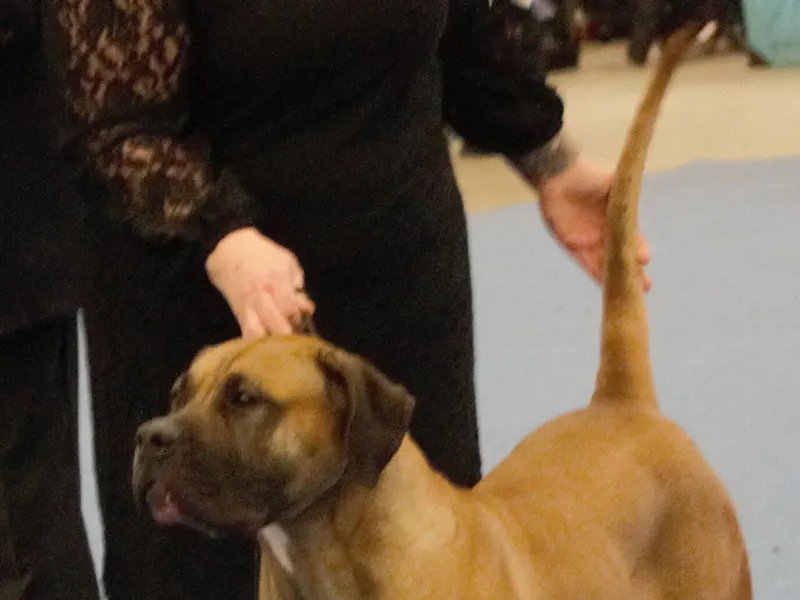
The Canary Islands produced this breed as a working farm dog, developed from native Canarian livestock guardians crossed with imported Mastiff-type breeds brought by Spanish colonizers, aiming for a dog capable of controlling and driving cattle as well as guarding property. Historical accounts describe the breed's use in now-banned dogfighting during periods of the 20th century, a dark chapter that shaped some of the reputational baggage the breed still carries, though modern breed clubs and most conscientious breeders have worked to select firmly against that temperament. The breed nearly went extinct by the 1960s before dedicated preservationists on the islands rebuilt the population from surviving working lines. The breed's near-extinction by the 1960s was driven partly by the outlawing of dogfighting in the Canary Islands, which removed the primary reason many owners had kept the dogs, combined with rural depopulation as islanders moved toward tourism-based economies. Dedicated preservationists, working from the few remaining working farm lines in the more isolated parts of the islands, rebuilt the population starting in the 1970s and 80s, and the breed gained official Spanish recognition in 1982.
Common health predispositions
- Hip dysplasia
- Elbow dysplasia
- Osteochondrodysplasia
Temperament
This is a serious guardian breed, calm and confident under normal circumstances but capable of real intensity if it perceives a genuine threat — not a dog that defaults to friendliness with strangers the way a retriever might. With consistent, experienced handling and early socialization, most Presa Canarios are stable and predictable around their own family, but the breed's size, strength, and guarding drive mean this isn't a forgiving choice for an inexperienced owner or a household hoping for a naturally sociable dog with visitors. The breed's history in now-outlawed dogfighting has shaped some persistent public perception issues that don't necessarily reflect the temperament of a well-bred, well-socialized modern Presa Canario, and reputable breed clubs have worked for decades to actively select against dog-aggressive tendencies in their breeding programs, a distinction worth understanding when researching the breed's history.
Living with a Presa Canario
Under-exercised, under-trained Presa Canarios can become genuinely difficult to manage safely, so 60 minutes of structured daily exercise combined with real training work matters for this powerful breed. The short, coarse coat needs little beyond occasional brushing, but ownership here extends well past grooming: many cities, insurers, and rental properties restrict or exclude the breed by name given its size and guarding history, making that legal landscape worth researching before bringing a puppy home. Hip and elbow dysplasia, along with osteochondrodysplasia, a skeletal growth condition, are worth screening for directly in breeding stock. This breed suits an experienced owner in a location where ownership is legally permitted and who can commit to serious, consistent training from puppyhood onward — it's a poor fit for anyone new to large guardian breeds or unable to verify local legal status first. Presa Canario rescue exists in limited form, often coordinated by breed enthusiasts given restrictions in many regions, and legitimate rescue placements typically involve careful screening of the adopter's experience level.
FAQ
Is a Presa Canario dangerous?
Any large guardian breed with strong protective instincts carries real risk if poorly socialized or trained, and the Presa Canario is no exception — with experienced handling and early socialization most are stable, though a first-time or otherwise inexperienced owner is generally a poor match for this breed.
Are Presa Canarios banned in some places?
Yes, in a number of jurisdictions worldwide and in parts of the US, either by breed-specific legislation or through housing and insurance restrictions, so checking local law before committing to the breed is a genuinely necessary step.
Do Presa Canarios shed a lot?
Not much — a quick brush now and then keeps the short, coarse coat in order, which counts as genuinely the easiest part of owning an otherwise demanding breed.
Why did the Presa Canario nearly go extinct?
Outlawed dogfighting removed much of the original incentive for keeping the breed, and rural depopulation across the Canary Islands as the economy shifted toward tourism further shrank the working population, pushing numbers dangerously low by the 1960s before dedicated preservationists intervened.
When was the Presa Canario officially recognized?
Spain's kennel authorities granted official recognition in 1982, following roughly a decade of organized preservation work rebuilding the population from surviving working lines on the islands.
Has the Presa Canario's temperament changed since its dogfighting history?
Reputable modern breeders have worked deliberately to select against dog-aggressive tendencies for decades, though prospective owners should still research a specific breeder's approach to temperament testing carefully given the breed's complicated history and its continued association with that past in some circles.
Where does the Presa Canario's name come from?
The breed takes its name from the Canary Islands off the coast of northwest Africa, where it was developed as a farm and livestock-guarding dog, and 'presa' refers to its historical role gripping and holding cattle, a working purpose that shaped the breed's powerful jaw and heavily muscled build well before it gained recognition outside Spain.
Related on FetchBreed
Lists this breed appears in
Whichever breed fits your life, consider adoption or breed-specific rescue first — many purebred and mixed-breed dogs and cats are already waiting for homes.
General breed information, not veterinary advice — consult a vet for your pet's specific health, diet, and behavior needs.